
Pingguoyuan Eats: The Metro-Hub Neighbourhood Table of Shijingshan District, Beijing
苹果园前灯火暖,一桌家常慰晚归。Píngguǒyuán qián dēnghuǒ nuǎn, yī zhuō jiācháng wèi wǎnguī – Before Pingguoyuan the lamps glow warm; a homestyle table comforts the late-coming home.
苹果园家常菜 Píngguǒyuán jiāchángcài Pingguoyuan homestyle eats are the wok-fired supper Beijing’s far-west commuters come home to, and the address is a junction: 苹果园 Píngguǒyuán Pingguoyuan, the 石景山区 Shíjǐngshān Qū Shijingshan District, Beijing hub where 地铁1号线 dìtiě yī hào xiàn subway line 1 ends its westward run and now links to line 6 and the S1 – a 门户 ménhù gateway between the city’s east-side offices and the west-side estates, rebuilt over the past decade into one of the network’s great western interchanges (worth confirming the details of the rebuild years), a quarter whose name, the story goes, recalls an orchard that stood here centuries before the rails (worth confirming the details). The form is the 家常菜馆 jiāchángcài guǎn homestyle hall – a family-run 馆子 guǎnzi of ten to twenty tables, a 炒锅 chǎoguō wok station by the door, a laminated menu of 京味 jīngwèi Beijing-style stir-fries – and the craft most visitors under-rate is the regular’s arithmetic: a real 苹果园 Píngguǒyuán house lives on 邻居 línjū neighbours who eat out twice a week, so the honest kitchen keeps the 荤菜 hūncài meat dishes generous, the 米饭 mǐfàn rice free-flowing and the 价格 jiàgé steady for years rather than seasons, and a menu that re-styles itself each 网红 wǎnghóng influencer cycle has missed the only crowd that comes back every night. The naming is the tell: the signs carry surnames and provinces – 王 Wáng, 川 Chuān, 渝 Yú – not brands, because here a shopfront name is a promise the cook signs with his own hand.
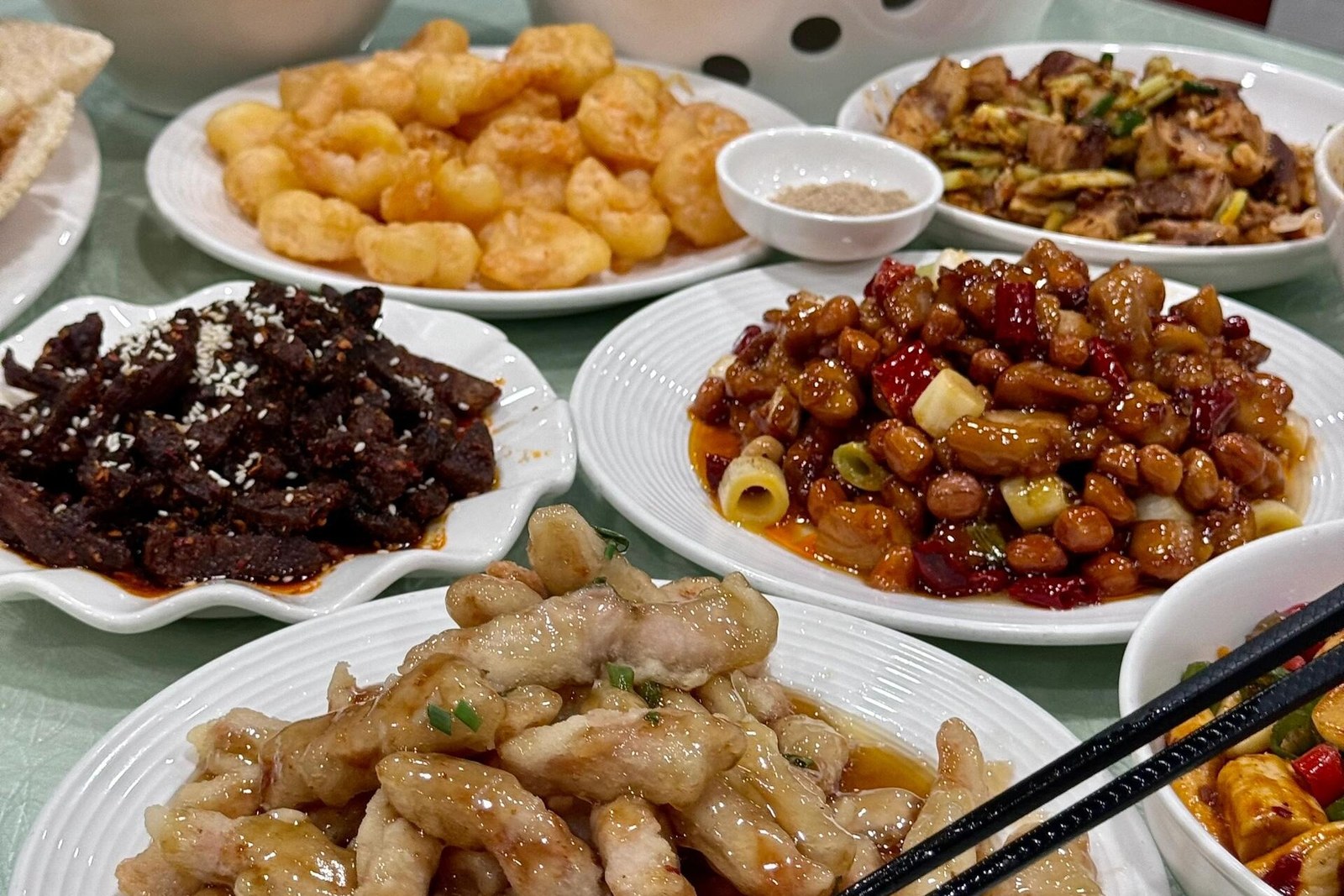
The eating is a 炒 chǎo stir-fry grammar built for the return trade, and the menu leans 家常 jiācháng homestyle to match the 居民 jūmín crowd. The anchor is the 京味 jīngwèi stir-fry trio – 木须肉 mùxūròu moo-shu pork, 宫保鸡丁 gōngbǎo jīdīng kung-pao chicken, 红烧带鱼 hóngshāo dàiyú braised hairtail – backed by 干炸丸子 gānzhá wánzi dry-fried meatballs, 醋溜白菜 cùliū báicài vinegar-glazed cabbage, 拍黄瓜 pāi huángguā smashed cucumber and the 烩饼 huìbǐng stewed biscuit plates a wage-earning table turns over nightly. 饺子 jiǎozi dumplings hold the counter seats – 手工 shǒugōng hand-wrapped at the 板 bǎn board, 白菜 báicài cabbage and 猪肉 zhūròu pork filling the winter tray – while 面条 miàntiáo noodles (打卤面 dǎlǔmiàn gravy noodles, 炸酱面 zhájiàngmiàn bean-paste noodles) carry the quick lunch, and the 二锅头 èrguōtóu shot and 燕京啤酒 Yānjīng píjiǔ Yanjing beer close the shift for the men who eat alone at the counter, because a 苹果园家常菜 Píngguǒyuán jiāchángcài hall is built on the same faces ordering the same 三菜一汤 sāncài yī tāng three-dishes-one-soup, month after month, and the kitchen that knows their 口味 kǒuwèi tastes before they speak is the kitchen that keeps them.
The honest grade is geography plus the 下班 xiàbān off-work clock. In 石景山区 Shíjǐngshān Qū Shijingshan District, Beijing the houses cluster on the side streets fanning off the metro exits and along the 阜石路 Fùshí Lù Fushi Road corridor, where the clientele is half 下班 xiàbān off-work commuters grabbing a quick 炒菜 chǎocài before the last train and half 退休 tuìxiū retired residents who eat at five and know every 招牌菜 zhāopáicài by heart, a mix that keeps the 干炸丸子 gānzhá wánzi honest in a way a food-hall copy never could – a kitchen here is graded by 老主顾 lǎozhǔgù regulars who can tell 现炒 xiànchǎo wok-fire from a 预制 yùzhì pre-made tray by the 锅气 guōqì alone (worth confirming the details – which houses still wok-fire every order and which have quietly gone tray-and-microwave). The continuity is the point: these are not pop-ups but houses that have fed the same blocks since the estates went up, and the diner who left in 2005 and came back in 2025 can still find his 木须肉 mùxūròu where he left it. A per-person bill runs on the 炒菜 chǎocài and the 啤酒 píjiǔ, so call it worth confirming the details rather than a fixed number, and arrive early or late – the 下班 xiàbān rush fills the small halls between six and seven-thirty; the ritual is quick and warm, and the diner who lingers too long over one 瓶 píng bottle will feel the proprietor’s eyes drift to the next table of neighbours.
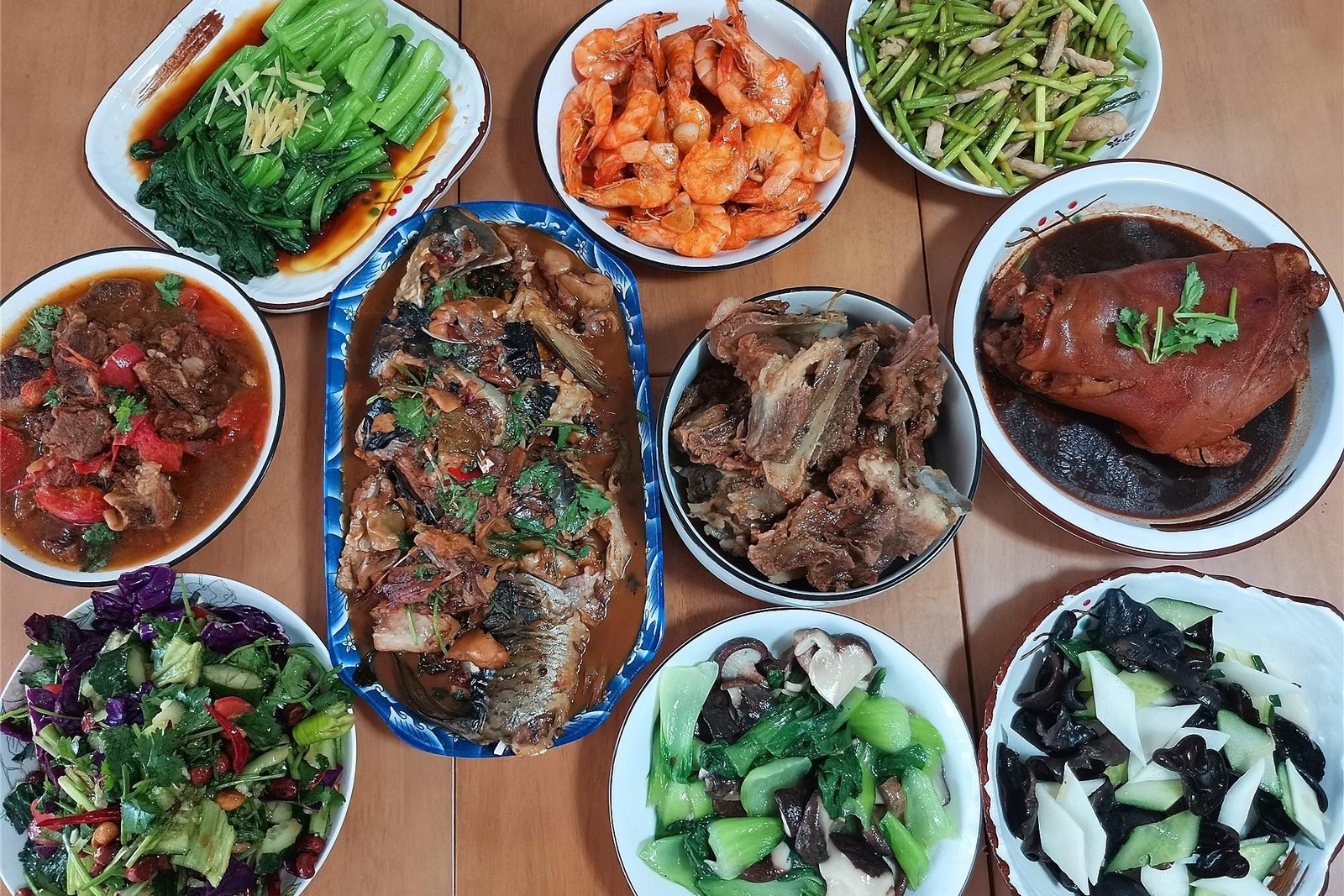
The wry truth is that 苹果园家常菜 Píngguǒyuán jiāchángcài is over-rated as a “transfer-station convenience” and under-rated as the district’s true everyday kitchen: visitors file the quarter as a place to change trains, while locals – the 石景山区 Shíjǐngshān Qū Shijingshan District, Beijing residents who raise families here – treat the homestyle halls as an extension of their own stoves, the place the 生日 shēngrì birthday noodles and the 加班 jiābān overtime suppers live. The real divide is 现炒 xiànchǎo versus 预制 yùzhì: a wok-fired 醋溜白菜 cùliū báicài reads 脆 cuì crisp with a bright 火 huǒ fire edge, while a tray reheated from a 冻 dòng freezer reads flat and soggy, and no 蒜 suàn garlic hides it – worth confirming the details. Season barely matters; this is a year-round table of the estates, 烩饼 huìbǐng steam in winter, cold 拍黄瓜 pāi huángguā and 燕京啤酒 Yānjīng píjiǔ in summer, the kitchens firing for dinner because the commuters’ clocks don’t move.
The self-deprecating footnote: a food writer will mispronounce 苹果园 Píngguǒyuán – and be told, kindly, that no apples remain – explain “neighbourhood dining economics” to a 老板娘 lǎobǎnniáng proprietress who remembers every regular’s 不吃香菜 bù chī xiāngcài no-cilantro note, photograph the wok fire at heroic shutter, and then call the 木须肉 mùxūròu “commendably homestyle” as if homestyle were a genre rather than a promise – which is the honest grade: 苹果园家常菜 Píngguǒyuán jiāchángcài is a commuter table the writer will file more than he finishes, and the 邻居 línjū at the next 圆桌 yuánzhuō has ordered from memory before the menu opens. The same 石景山区 Shíjǐngshān Qū Shijingshan District, Beijing thread runs on: the caravan-lane snacks of 模式口大街小吃 Mòshìkǒu Dàjiē xiǎochī Moshikou street snacks graze a short bus ride west, the noodle steam of 古城北路食街 Gǔchéng Běilù shíjiē Gucheng North Road food street rises a stop east, the mall floors of 万达商圈餐食 Wàndá shāngquān cānshí Wanda area meals hum in the 银河 Yínhé Yinhe commercial district, and the industrial cafés of 首钢园工业风餐咖 Shǒugāng Yuán gōngyèfēng cānkā Shougang park cafe fare pour under the blast furnaces – one district, four more tables.
Words and Names
苹果园 Píngguǒyuán / Pingguoyuan · the line-1 metro hub of western Shijingshan District 家常菜 jiāchángcài / homestyle dishes · the everyday stir-fry table the estates eat on 地铁1号线 dìtiě yī hào xiàn / subway line 1 · the trunk line that made the quarter a gateway 现炒 xiànchǎo / wok-fired · the fresh-fire craft the neighbours grade the kitchen by 木须肉 mùxūròu / moo-shu pork · the Beijing staple that holds the regular’s table 干炸丸子 gānzhá wánzi / dry-fried meatballs · the crisp classic graded bite after bite 老主顾 lǎozhǔgù / old regular · the neighbour whose order needs no menu 石景山区 Shíjǐngshān Qū / Shijingshan District · the Beijing district holding the neighbourhood table
What the Locals Know
- The regular’s order is the tell: a real 家常菜馆 jiāchángcài guǎn lets 老主顾 lǎozhǔgù order from memory and amend the dish; a house that re-styles the menu each 网红 wǎnghóng season is performing for outsiders (worth confirming the details).
- 现炒 xiànchǎo beats 预制 yùzhì: listen for the wok roar by the door; a tray reheated from the 冻 dòng freezer has no 锅气 guōqì, and the neighbours taste it through the wall.
- Time the 下班 xiàbān rush: the small halls fill six to seven-thirty and thin out by nine – come early for the hottest 炒锅 chǎoguō fire, late for the proprietor’s stories.
- Order the house’s one craft – the 木须肉 mùxūròu, the 丸子 wánzi, the 手工 shǒugōng 饺子 jiǎozi – not the whole list; a homestyle hall is graded on what the cook eats himself.
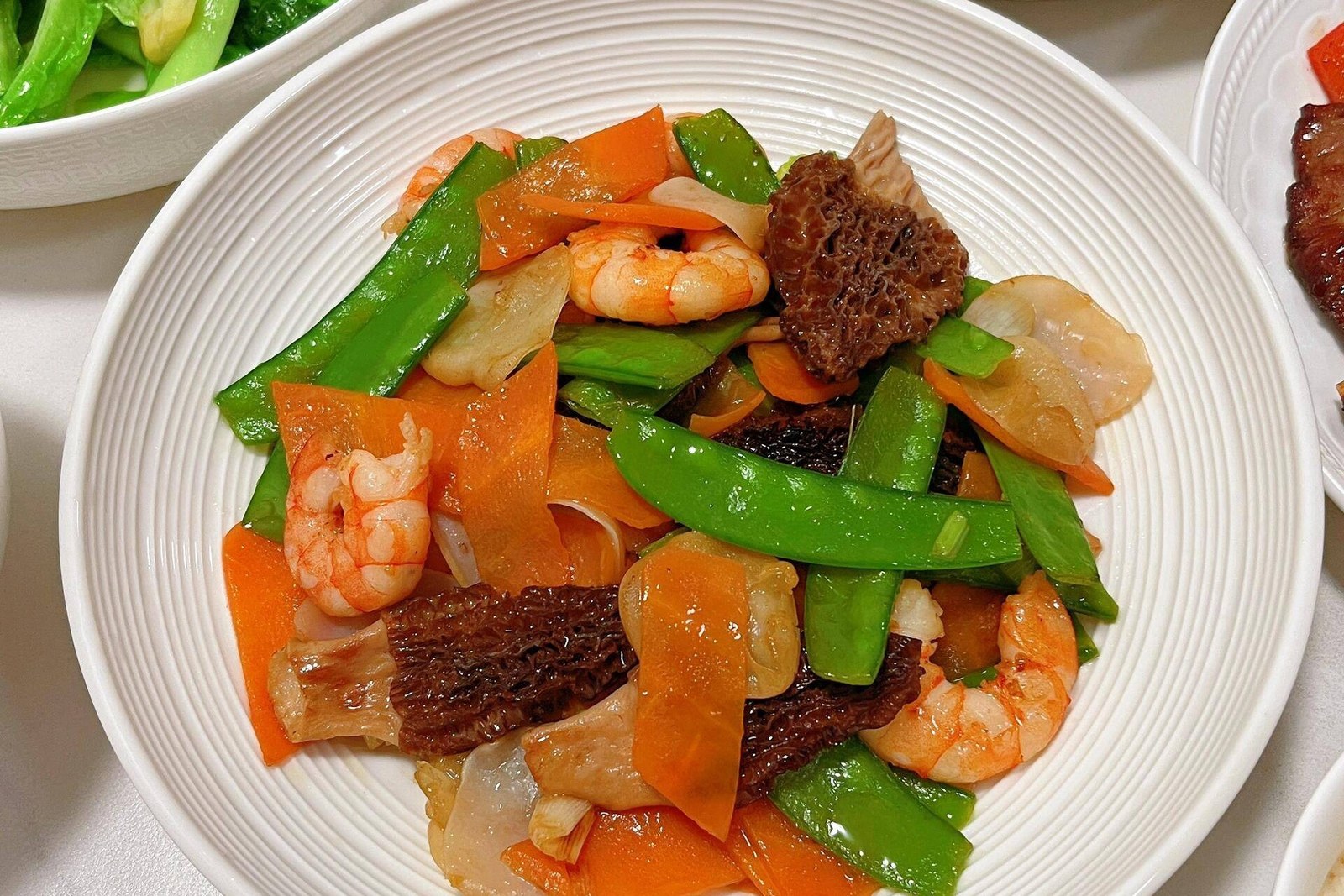
flowcloud would say that the 苹果园家常菜 Píngguǒyuán jiāchángcài is the metro-hub neighbourhood table of Shijingshan District, Beijing – a 苹果园 Píngguǒyuán junction where the line-1 crowd comes home to 木须肉 mùxūròu, 干炸丸子 gānzhá wánzi and 手工 shǒugōng 饺子 jiǎozi in houses that sign the menu with a surname – and that the honest move is to order the house’s one craft, time the 下班 xiàbān rush, and listen for the wok roar, because the neighbour is the jury and the 锅气 guōqì is the verdict. All checked October 2026.
Where to find it: Shijingshan District Shíjǐngshān Qū, Beijing – the 苹果园 Píngguǒyuán Pingguoyuan blocks around the line-1 hub and along the 阜石路 Fùshí Lù Fushi Road corridor, where 家常菜馆 jiāchángcài guǎn homestyle halls fire 木须肉 mùxūròu, 干炸丸子 gānzhá wánzi and 手工 shǒugōng 饺子 jiǎozi on the 下班 xiàbān clock (worth confirming the details – which kitchens still 现炒 xiànchǎo and which have gone 预制 yùzhì pre-made); a per-person bill runs on the 炒菜 chǎocài and the 啤酒 píjiǔ, so call it worth confirming the details rather than a fixed number. Pingguoyuan homestyle eats are the metro-hub neighbourhood table of Shijingshan District, Beijing, neighbours before novelty.