
Autumn’s Ruby Standard: Kashgar Pomegranates and the Juice Pressed to Order
石榴红满市,一榨琥珀光 Shíliu hóng mǎn shì, yī zhà hǔpò guāng – Pomegranates redden the whole market; one pressing yields amber light
正文:喀什石榴 Kāshí Shíliu the Kashgar pomegranate is the autumn signature of 喀什地区 Kāshí Dìqū Kashgar Prefecture – heavy, crimson fruit from the oasis orchards along the Yarkand river, sold by the cartload from September into November and pressed to order into glasses of juice the colour of stained glass. Kashgar’s pomegranates compete with Khotan’s for the province’s crown, and the locals hold, with evidence, that theirs run sweeter and deeper: long hot days, cold nights, and snowmelt irrigation off the Pamir put sugar and acid into perfect balance.
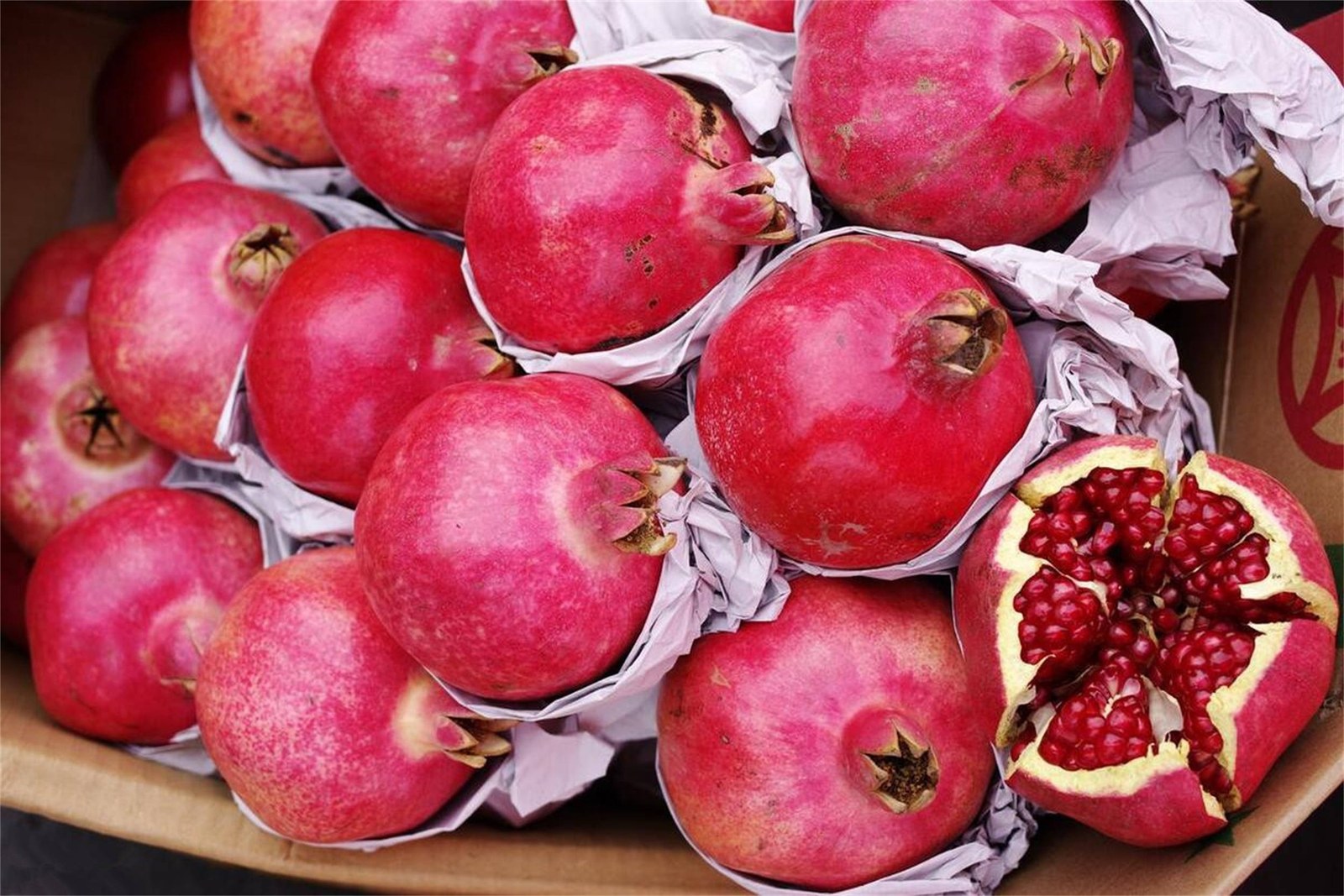
The season rewrites the street scene. Carts arrive heaped with fruit, each graded by size and heft – the heavy ones are the juicy ones, and vendors invite the squeeze test as proof. The juice presses stand beside the carts: a hand-turned press, a basin, and glasses served within a minute of the fruit being halved. Nothing is added, nothing is filtered beyond a strainer; the juice runs thick enough to stand a spoon in, sweet-tart, and gone to memory by the time you reach the next corner.
Choosing fruit is a public science. The crown should sit dried and open; the skin tight and leathery-red; the weight heavy for its size. Vendors halve one on request to show the seed colour – the deep garnet varieties command the premium, the paler pink ones sell cheaper and taste it. Whole fruit travels better than juice and keeps for weeks in cool rooms, which is why departing visitors buy by the crate and the juice is strictly a standing-pleasure, taken on the spot.
Beyond the juice glass, the same 喀什地区 Kāshí Dìqū Kashgar Prefecture holds other flavors: 烤包子 Kǎobāozi samsa, 鸽子汤 Gēzitāng pigeon soup, 缸子肉 Gāngziròu mug-stewed lamb, and 百年老茶馆 Bǎinián Lǎocháguǎn the century teahouse – four more doors into the same 喀什地区 Kāshí Dìqū Kashgar Prefecture. With the pomegranate settled, our Kashgar travel map fills the day.
The pomegranate’s place in local culture runs deeper than dessert. The fruit’s many seeds make it the traditional wish for abundance at weddings and the New Year table; the dried skins and flowers stock the herbalist stalls of the medicine market; and the miniature pomegranate trees in old-town courtyards are grown as much for ornament as harvest. Poetry here uses the pomegranate the way the West uses the rose – the standard image for a beloved’s mouth, and nobody in Kashgar finds the comparison exaggerated.
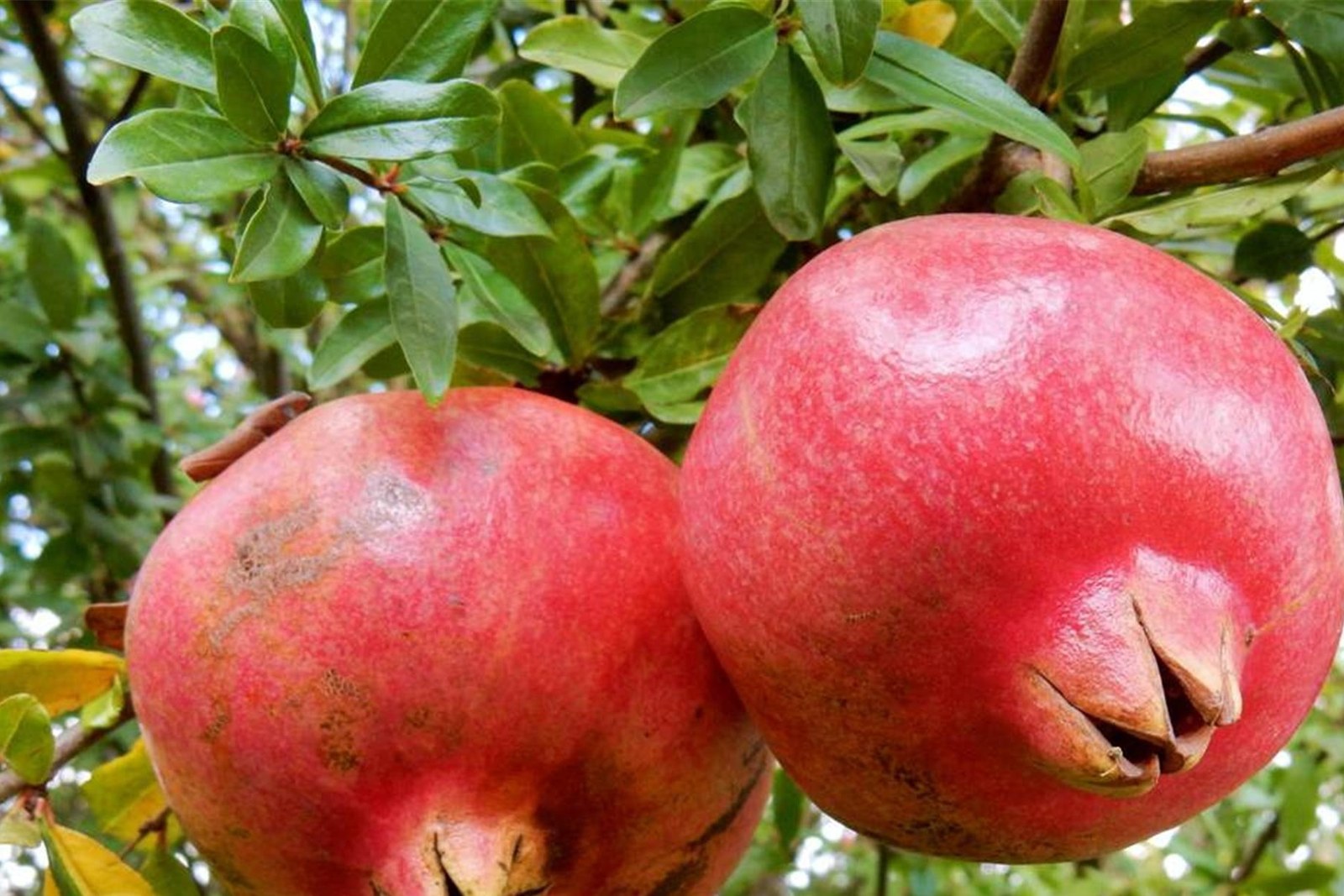
Beyond the fresh fruit, the market rows hold the processed forms: sun-dried arils sold by the sack for winter tea, thick molasses-like syrup for dressing, and the cranberry-tart dried seeds that bakers press into naan. The grand bazaar’s fruit aisles run all of these, and the orchards around Yarkand and Poskam south down the highway supply them – the same fruit the carts sell, one step closer to the tree.
Practicalities: the season peaks October, the juice costs pocket money per glass, and the best carts cluster at the old town gates, the bazaar’s fruit aisles and the Sunday market’s edges. Juice stands press to order all day but the fruit is freshest in the morning; whole fruit prices drop late in the season as the volume peaks. Buy the heavy ones, drink the first glass where you stand, and resist importing juice – it never travels.
Autumn in Kashgar, in the end, is measured in pomegranates: the carts redden the streets, the presses rattle from noon, and every visitor leaves with the taste as the trip’s closing chord. The fruit that symbolises abundance turns out to mean it literally – the region’s autumn, bottled ruby, available by the glass.
Words and Names
What the Locals Know
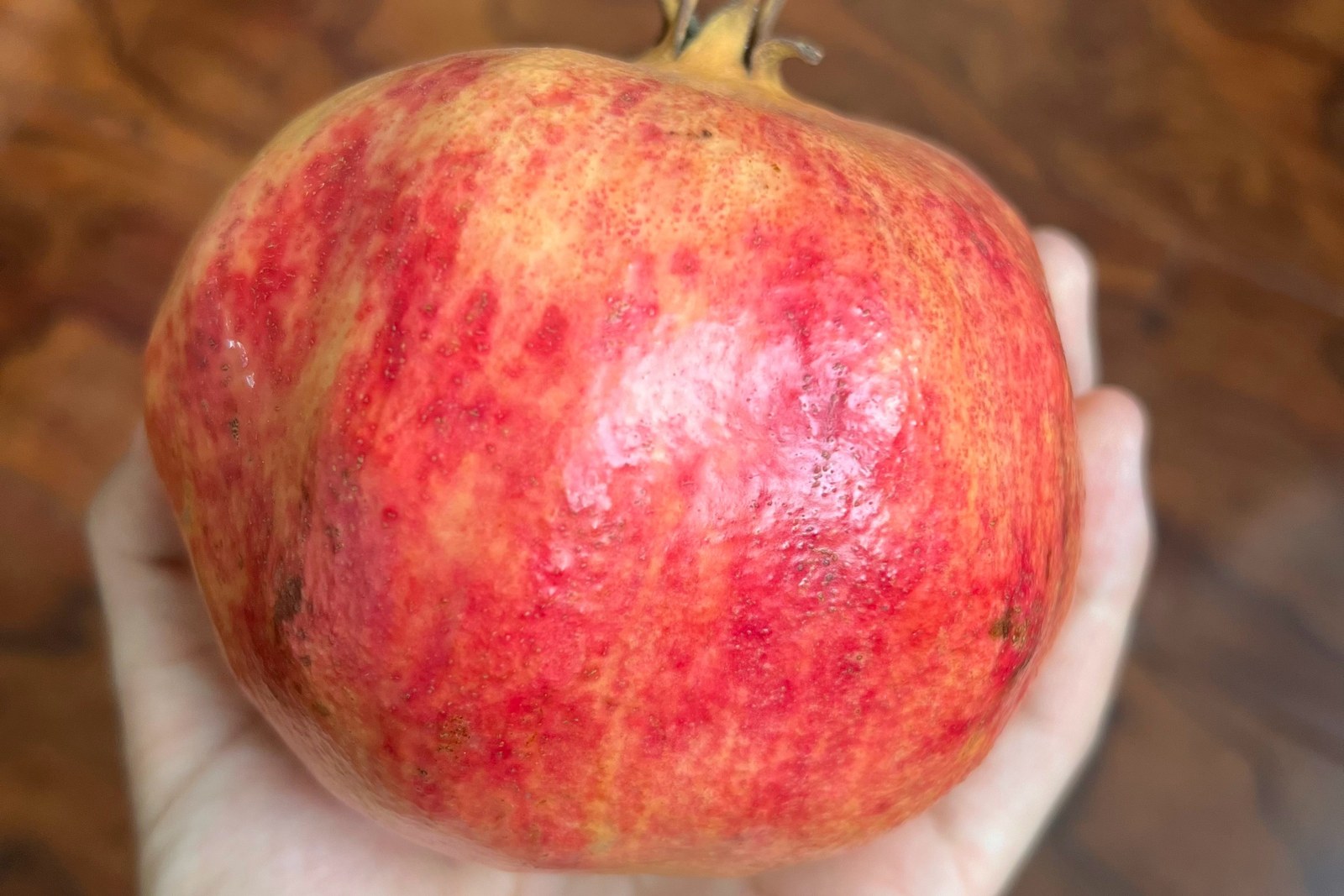
flowcloud would say the Kashgar pomegranate is autumn’s proof of concept: ruby fruit off the Yarkand orchards, pressed to a glass in a minute, sweet enough to end arguments – the season you can drink standing up. All checked November 2026.
Where to find it: The pomegranate carts and juice presses cluster at the old town’s main gates and the grand bazaar’s fruit aisles through September-November; test the weight, watch the pressing, and drink the first glass standing where it was squeezed. All checked November 2026.