
Purang Masala Tea — the Spice Pot of the Border Market
豆蔻姜辛奶色浓,一壶熬尽两地风 Dòukòu jiāng xīn nǎisè nóng, yī hú áo jìn liǎng dì fēng – Cardamom and ginger thicken the milk’s color; one pot simmers the flavors of two lands
普兰香料奶茶 Pǔlán xiāngliào nǎichá masala chiya is the tea of Purang’s border market – strong black tea simmered in milk with cardamom, fresh ginger and sometimes cinnamon, sweetened and poured scalding into small glasses. The style belongs to the hills of Nepal and India, and it arrived with the traders who wintered in the valley and never quite left; today the tea stalls of the border-trade market keep a pot on the coals from mid-morning, cooking the spice in for hours until the milk turns dense and tan.
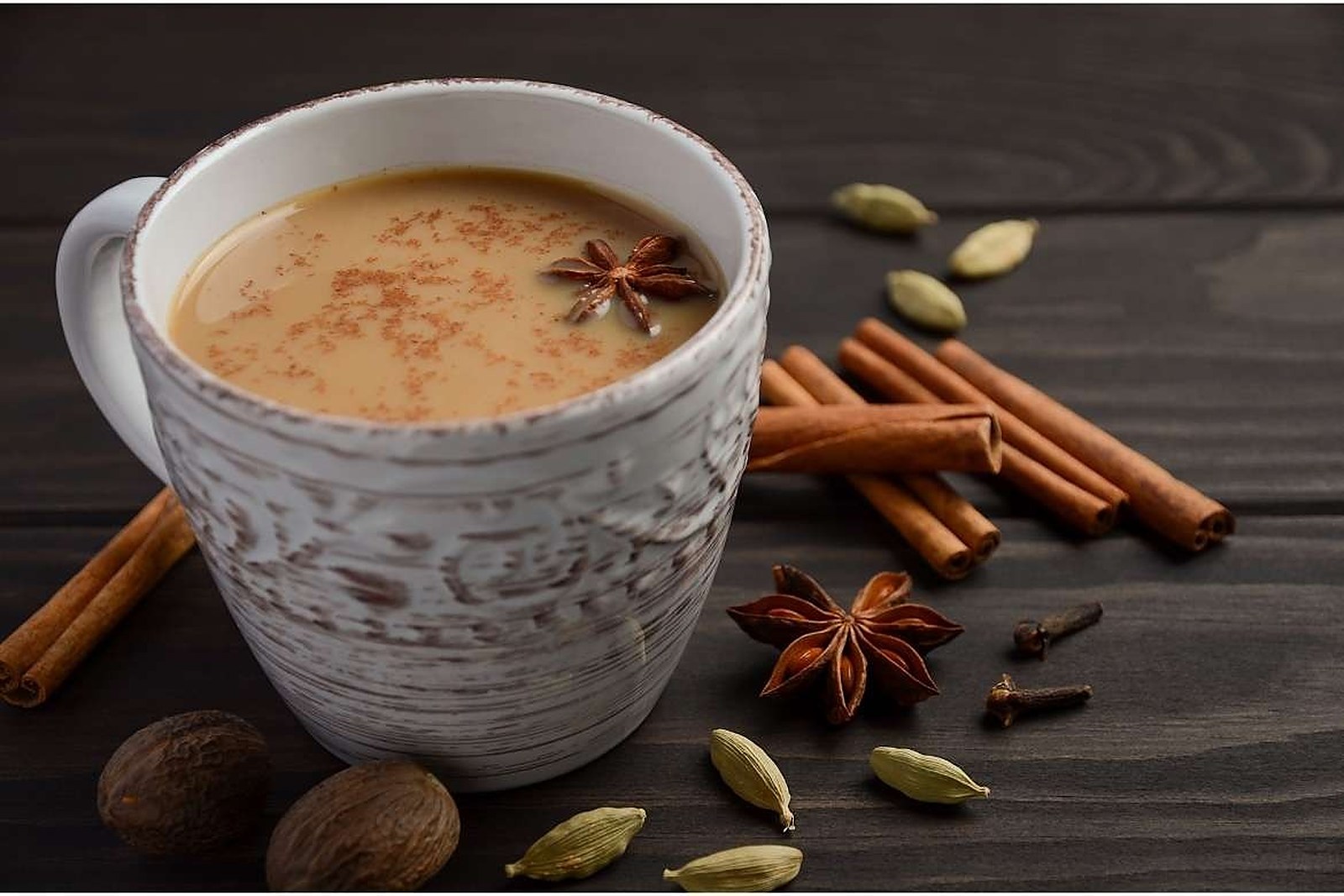
The pot is the stall’s whole identity. Every vendor guards a blend – more cardamom here, a harder bite of ginger there, a stick of cinnamon for the winter trade – and the regulars read the aroma before they order. The tea boils slowly, skimmed and poured back, then finished with a long pull of air between pot and glass to build the froth; the glass arrives hot enough to hold with a pinch.
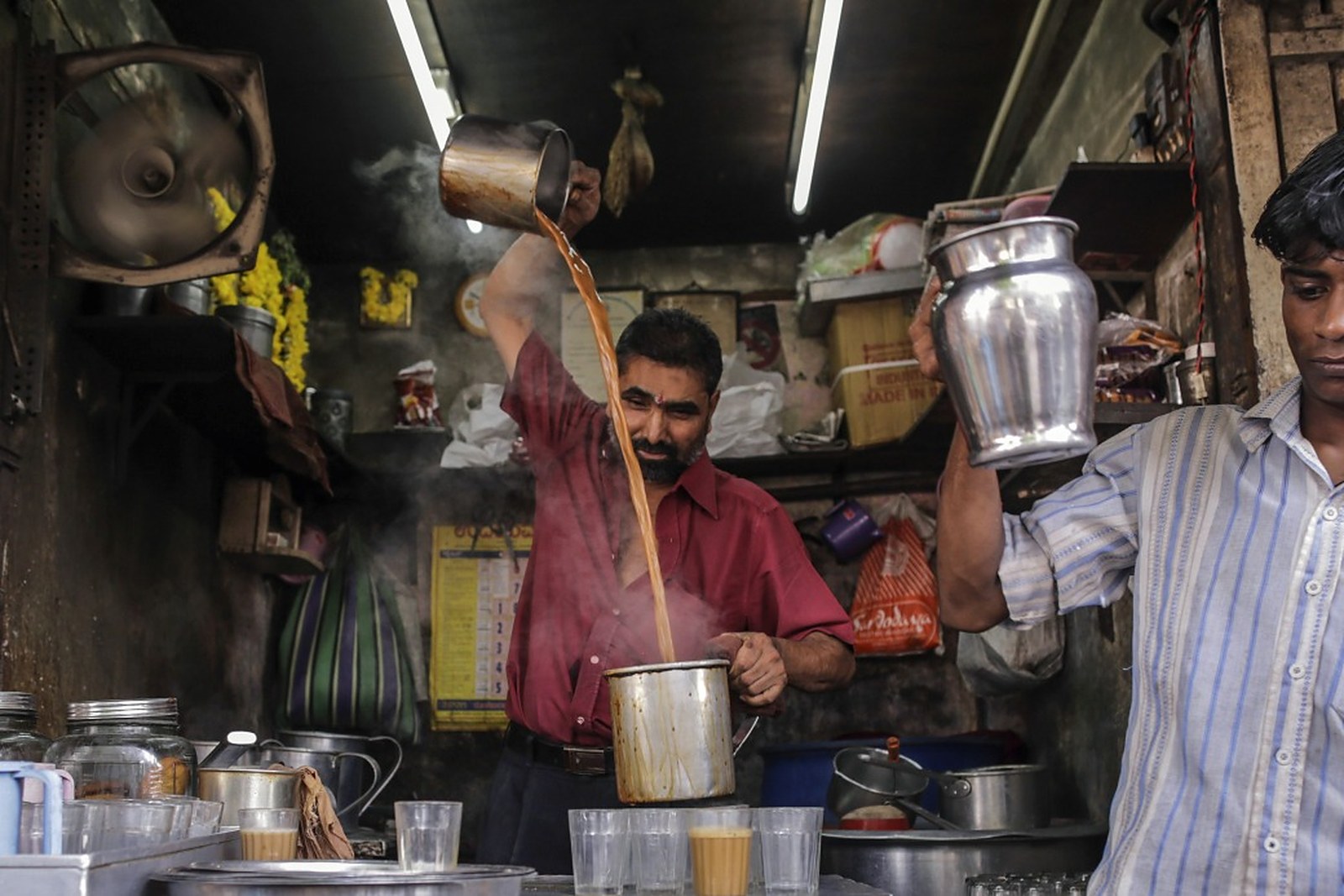
Drinking it is a standing ritual. Porters and traders line up with small change; the glass goes down in three or four swallows; the stall keeper refills before being asked for the loyal ones. Compared with the plateau’s own sweet tea, masala chiya runs warmer and more aromatic, with a spice heat that suits the cold valley evenings – and it is the third tea of Purang’s table, beside the sweet tea of the Tibetans and the salty churn of the herders.
For the traveler the stall is the most social cup in town: order at the counter, take the glass to a crate-seat, and watch the border trade go by while the pot hisses. In the cold months the stall moves indoors; in the trading season the queue runs out the door. Buy by the glass or by the thermos – a filled thermos costs little and turns the drive back over the passes into something to look forward to.
Words and Names
香料奶茶 xiāngliào nǎichá masala chiya, the spiced milk tea of the border market; 豆蔻 dòukòu cardamom, the blend’s signature spice; 玛萨拉 mǎsǎlā masala, the general word for the spice mix; 拉茶 lāchá the pull that builds the froth; 茶摊 chátān the market tea stall, the drink’s natural home. The same 阿里地区 Ālǐ Dìqū Ngari holds more flavors worth chasing: 普兰尼泊尔风味 Pǔlán Níbó’ěr fēngwèi the thali of the border kitchens, 藏式烤饼 Zàngshì kǎobǐng the everyday flatbread, 狮泉河食肆 Shīquánhé shísì the capital’s eating streets, or 札达杏 Zhádá xìng the orchard fruit of the Sutlej valley – four more doors into the same Ngari table.
What the Locals Know
Locals buy their tea by loyalty, not by menu – the stall a family uses is a standing decision, and the vendor keeps the spice blend matched to them. The morning pot is the day’s best: spices ground fresh, milk added in the first boil. All checked November 2026.
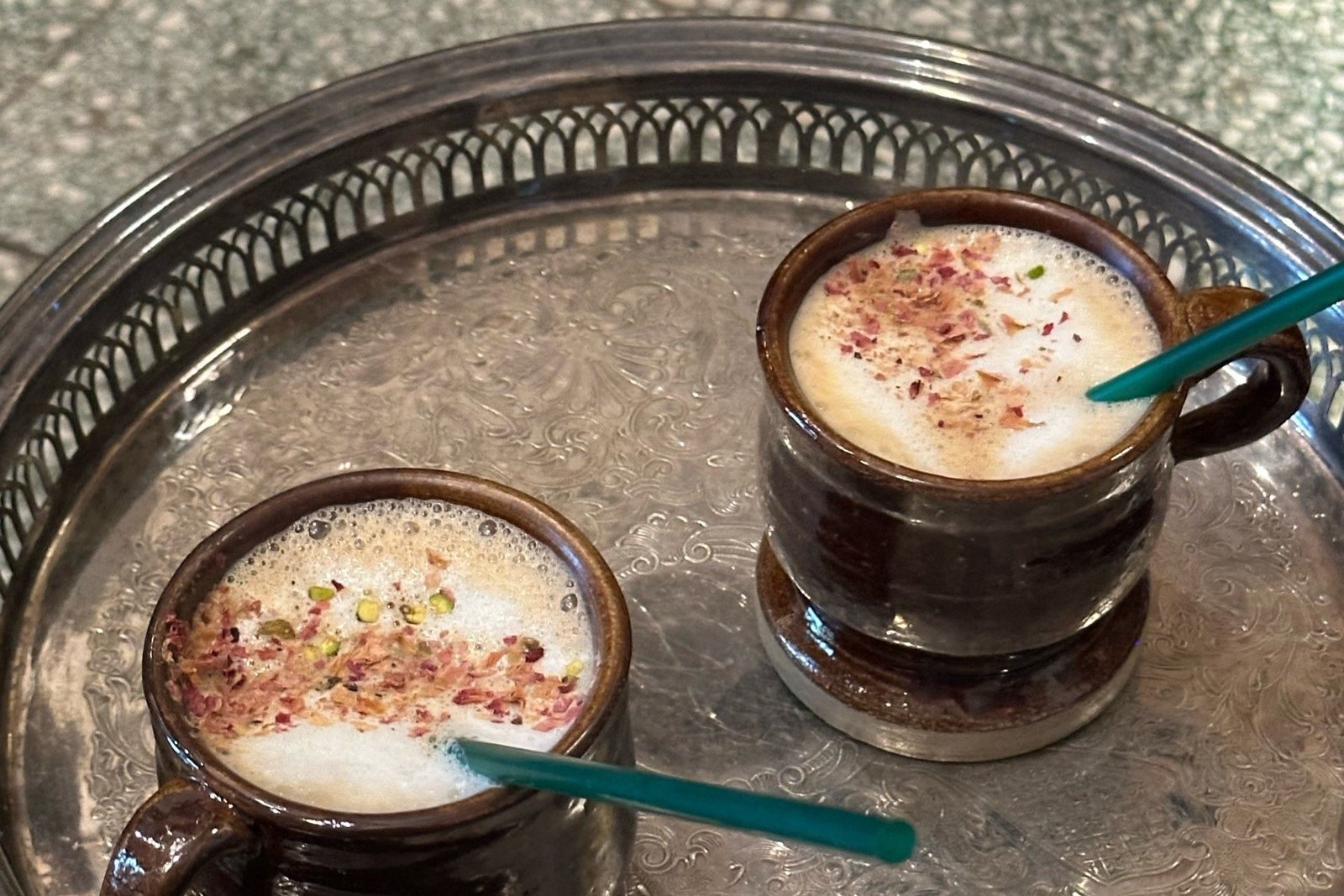
flowcloud would say Purang’s masala pot is the trade route in liquid form – every glass a small import duty paid in cardamom.
Where to find it: The tea stalls of Purang’s border-trade market serve masala chiya by the glass and thermos all day, with the fullest pots during the summer trading season; Nepali-run kitchens in town keep the same blend on order. All checked November 2026.