
Nuòmǐ yī tuán, huángdòufěn yī shēn; mǎdǎgǔn, tián dào xīn. — One ball of glutinous rice, a coat of soybean flour; the horse-rolling, sweet to the heart.
Madagun (马打滚, Mǎdǎgǔn) is the county’s traditional sweet snack: a glutinous rice ball, filled or plain, rolled in roasted soybean flour (黄豆粉) until it wears a pale-yellow coat — the “horse rolling” of the name being the vendor’s hand motion as the ball is turned in the flour. It is an old-street trade and a market-morning one, the local member of the extended soybean-flour sweet family that runs through the Sichuan-Chongqing range, and the thing to eat while walking the old town.
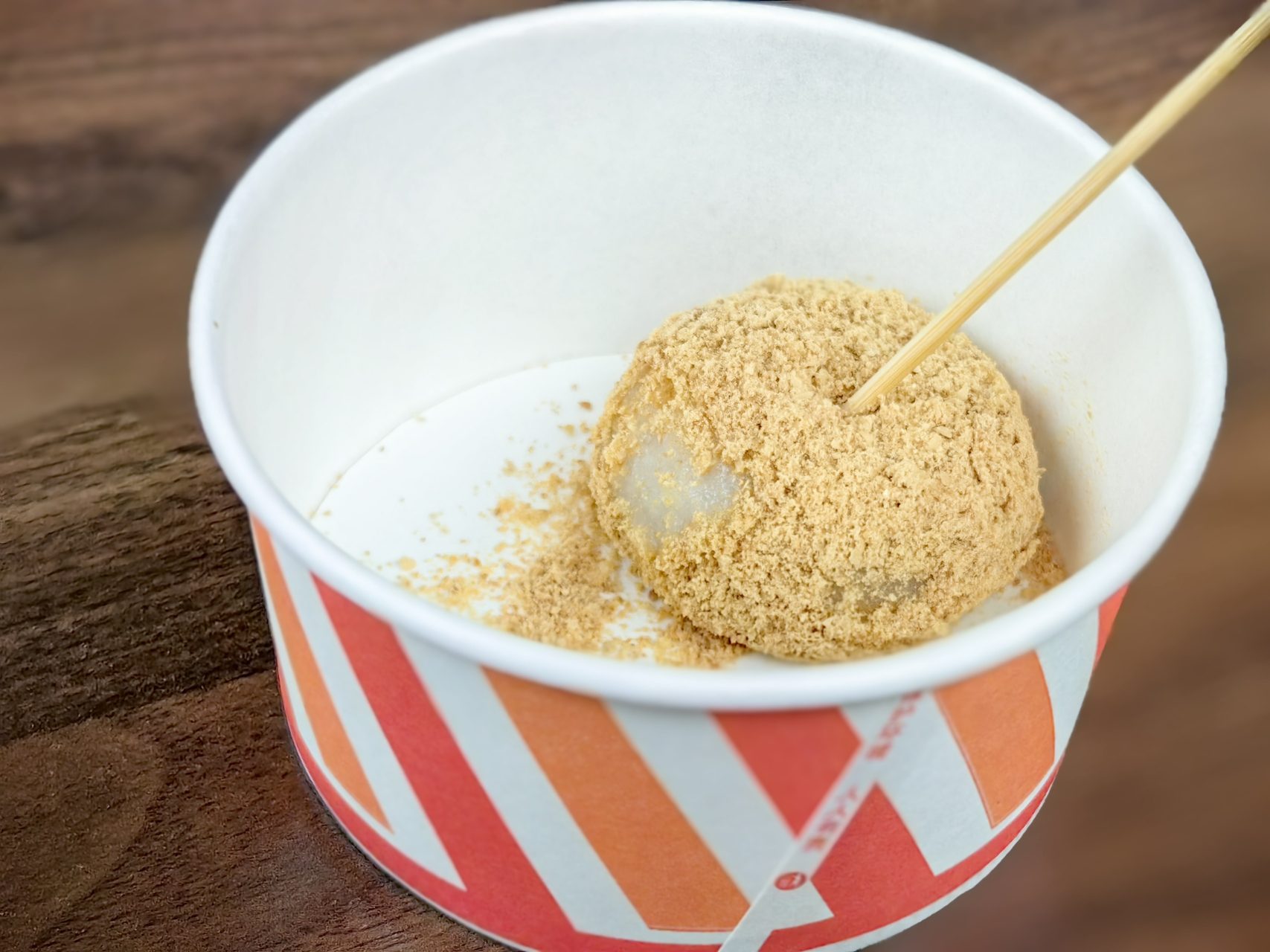
There is no cooking drama: the glutinous rice is steamed and mashed, the filling — usually sesame and sugar — is enclosed, and the ball is rolled in the roasted soybean flour that both coats and flavours it. The craft is in the rice’s warmth and the flour’s roast, and the snack is eaten almost immediately, because the rice cools and tightens within minutes. The name’s image — a horse rolling, the vendor’s wrist working the ball through the flour — is the most honest description of the method there is.
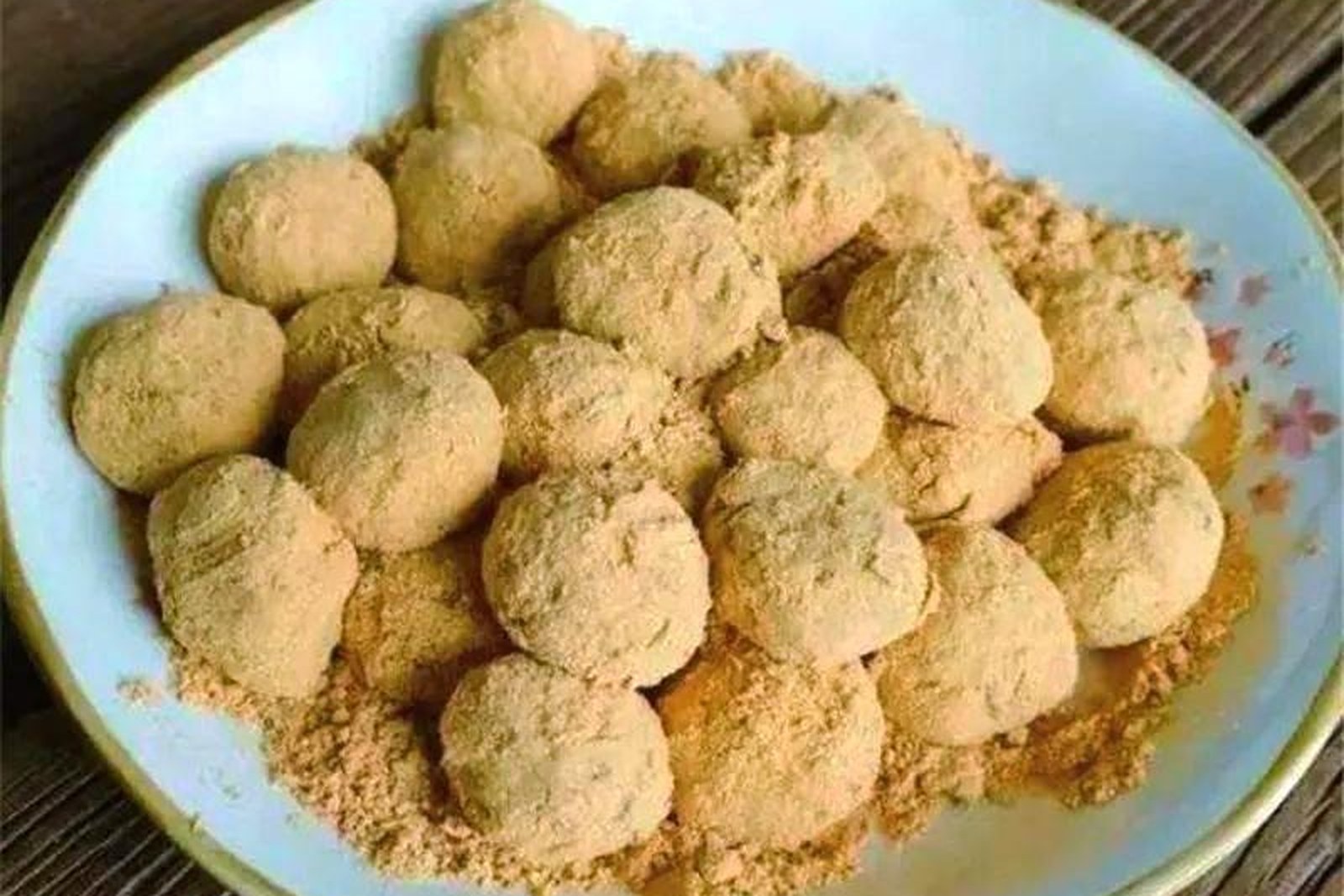
The snack is a morning-and-market trade — made fresh, sold warm, and gone by mid-morning. The correct purchase is one or two eaten on the spot from the paper cone; the rolled ball does not travel. Old-street vendors are the canonical address, and locals judge the stall by the flour’s roast rather than the filling’s sweetness.
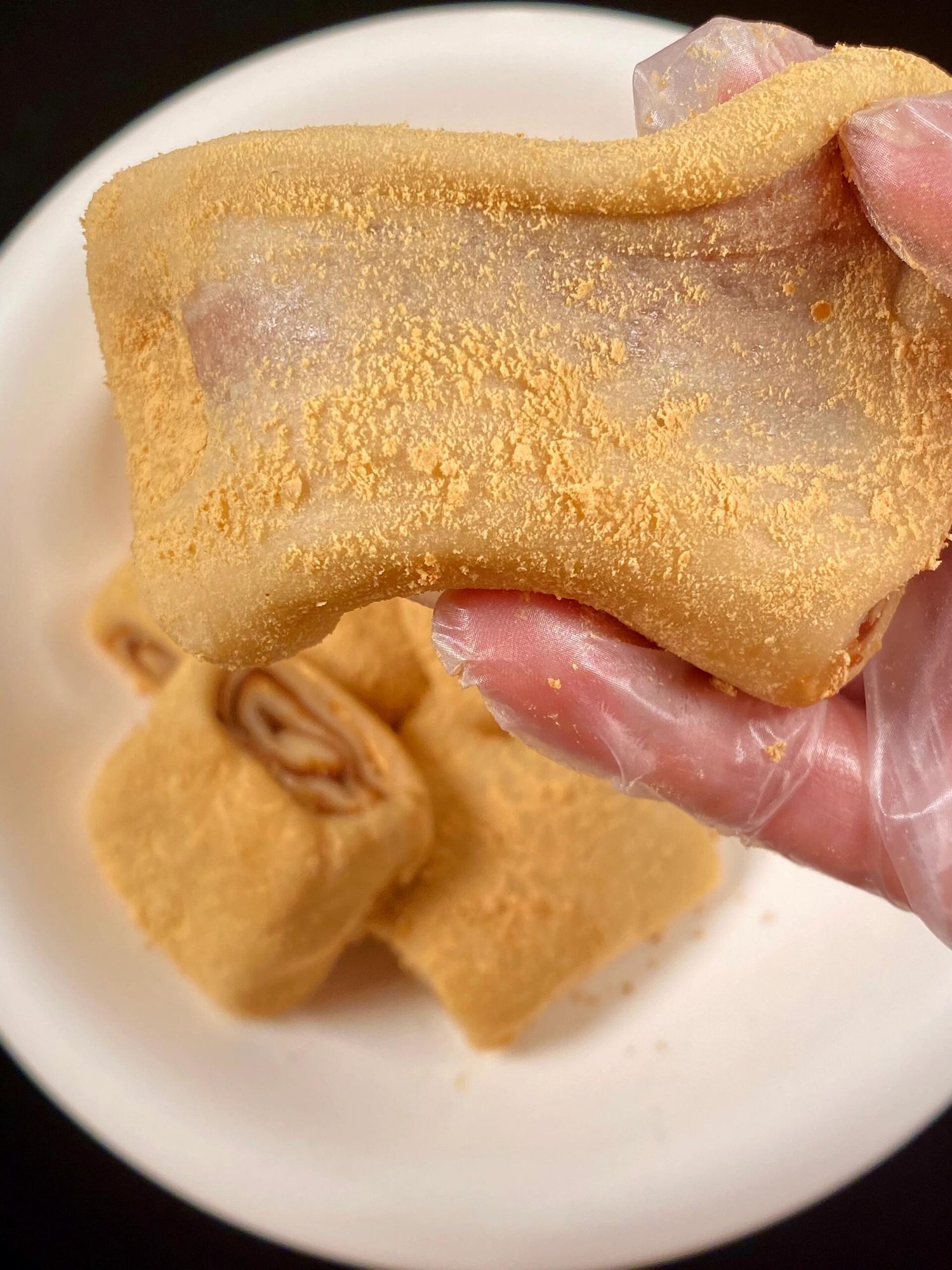
flowcloud would say that the county’s sweet is named after a horse’s motion and tastes like a roasted field — and that the best one is the one still warm in the paper.
Where to find it: the old street’s vendors on the market morning, sold warm and gone by mid-morning. All checked October 2026.
Words and Names
马打滚 mǎdǎgǔn — “horse rolling”, the snack named for the rolling motion · 黄豆粉 huángdòu fěn — roasted soybean flour, the coat · 糯米 nuòmǐ — glutinous rice, the body · 芝麻 zhīma — sesame, the usual filling