
巧家小碗糖,金沙熬月光。Qiǎojiā xiǎowǎn táng, Jīnshā áo yuèguāng – Qiaojia’s small-bowl sugar; the Jinsha River boils the moonlight.
巧家小碗红糖 Qiǎojiā Xiǎowǎn Hóngtáng Qiaojia small-bowl brown sugar is the traditional 土法 tǔfǎ earth-method sweet of 巧家县 Qiǎojiā Xiàn Qiaojia County, a hot, dry bend of the 金沙江 Jīnshā Jiāng Jinsha River (the upper 长江 Cháng Jiāng Yangtze) in the southwest of 昭通 Zhāotōng. The name says the shape: the 蔗糖 zhètáng cane sugar is boiled down in a 大锅 dàguō open pan, then ladled while still molten into small 碗 wǎn bowls where it cools and sets into a squat, domed, unrefined brown 糖块 tángkuài sugar cake, each bowl a single portion you snap with your fingers. The 巧家 Qiǎojiā version carries a 非遗 fēiyí intangible-cultural-heritage tag and a 地理标志 dìlǐ biāozhì geographical-indication mark, and the honest shape is that this is 红糖 hóngtáng brown sugar as it existed before 白糖 báitáng white refining – molasses-rich, faintly 焦香 jiāoxiāng toasty, with the 甘蔗 gānzhe cane’s own minerals left in rather than stripped out. A 小碗 xiǎowǎn bowl runs about 3-6 yuan at a 巧家 Qiǎojiā stall or market (worth confirming – the price tracks the 净重 jìngzhòng net weight and whether you buy from a 熬糖 áotáng boiler’s own 摊 tān or a reseller, and the tourist-shop 礼盒 lǐhé gift boxes multiply the number), and the thing to know is that the 小碗 xiǎowǎn form is the honesty: a bowl you can see and snap is harder to fake than a 红糖粉 hóngtáng fěn powder in a sealed bag.
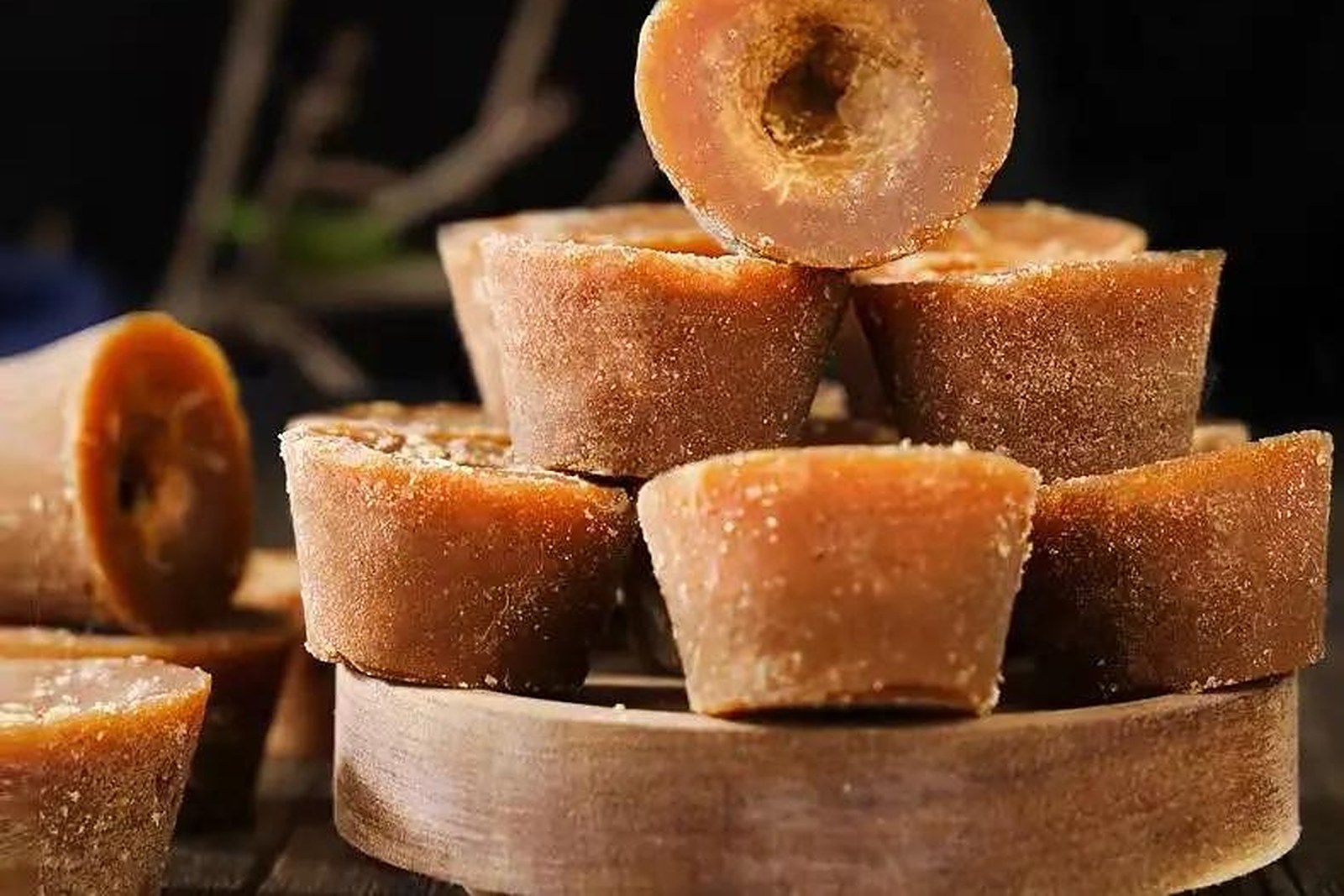
The mechanism is the boil. 巧家 Qiǎojiā sits in 金沙江 Jīnshā Jiāng river heat where 甘蔗 gānzhe sugarcane grows fat, and the old method presses the cane for 蔗汁 zhèzhī juice, strains it, and boils it in a shallow 大锅 dàguō over a 明火 mínghuǒ open fire, skimming and reducing until it thickens to the 挂丝 guàsī thread-hanging stage, then pours it into the 小碗 xiǎowǎn to set – no 二氧化硫 èryǎnghuálíu sulphur bleaching, no 活性炭 huóxìngtàn charcoal refining, which is exactly why it stays brown and keeps the 甘蔗 gānzhe scent. The comparison locals draw is with the 红糖 hóngtáng of 弥勒 Mílè Maitreya and the 古法 gǔfǎ old-method sugars of 广西 Guǎngxī Guangxi – same unrefined idea – but the 巧家 Qiǎojiā 小碗 xiǎowǎn is defined by the bowl mould and the 金沙江 Jīnshā Jiāng cane terroir, and by the 非遗 fēiyí heritage status that keeps the open-pan method alive against factory 赤砂糖 chìshātáng red granulated sugar. The 熬糖 áotáng boiling is a skill of reading the 火 huǒ fire and the 稠度 chóudù thickness by eye – too short and the 糖 táng never sets in the bowl, too long and it 焦 jiāo scorches to bitter – and the 老师傅 lǎoshīfu old masters are the only ones who get it without a thermometer, which is why the real thing still comes from a handful of 巧家 Qiǎojiā workshops rather than a 流水线 liúshuǐxiàn production line. The honest caveat for a writer is that 巧家小碗红糖 qiǎojiā xiǎowǎn hóngtáng is now a protected name that gets borrowed by 糖浆 tángjiāng syrup makers far from the 金沙江 Jīnshā Jiāng, so a bowl that says 巧家 Qiǎojiā in a distant city may be a licensed or unlicensed echo (worth confirming the origin – the genuine article is boiled in 巧家 Qiǎojiā county itself).
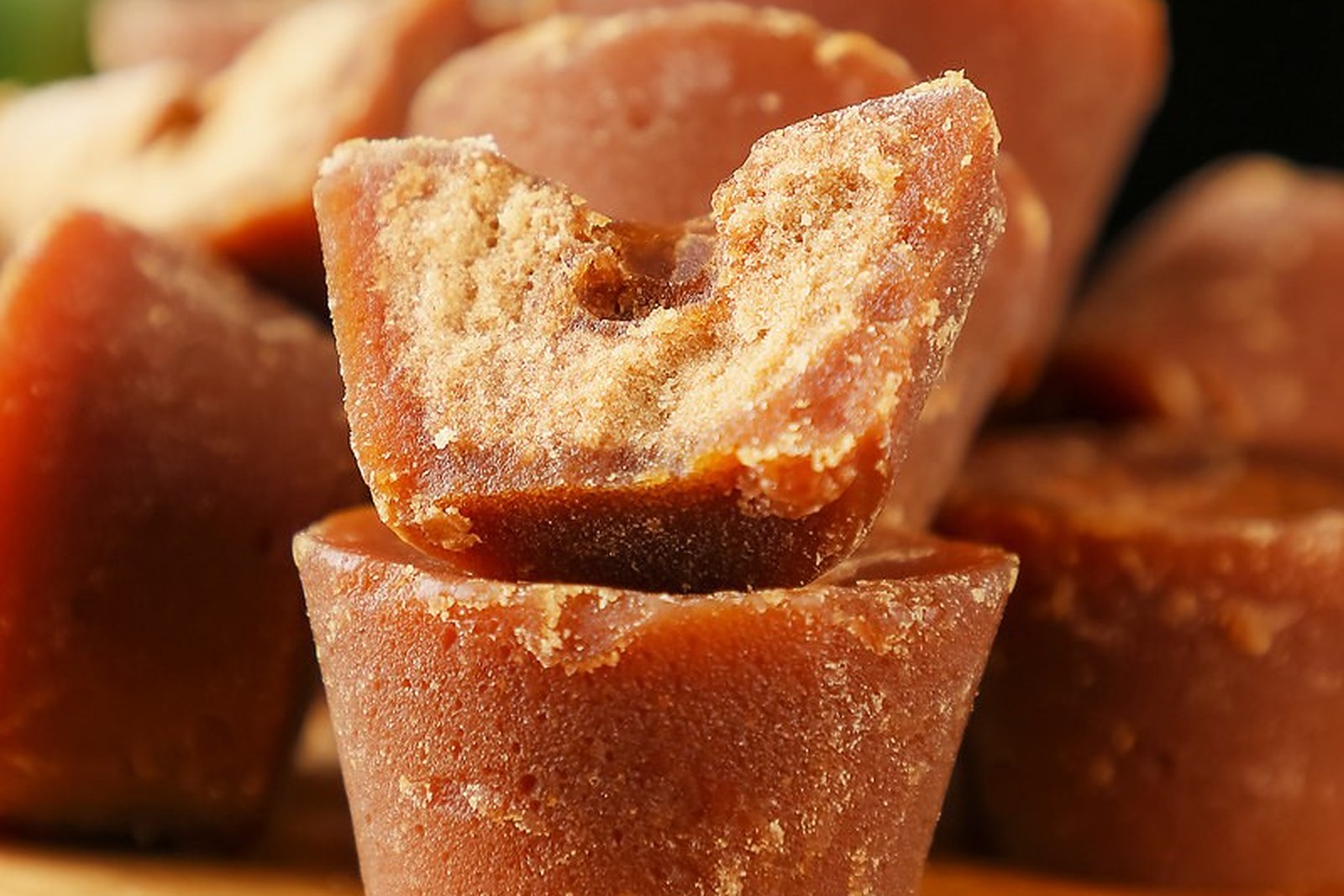
Locals eat it by the piece, dissolved into 红糖水 hóngtáng shuǐ brown-sugar water, stirred into 汤圆 tāngyuán glutinous balls, or just snapped and chewed as a 零嘴 língzuǐ sweet the way a 巧家 Qiǎojiā child grows up doing. The move, if you are a visitor, is to buy it where it is boiled – the 巧家 Qiǎojiā county workshops and the 金沙江 Jīnshā Jiāng riverside 集市 jíshì markets, where you can sometimes watch the 熬糖 áotáng pour – and to buy the 小碗 xiǎowǎn whole, not the 粉 fěn powder, because the bowl is the proof. The honest season is the 甘蔗 gānzhe crush, roughly late winter into spring (the cane is cut in the cool months and boiled straight after), and the honest test of a real 巧家 Qiǎojiā 小碗 xiǎowǎn is the break and the smell: it should snap clean with a slightly sandy 晶粒 jīnglì grain, smell of 甘蔗 gānzhe and 焦香 jiāoxiāng rather than plain 糖 táng, and leave your fingers faintly 黏 nián sticky – a bowl that is rock-hard, glassy and odourless was boiled too far or cut with 白糖 báitáng. The 巧家 Qiǎojiā river towns are where the workshops sit, though which 熬糖 áotáng house currently sells direct to visitors changes with the 非遗 fēiyí tourism push (worth confirming which workshops are open and genuinely boil on-site).
Words and Names
巧家小碗红糖 Qiǎojiā Xiǎowǎn Hóngtáng Qiaojia small-bowl brown sugar · 巧家县 Qiǎojiā Xiàn Qiaojia County · 金沙江 Jīnshā Jiāng the Jinsha River (upper Yangtze) · 红糖 Hóngtáng brown sugar · 甘蔗 Gānzhe sugarcane · 土法 Tǔfǎ traditional earth-method · 非遗 Fēiyí intangible cultural heritage · 地理标志 Dìlǐ Biāozhì geographical indication · 小碗 Xiǎowǎn the small bowl mould · 熬糖 Áotáng to boil sugar · 蔗糖 Zhètáng cane sugar · 赤砂糖 Chìshātáng red granulated sugar
What the Locals Know
- The bowl is the proof: buy the whole 小碗 xiǎowǎn, not 红糖粉 hóngtáng fěn powder, because a bowl you can see and snap is hard to fake, and the form is the honesty of the 巧家 Qiǎojiā name.
- The break tells the truth: real 小碗 xiǎowǎn snaps clean with a sandy 晶粒 jīnglì grain and smells of 甘蔗 gānzhe and 焦香 jiāoxiāng; a rock-hard, glassy, odourless bowl was boiled too far or cut with 白糖 báitáng.
- Buy where it is boiled: the genuine article is boiled in 巧家县 Qiǎojiā Xiàn itself, so a 巧家 Qiǎojiā bowl in a distant city may be a licensed or unlicensed echo – verify the origin before you pay the heritage price (worth confirming the details).
- The season is the crush: 甘蔗 gānzhe is cut and boiled in the cool months, late winter into spring, so that is when the 小碗 xiǎowǎn is freshest and the workshops are working.
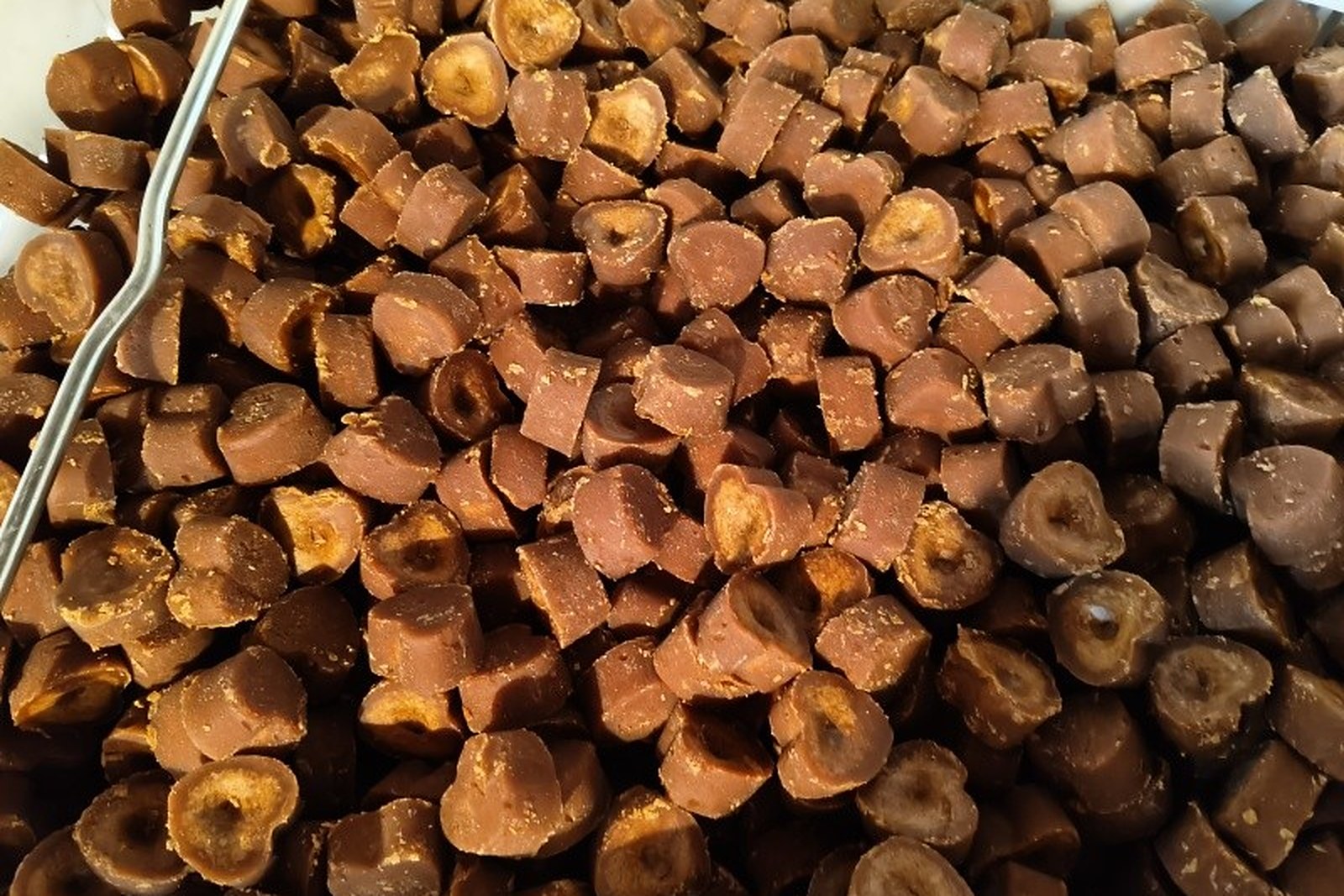
flowcloud would say that the 巧家小碗红糖 qiǎojiā xiǎowǎn hóngtáng is 巧家县 qiǎojiā xiàn’s 金沙江 jīnshā jiāng cane sugar, boiled open-pan and set in small 碗 wǎn bowls into unrefined, molasses-rich 红糖 hóngtáng – and that the honest move is to buy where it is boiled, buy the whole bowl not the powder, and snap-test it for the 甘蔗 gānzhe scent, because the bowl is the proof and the name gets borrowed far from the river. All checked October 2026.
Where to find it: 巧家县 Qiǎojiā Xiàn workshops and 金沙江 Jīnshā Jiāng riverside 集市 jíshì – a 小碗 xiǎowǎn about 3-6 yuan (worth confirming the details); buy at source, buy the whole bowl, snap-test it and watch for the 甘蔗 gānzhe smell. Qiaojia small-bowl brown sugar is the Jinsha River’s earth-boiled sweet. All checked October 2026.