
Green Shell, Gold Claw: Qilihai River Crab
青壳白肚金爪蟹,一笼蒸出稻乡秋 Qīng ké bái dù jīn zhǎo xiè, yī lóng zhēng chū dàoxiāng qiū – Green shell, white belly, gold-tipped claws; one steamer basket brings up the rice country’s autumn
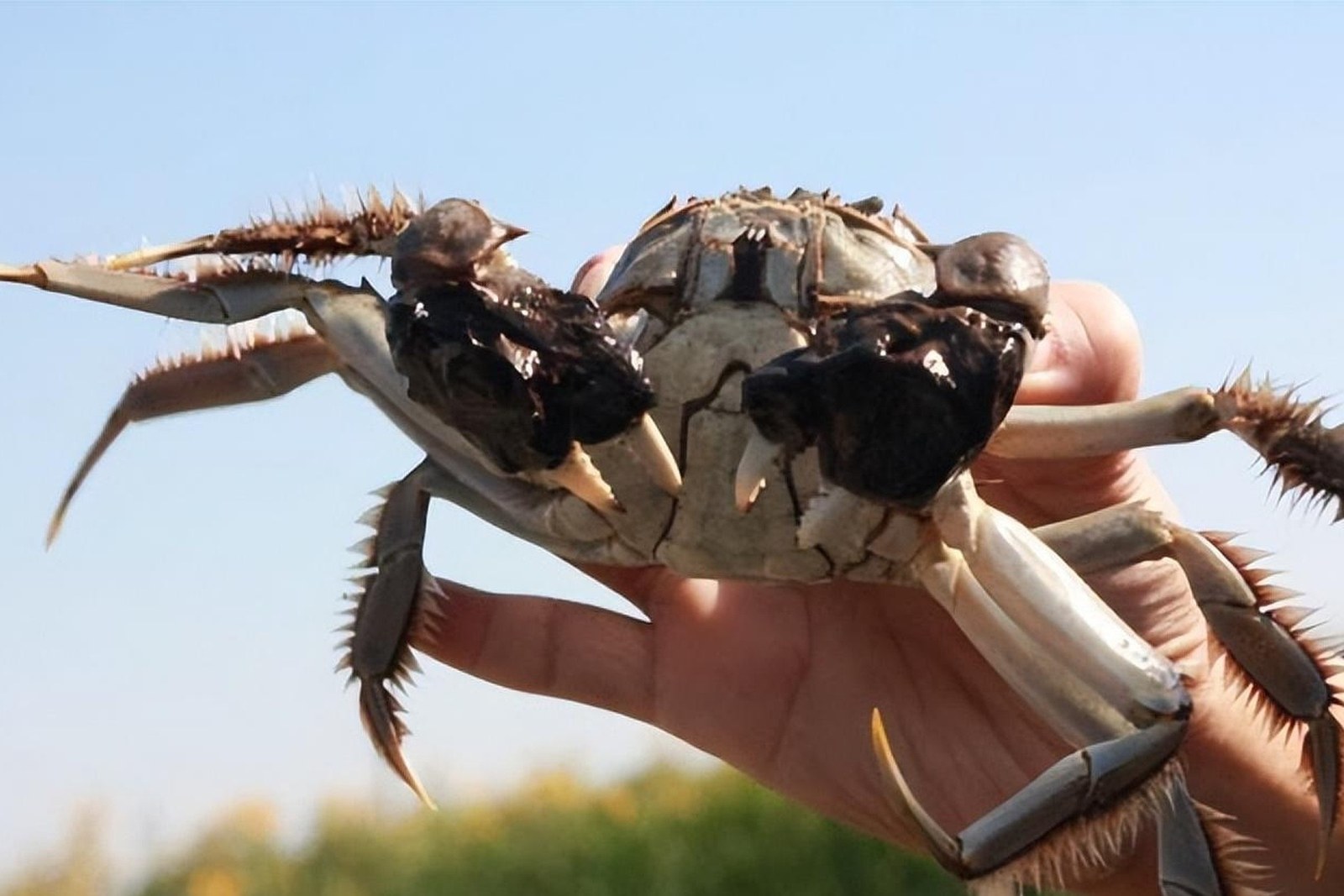
七里海河蟹 Qīlǐhǎi héxiè fattens in the reed lagoons and rice paddies around the great wetland in 天津市宁河区 Tiānjīn Shì Nínghé Qū Ninghe District – the Chinese mitten crab at its northern best, green-shelled and white-bellied with gold-tipped claws, marketed each autumn from the village depots that ring the marsh. The crab season is the county’s calendar anchor: September opens the nine-month window, October fills the gift boxes, and the rice-crab co-op fields give the trade its farm-to-table brag.
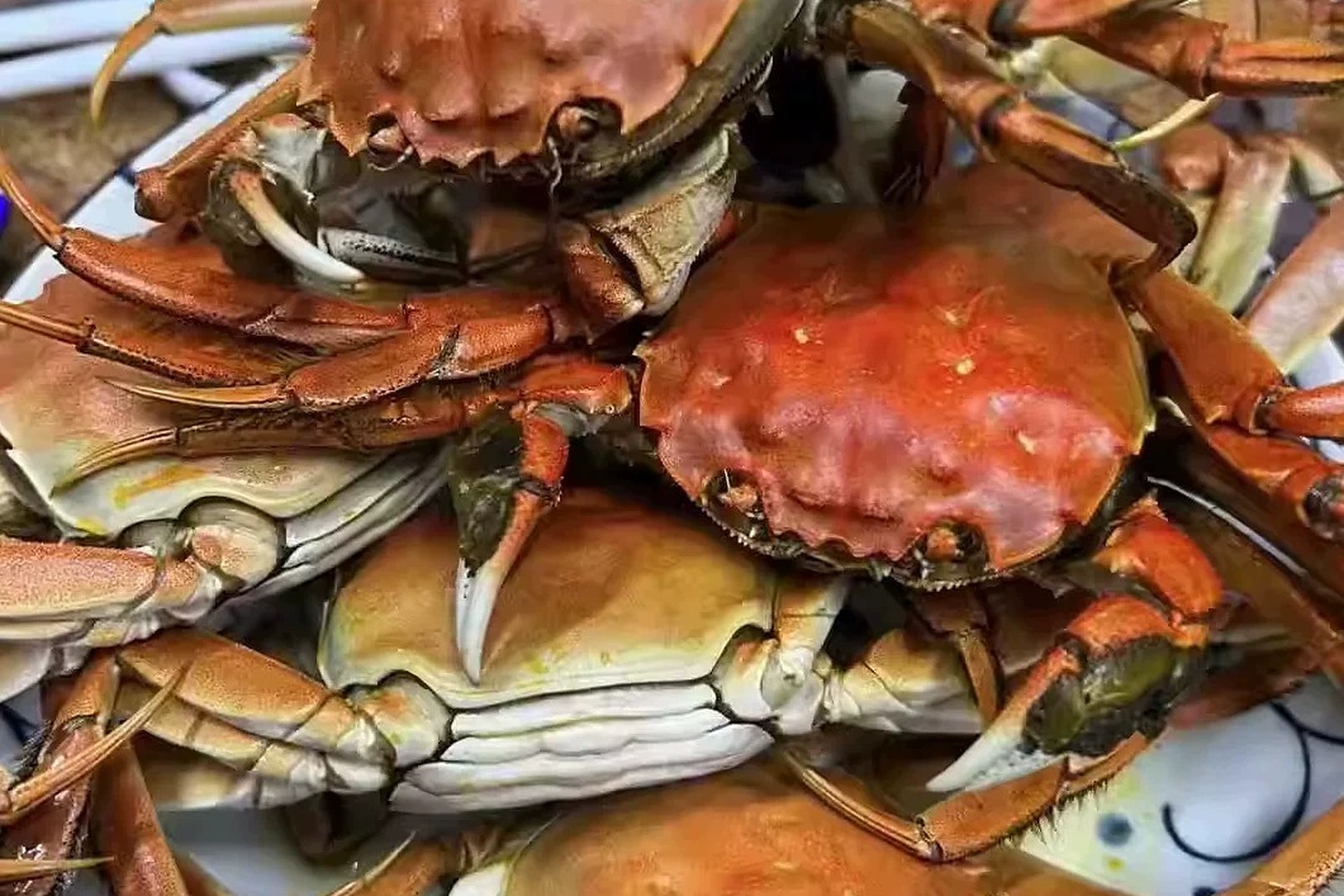
The steaming is the ritual. Live crabs go into the basket belly-up, a slice of ginger and a splash of wine go on top, and fifteen minutes later the shells come out traffic-orange with the roe set firm. The etiquette is improvised but firm – ladies first, the biggest crab to the guest, and nobody leaves the table with clean fingers and a clean conscience.
The flavor argues for the wetland. Qilihai crabs feed on the marsh’s own snails and water grass, so the meat carries a sweet, clean finish that pond-farmed crabs buy but rarely match, and the October roe runs dense enough to slice. Locals grade by claw-tip gold and belly firmness – the same sorting the depots do by hand each morning.
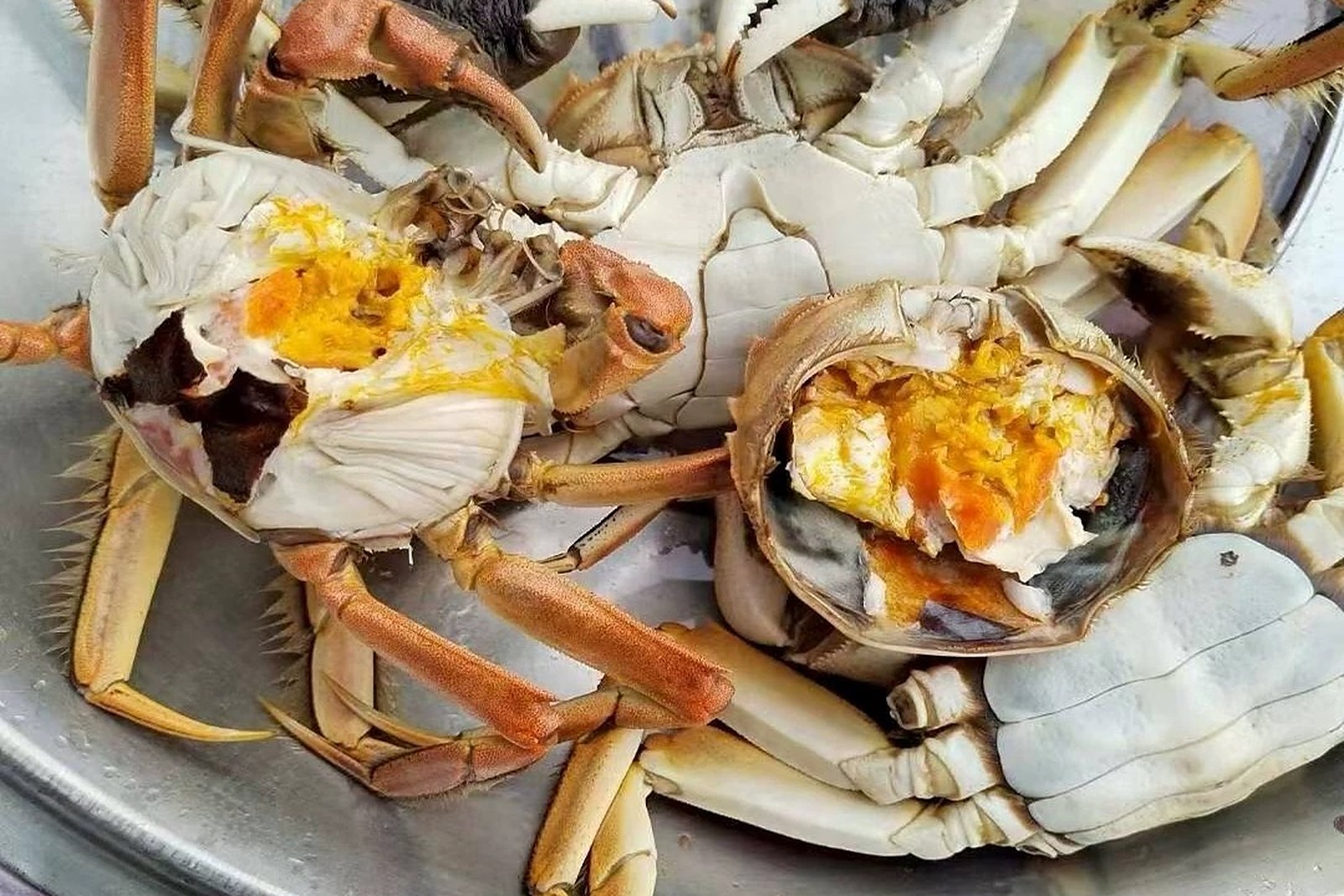
The trade keeps the county honest. Co-op paddies raise rice and crab in one flooded field – the crabs weed and fertilize, the rice shades the water – and the dual harvest lands in the same markets where Lutai families buy their festival crabs. Gift boxes travel as far as Beijing; the eat-in-season advice travels better.
The same 天津市宁河区 Tiānjīn Shì Nínghé Qū Ninghe District holds more flavors worth chasing: 七里海河蟹面 Qīlǐhǎi héxiè miàn the crab-roe noodles, 芦台春酒 Lútái Chūn jiǔ the district’s house spirit, 老二位熏肉 Lǎo èrwèi xūnròu the smoked meats of Lutai, or 杨泗八大碗 Yángsì bādà wǎn the village feast of eight bowls – four more doors into the same Ninghe table.
Words and Names
河蟹 héxiè river crab, the Chinese mitten crab; 七里海 Qīlǐhǎi the wetland that flavors it; 蟹黄 xièhuáng the roe, autumn’s prize; 稻蟹混养 dào xiè hùnyǎng the rice-crab co-farming system; 蒸蟹 zhēng xiè the steaming ritual.
What the Locals Know
The lunar calendar picks your crab: females carry the early roe, males fill out later, and locals order by the festival ahead rather than the menu. Depot price swings beat the markets by a fifth – go at dawn, watch the sorting, and buy the claws-gold grade the depot keeps for regulars. And never skip the ginger tea after; the county swears the pairing is why the crab never argues back. All checked November 2026.
flowcloud would say Qilihai crab is the wetland’s dividend: reed-filtered water, rice-paddy staging, and a roe season the whole corridor sets its calendar by.
Where to find it: The wetland-ring village depots sell the morning catch, the Lutai markets stock the co-op boxes, and the marsh-edge restaurants steam to order through the season. All checked November 2026.