
Silk Shrimp from a Hot Wok: Qingchao Xiaren
河海白虾凝雪色,一勺滑油火候清 Héhǎi báixiā níng xuěsè, yī sháo huáyóu huǒhou qīng – River and sea shrimp set to snow-white; one ladle of sliding oil keeps the heat honest
清炒虾仁 qīngchǎo xiārén Qingchao xiaren is the plain-words test of a Tianjin wok – whole shrimp tails, shelled raw and flash-fried to a translucent white, served glossy but untouched by heavy sauce. On the tables of 天津市东丽区 Tiānjīn Shì Dōnglì Qū Dongli District it plays the same role it plays across the city: the dish a family orders to see whether the kitchen can actually cook, because with nothing to hide behind, the shrimp must be sweet, the glaze silk-thin, and the timing exact.
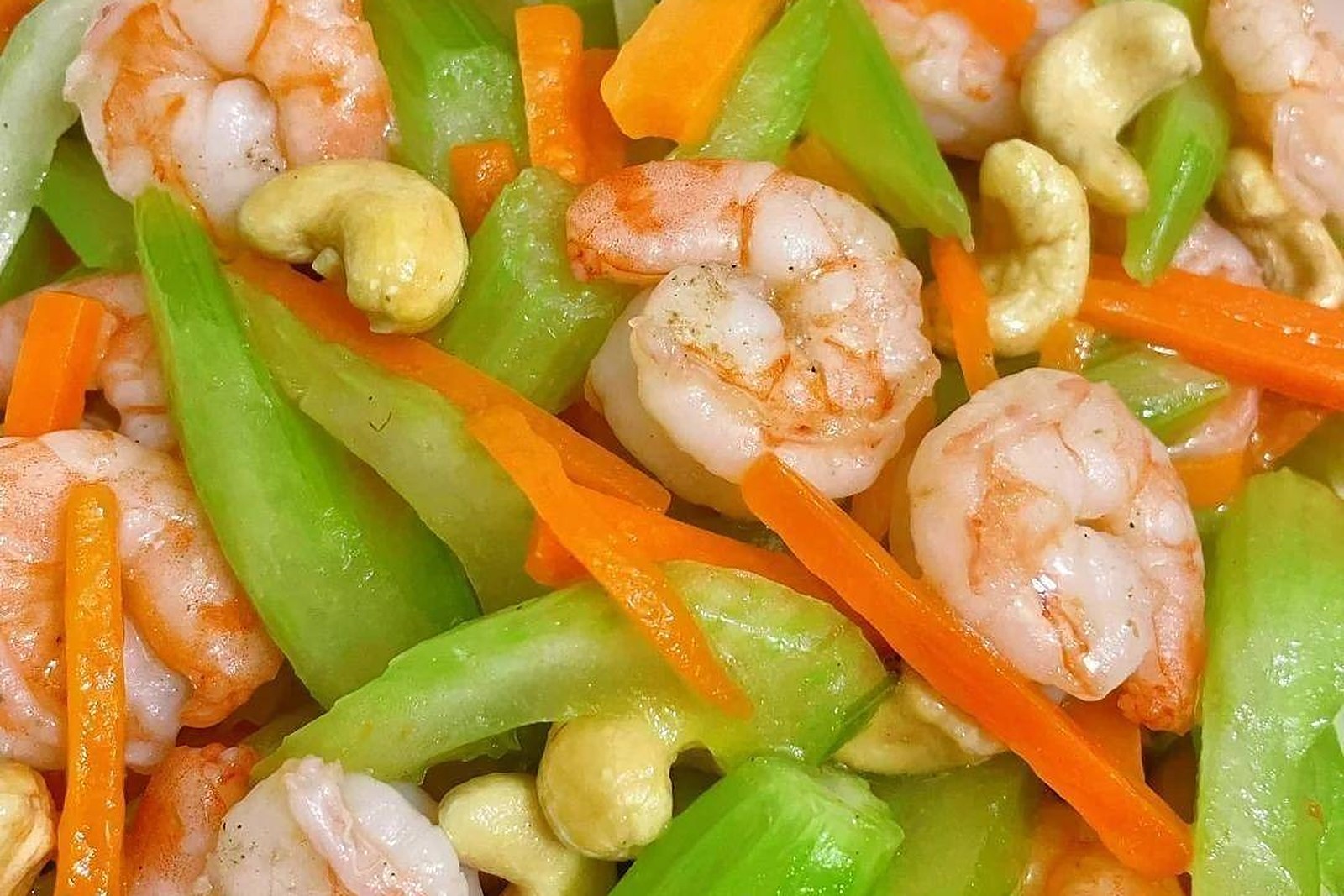
The craft starts before the wok lights. Fresh shrimp are peeled by hand and rested in a marinade of egg white and starch – the 上浆 shàngjiāng velveting that armor-plates each tail against the oil. The wok then takes warm, not roaring, oil: the shrimp slide in, whiten at the edges in seconds, and come out while their centers still blush. A second breath of heat returns them to the pan with seasoning and a thin starch glaze that coats instead of pooling.
The flavor is the point of the restraint. Tianjin sits where river meets sea, and the local shrimp carry a mineral sweetness that heavier cooking drowns – so the classic version adds almost nothing: a whisper of salt, maybe a trace of the egg white’s richness. Kitchens that want texture tuck in celery or cashews; home versions scatter cucumber. The plate should leave no red oil slick and no puddle – 清炒 qīngchǎo means clean-fry, and the phrase polices the pan.
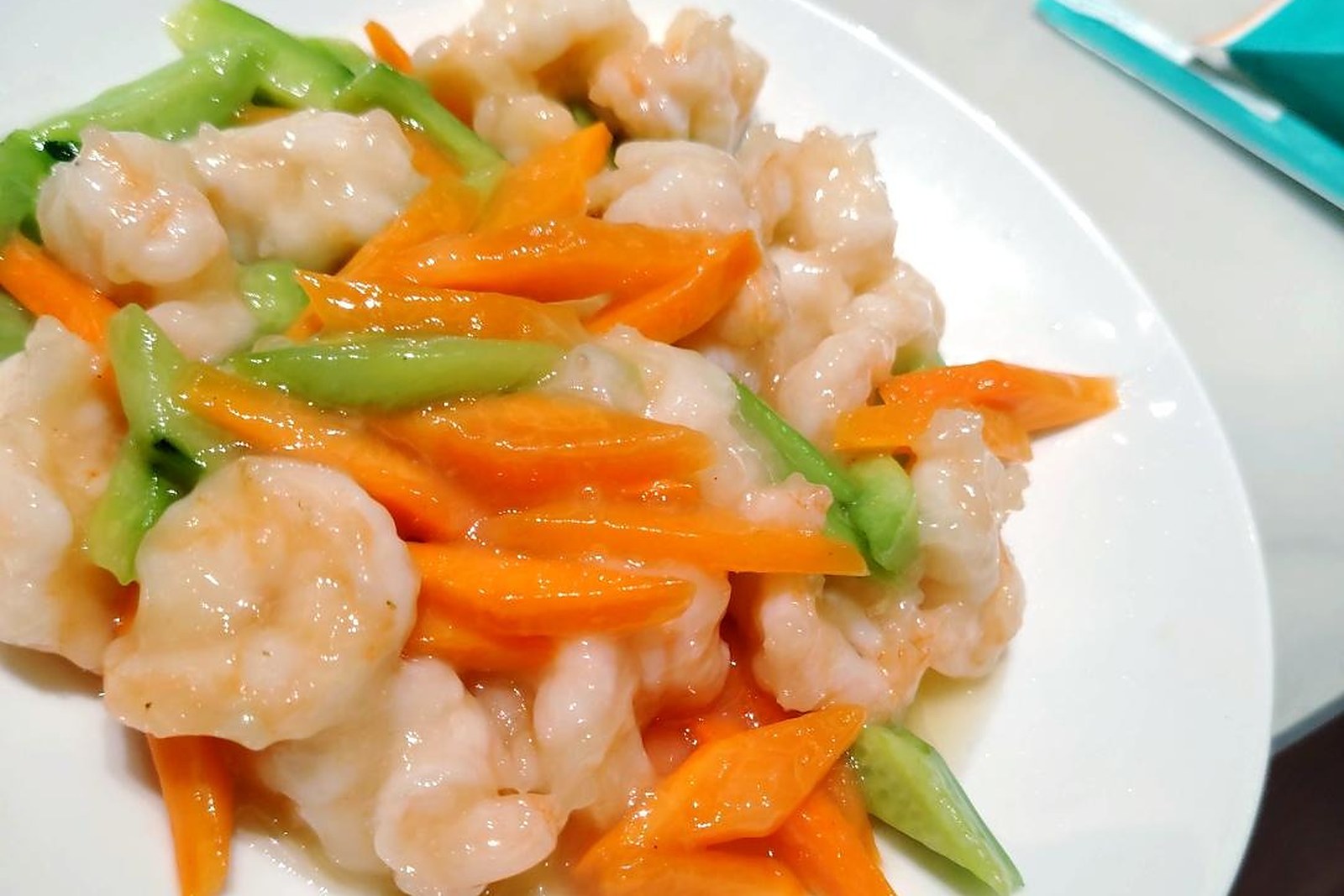
Order it early in a banquet as the calibration dish, or late at night over rice when something light is owed. Elders claim it for the soft-toothed table, children steal it for the sweet snap, and the cook who nails it – bounce in the bite, sheen on the glaze, no shrink – earns the sort of quiet nod that matters more than any banner over the door.
The same district holds more flavors worth chasing: 军粮城稻米 Jūnliángchéng dàomǐ the granary-town rice, 糖炒栗子 tángchào lìzi the sugar-roasted chestnuts, 银丝卷 yínsījuǎn the thousand-thread rolls, or 锅贴 guōtiē the laced pan-fries – four more doors into the same Dongli District table.
Words and Names
虾仁 xiārén the shelled shrimp tail; 上浆 shàngjiāng the egg-white-and-starch velveting; 滑炒 huáchǎo the slide-fry in warm oil; 白虾 báixiā the pale shrimp of the Tianjin river-sea flats; 本味 běnwèi the true plain taste that clean-frying protects.
What the Locals Know
Shrimp in season is the whole argument – spring and early summer batches are sweetest, and a good kitchen will tell you what arrived that morning. The dish rides or dies on the velveting: shrimp that arrive tough or rubbery skipped the egg-white rest, and regulars send that plate back without apology. Leftovers never are – finish them cold over rice the next morning. All checked November 2026.
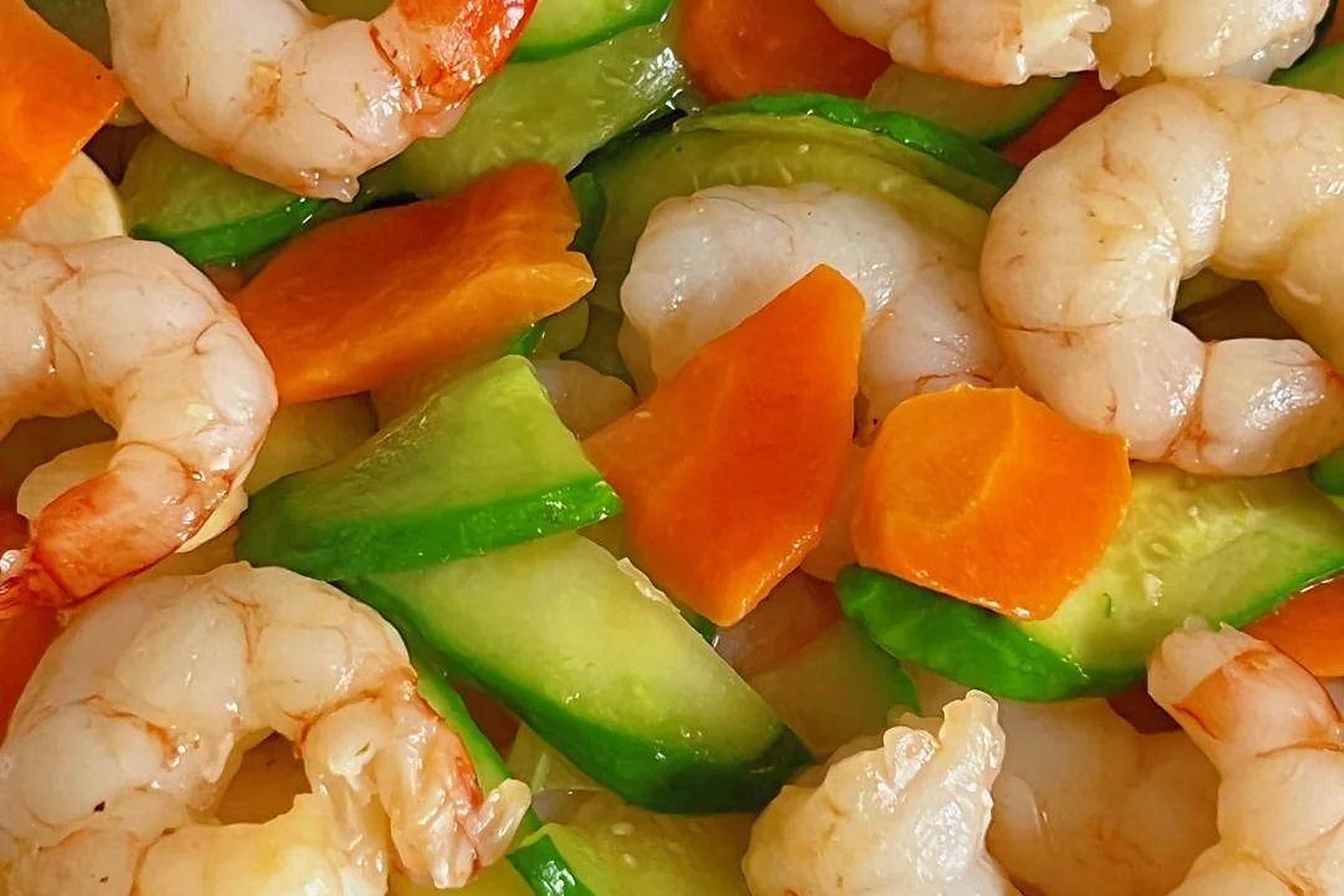
flowcloud would say qingchao xiaren is the wok’s handwriting sample: no ink to hide in, just silk-white characters formed in seconds at exactly the right heat.
Where to find it: Family restaurants and hotel tables across 天津市东丽区 Tiānjīn Shì Dōnglì Qū Dongli District keep 清炒虾仁 qīngchǎo xiārén on the menu – order by name and ask for the shrimp velveted light. All checked November 2026.