
Qinggang Mushroom — the Monsoon Harvest Under the Oaks
雨过青冈菌子出,山家一味胜八珍 Yǔ guò qīnggāng jùnzi chū, shānjiā yī wèi shèng bāzhēn – Rain passes and the mushrooms rise beneath the oaks; one mountain flavor outshines eight delicacies
青冈菌 Qīnggāng Jùn Under the 青冈树 qīnggāng shù evergreen oaks that clothe 林芝市 Línzhī Shì Nyingchi’s lower valleys, each summer rain brings a quiet, valuable harvest: qinggang mushrooms, the wild fungi that fruit in rings beneath the trees from June to September. Locals walk the same slopes at dawn, brushing caps out of the leaf litter with sticks.
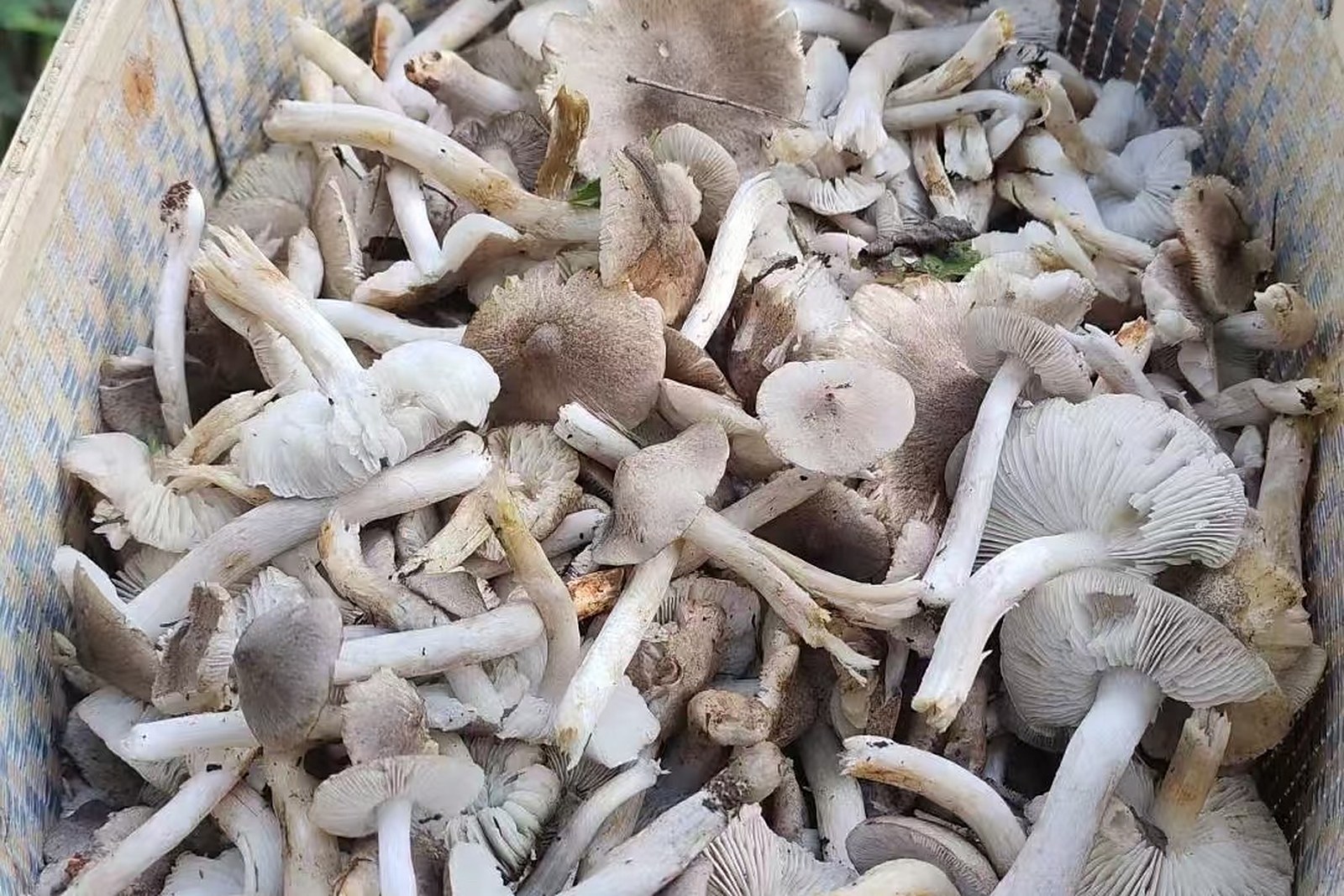
The kitchen treatment is deliberately plain, because the mushroom needs no help. Flash-fried with garlic and local chilies, it arrives as the plate that defines the season; simmered into chicken soup beside the stone pot, it turns the broth earthy and sweet; grilled over charcoal with butter and salt, it tastes of the forest directly. The best kinds carry firm white flesh and a deep woody aroma that survives cooking where cultivated mushrooms fade.
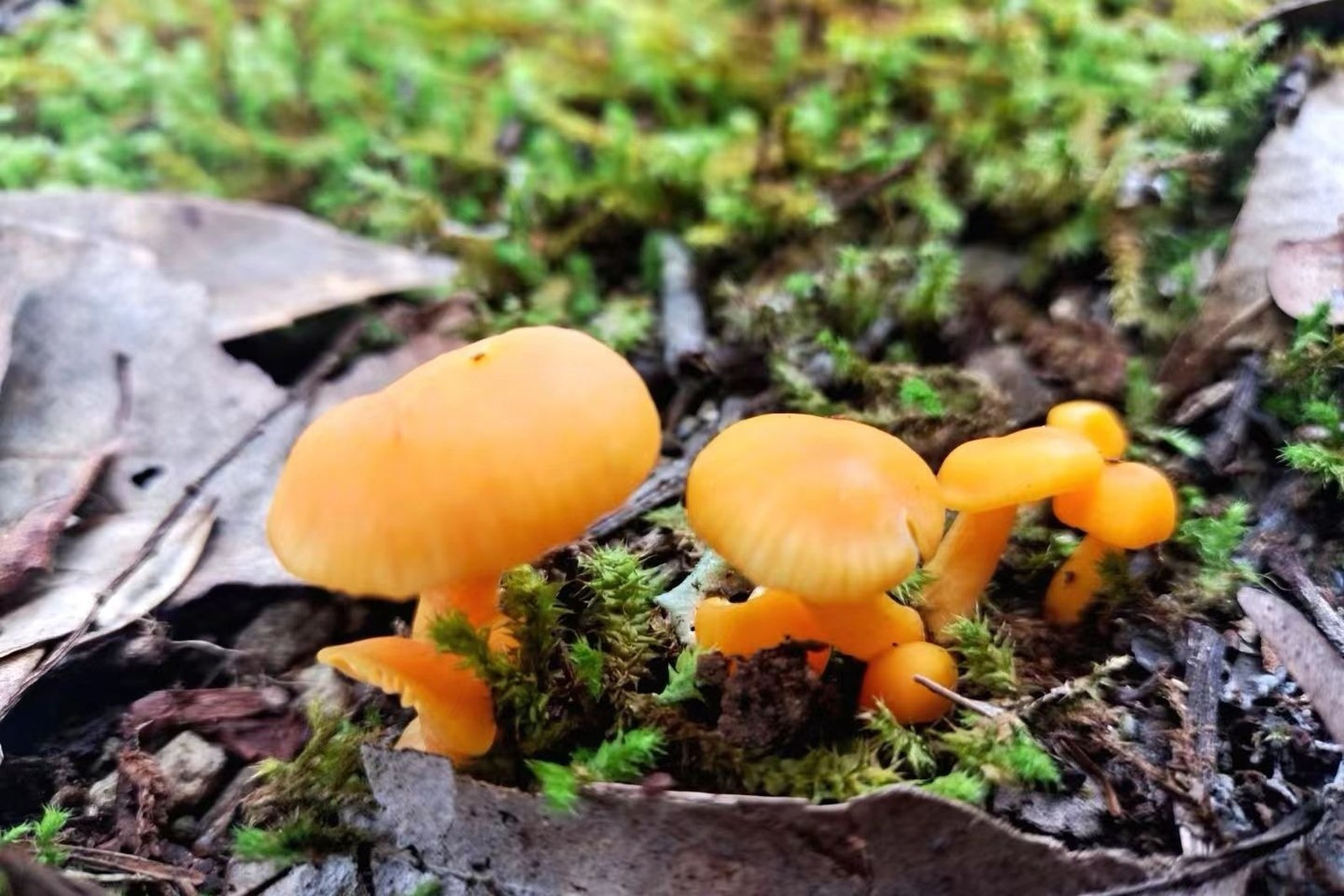
Village markets stack baskets of fresh caps in the rain months at prices far gentler than the prized 松茸 sōngróng matsutake beside them – and many locals quietly prefer the qinggang. Foraging has its grammar, and visitors learn it fast: the mushroom follows the rain and the oak, never the schedule; a good week can empty a slope in two days.
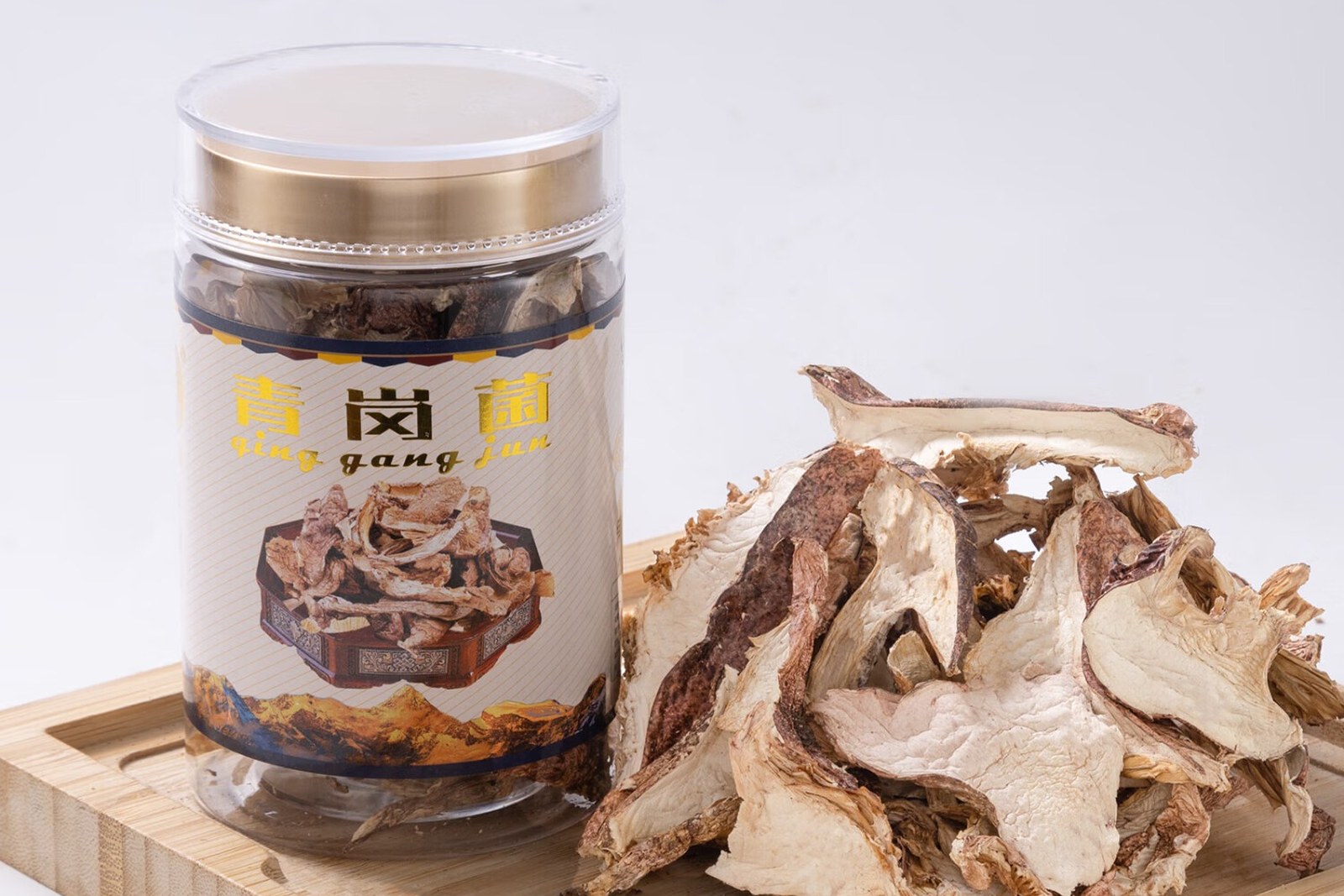
Guesthouses in the mushroom valleys cook up guests’ own purchases, market sellers clean and sort by kind, and the first fresh plates of the season are an event the whole village marks. Eat them in season or not at all – dried qinggang trades convenience for most of its aroma, and the frozen versions of other regions are a different vegetable. On the plateau in the wet months, a plate of oak-forest mushrooms with a bowl of rice is the local taste of monsoon.
Words and Names
青冈菌 Qīnggāng Jùn the wild mushrooms of the evergreen oak woods; 青冈树 qīnggāng shù the evergreen oak that clothes the lower valleys; 松茸 sōngróng matsutake, the pricier neighbor in the market baskets; 雨季 yǔjì the rain season, June to September, that sets the harvest; 菌子山 jùnzi shān the mushroom slopes the families walk each morning. The same 林芝市 Línzhī Shì Nyingchi holds more flavors worth chasing: 鲁朗石锅鸡 Lǔlǎng shíguō jī the stone-pot chicken that shares the stove, 藏香猪 Zàngxiāng Zhū the forest pig of the same oak woods, 波密蜂蜜 Bōmì Fēngmì the valley honey sweetening the tea, or 墨脱荞麦饼 Mòtuō Qiáomài Bǐng the buckwheat bread of the hidden land – four more doors into the same Nyingchi table.
What the Locals Know
Buy by smell, not size – a strong forest aroma beats a big cap every time, and older sellers can sort a mixed basket at a glance. Cook them the day they are picked; the fridge is a flavor tax. And never buy the cleaned, wrapped supermarket packs: half the aroma is already gone, and the price doubles for the packaging. All checked November 2026.
flowcloud would say qinggang mushroom is the rain made edible – the monsoon’s answer, served with garlic and rice.
Where to find it: Village markets around Lulang and the forest-sea valleys stack fresh baskets through the rain months; guesthouse kitchens cook guests’ purchases, and Bayi’s restaurants run seasonal wild-mushroom menus from June. All checked November 2026.