
红99 Hóng Jiǔjiǔ, Hong Jiujiu, the red 99, is the hotpot base brand of 重庆红九九食品 Chóngqìng Hóng Jiǔjiǔ Shípǐn, Chongqing Hong Sanjiu Food, a company founded in 1993 and headquartered in 大渡口区 Dàdùkǒu Qū, Dadukou District, with eleven production lines and an annual capacity reported around one hundred thousand tonnes. The product is the brick of pressed chilli, 豆瓣 dòubàn broad bean paste and spice that a home cook drops into oil and water, and the district names it among its signature foods, so this is a factory story with the numbers attributed to the company and the district rather than to a restaurant. The works that defined Dadukou are gone, but a food factory on this ground is the kind of thing the district now names with pride, and Hong Jiujiu is the one it names first.
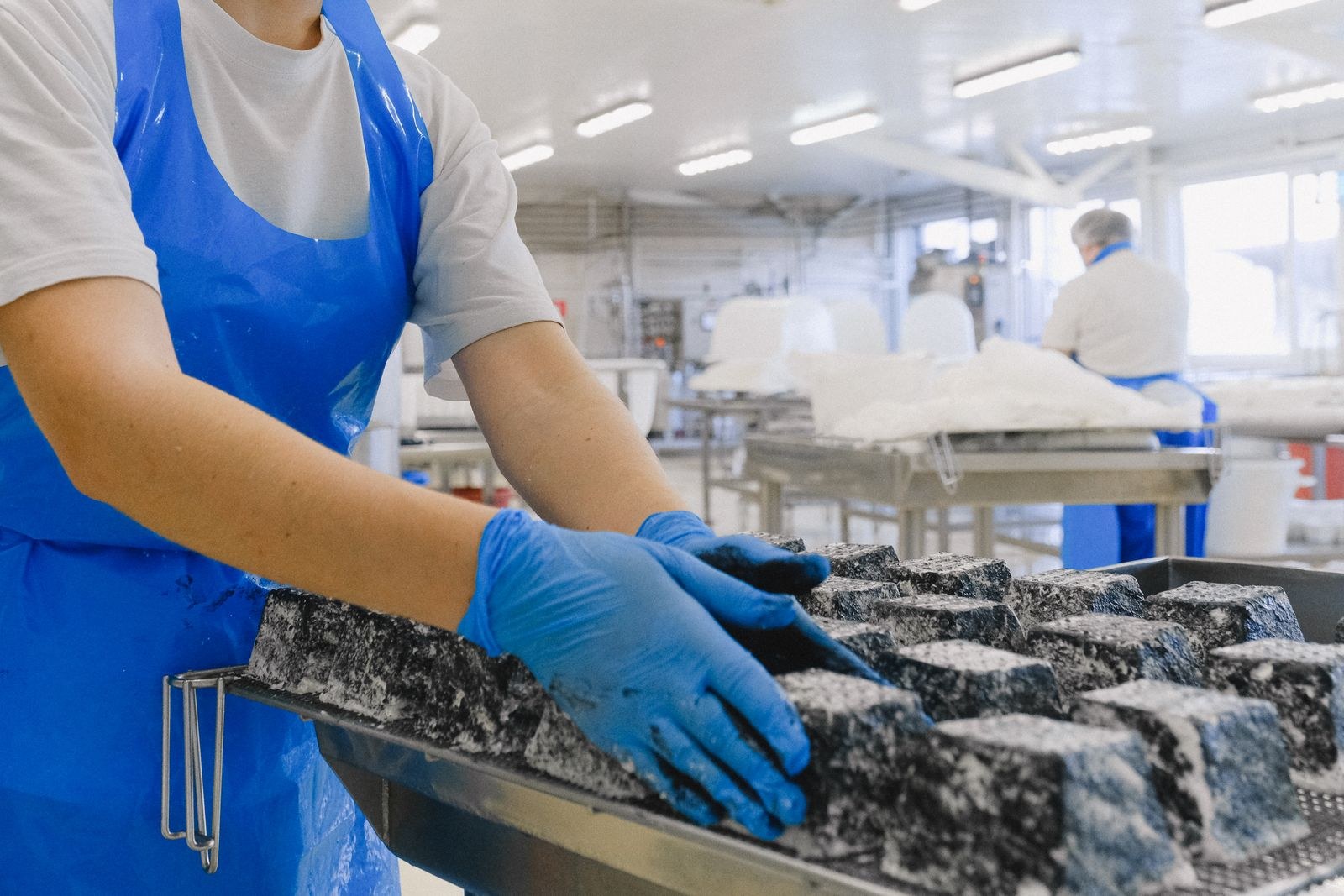
What the customer actually buys is a cube, and the cube is the whole dish in concentrated form. A hotpot base brick is pressed from chilli, 豆瓣 broad bean paste, 花椒 huājiāo Sichuan pepper, ginger, garlic and a long list of spices into a block that melts into oil and water to become the cooking liquor, and the home version is the reason the brand exists: you do not order this, you cook it. Hong Jiujiu’s brick is the one the district’s own food literature puts at the head of its list, and the company’s scale – eleven lines, a reported one-hundred-thousand-tonne annual capacity – is the sort of figure a district publishes about a local flagship rather than about a back-street workshop. The founding year, 1993, places the company in the decade after the steel works had defined the district, which is the honest timeline: the food industry here is newer than the steel, not older.
The numbers are the argument, and they are the company’s and the district’s rather than a travel writer’s. Eleven production lines is a specific plant scale, and an annual capacity reported around one hundred thousand tonnes is a specific output, both of which the district repeats in its signature-foods material, and neither is a restaurant address because neither needs to be. Hong Sanjiu is headquartered in Dadukou, which is why the brand belongs to this district page and not to a generic Chongqing hotpot entry, and the factory story is the point: a reader who wants the brick can look for the red 99 on a shelf, and a reader who wants a bowl can cook one. What the page refuses to do is attach a per-head price or a restaurant name, because the product is a grocery item and the record gives no eatery.
The composition is worth a sentence because it is the only part a cook controls indirectly. The brick carries chilli and broad bean paste as its backbone, with Sichuan pepper and the spice list giving it the numbness and the warmth that a Chongqing hotpot is judged by, and the home cook’s only decision is how much oil and water to add and how long to simmer before the meat goes in. Hong Jiujiu is named by the district as a signature food rather than as a restaurant, which is the distinction that keeps this page a factory story: the brand is a maker on a measured scale in Dadukou, and the thing to buy is the brick, not a seat. No founding-anniversary claim, no telephone and no tour are on the record, and none is invented.
What the district does not publish is a visitor route, and that silence is the finding rather than a gap. A food factory of this scale is not on any open-tour list the sources consulted, so the practical answer to where to find it is the retail shelf and the online listing, not a gate. The honest shape of the article is therefore a factory-and-product page: the company, the year, the lines, the capacity and the brick, with the district’s own naming carrying the rest.
Words and Names
红99 Hóng Jiǔjiǔ, Hong Jiujiu, the hotpot base brand of 重庆红九九食品 Chongqing Hong Sanjiu Food, founded 1993, headquartered in 大渡口区 Dadukou District, with eleven production lines and an annual capacity reported around one hundred thousand tonnes; the product is a pressed brick of chilli, 豆瓣 broad bean paste, 花椒 Sichuan pepper, ginger, garlic and spice that a home cook melts into oil and water to make the cooking liquor, rather than a dish served in a restaurant. The district names Hong Jiujiu among its signature foods, which is why the brand belongs to this Dadukou page as a factory story with company and district figures rather than as an eatery. No founding-anniversary claim, telephone or factory tour is on the public record, and none is invented here.
What the Locals Know
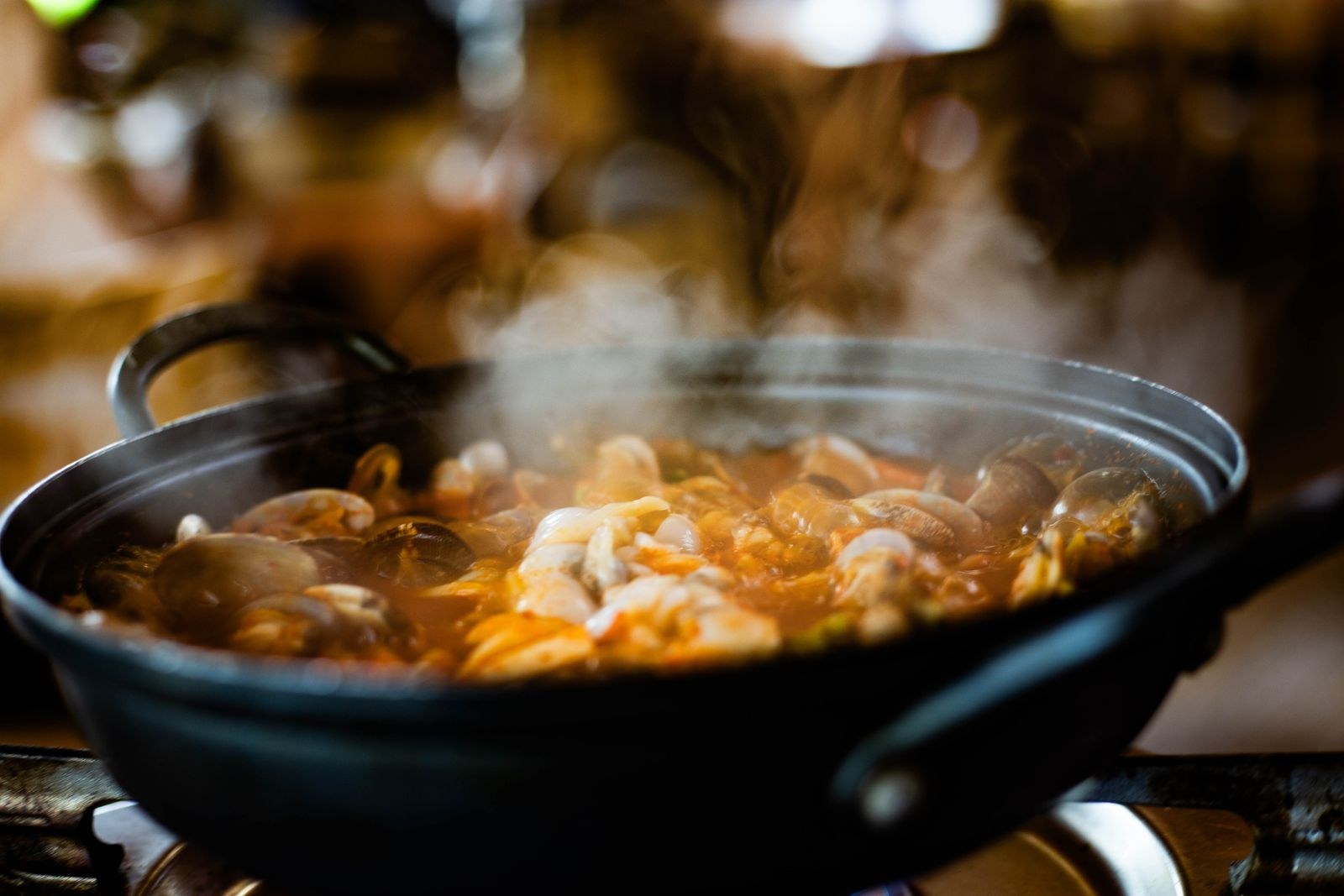
The local knowledge about a base brick is about dilution and patience rather than about the brand, and it is the same knowledge whatever red 99 sits in the pot. The brick goes into hot oil first, not water, so the chilli and the broad bean paste fry rather than boil, and only then is water added and the simmer begun; a cook who drops the cube straight into water gets a raw-paste flatness that no amount of meat later fixes. The second check is the pepper: a Chongqing base is judged on its 麻 má numbness as much as its 辣 là heat, and a brick that delivers only the red without the tingle has been balanced for a milder market. The trade also knows the brick is a grocery item, not a meal, which is why Hong Jiujiu’s scale – eleven lines, a reported hundred-thousand tonnes a year – is the district’s point rather than a cook’s: you buy the cube where you buy groceries, you do not book a table, and the only address worth having is the one on the shelf.
flowcloud would say that Hong Jiujiu is the hotpot base brand the district names first – founded in 1993, headquartered in Dadukou with eleven production lines and a reported annual capacity around one hundred thousand tonnes, a pressed brick of chilli, broad bean paste, Sichuan pepper and spice that a home cook melts into oil and water rather than a dish you order – and that the correct way to treat it is as a factory story and a grocery item, because the company and the district supply the numbers and the shelf supplies the product, and no restaurant address or per-head price is on any record. All checked October 2026.
Where to find it: Hong Jiujiu is a Dadukou food factory whose product is the red hotpot base brick, sold as a grocery item through retail and online channels rather than from a restaurant counter, so there is no single eatery address, opening hour or per-head figure to give and none is invented here. The district names the brand among its signature foods and gives Dadukou as its headquarters, with the company founded in 1993, eleven production lines and a reported annual capacity around one hundred thousand tonnes – figures the district publishes rather than a travel writer’s. The practical answer to where to find it is the retail shelf and the online listing, because no factory tour or visitor route for the plant is on any source consulted, and a reader interested in the district’s food should pair this factory page with the Xintian oil-dip page, which is the other packaged condiment Dadukou names with pride.