
Wood-Oven Loaves: Burqin’s Russian Bread and the Border Kitchen, Altay
俄乡手艺麦香浓,果木炉烤外壳黄 éxiāng shǒuyì màixiāng nóng, guǒmù lú kǎo wàiké huáng – The old Russian craft, dense with wheat scent; in the fruitwood oven the crust turns gold.
列巴 lièbā leba – the local word for Russian-style bread – is the flour half of Burqin’s story: loaves of rye-and-wheat, dense as a fist, baked in wood-fired ovens by bakeries descended from the Russian families who settled along the Irtysh a century ago (worth confirming the details for the bakeries that still fire with wood, since the electric ovens multiply and the crust loses its smoke note). A proper loaf answers with a dark, crackled shell, a sour-tinged crumb, and sometimes a scatter of hops and raisins from the old ferment. The bread crossed the border as a trade good and stayed as a kitchen – in Burqin’s Russian-flavoured streets it sells beside the honey and the berry jams, and breakfasts all over town start with slices toasted thick.
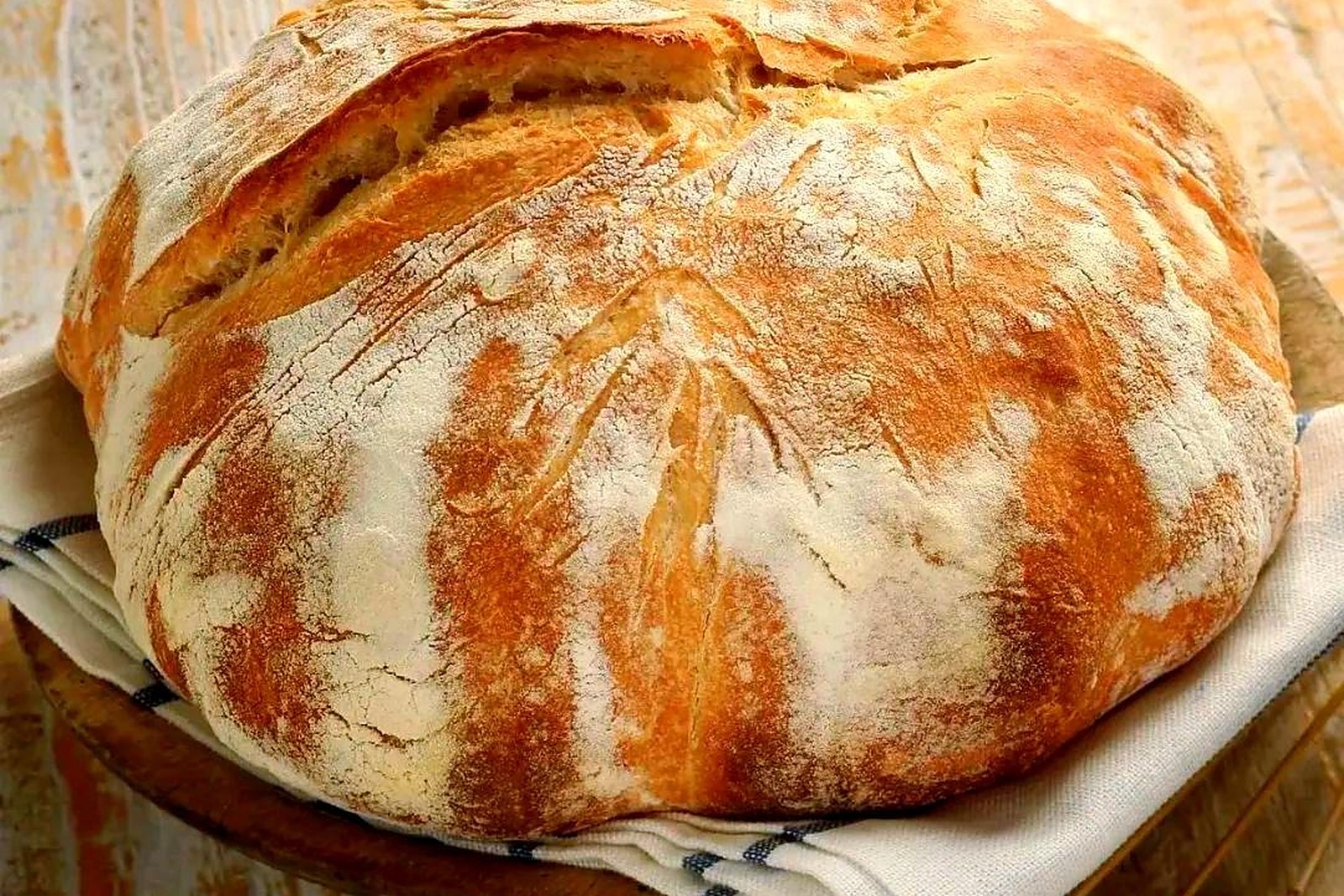
A loaf runs from fifteen to thirty yuan depending on size, and the honest star is the crust: wood fire gives a bitter-edged shell that electric heat smooths away. The pairing is the town’s oldest habit – bread with 苏波汤 sūbōtāng borscht, with honey, or simply with salted milk tea in the Kazakh manner. Eat it the morning after the night market: the grilled fish for the night, the leba for the morning after, and the river running behind both.
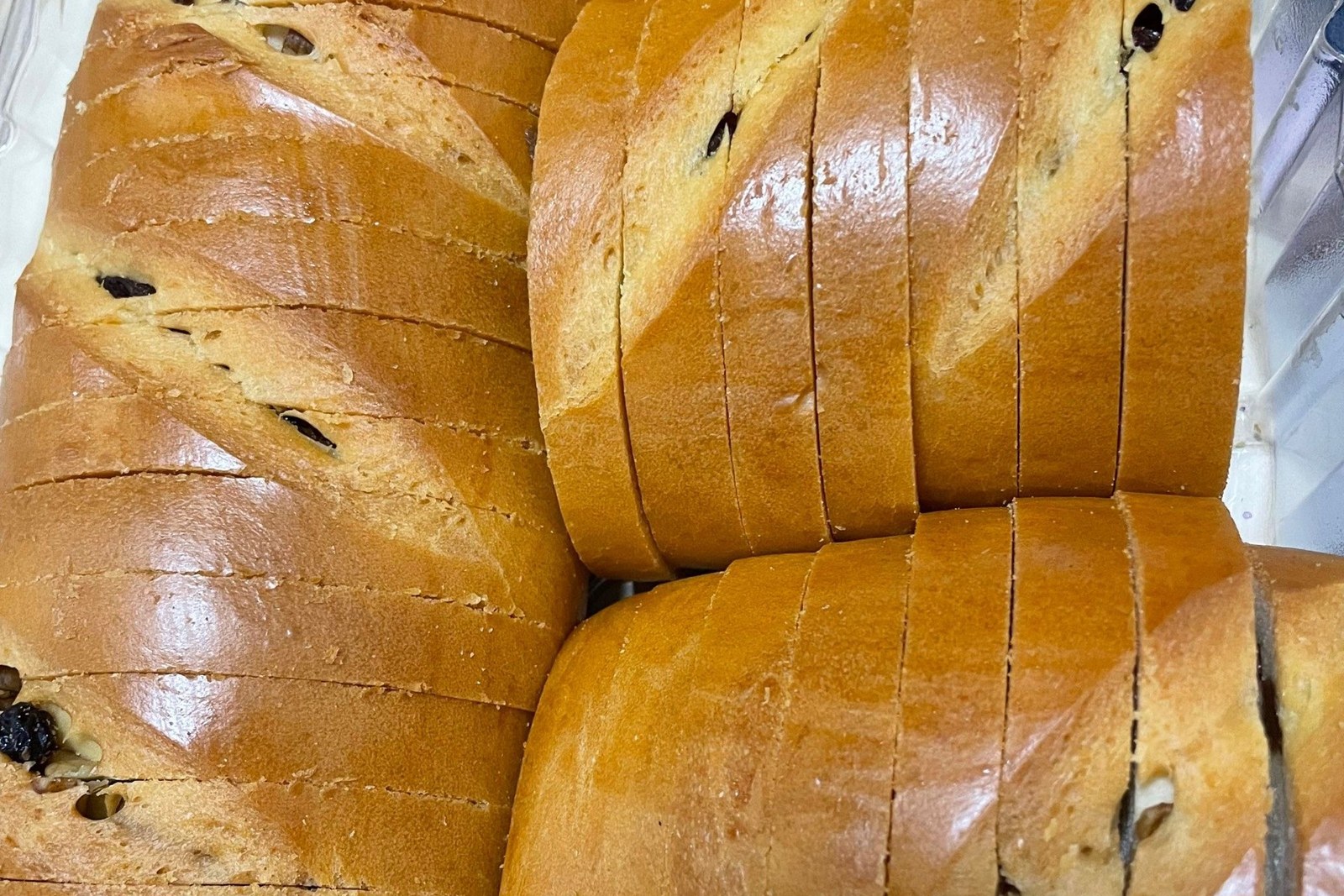
The town’s deepest habit is the guest loaf – a whole round brought out when a traveller stops by, sliced thick and toasted on the stove lid. Bakeries with a wood oven still time their firing to the morning queue, and the first loaves out of the oven never wait for the shelf: they are sold across the counter, warm, to whoever stands there.
Nearly every other plate on this Altay list trades a different mood on the same table: 布尔津烤狗鱼 Bù’ěrxīn kǎo gǒuyú Burqin’s grilled pike for the river night, 清炖大尾羊 qīngdùn dàwěiyáng clear-boiled lamb for the mountain pot, 风干牛肉 fēnggàn niúròu air-dried meat for the road, or 奶疙瘩 nǎigēda cheese curds for the tea bag – four more doors into the same 阿勒泰地区 Ālètài Dìqū Altay Prefecture. Once the plates are planned, our Altay travel map fills the day.
Words and Names
What the Locals Know
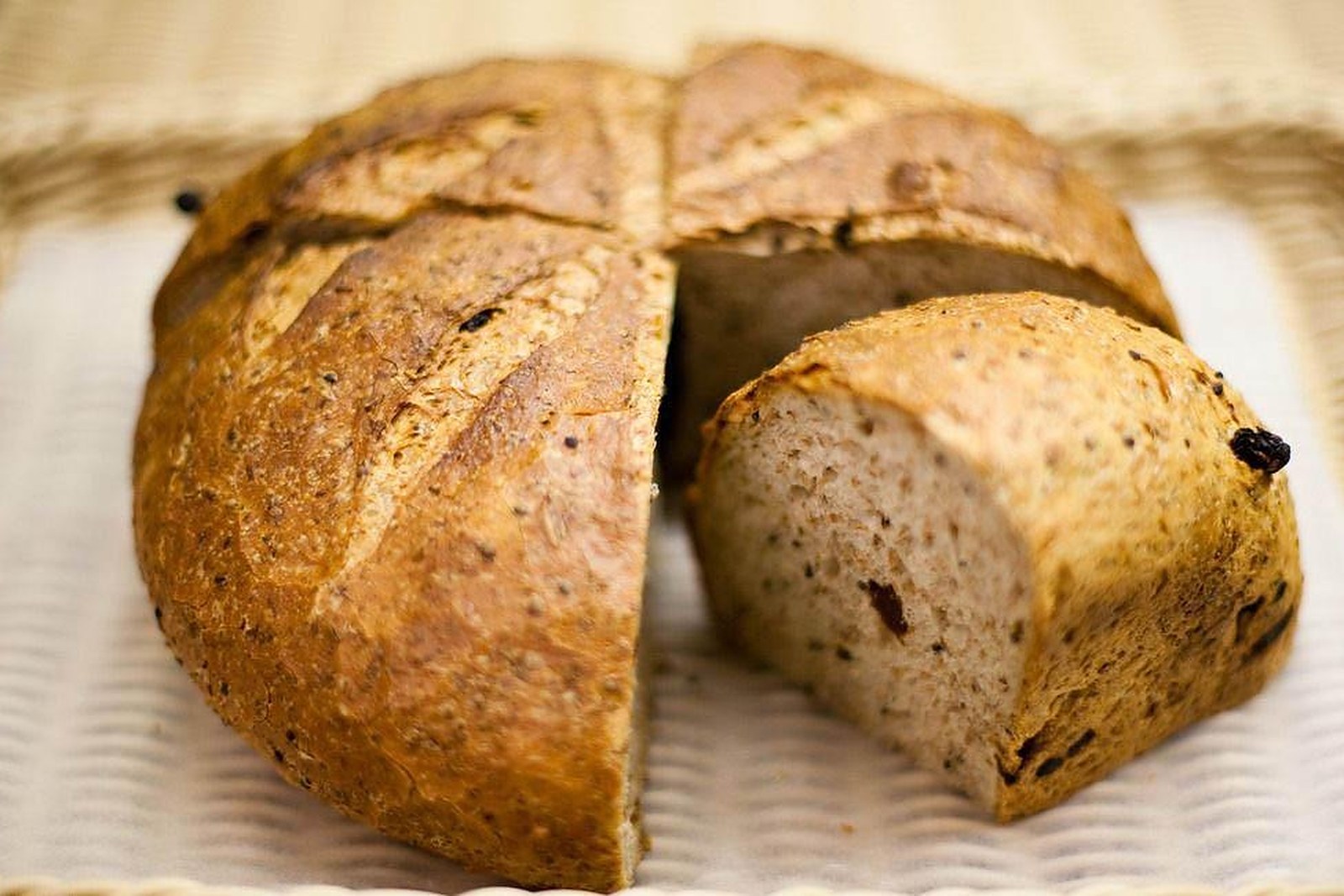
flowcloud would say leba is Burqin’s library card: one dense loaf borrows a century of river-trade history, and the interest is paid in honey. All checked November 2026.
Where to find it: Look for the bakery rows in Burqin’s old quarter where the ovens fire before dawn – a wood-fired shell cracks when tapped, the crumb pulls sour-sweet, and the honey jars on the same counter are not a coincidence but a menu. All checked November 2026.