
Sangri Grapes — Vineyards at the Top of the World
雅江滩上葡萄紫,高原酿出琥珀光 Yǎjiāng tān shàng pútao zǐ, gāoyuán niàng chū hǔpò guāng – Grapes ripen purple on the sandbanks of the Yarlung Tsangpo; the high plateau brews its own amber light
桑日葡萄 Sāngrì Pútáo Nobody expects a vineyard here. Yet on the sandy terraces of 桑日县 Sāngrì Xiàn Sangri county, where the 雅鲁藏布江 Yǎlǔzàngbù Jiāng Yarlung Tsangpo runs broad and slow through its dry rain-shadow valley, rows of grapevines ripen fruit at an altitude most wine books call impossible – intense sun, cold clean nights, and a long frost-free stretch along the river that the vines apparently consider good enough.
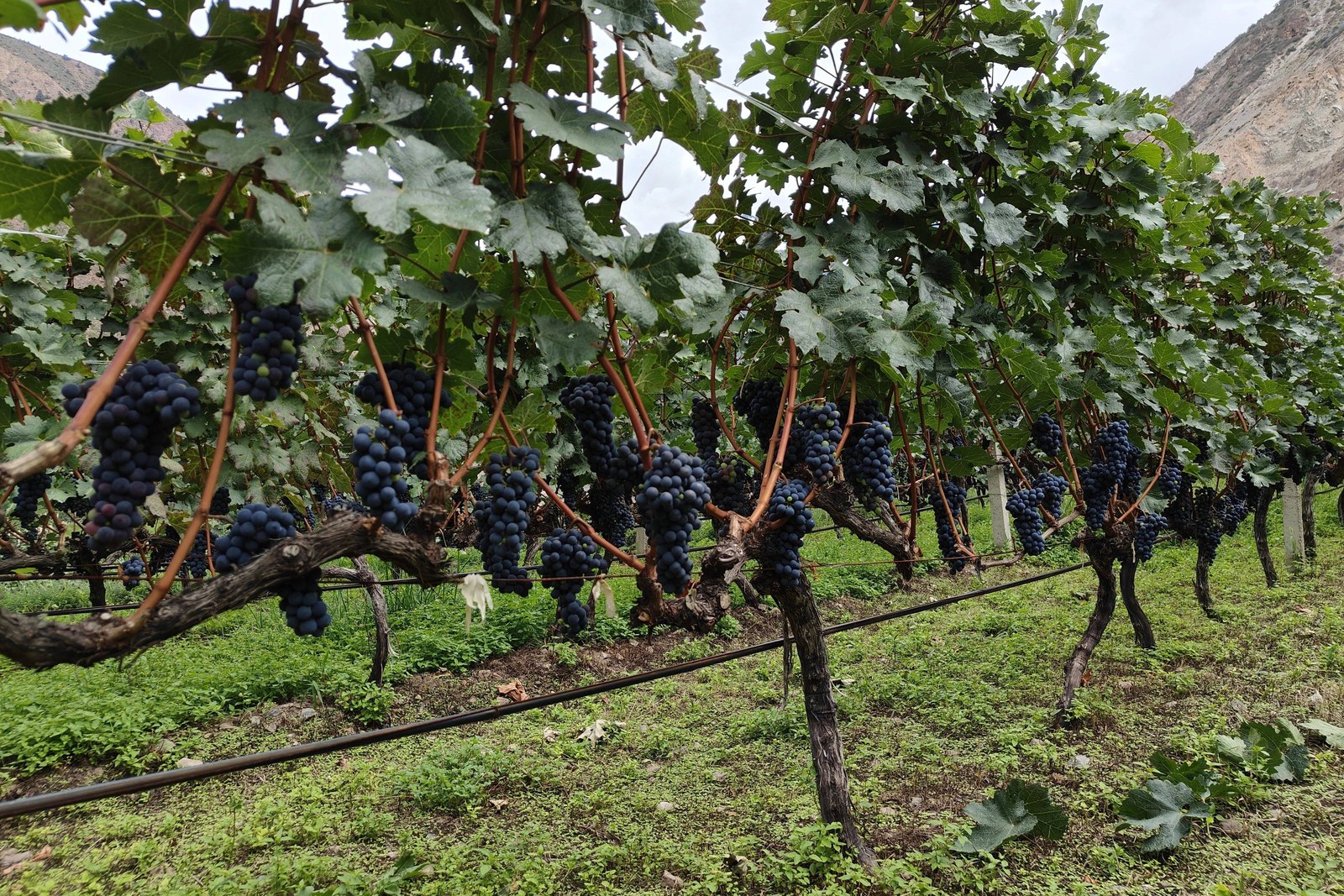
The county’s vineyards began as an experiment and became a fixture: trellised rows marching along the river flats, green against the brown slopes, heavy by early autumn. The same conditions that make the valley harsh make the grapes concentrated – fierce sunshine piles sugar into the fruit, cold nights keep the acidity awake, and the dry air keeps disease pressure almost nil, so the fruit hangs long and ripens fully.
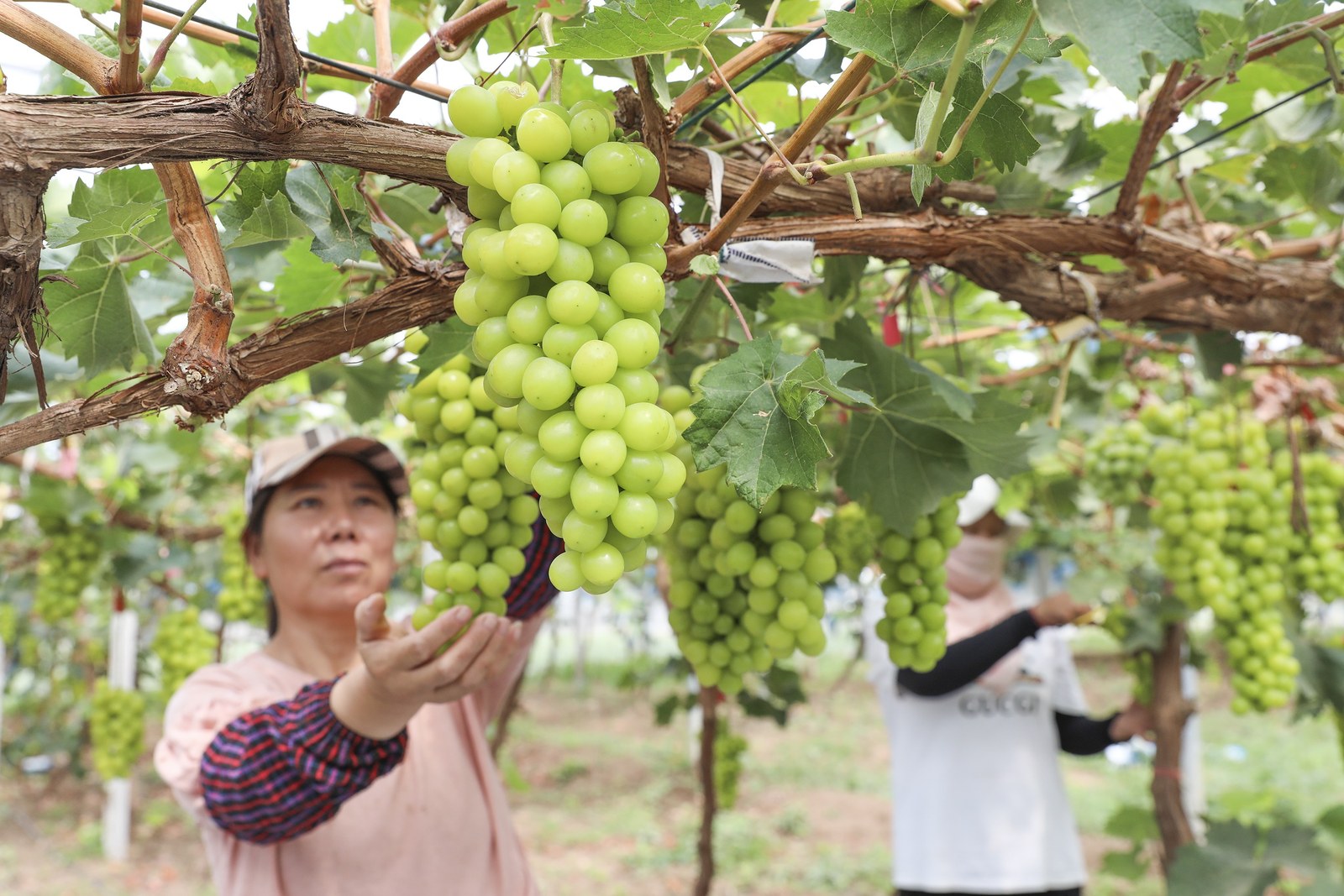
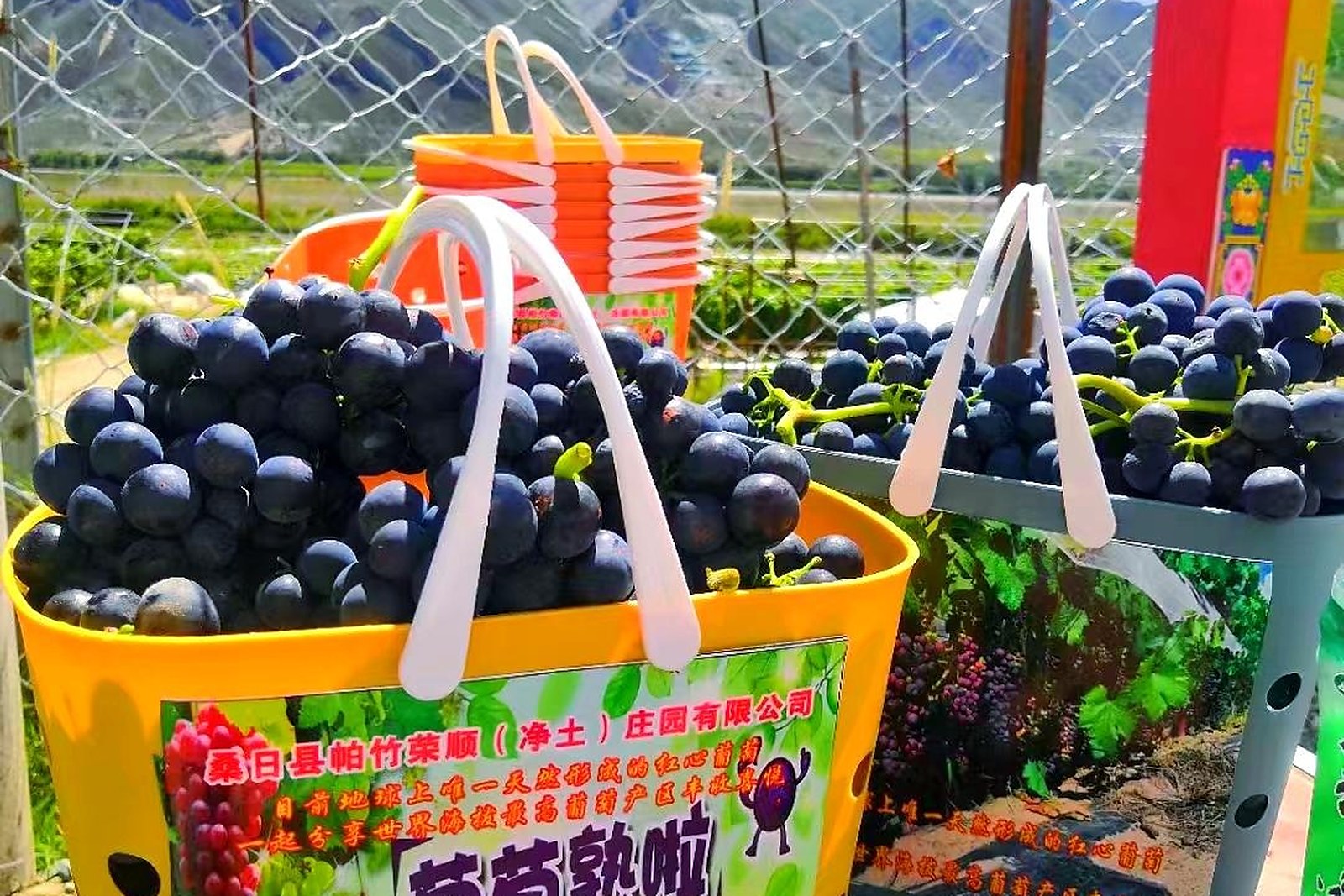
Come harvest season the county tastes like a wine region in miniature. Table grapes sell fresh from roadside stalls, baskets travel to fruit shops in Zetang within hours of picking, and the local winery presses the rest into highland vintages that pour at Shannan banquet tables. Locals gift Sangri boxes the way other regions gift honey: proof, purple and sweet, that their stretch of river grows everything a visitor does not expect.
The visit writes itself. Vineyard rows sit close to the highway on the Sangri stretch of the river road – a detour of minutes from the Lhasa-Zetang corridor – and in September and October the picking season lets you buy bunches within sight of the vines that grew them. Pair the stop with the river views up and down the valley and you have the plateau’s most surprising picnic: fruit salad from a valley at 3,500 meters, with snow peaks on the horizon.
Words and Names
桑日葡萄 Sāngrì Pútáo Sangri grapes, the riverside fruit of the high valley; 桑日县 Sāngrì Xiàn Sangri county, the vineyard district; 雅鲁藏布江 Yǎlǔzàngbù Jiāng the Yarlung Tsangpo, the river whose terraces the vines occupy; 干热河谷 gānrè hégǔ dry-warm valley, the rain-shadow climate that ripens the fruit; 高原葡萄酒 gāoyuán pútaojiǔ highland wine, the county’s pressed expression of the same grapes. The same 山南市 Shānnán Shì Shannan holds more flavors worth chasing: 卡赛 kǎsài the golden festival pastry, 隆子黑青稞 Lóngzǐ Hēi Qīngkē the dark grain of the high fields, 桑耶素斋 Sāngyē Sùzhāi the monastery-town vegetarian table, or 羊湖羊 Yánghú Yáng the lakeside lamb of Yamdrok – four more doors into the same Shannan table.
What the Locals Know
Locals judge Sangri grapes by their skin – thick-skinned, intensely sweet fruit with a chew is the mark of a long sunny season, and the best baskets come from the oldest riverside plots. Fresh is for September; wine is for the winter table. And the vines have made the county a small agricultural curiosity: visits pair naturally with the river road, and farmers will walk a polite visitor down a row for the tasting. All checked November 2026.
flowcloud would say Sangri is where the plateau quietly wins an argument with geography – grapes at 3,500 meters, and nobody told the vines it was impossible.
Where to find it: Roadside stalls along the Sangri river flats sell the fresh harvest in season, fruit shops in 山南市 Shānnán Shì Shannan stock the baskets within hours of picking, and the county winery pours and sells the highland vintage. All checked November 2026.