
三江鱼 sānjiāng yú, the three-river fish of 合川区 Héchuān Qū, Hechuan District, is the district’s geography served as dinner: the 嘉陵江 Jiālíng Jiāng Jialing, the 渠江 Qú Jiāng Qu and the 涪江 Fú Jiāng Fu all meet inside the city, and the mixed, cold, deep water they make has fed a boat-kitchen trade for as long as the city has stood. The fish comes out of the confluence whole and goes back to the table the same way – braised in chili bean paste with the fat still on, or boiled in the numbing-hot style that floods the pot with dried chili and green pepper – and the riverside restaurants hang their tanks at the water’s edge so you pick the fish before it is cooked.
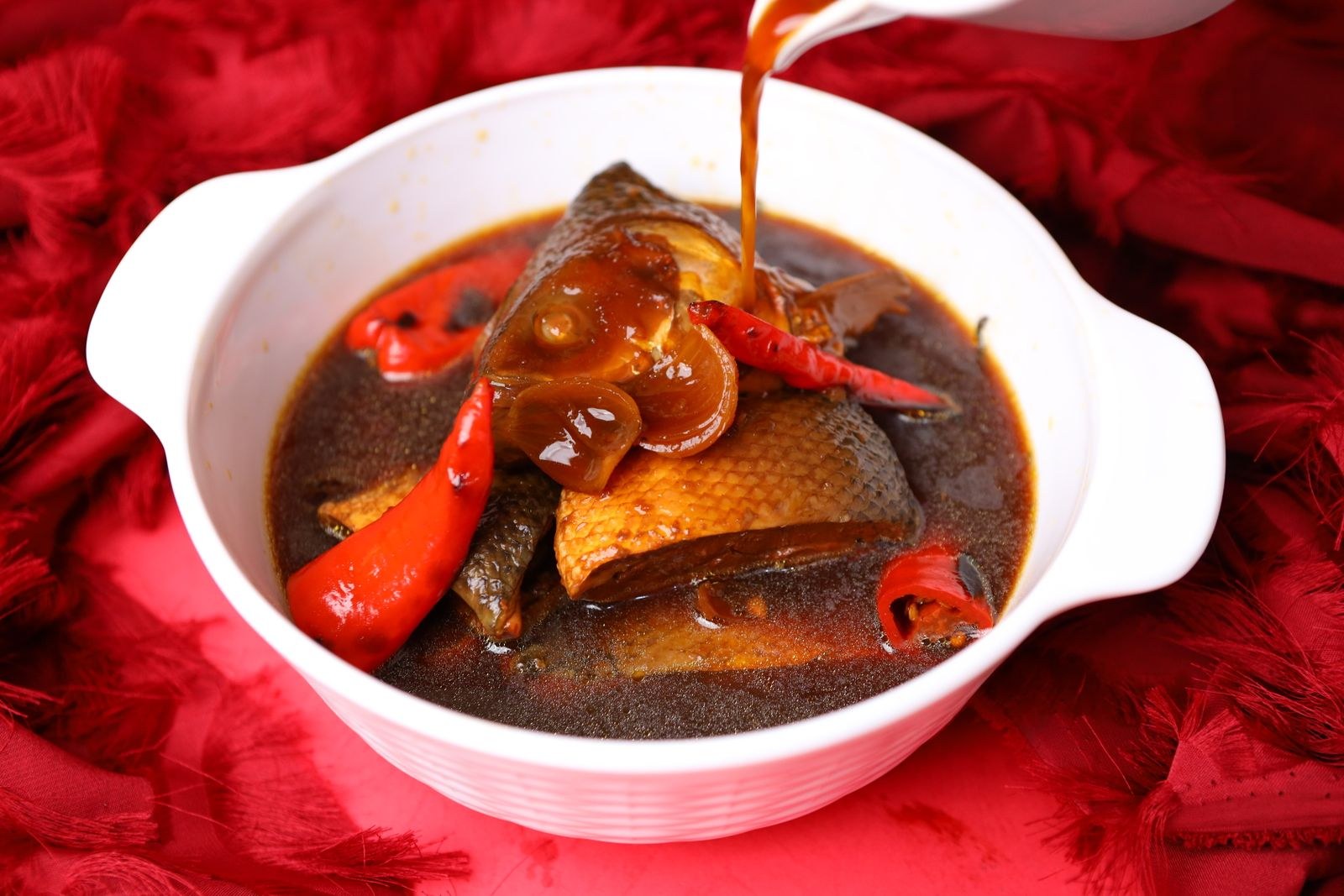
The water explains the flesh. Where three rivers join, the current mixes the warm surface of one with the cold depths of another, and the fish that work that water move constantly against the combined flow; firm flesh is the result, meat that holds together under a braise and takes the numbing-hot pot without falling apart. The confluence is also the reason the trade exists at all – a city built at the meeting point had boats working three rivers, and boat kitchens came with them, cooking the catch on the water and serving it within sight of the currents that raised it. That is the lineage the riverside tables still run: the tank at the rail, the pot on the burner, the river behind the chairs.
The two formats divide the pot the way the district divides its day. The braise is the evening pot – chili bean paste cooked deep, the fish laid in whole with the fat still on, the broth glossing the skin and soaking the flesh to the bone. The boiled format is the loud one: the numbing-hot style that floods the pot with dried chili and green pepper, the broth gone red and rolling, the flesh firm enough under its surface to stay whole through the boil. Both arrive as the whole fish, head to tail, because the format’s point is that the fish left the water in one piece and the table receives what the river gave.
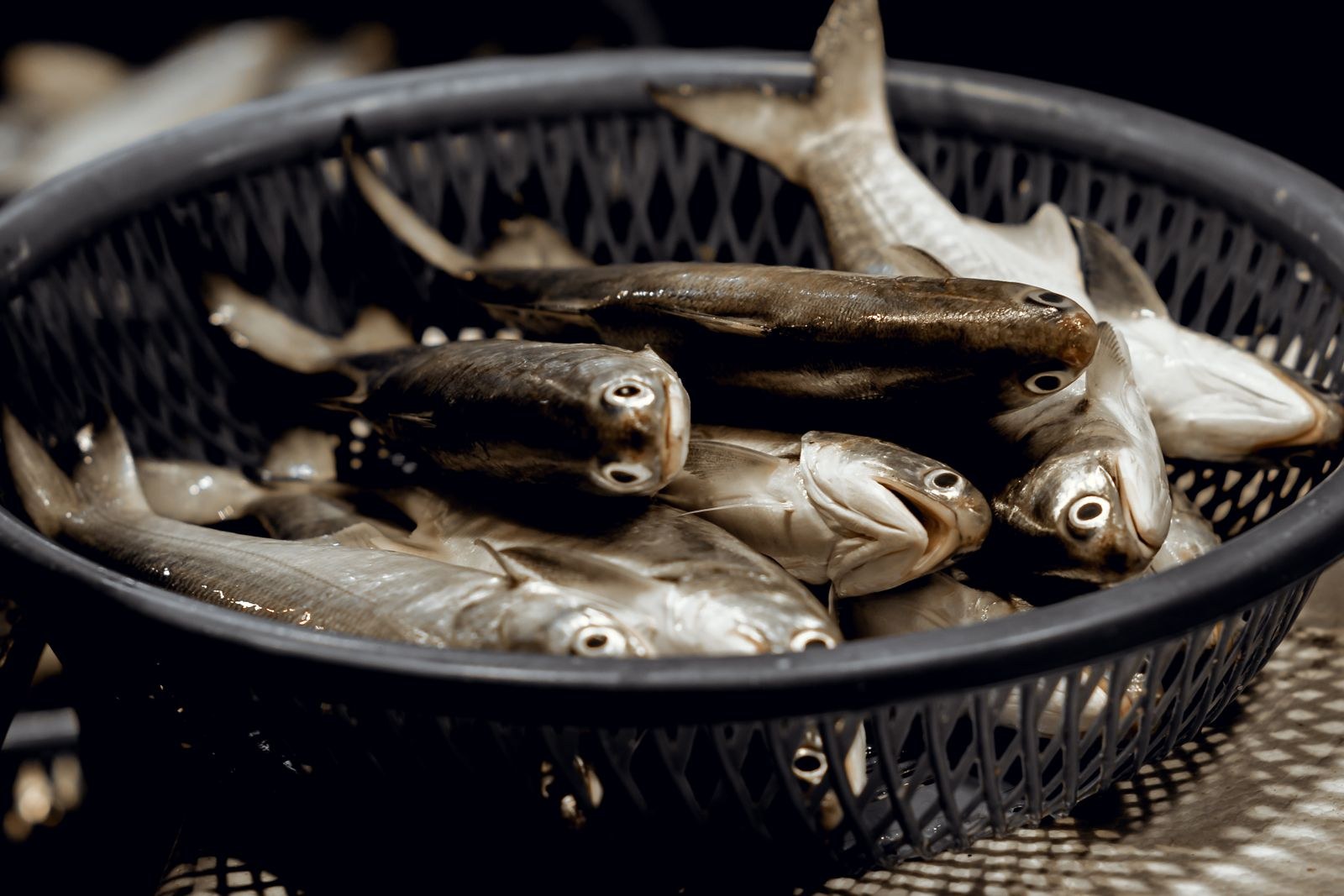
What the record supports and what it does not is worth stating plainly, because a river-trade dish is exactly the kind of subject that collects invented detail. The record consulted names the confluence of the Jialing, the Qu and the Fu inside the city, the cold mixed water, the firm-fleshed river fish, the whole-fish braise and the numbing-hot boiled format, and the riverside tank-and-pick trade; it does not name a restaurant, a boat-house brand or a posted price, and none is invented here. The honest page reports a riverside format that runs along the embankment at more than one landing, each kitchen’s pot its own.
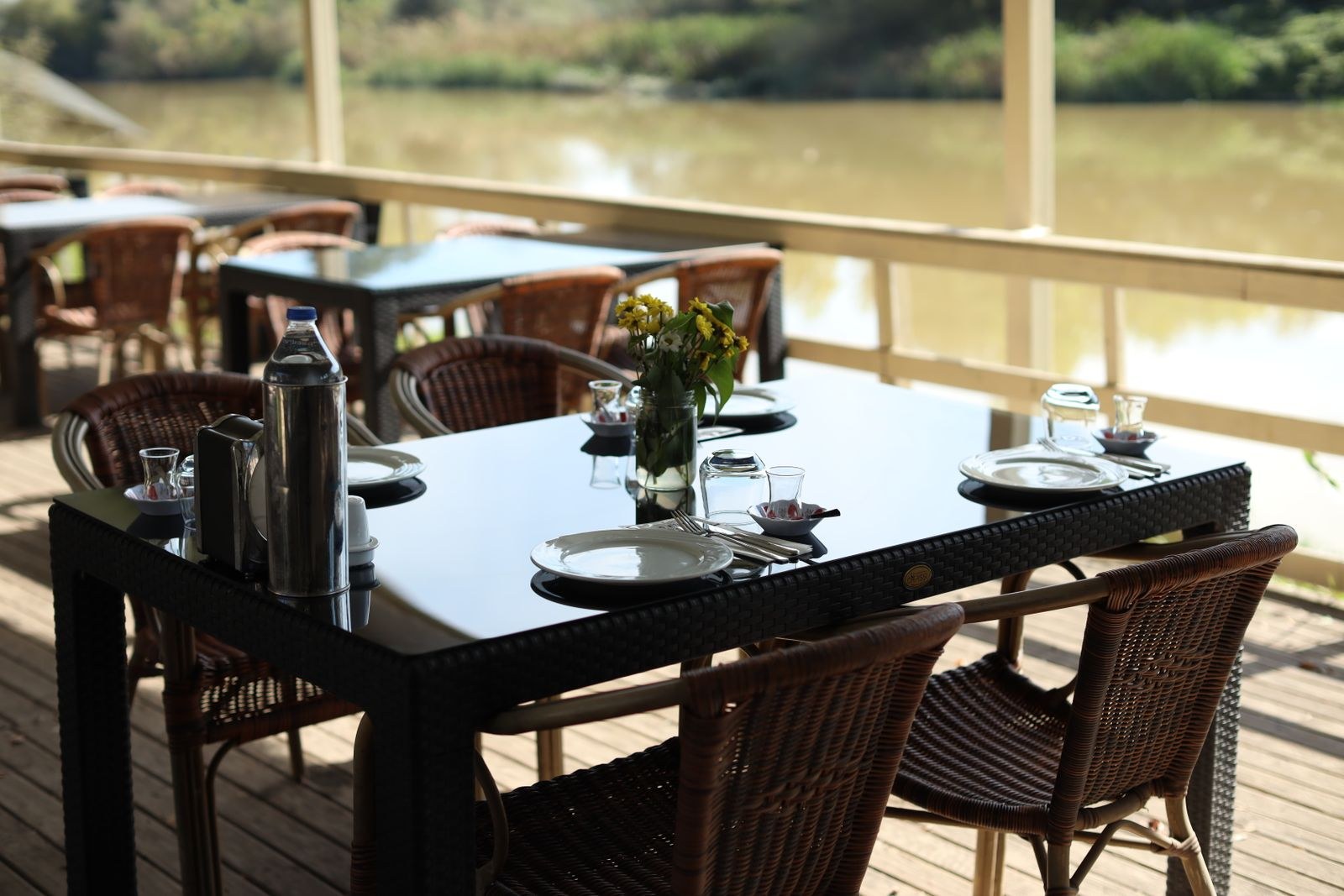
What the visitor does is eat on the water at dusk. The tables run out over the embankment as the evening comes on, the two currents visibly braiding behind the chairs, and the format assumes you choose: the fish comes out of the tank at the rail and into the pot by your pick, so look at the water the fish came from before you point. Order the braise for depth or the boiled pot for the numbing heat, take the whole fish as it comes, and let the meal run as long as the light does. All checked October 2026.
Words and Names
三江鱼 sānjiāng yú, the three-river fish of 合川区 Héchuān Qū, Hechuan District, where the 嘉陵江 Jiālíng Jiāng Jialing, the 渠江 Qú Jiāng Qu and the 涪江 Fú Jiāng Fu meet inside the city: firm-fleshed river fish from the cold mixed water of the confluence, cooked whole either braised in chili bean paste or boiled in the numbing-hot style with dried chili and green pepper. The riverside restaurants keep tanks at the water’s edge and cook the fish the customer picks. No restaurant name, boat-house brand or posted price is on the public record consulted, and none is invented here.
What the Locals Know
The local knowledge is the hour and the pot. Dusk is the trade’s honest time – the tables come out over the embankment, the currents go gold then dark, and the kitchen’s own people eat after the pots have settled – so the evening is worth keeping clear. The second thing locals know is the pot’s clock: the numbing heat builds as the boil goes on, the flesh nearest the bone stays mildest, and the broth over rice at the end is the format’s real finish. Fish from the colder stretches of the confluence carry the firmest flesh, and the tank at the rail exists so the buyer can judge that before the kitchen touches it. What the record does not carry is any ranking of riverside houses, and the page declines to make one – the row of moored lights along the embankment is the review.
flowcloud would say that Hechuan’s three-river fish is the district’s geography on the table – the Jialing, the Qu and the Fu meeting inside the city, the cold mixed water giving fish firm enough for the whole-fish braise in chili bean paste or the numbing-hot boiled pot flooded with dried chili and green pepper, the tanks at the water’s edge so the table picks what the river gave – and that the honest page reports a riverside format along the embankment rather than any famous house, with no restaurant name or price on the record and none invented. All checked October 2026.
Where to find it: the tank-and-pot riverside trade runs along the embankment of the district seat in 合川区 Héchuān Qū, Hechuan District, at the point where the Jialing and the Fu currents braid past the city; no specific restaurant address, posted price or brand is on the public record consulted and none is invented here, and the lit tables over the water at dusk are the practical guide. The fish is chosen from the tank and eaten whole. Pair this page with the three-river confluence page for the geography the pot serves, and with the district-seat hotel page for the embankment rooms above the same water.