
Eating Aboard, the Xisha Cruise’s All-Inclusive Table
西沙邮轮 Xīshā yóulún, the Xisha cruise, is the one door into 三沙市 Sānshā Shì Sansha for an ordinary traveller, and it is also a dining room: the ship that leaves 三亚凤凰岛 Sānyà Fènghuáng Dǎo Sanya Phoenix Island is the hotel, the restaurant and the supply line at once, feeding its passengers three times a day at sea and landing them by tender boat on the reef islets for the middle of the day. Sansha is the prefecture-level city of Hainan Province that administers the Xisha, Zhongsha and Nansha Islands and their waters, Chinese territory, and the southernmost such city in China; because no island takes overnight guests, every meal on a Sansha trip is either eaten aboard or eaten ashore as a shore lunch. The route has run since April 2013.
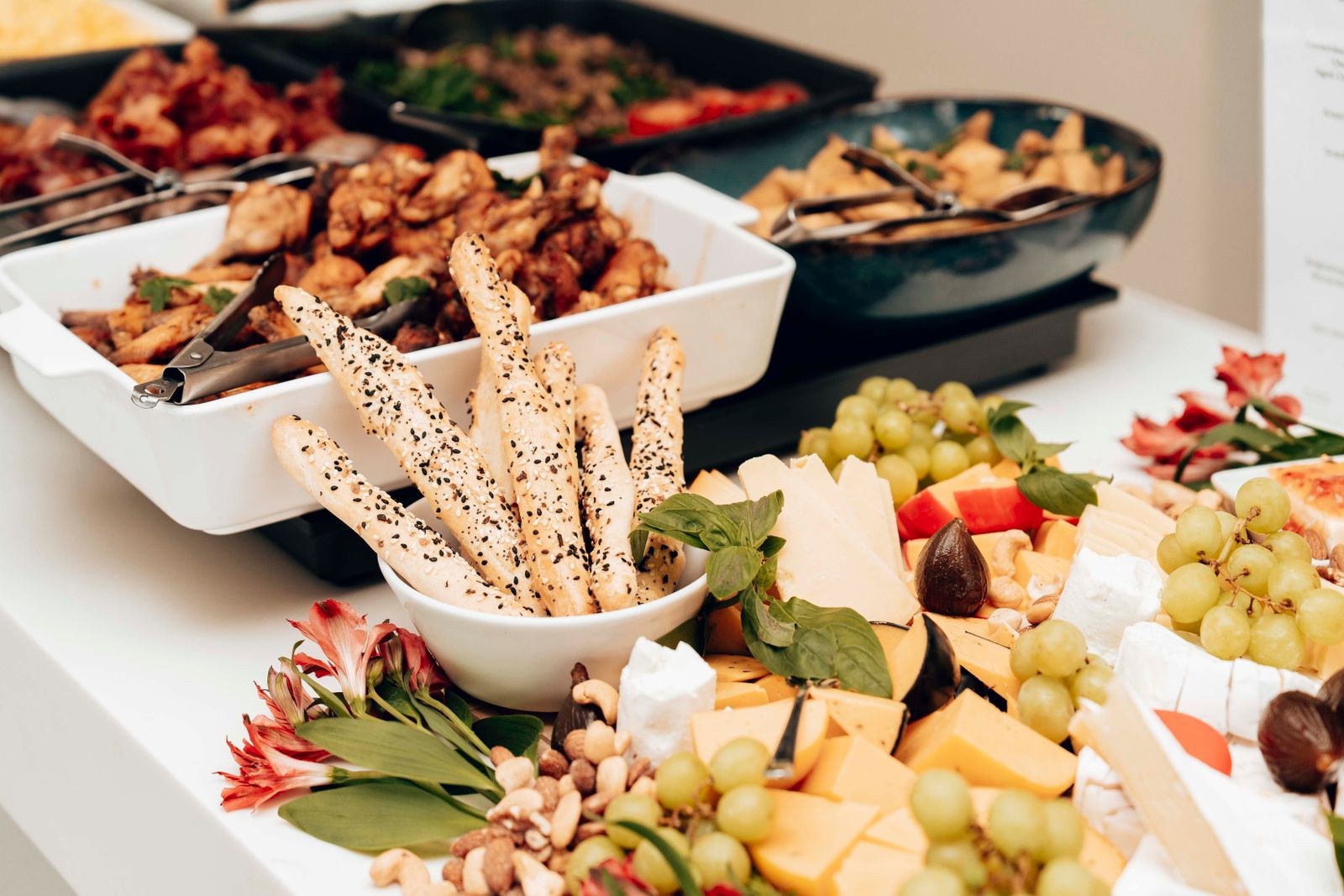
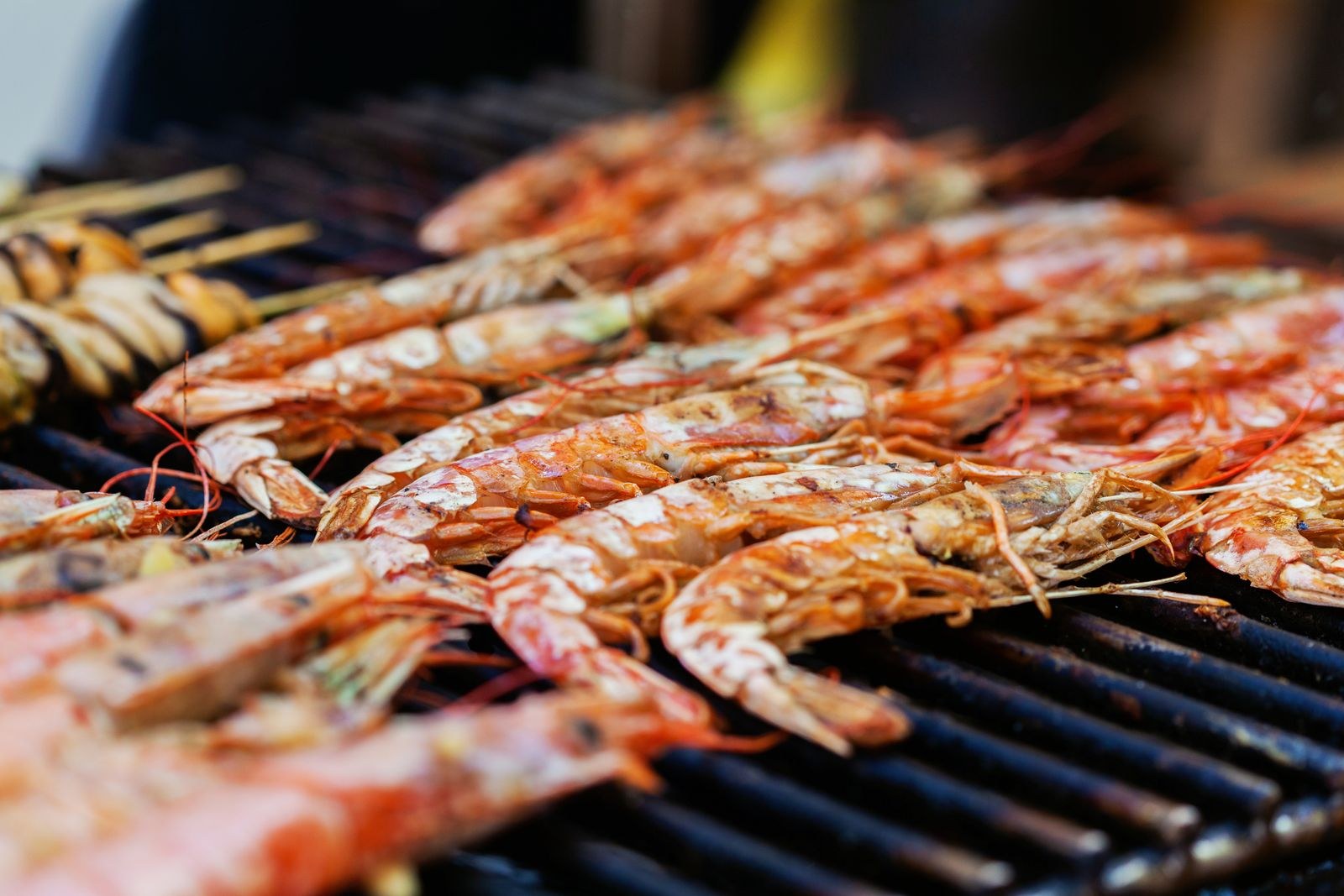
The dining is all-inclusive and deliberately plain, and only two claims about it carry a solid source. Meals are included in the fare and eaten aboard, three times a day in the ship’s buffet restaurant, and the first evening is given to an open-air seafood barbecue on deck, where the grills and the catch are the point of the night. The second claim is the shore lunch: on whichever islet the ship lands, passengers eat at the fishermen’s kitchens that this column’s reef-islet page describes, or return to the ship, and the arrangement is set by the operator rather than published as a menu. Everything finer than that, the exact dishes, whether drinks are included, whether a shore lunch costs extra, is described differently by different commercial platforms and is printed here only as the snapshot it is, on a 2026-10 basis that moves.
The one hard number the cruise carries is cumulative and has to be read that way. The city reports that over the twelve years since the route opened in April 2013 the Xisha cruise has logged 1,104 sailings, carried 693,600 visitors and taken about 1.933 billion yuan in tourism revenue, a running total across twelve years and not a single year’s traffic, and this article does not present it as annual. The ships themselves have changed with the years and are given here as a sequence rather than as one fleet. One vessel carried the route in 2015, when it made 47 sailings and took more than 8,000 passengers; another ran five or six times a month in 2016; two named ships have alternated on the route in the mid-2020s, 南海之梦 Nánhǎi zhī Mèng Nanhai Dream and 长乐公主 Chánglè Gōngzhǔ Changle Princess, and their cabins, sailing dates and fares are commercial snapshots that change, which is why no single fare is printed here as fixed.
Where the ship lands is where the food comes from. The day’s stops are the reef islets: 全富岛 Quánfù Dǎo Quanfu Island, 鸭公岛 Yāgōng Dǎo Yagong Island and 银屿 Yínyǔ Yinyu on the Yongle atoll, or 赵述岛 Zhàoshù Dǎo Zhaoshu Island in the 七连屿 Qīliányǔ Qilianyu group, depending on the itinerary the operator is running. The lunch ashore is whatever the fishermen pulled in that morning, cooked at their own tables. Behind the boat sits a whole supply system that makes an offshore city possible: the transport-and-supply ships 三沙1号 Sānshā Yī Hào Sansha No.1, 三沙2号 Sānshā Èr Hào Sansha No.2 and 琼沙3号 Qióngshā Sān Hào Qiongsha No.3 running to the Xisha, the inter-island boats 银屿号 Yínyǔ Hào and 晋卿号 Jìnqīng Hào linking the archipelago, and the cruise itself, which is the only one of them that takes paying passengers. Fares begin at about 4,100 to 4,500 yuan per person on a four-day sailing on a 2026-10 snapshot that fluctuates, and the operator sets age and health limits without publishing the thresholds.
The differentiation is that the site has no page like this, and the comparisons have to be stated rather than assumed. The 疍家 Dànjiā Tanka pages on this site are about people who live and work on small boats; this is a holiday ship where the passenger sleeps in a berth and steps ashore by day. The Tanmen pages are about a port town on the main island; this is an offshore city that a cruise supplies. Sansha’s distinctiveness, an offshore reef sea, China’s southernmost prefecture-level city, a brand for the catch and a cruise-and-supply system instead of a road, is exactly what a cruise table shows, because there is nowhere else to put the plate. What the record refuses, once more: an official menu or a fixed fare, of which there is none; any government-cruise agreement, which was not located; and the specific age and health thresholds that platforms print, which have no official source.
Words and Names
西沙邮轮 Xīshā yóulún is the Xisha cruise; 三亚凤凰岛 Sānyà Fènghuáng Dǎo Sanya Phoenix Island is its only departure point, and 全富岛 Quánfù Dǎo, 鸭公岛 Yāgōng Dǎo, 银屿 Yínyǔ and 赵述岛 Zhàoshù Dǎo the islets it lands on. 三沙1号 Sānshā Yī Hào Sansha No.1 and 琼沙3号 Qióngshā Sān Hào Qiongsha No.3 are supply ships, 银屿号 Yínyǔ Hào and 晋卿号 Jìnqīng Hào inter-island boats, and the sailing vessels of the route have carried different names in different years. 一价全包 yījià quánbāo, all-inclusive, is the phrase the operator uses for the fare. No other page on this site is about eating on a ship, and the 疍家 dànjiā Tanka boats, which are homes and workplaces, are not this.
What the Locals Know
For a traveller the cruise is the whole trip, so the eating is a schedule as much as a menu. Breakfast and the two main meals fall at fixed hours aboard, the barbecue takes the first evening on deck, and the shore lunch is the one meal with a place to it, eaten on the islet while the ship waits offshore. There is no booking of restaurants and no choosing of dishes in advance; the meals come with the berth, and the only decisions are whether to take the barbecue and whether to go ashore for the midday meal. Carry nothing that needs refrigeration, because the boat is the refrigerator, and expect the food to be the supply line’s, which is to say plain, hot and built on the catch.
Pair the ship’s table with the islets it reaches: the reef fish at the shore lunch, the conch and the urchin eaten on the sand, and the ship’s own buffet in the evening, which is the same supply line seen from the other end. What the record refuses, once more and plainly: any official menu or a fixed price; any age or health limit with an official source behind it; any reading of the twelve-year total as a yearly figure; and any single ship presented as the permanent fleet, since the route has changed vessels with the years.
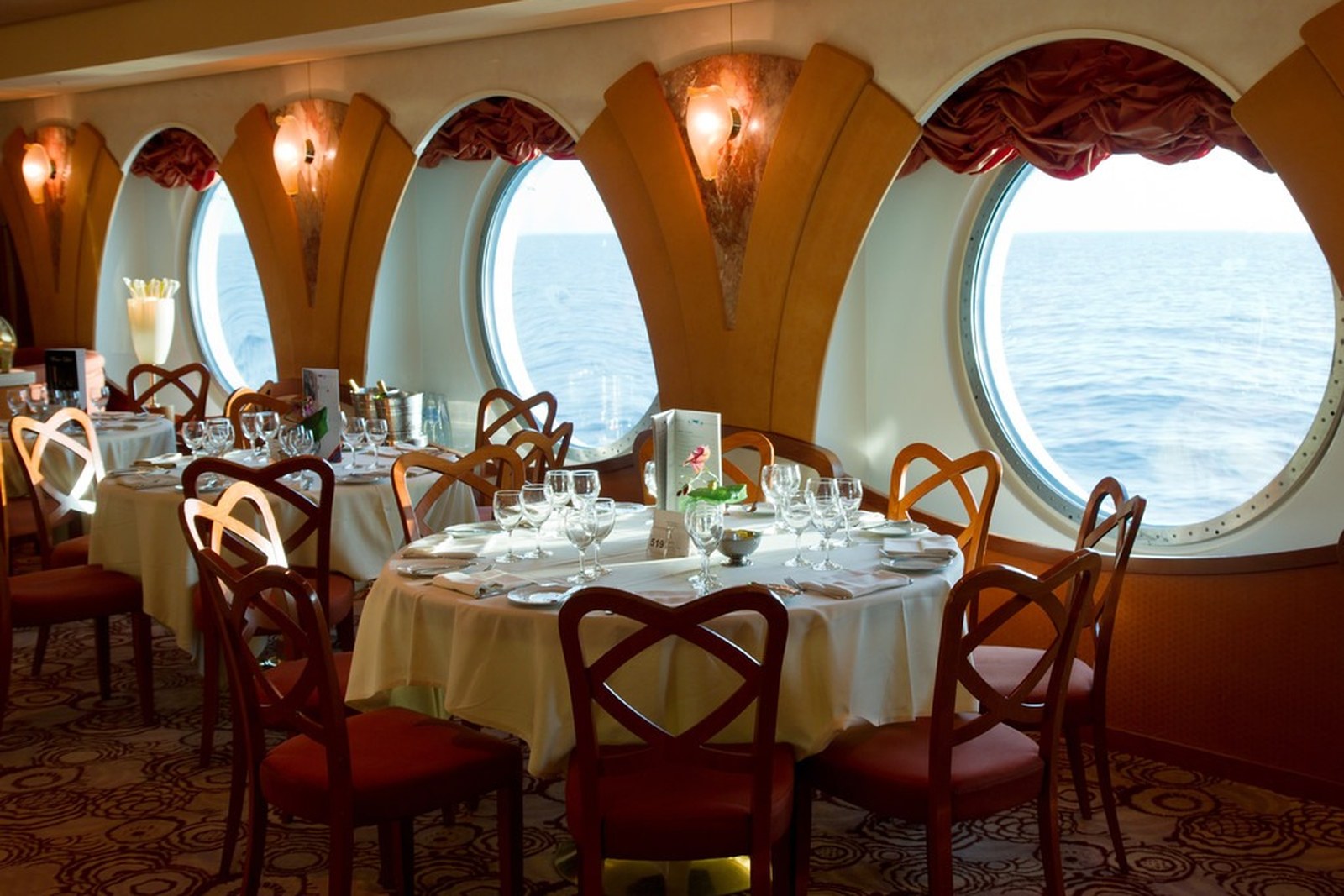
flowcloud would say that eating aboard the Xisha cruise is all-inclusive and happens at sea, three meals a day in the ship’s buffet restaurant with an open-air seafood barbecue on deck the first evening and a shore lunch from the fishermen’s kitchens on whichever islet the ship lands at, aboard a boat that is hotel, dining room and supply line at once, on a route that has run since April 2013 and logged 1,104 sailings and 693,600 visitors over twelve years, a cumulative figure and not an annual one.
Where to find it: aboard the Xisha cruise from 三亚凤凰岛 Sānyà Fènghuáng Dǎo Sanya Phoenix Island, with shore meals on 全富岛 Quánfù Dǎo, 鸭公岛 Yāgōng Dǎo, 银屿 Yínyǔ or 赵述岛 Zhàoshù Dǎo, in 三沙市 Sānshā Shì Sansha, Hainan Province; the meals come inside the fare and there is no published menu, fares start at about 4,100 to 4,500 yuan per person on a four-day sailing on a 2026-10 snapshot that fluctuates, and the twelve-year tally of 1,104 sailings and 693,600 visitors is cumulative rather than annual.