
Fishermen’s Tables on the Reef Islets, No Printed Menu
岛礁渔家乐 dǎojiāo yújiālè, the family kitchens of the reef islets, are the restaurants of 三沙市 Sānshā Shì Sansha at their most direct: a table on a sandbar in the 永乐群岛 Yǒnglè Qúndǎo Yongle Islands, the man of the house out on the reef with a rod and the woman of the house at the stove, and no menu, because the menu is whatever came over the side that morning. The city administers the Xisha, Zhongsha and Nansha Islands and their waters, Chinese territory, and it is the southernmost prefecture-level city in China, the largest by sea area and the smallest by land; there is no farmland here, no road in, and almost no restaurant that was built to be one. These kitchens are the counter-example to every seafood page on this site, because the cook is the person who caught the fish.
The kitchens began when tourism reached the islets. From April 2013 the city tried tourism development on some of the Yongle Islands, and the fishermen there took on a second identity: a man fishing in one season and running a kitchen and cooking in the next, in the phrase the city uses, a part-time guesthouse owner. 鸭公岛 Yāgōng Dǎo Yagong Island and 银屿 Yínyǔ Yinyu were the first to earn from visitors, and by 2015 Yagong had six family kitchens, organised so that five households shared one operation rather than each household opening its own. In that same year Yagong received 26 calls from the cruise ship that then worked the route and more than 2,000 visitors, and a stall on the island had already taken the name 南海第一烧烤 Nánhǎi Dìyī Shāokǎo, the first barbecue of the south sea, which is printed here as the stall’s own name and not as an official title.
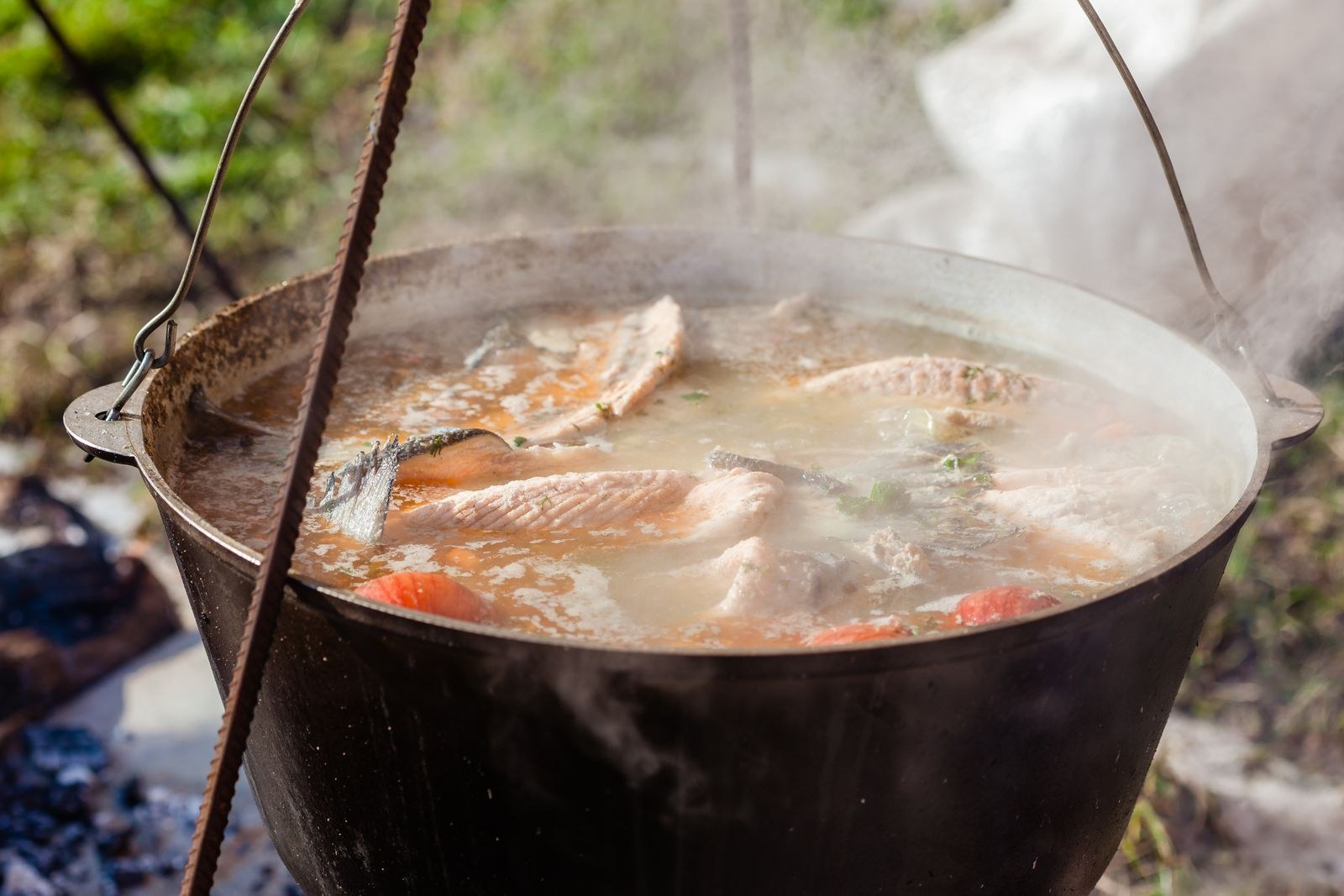
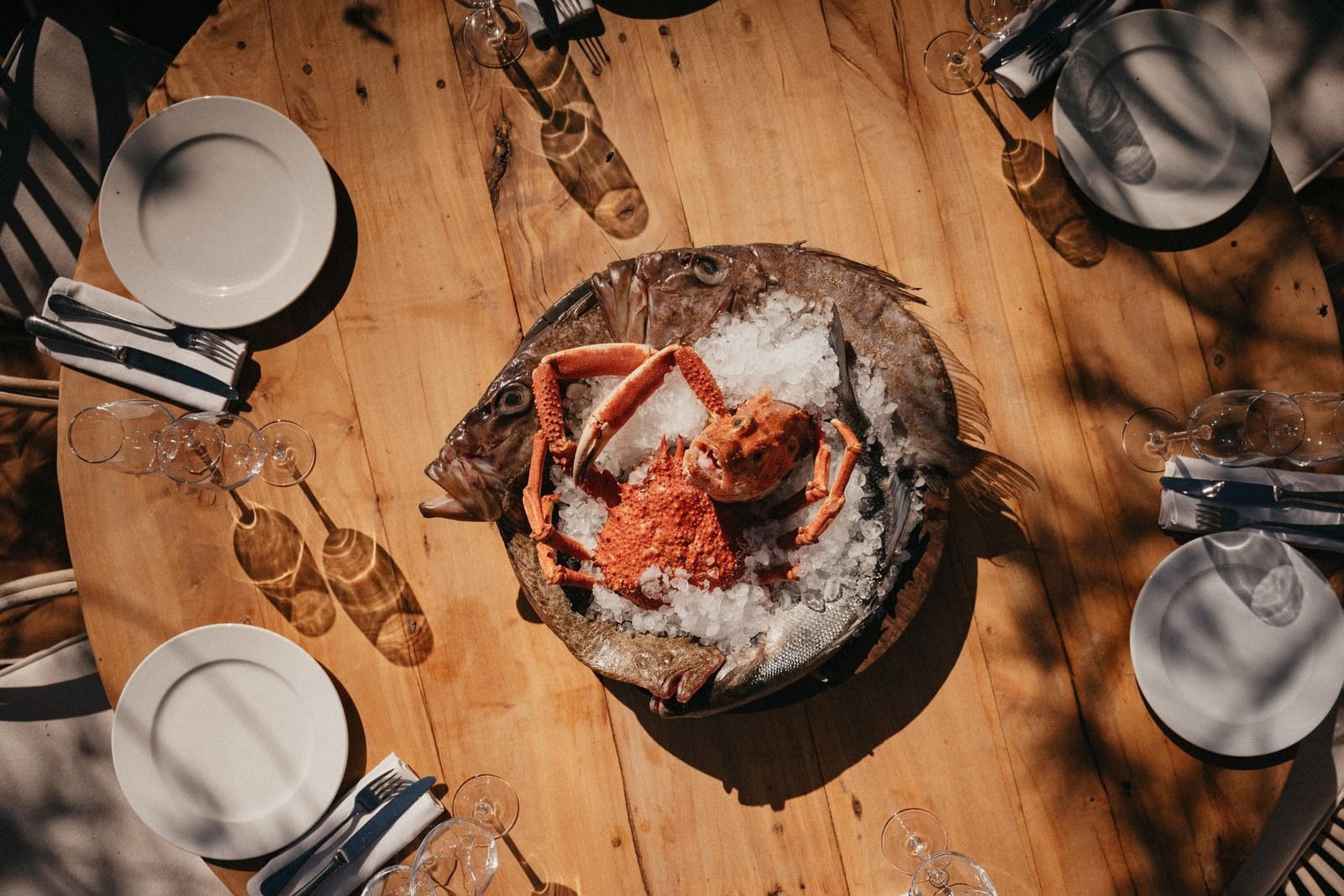
The food the kitchens are named for is short and local: 清蒸青衣鱼 qīngzhēng qīngyīyú, a green wrasse steamed whole; 水煮红口螺 shuǐzhǔ hóngkǒuluó, red-mouth conch boiled in plain water; 龙虾刺身 lóngxiā cìshēn, spiny lobster served raw; and 海胆 hǎidǎn, the sea urchin, opened on the spot. The division of the day is the whole system: what the morning’s fishing brings in decides what is cooked, the largest fish of the catch is kept back for the family’s own dinner and the rest goes to the island’s kitchens and hotels, and the visitor eats what the family did not keep. The city reads the kitchens as part of the move that takes fishermen out of a single trade, alongside deep-water cage aquaculture, island construction work and tourism services, and the boats are the family’s own rather than a company’s.
The income figures for these tables exist, but they belong to different years and different people and are never one series. Before the city was founded a fisherman on Yagong earned about 3,000 yuan a month, and by 2015 the same island’s fishermen were reported at about 8,000 yuan a month, a single pair of figures describing one place and one change. The city pays a living allowance of 70 yuan a day to fishermen who meet a minimum number of days on the island, an incentive to stay rather than a wage. On 永兴岛 Yǒngxīng Dǎo Yongxing Island one resident turned the ground floor of his two-storey house into a restaurant and takes more than a thousand yuan a day while his brother fishes, one family holding both ends of the trade. On Yagong, on a day the ship was in, one fisherman served about ten tables for roughly 2,000 yuan; that is one afternoon’s takings and not an average. Keeping them apart is the point, and the material forbids running them together.
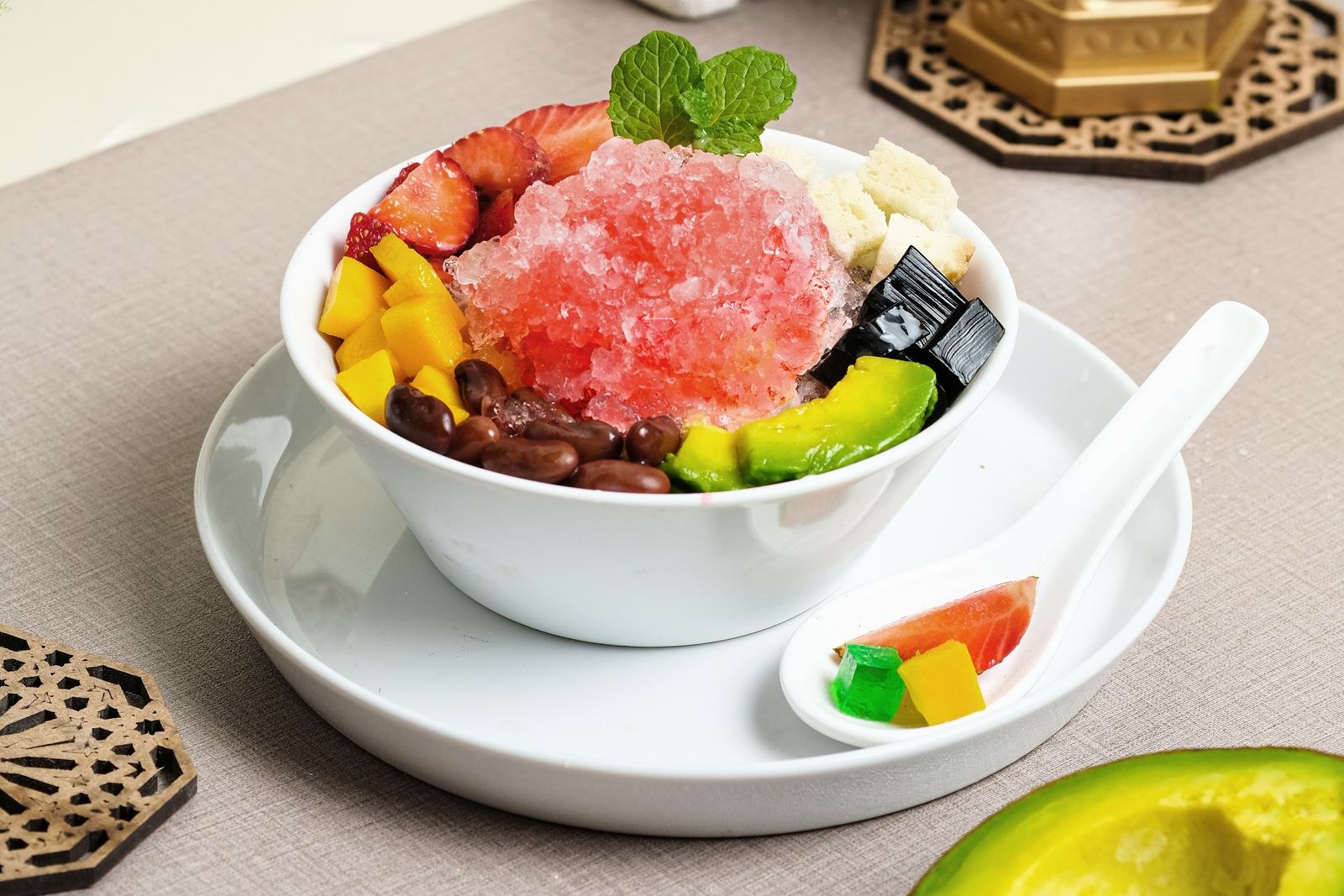
The urban end of the same table sits on Yongxing Island, where the city’s first hotpot restaurant opened in April 2024 and serves 糟粕醋火锅 zāopòcù huǒguō, the fermented-lees hotpot, and a fishermen’s seafood hotpot; a coffee house runs a branch there, and a bowl of 清补凉 qīngbǔliáng, the coconut-milk dessert soup, is described by the city’s own writing as the island’s summer standard. The differentiation this page owes the site is the distance between a boat and a village. The 疍家 Dànjiā Tanka pages describe people who live and work on their boats; the Tanmen and harbour pages describe town quays and market stalls on the main island; this page describes a coral-islet settlement where the family that fished is the family that cooks, and where the largest fish never leaves the house. What the record refuses, once more: a printed menu or a price list for any of these kitchens, of which there is none; a current count of how many operate, since the only firm number is the six of 2015; and any official standing behind the barbecue stall’s name, which is a sign and not an award.
Words and Names
岛礁渔家乐 dǎojiāo yújiālè is the family-kitchen restaurant on a reef islet; 做海 zuòhǎi, literally doing the sea, is the local phrase for every way of working on the water, and it is the reason the menu changes with the catch. 鸭公岛 Yāgōng Dǎo Yagong Island and 银屿 Yínyǔ Yinyu in the 永乐群岛 Yǒnglè Qúndǎo Yongle Islands are the anchors, and 永兴岛 Yǒngxīng Dǎo Yongxing Island is where the city’s urban table sits. 清补凉 qīngbǔliáng is the coconut-milk dessert soup, 糟粕醋火锅 zāopòcù huǒguō the fermented-lees hotpot. The site’s Tanka boat pages and its Tanmen and harbour pages each keep their own setting; this page keeps the coral-islet kitchen and the fisherman who cooks.
What the Locals Know
Getting to these tables is the whole difficulty, and it is the reason the page reads the way it does. Yagong and Yinyu are reached only by the cruise that lands passengers by tender boat or by the city’s own boats, and no one stays overnight on the islets, so a lunch here is a shore lunch inside a sailing schedule rather than a restaurant booking. On 永兴岛 Yǒngxīng Dǎo Yongxing Island the seafood kitchens and the hotpot restaurant are open to those who are on the island at all, which for ordinary travellers means the cruise and its shore programme. There is no printed menu, no published price, and no way to reserve a particular table; what you eat is what the morning brought in.
Pair the two ends of the day: the fishermen’s kitchen and its steamed green wrasse at midday on the islet, the conch and the urchin bought or eaten on the sand, and the city’s hotpot, its coffee house and a bowl of 清补凉 qīngbǔliáng back on Yongxing in the evening if the schedule allows. What the record refuses, once more and plainly: a menu and a price for any kitchen; the current number of kitchens, beyond the six counted in 2015; and any statement that the fishermen became professional cooks, when the point of the whole arrangement is that they did not.
flowcloud would say that the reef-islet kitchens of Sansha are family tables on the sandbars of the Yongle Islands, where the men fish and the women cook and the morning’s catch is the evening’s menu, six of them counted on Yagong Island by 2015 and read by the city as fishermen moving into tourism, with the largest fish of the day kept for the family and a bowl of qingbuliang to close.
Where to find it: the family kitchens of 鸭公岛 Yāgōng Dǎo Yagong Island and 银屿 Yínyǔ Yinyu in the 永乐群岛 Yǒnglè Qúndǎo Yongle Islands, and the seafood and hotpot tables of 永兴岛 Yǒngxīng Dǎo Yongxing Island, the seat of 三沙市 Sānshā Shì Sansha, Hainan Province; the islets are reached only by the Xisha cruise or the city’s boats and take no overnight guests, nothing here is served to a printed menu or a published price, and what is on the table is decided by the morning’s catch.