
Growing a Cabbage on Coral Sand, Sansha’s Food Supply
三沙的菜篮子 Sānshā de càilánzi, the vegetable basket of 三沙市 Sānshā Shì Sansha, is the food story behind the fish: a prefecture-level city with almost no farmland, built on coral sand in the Xisha where freshwater is scarce and typhoons are frequent, that once paid more for greens than for seafood and now grows them in pipes. Sansha administers the Xisha, Zhongsha and Nansha Islands and their waters, Chinese territory, and it is the southernmost prefecture-level city in China, the largest by sea area and the smallest by dry land. The city’s territory was once nicknamed the 南海戈壁滩 Nánhǎi Gēbìtān, the Gobi of the south sea, and the whole of its food supply is the story of moving water and soil to a place that has neither, which is what makes this page unlike any other on this site.
Water comes four ways to 永兴岛 Yǒngxīng Dǎo Yongxing Island. There is the shallow island groundwater, brackish and fit only for washing; there is collected rainwater, treated; there is freshwater carried in by the supply ships; and there is desalinated sea water, which now carries most of the load. The island built a plant producing 300 tonnes a day at the end of 2014, and after a 1,000-tonne plant came online in October 2016 the island’s desalinated supply reached about 1,800 tonnes a day. The ships matter to the kitchen as much as the plant does: 三沙1号 Sānshā Yī Hào Sansha No.1 can carry 300 to 500 tonnes of freshwater on a run, and in the years before the city was founded the monthly supply ship brought 200 tonnes of freshwater alongside about 200 tonnes of vegetables and daily goods. Every leaf grown on the island is grown on that water.
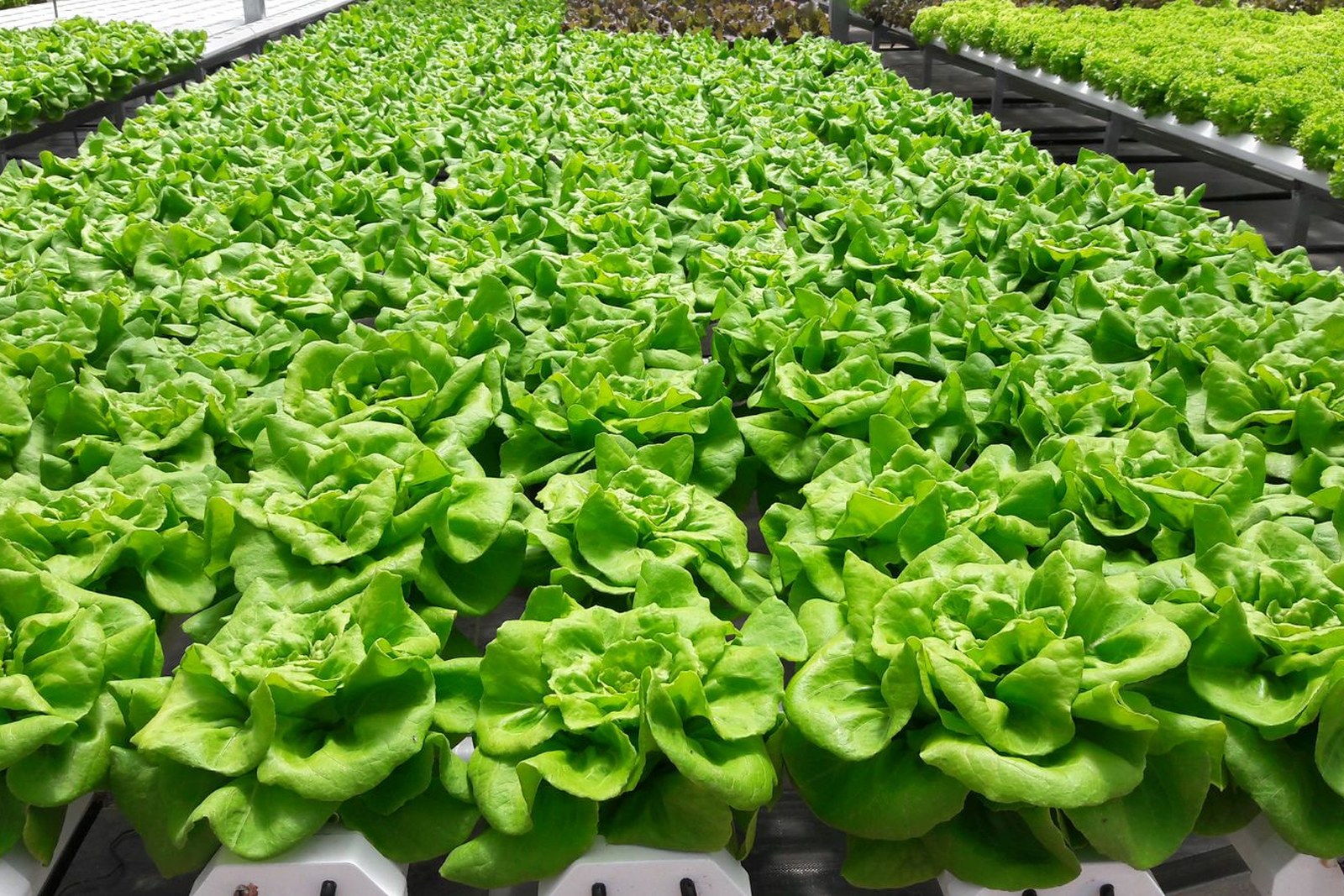
The greenhouses are a technology answer to a soil answer that does not exist. 永兴岛 Yǒngxīng Dǎo Yongxing Island grows its vegetables without soil, in pipes and troughs fed by a water-and-fertiliser system, on a growing medium of coconut coir, coral sand and organic fertiliser, watered with desalinated water; the city reports an average harvest of about 3,000 jin of vegetables a month, and two houses covering about five mu, close to 3,000 square metres, that yield more than 70,000 jin a year in the high season. A 2024 count puts the island’s actual planted area for vegetables and fruit at five mu and its annual vegetable output above 40,000 jin. Those figures belong to different years and different units, a month, a pair of houses, a whole island, and this article keeps them apart rather than adding them, because the record offers no single self-sufficiency series for the city.
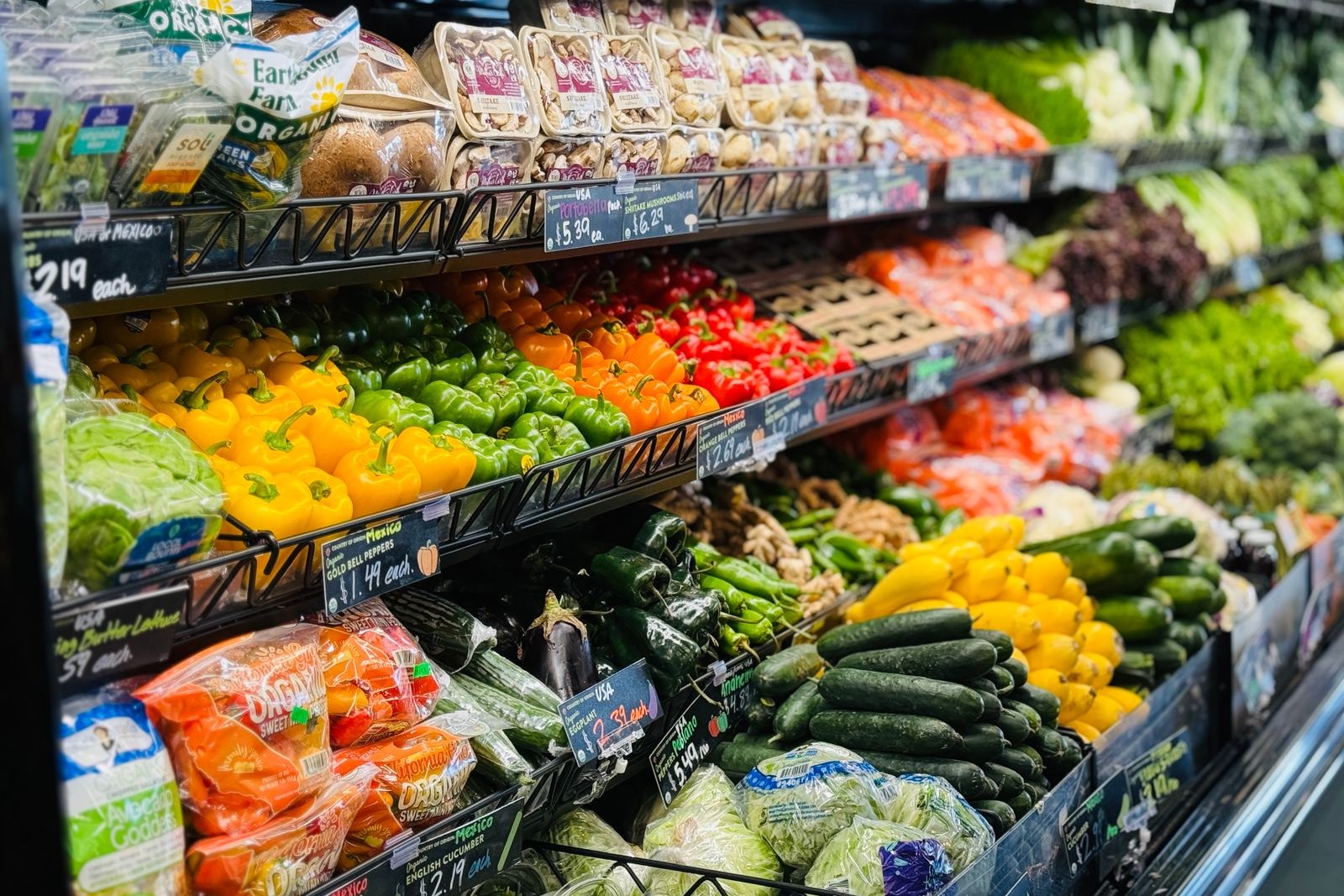
Fruit followed the vegetables. 赵述岛 Zhàoshù Dǎo Zhaoshu Island grows more than 600 acerola trees, along with noni and passion fruit and its kitchen plots; the ring road of 永兴岛 Yǒngxīng Dǎo Yongxing Island is planted with close to a thousand noni trees, and the acerola grove at 滨海社区 Bīnhǎi Shèqū Binhai community holds more than a thousand trees. Noni is also a small craft: the fruit is sliced and dried for four or five days to be drunk as a tea and sold as a keepsake. The city’s retail side changed in December 2025, when the 三沙市商业中心 Sānshā Shì Shāngyè Zhōngxīn Sansha Commercial Centre opened on Yongxing Island at about 6,000 square metres, with a supermarket, a burger outlet, a bookshop and a barber; the supermarket’s range went from about 1,100 lines to 3,200, with fresh produce and meat added, and its 菜篮子 càilánzi vegetable-basket counter is priced about ten per cent below 海口 Hǎikǒu Haikou, on the government’s own December 2025 account.
The differentiation here is a whole category the site has no page for: not a fish, not a market, but how a city with no farmland feeds itself. The Tanmen, Changjiang, 八所 Bāsuǒ Basuo and 疍家 Dànjiā Tanka pages are all about catching and eating the sea; this page is about the other half of the plate, and about the machinery, desalination, soilless pipes and a ship’s timetable, that puts a cabbage on coral sand. Sansha’s distinctiveness holds here as it does everywhere in this column: an offshore reef sea, China’s southernmost prefecture-level city, a geographical-indication brand for its catch and a cruise-and-supply system rather than a road. What the record refuses: any official annual vegetable total or self-sufficiency rate for the city; any output or value figure for the noni and the acerola; any annual total for desalinated water; and any retail price for island-grown vegetables, because the only published comparison is the supermarket counter below Haikou.
Words and Names
三沙的菜篮子 Sānshā de càilánzi, the vegetable basket, is the city’s own phrase for its food supply. 永兴岛 Yǒngxīng Dǎo Yongxing Island is where the greenhouses, the desalination plants and the commercial centre stand; 赵述岛 Zhàoshù Dǎo Zhaoshu Island and 滨海社区 Bīnhǎi Shèqū Binhai community are the orchard sites. 诺丽果 nuòlìguǒ is noni, 针叶樱桃 zhēnyè yīngtáo acerola and 百香果 bǎixiāngguǒ passion fruit; 椰糠 yēkāng is the coconut coir and 珊瑚砂 shānhú shā the coral sand the beds are built on. 无土栽培 wútǔ zāipéi, soilless cultivation, and 海水淡化 hǎishuǐ dànhuà, desalination, are the two technologies the page turns on, and 三沙1号 Sānshā Yī Hào Sansha No.1 is the ship whose water tanks reach the island when the plants cannot. No other page on this site treats the supply of food to an island, and the seafood pages keep to the sea.
What the Locals Know
To see any of it, a visitor has to be on 永兴岛 Yǒngxīng Dǎo Yongxing Island, which is reached by the supply ship or the official flight and not by road, and which is not open to ordinary travellers; the people who see the greenhouses most often are the canteens and the units they supply. The greenhouses are a production site rather than an attraction and have no official arrangement for visitors, so the honest version is that a passenger on the Xisha cruise sees the orchards of 赵述岛 Zhàoshù Dǎo Zhaoshu Island along the island walk and buys the island’s produce at the supermarket on Yongxing rather than touring a farm. The commercial centre is open, and its vegetable counter is the one place a visitor can put the city’s food supply on a table and read the price.
A day that makes sense of the page pairs the fish and the garden: the reef catch at lunch, the noni and the acerola along the road in the afternoon, the supermarket and its vegetable-basket counter before the boat leaves. What the record refuses, once more and plainly: a self-sufficiency figure for the city, which is not published; an output or a price for the fruit; a visitor’s tour of the greenhouses, for which there is no official arrangement; and any annual total for the water, of which only the plant capacities are on record.
flowcloud would say that Sansha’s food supply is the story of a city with no farmland learning to feed itself, drawing freshwater four ways and desalinating about 1,800 tonnes a day on Yongxing Island, growing greens without soil on coconut coir over coral sand at about 3,000 jin a month, planting noni and acerola along the island roads, and pricing its supermarket vegetable counter about ten per cent below Haikou since December 2025.
Where to find it: the greenhouses, the desalination plants and the 三沙市商业中心 Sānshā Shì Shāngyè Zhōngxīn commercial centre with its vegetable counter on 永兴岛 Yǒngxīng Dǎo Yongxing Island, and the noni and acerola orchards of 赵述岛 Zhàoshù Dǎo Zhaoshu Island and 滨海社区 Bīnhǎi Shèqū Binhai community, in 三沙市 Sānshā Shì Sansha, Hainan Province; the island is reached only by the supply ship or the official flight and is not open to ordinary visitors, the greenhouses take no tours, and the only published price comparison is the supermarket counter about a tenth below 海口 Hǎikǒu Haikou on a 2026-10 snapshot that floats.