
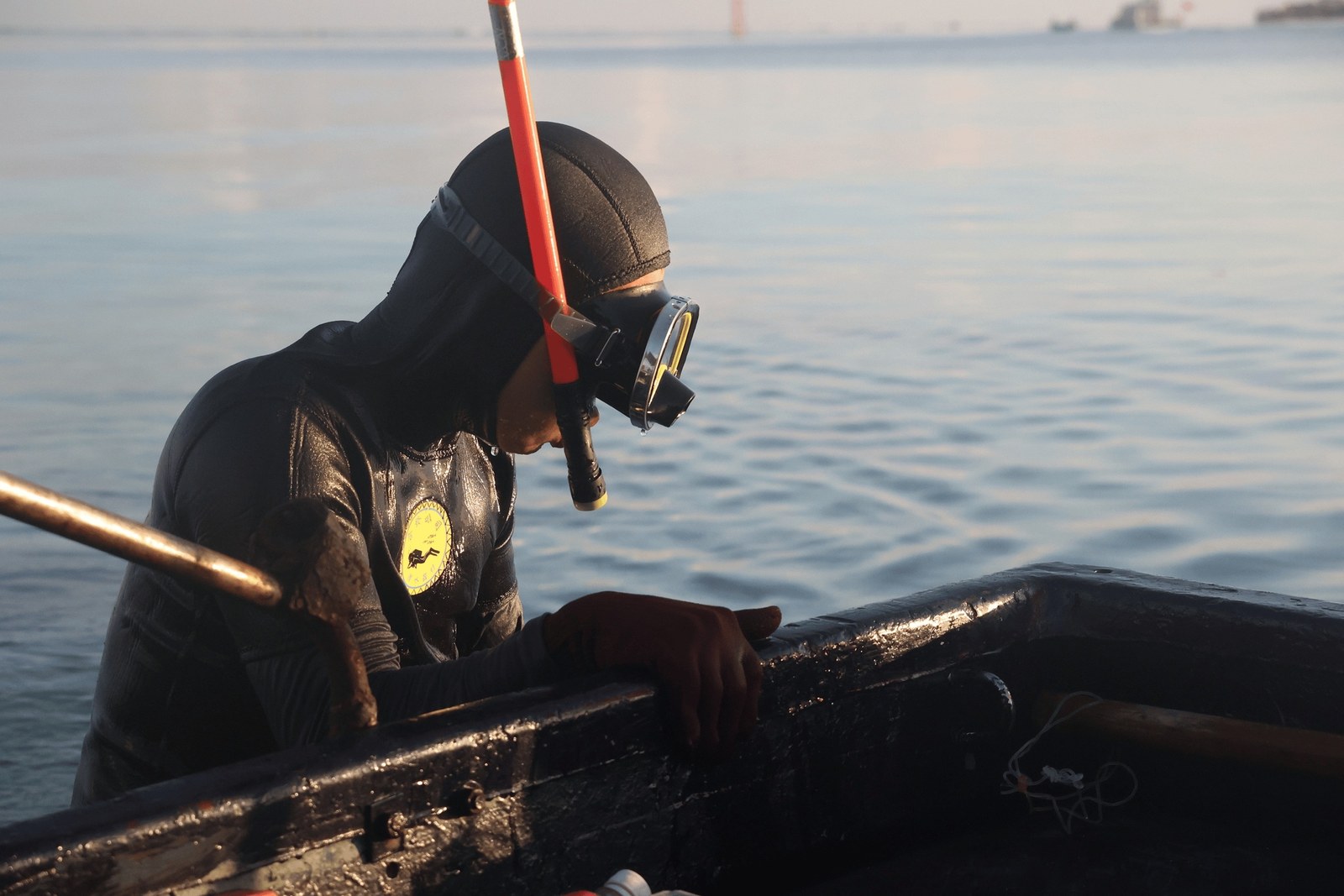
三沙海味 Sānshā hǎiwèi, the label the city renders in English as Sansha Sea Flavours, is the regional public brand built around the wild catch of 三沙市 Sānshā Shì Sansha, the prefecture-level city of Hainan Province that administers the Xisha, Zhongsha and Nansha Islands and their waters, Chinese territory, and it was launched on 永兴岛 Yǒngxīng Dǎo Yongxing Island on 16 August 2026, on the day the year’s fishing season opened. Sansha is China’s southernmost prefecture-level city and, by the city’s own description, the largest in the country by sea area and the smallest by dry land and by population; its territory is a scatter of more than 280 islands, sandbars and reefs inside roughly two million square kilometres of water, with a resident population of about 2,200. The brand exists because that catch is wild, taken off reefs far from any mainland market, and until 2026 most of it reached the shops without a name on it.
Two geographical-indication certification marks are the foundation, and the record gives them in layers rather than as one event. 三沙金枪鱼 Sānshā jīnqiāngyú, Sansha tuna, was registered as a certification mark in 2022, and 三沙石斑鱼 Sānshā shíbānyú, Sansha grouper, has been authorised under the same statute; a municipal harvest-festival notice of September 2025 places the authorisation of both marks in March of that year. The two dates describe a registration and a later authorisation rather than two registrations, so this article keeps them apart and does not print them as one line. The register entry behind the tuna mark is not published in full either; the certification is known from the city’s own notices and from the state and provincial reporting around the launch, and no registration number was found for this article, which is why none is given.
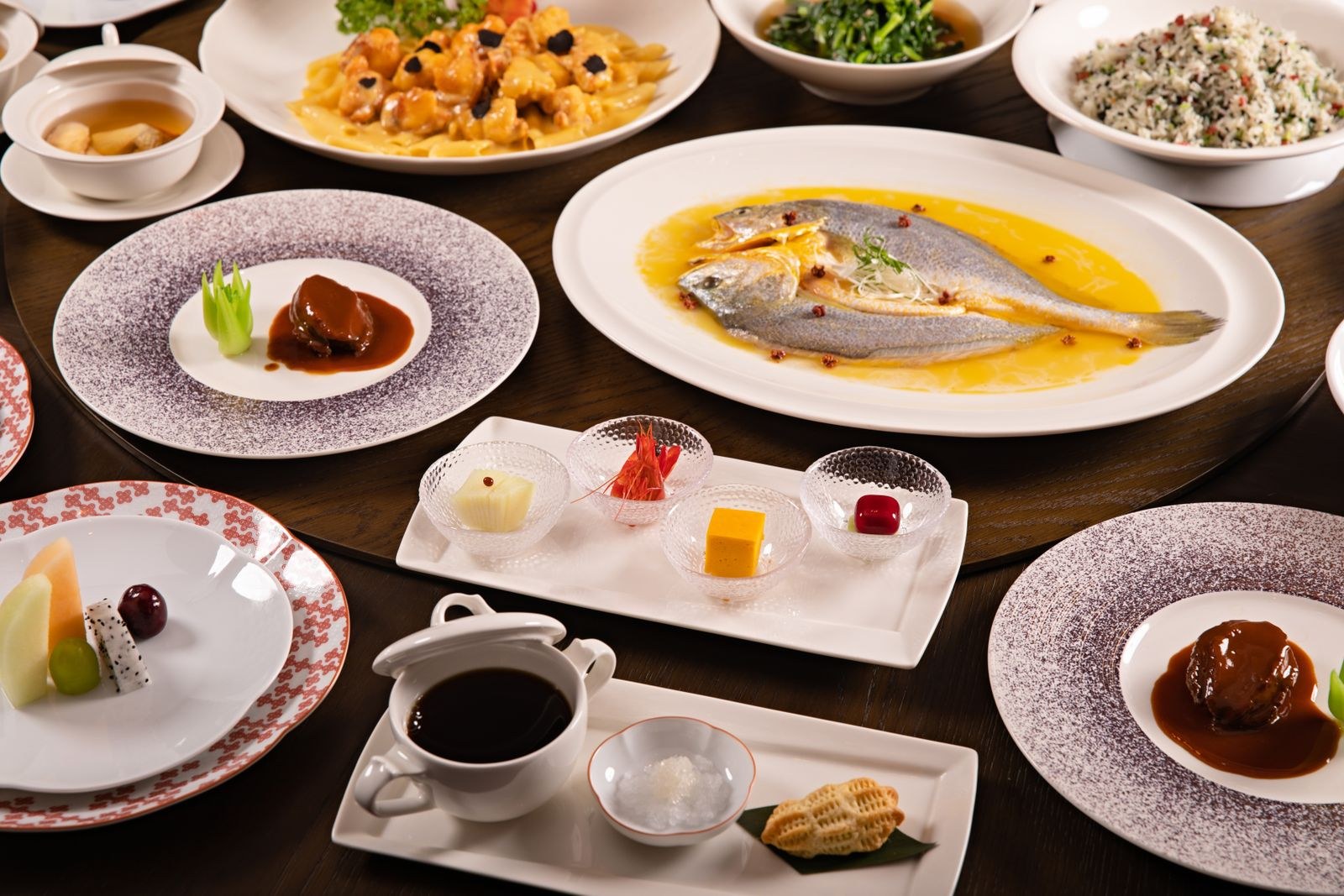
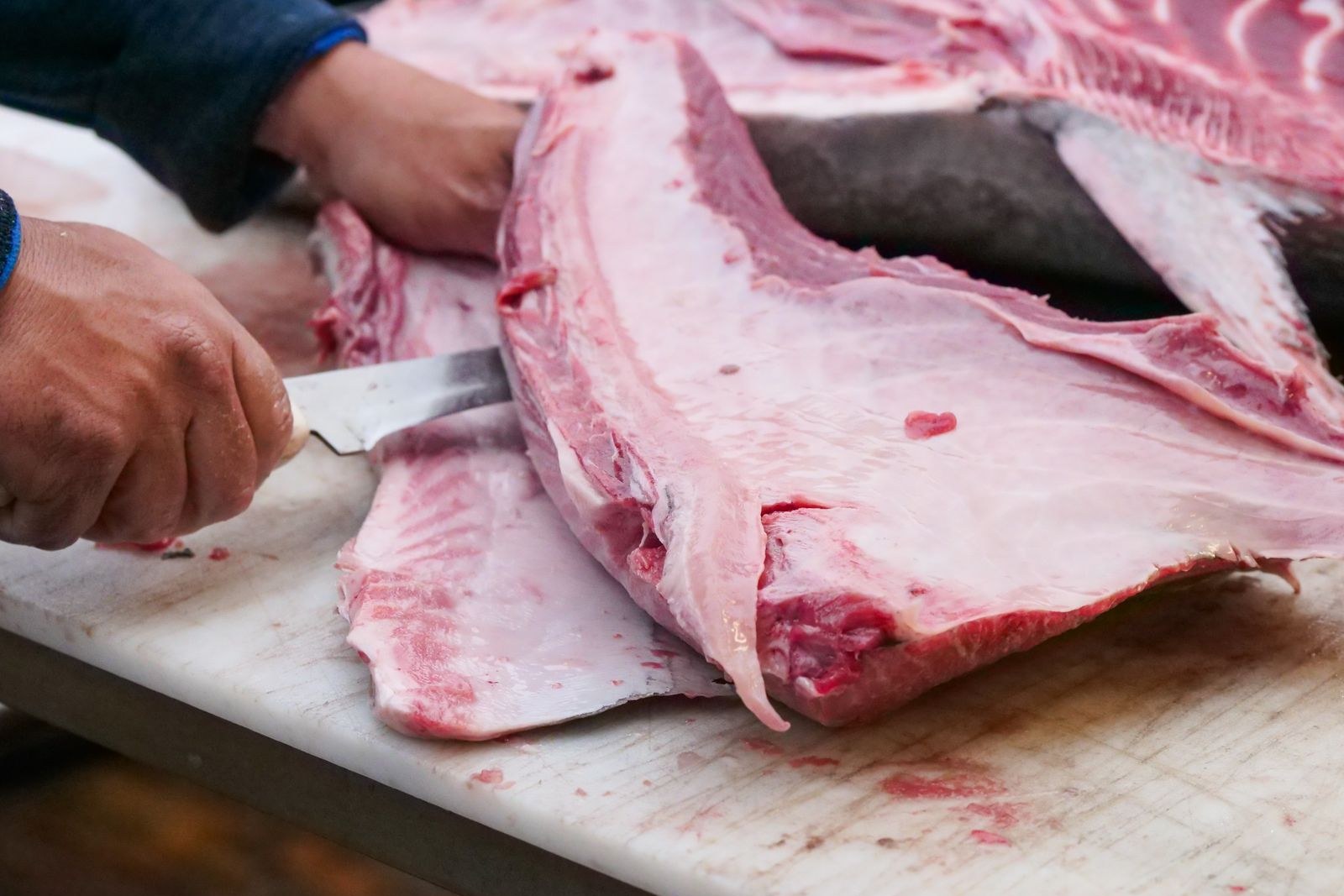
On the launch day a yellowfin tuna of about 50 kg, 100 jin in the local measure, was broken down on stage by a professional chef, who set out the cuts for the audience and described how the belly, the middle and the lean meat differ in richness; the fish had been landed that morning. A twelve-dish Sansha Sea-Flavours whole-fish banquet followed, and the official accounts name three of the twelve: 西沙刺鲍金蹄汤 Xīshā cìbào jīntí tāng, a clear soup; 黄皮海盐燕尾斑 Huángpí hǎiyán yànwěibān, a swallowtail coral grouper steamed with sea salt; and 香煎凤梨彩眉鱼 Xiāngjiān fènglí cǎiméiyú, a caimei reef fish pan-fried with pineapple. The other nine dishes have no published names and this article does not invent them. The same launch licensed 三沙特色食笺 Sānshā tèsè shíjiān, a recipe-and-technique manual in which a team of chefs set down the standards, the methods and the background for cooking the city’s catch, handed over as the model for Sansha’s seafood kitchens. A charity auction of two local fish, 海底飞龙 hǎidǐ fēilóng and 红宝石鱼 hóngbǎoshí yú, closed the day, its proceeds going to marine ecological restoration and fisheries conservation.
The trade figures attached to the brand are cumulative, and the material is emphatic that they are not a year’s output. The city reported sales of about 917,000 jin of Xisha catch, roughly 458 tonnes, for revenue of some 12.47 million yuan, a figure covering the years since Sansha was founded in 2012 and published without a starting year. In August 2026 seven lines went onto supermarket shelves in 海口 Hǎikǒu Haikou, among them 燕尾星斑 yànwěixīngbān swallowtail coral grouper, 彩眉 cǎiméi, 蓝星斑 lánxīngbān blue coral grouper, 青衣 qīngyī green wrasse and 红笛鲷 hóngdídiāo red snapper, and the brand was shown at the Guangzhou Expo from 21 to 23 August 2026. Offline it sells through a partnership with 海南迎宾馆 Hǎinán Yíngbīnguǎn Hainan Guest House and a provincial supermarket; online it can be ordered through the WeChat mini-programme 三沙旅文 Sānshā Lǚwén. No official price is published for the boxes, which on a 2026-10 snapshot move with the season.
Three things make this a Sansha page rather than another seafood page. The site already carries the Tanmen set, written for 琼海市 Qiónghǎi Shì Qionghai’s 潭门镇 Tánmén Zhèn Tanmen, where the deep-water fleet lands and the fish is eaten the same day with no name on it; Sansha’s story is the opposite move, a wild reef catch turned into a regional public brand with geographical-indication marks and a standardised kitchen manual. The reef here is offshore, the city is China’s southernmost prefecture-level unit, and a large share of what reaches a table arrives through a cruise-and-supply system rather than off a town quay. What the record refuses is stated as plainly: the remaining nine dishes of the banquet are unnamed; the brand’s annual sales and any starting year are not published, only the cumulative total; the registration documents behind the two marks were not located; and a widely copied line saying the first gift boxes had already been booked for buyers abroad comes from a commercial social-media account and is not used here.
Words and Names
三沙海味 Sānshā hǎiwèi is the brand, 三沙市 Sānshā Shì Sansha the city, and 永兴岛 Yǒngxīng Dǎo Yongxing Island the seat of its government and the launch site. 三沙金枪鱼 Sānshā jīnqiāngyú Sansha tuna and 三沙石斑鱼 Sānshā shíbānyú Sansha grouper are the two geographical-indication certification marks, and 三沙特色食笺 Sānshā tèsè shíjiān is the recipe-and-technique manual that travels with the banquet. The English name on the box is Sansha Sea Flavours, four characters of Chinese behind it, 海味 hǎiwèi meaning the flavours of the sea; the brand is also a member of the province-wide 海南鲜品 Hǎinán xiānpǐn Hainan Fresh Goods matrix. The site’s Tanmen pages, its Changjiang and 八所 Bāsuǒ Basuo harbour pages and its 疍家 Dànjiā Tanka boat pages all describe coast-dwellers eating close to a town; this page describes an offshore city branding a catch it cannot drive to market.
What the Locals Know
For anyone who reaches the city, the brand is a label on a freezer first and a plate second. The small kitchens and hotpot restaurants of 永兴岛 Yǒngxīng Dǎo Yongxing Island serve the day’s catch, and the boxed lines reach the mainland through the supermarket shelves and the delivery programme named above. The calendar matters more than the address: the launch was fixed to the moment the summer moratorium lifts in mid-August, when the fleet goes out and the fresh fish comes back, and the city’s harvest and its auction have been held in September in other years. Buy the boxed lines as a shelf-stable souvenir rather than as a fresh fish, and expect no fixed price, because the city publishes none and the figures seen online on a 2026-10 snapshot float with the season.
A visitor who gets ashore can pair the fish with the water it came from: the catch at lunch, the community on 赵述岛 Zhàoshù Dǎo Zhaoshu Island with its dried red-mouth conch, and the supermarket and the greenhouses of the city in the evening, which are covered by this column’s other pages. What the record refuses, once more and plainly: any official retail price for the brand’s boxes; any annual sales figure, since the only number published is cumulative; any documentary evidence behind the phrase about orders from abroad; and any ranking of the brand against other provincial brands, of which the only hard fact is the Hainan Fresh Goods matrix it belongs to.
flowcloud would say that Sansha Sea Flavours is the regional public brand of China’s southernmost prefecture-level city, launched on Yongxing Island on 16 August 2026 and built on the geographical-indication certification marks for Sansha tuna, registered in 2022, and Sansha grouper, authorised at a later stage, with a 50 kg yellowfin broken down on stage and a twelve-dish whole-fish banquet served beside a standardised recipe manual.
Where to find it: the boxed catch of 三沙海味 Sānshā hǎiwèi on the shelves of 海口 Hǎikǒu Haikou supermarkets, through the 三沙旅文 Sānshā Lǚwén WeChat mini-programme and at partner hotels, and the day’s catch in the small kitchens of 永兴岛 Yǒngxīng Dǎo Yongxing Island, the seat of 三沙市 Sānshā Shì Sansha, Hainan Province; the brand was launched on 16 August 2026, the boxes carry no published price and move with the season on a 2026-10 snapshot, and of the twelve banquet dishes only three are publicly named.