
The Radish That Eats Like Fruit: Shawo Luobo
沙窝青玉脆如梨,一口清甜胜雪梨 Shāwō qīngyù cuì rú lí, yī kǒu qīngtián shèng xuělí – The green jade of Shawo crunches like a pear; one clean sweet bite beats the pear at its own game
沙窝萝卜 Shāwō luóbo Shawo radish is 天津市西青区 Tiānjīn Shì Xīqīng Qū Xiqing District’s most famous vegetable – a green-fleshed radish grown on the sandy soils of 辛口镇 Xīnkǒu Zhèn Xinkou Town’s river villages, so crisp and sweet that Tianjin eats it like fruit. The name comes from 沙窝 Shāwō the sand-hollow village ground where it grows, and the standing local saying ranks it with the best table luxuries of the old city: 萝卜赛梨 luóbo sài lí, “the radish beats the pear.”
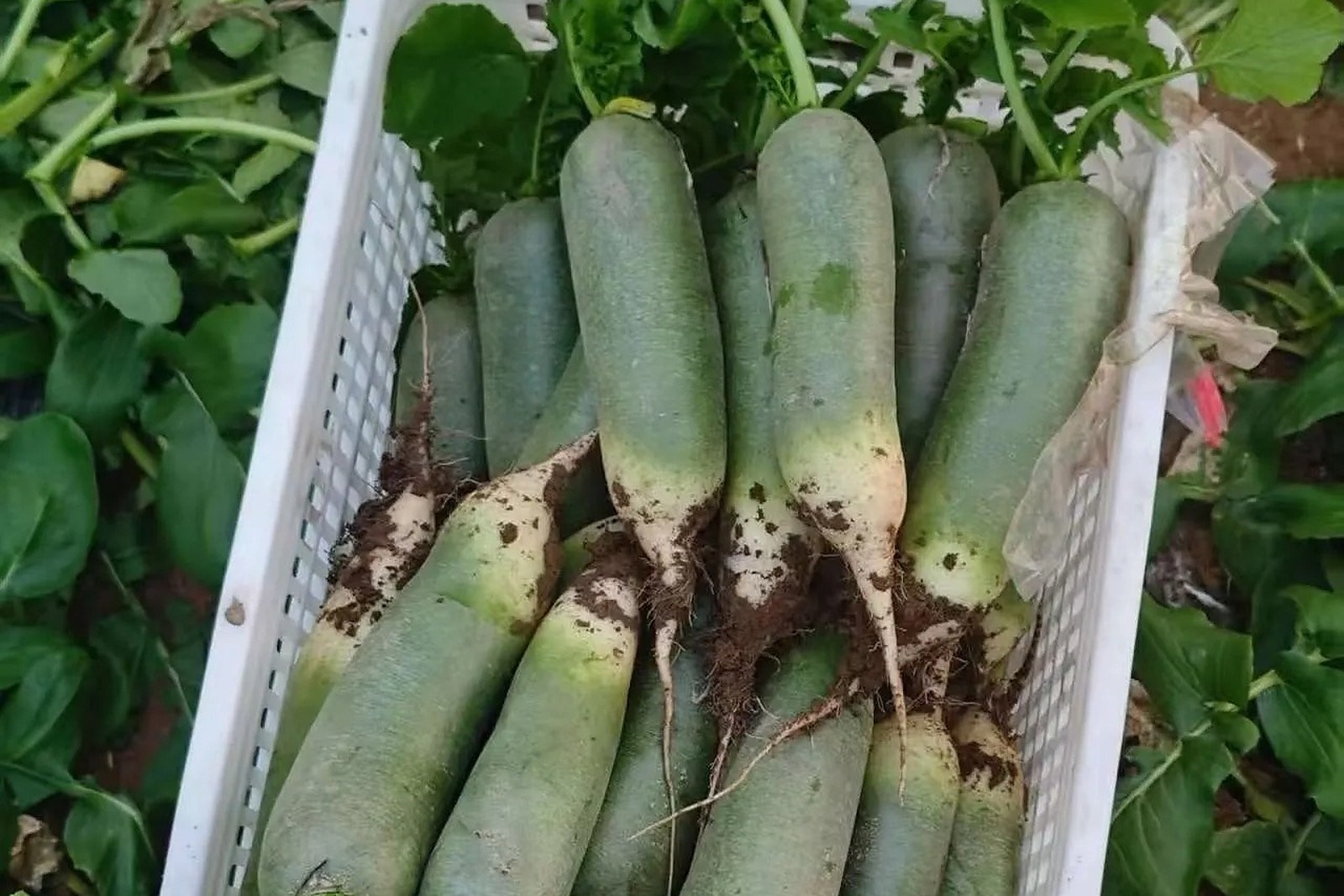
The fields explain the flavor. Xinkou’s soils are old river sand worked with well water, draining fast and stressing the roots just enough to concentrate sugar; the radishes grow long and green-shouldered with leafy tops still on when they come to market. Winter is their season – the crop matures with the cold, and the best lots traditionally come out of the ground after the first frost sweetens them further.
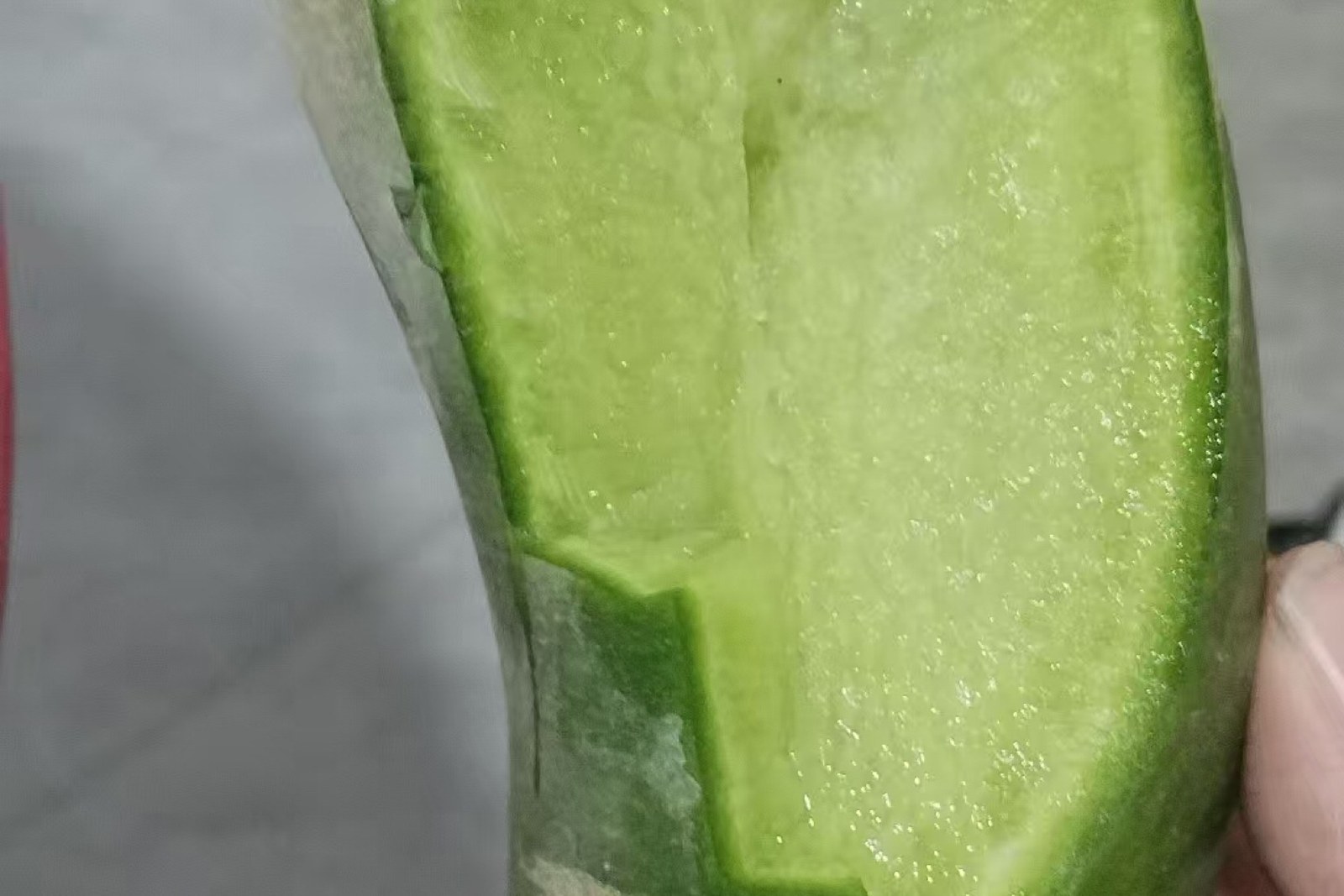
Preparation is almost an anti-craft. Vendors and families wash the root, cut it in crosswise coins or lengthwise wedges, and serve it raw – the skin scrubs off with a thumb, the flesh shows jade green, and the texture snaps like a melon. The flavor runs sweet first, then a bright radish warmth that cleans the palate; Tianjin households put a plate of it on the winter table beside rich dishes precisely because it resets the mouth.
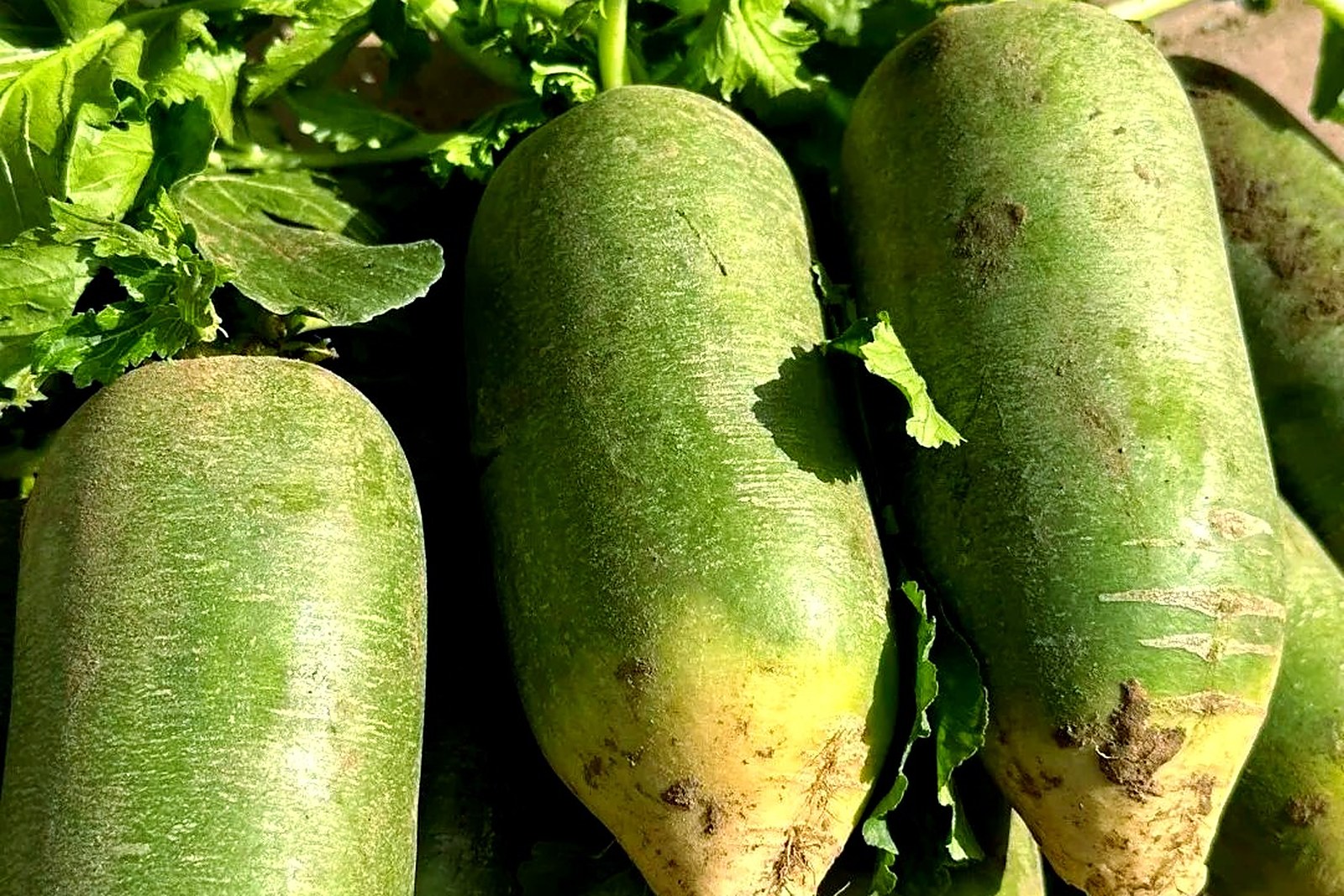
The trade around the radish is its own culture. Xinkou holds its radish festival when the season opens, crates stamp 沙窝 for the city’s fruit shops, and old hands judge a root by its weight in the hand and the ring of its snap. In a city proud of its hearty table, the district’s quiet green root has become a point of identity: ask for something fresh from Xiqing, and this is the answer.
The same district holds more flavors worth chasing: 酸沙紫蟹 suānshā zǐxiè the sweet-sour river crab, 罗汉肚 luóhàn dù the layered tripe roll, 糖醋面筋丝 tángcù miànjīnsī the sweet-sour gluten shreds, or 素盒子 sù hézi the vegetarian pan boxes – four more doors into the same Xiqing District table.
Words and Names
沙窝萝卜 Shāwō luóbo the Shawo green radish; 辛口镇 Xīnkǒu Zhèn Xinkou Town, the growing ground; 萝卜赛梨 luóbo sài lí “the radish beats the pear”; 青萝卜 qīng luóbo green-fleshed radish, the variety; 脆 cuì the snap that grades the root.
What the Locals Know
Buy by weight in the hand and by the ring of the snap – a good Shawo radish feels dense for its size and cracks clean. It peaks after the first frost, needs nothing beyond a wash and a cut, and keeps best unwashed in a cool room. Skip the core if it turns woody; the green flesh near the shoulder is the sweetest part. All checked November 2026.
flowcloud would say the Shawo radish is the district’s plain-spoken luxury: no sauce, no ceremony, just sand, water and winter doing the seasoning – and still outdressing the pear.
Where to find it: Market stalls across 天津市西青区 Tiānjīn Shì Xīqīng Qū Xiqing District stock crates of 沙窝萝卜 Shāwō luóbo from late autumn; the Xinkou radish festival marks the season’s opening, and city fruit shops sell stamped crates all winter. All checked November 2026.