
The Blue Gold of Gouqi: Shengsi Mussels
贻贝挂绳蓝海上,枸杞岛边味最肥 Yíbèi guà shéng lán hǎi shàng, Gǒuqǐ Dǎo biān wèi zuì féi – Mussels hang on ropes in the blue sea; beside Gouqi Island they fatten best of all
嵊泗贻贝 Shèngsì yíbèi the Shengsi mussel is the archipelago’s farmed treasure – blue mussels and the thicker-shelled 厚壳贻贝 hòuké yíbèi grown on rope grids in the cold, clean bays off 枸杞岛 Gǒuqǐ Dǎo Gouqi Island, where the seed lines hang in geometric rows and the harvest comes up fat, sweet and cheap by the crate. Shengsi waters grow a large share of the nation’s mussels, and the island’s whole shoreline wears the crop like jewelry: floats, buoys and the work boats that thread between them.
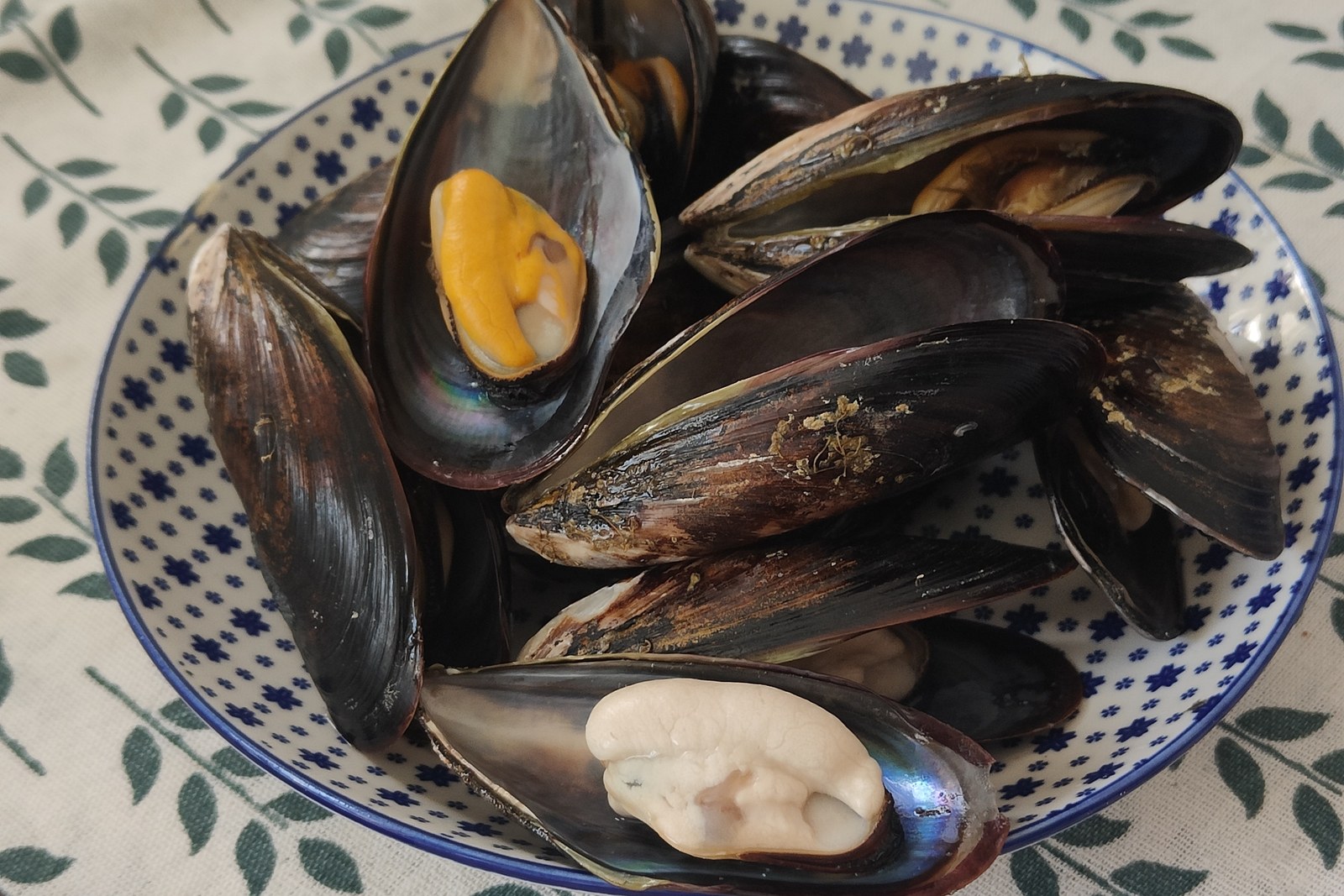
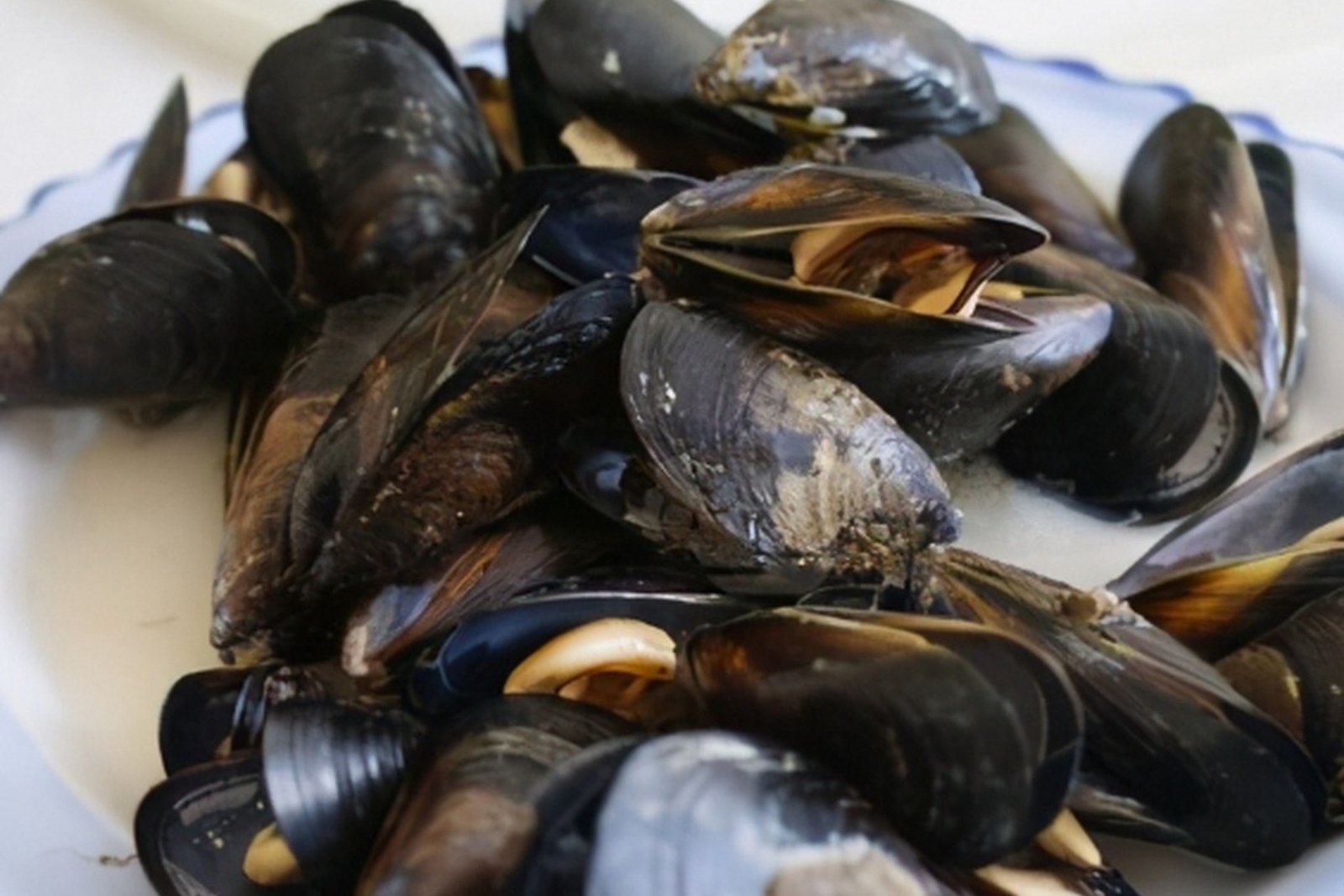
The eating is direct and generous. Steamed open with nothing but garlic – or with a splash of the local yellow wine – the mussels arrive in bowls the size of sinks, broth gone green-gold with the juices, bread or noodles deployed for the last of it. The 淡菜 dàncài – the sun-dried mussel, a pantry staple across coastal China – is the island’s export form, and the fresh ones at the island counters make the dried version read like a photograph of the real thing.
The mussel calendar is short and loud: the fats run spring into early summer, the Gouqi docks work dawn to dusk, and the island’s mussel festival – part harvest fair, part eating contest – turns the harbor into a steaming open kitchen. Travelers who time the ferry for the season eat at the source: counters shuck to order beside the grids, the night market grills them by the tray, and the price per plate makes mainland visitors check the menu twice.
Beyond the steam pots, the mussel defines the island’s look and its future: the farm grids are the seascape, the processing sheds line the quay, and the young islanders who once left for the mainland now come back to run dive-harvest tours and mussel-fed seafood streets. One rope, one bay, one shellfish – and an island economy that hangs from it, in water clean enough that the mussels themselves are the certificate.
The same coast holds more flavors worth chasing: 舟山带鱼 Zhōushān dàiyú the silver hairtail, 梭子蟹 suōzixiè the autumn swimming crab, 大黄鱼 dàhuángyú the yellow croaker, or 海鲜面 hǎixiān miàn the harbor noodle bowl – four more doors into the same 舟山市 Zhōushān Shì Zhoushan City table.
Words and Names
嵊泗贻贝 Shèngsì yíbèi the Shengsi mussel; 厚壳贻贝 hòuké yíbèi the thick-shell mussel, the local pride; 淡菜 dàncài the sun-dried mussel, the pantry form; 枸杞岛 Gǒuqǐ Dǎo Gouqi Island, the mussel island; 贻贝养殖场 yíbèi yǎngzhíchǎng the mussel farm grids, the island’s seascape.
What the Locals Know
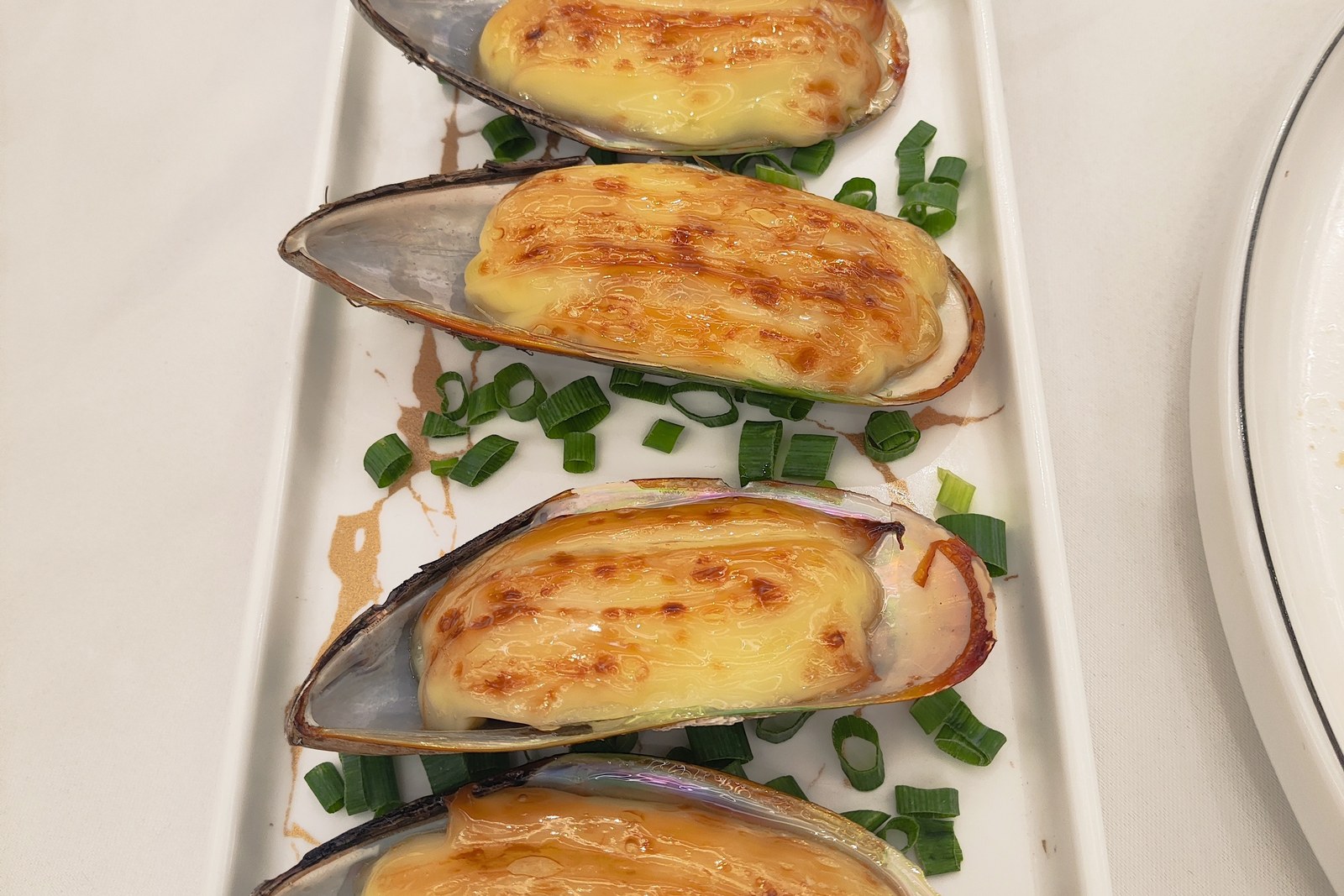
Season decides everything: spring-through-summer mussels are fat, winter ones are thin, and a counter selling out-of-season mussels is a counter to walk past. Eat them the plain way first – steamed open, garlic, nothing else – before the cheese and the sauces; the juice in the shell is the point. And buy the dried ones for the trip home only from stalls that dry in the open air, not in plastic.
flowcloud would say the Shengsi mussel is the archipelago’s simplest economic poem: a rope, a bay, a shellfish – and a harvest that turns the blue water into farmland and every steaming pot into a receipt for the cleanest sea in China. All checked November 2026.
Where to find it: Mussels steam at every counter on Gouqi and the Shengsi islands in season – plates run cheap by mainland standards, the festival weeks fill the harbor calendar in early summer, and the dried 淡菜 ships home from every market stall on the islands. All checked November 2026.