
The Steamer That Conquered China: Shengzhou Xiaolongbao
皮薄馅足一笼鲜,嵊州滋味走天涯 Pí báo xiàn zú yī lóng xiān, Shèngzhōu zīwèi zǒu tiānyá – Thin skins, generous filling, one basket of freshness; Shengzhou flavor travels to the ends of the earth
嵊州小笼包 Shèngzhōu xiǎolóngbāo runs the funniest map trick in Chinese food: across the country, tens of thousands of steamer shops advertise themselves as “Hangzhou” xiaolongbao, and most of those shops are owned by families from 嵊州市 Shèngzhōu Shì Shengzhou – the county next door that exported its buns, its bakers and its breakfast culture nationwide while letting the big city’s name open the door. In Shengzhou itself, the bun drops the borrowed label: here it is simply the county’s own breakfast, in pork and – the local masterwork – tofu versions.
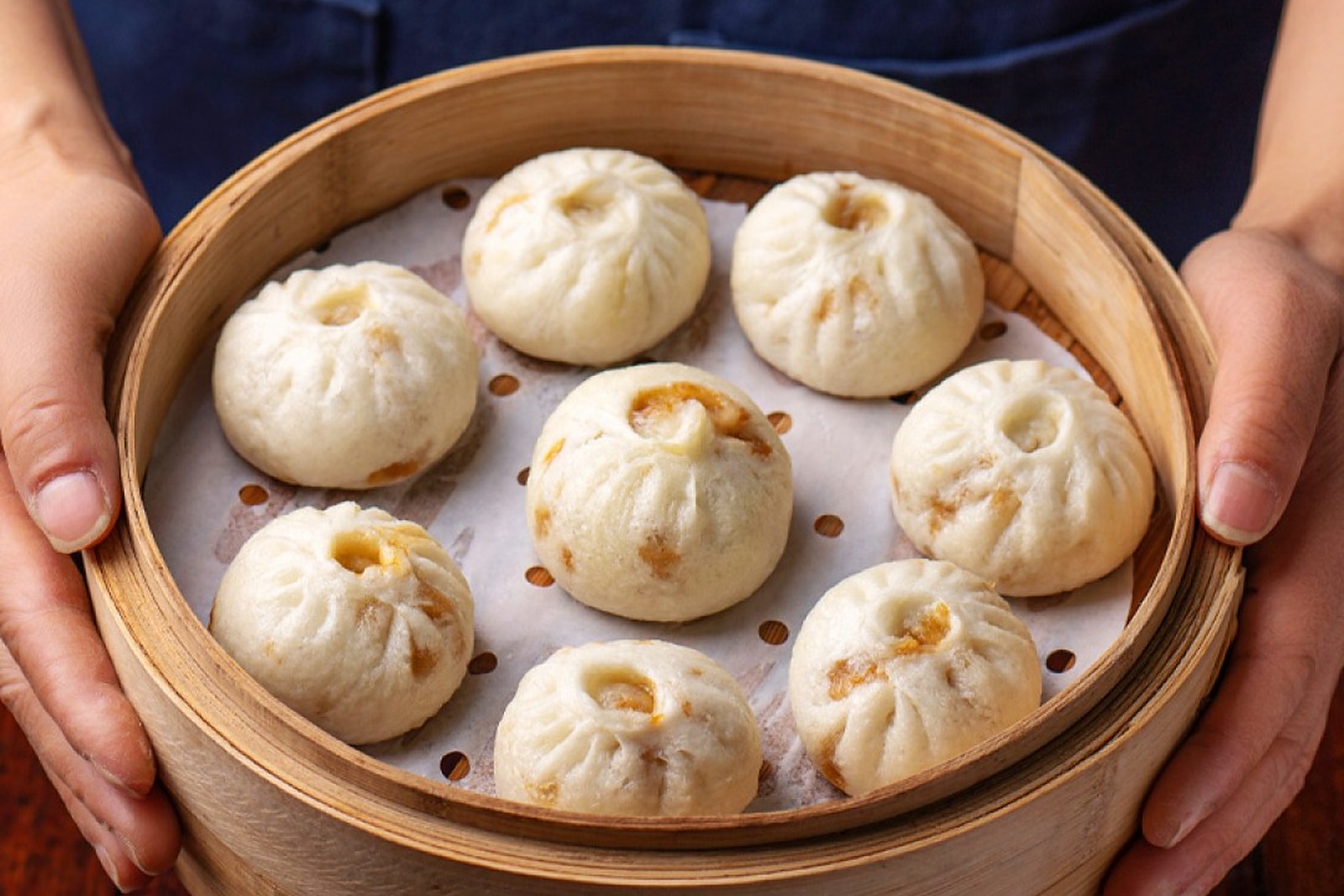
The tofu xiaolongbao is the county’s signature: seasoned tofu curd wrapped in the same thin half-raised skin, steamed until the filling sets into a trembling custard that must be sipped, not bitten. The pork version runs beside it basket by basket – juicy, pepper-flecked, seven or eight to a bamboo steamer – and the skins stay soft-edged rather than soup-dumpling translucent, a homeland style distinct from Shanghai’s thin-walled school.
Breakfast is the institution: steam racks climb six tiers by the counter, queues form before the morning buses, and the standard order is one basket of each with a bowl of salted soy milk or plain porridge. The etiquette is universal and strict – bite a corner, sip the scalding juice, then dip – and every Shengzhou child learns it standing on a stool beside the蒸笼 zhēnglóng steamers.
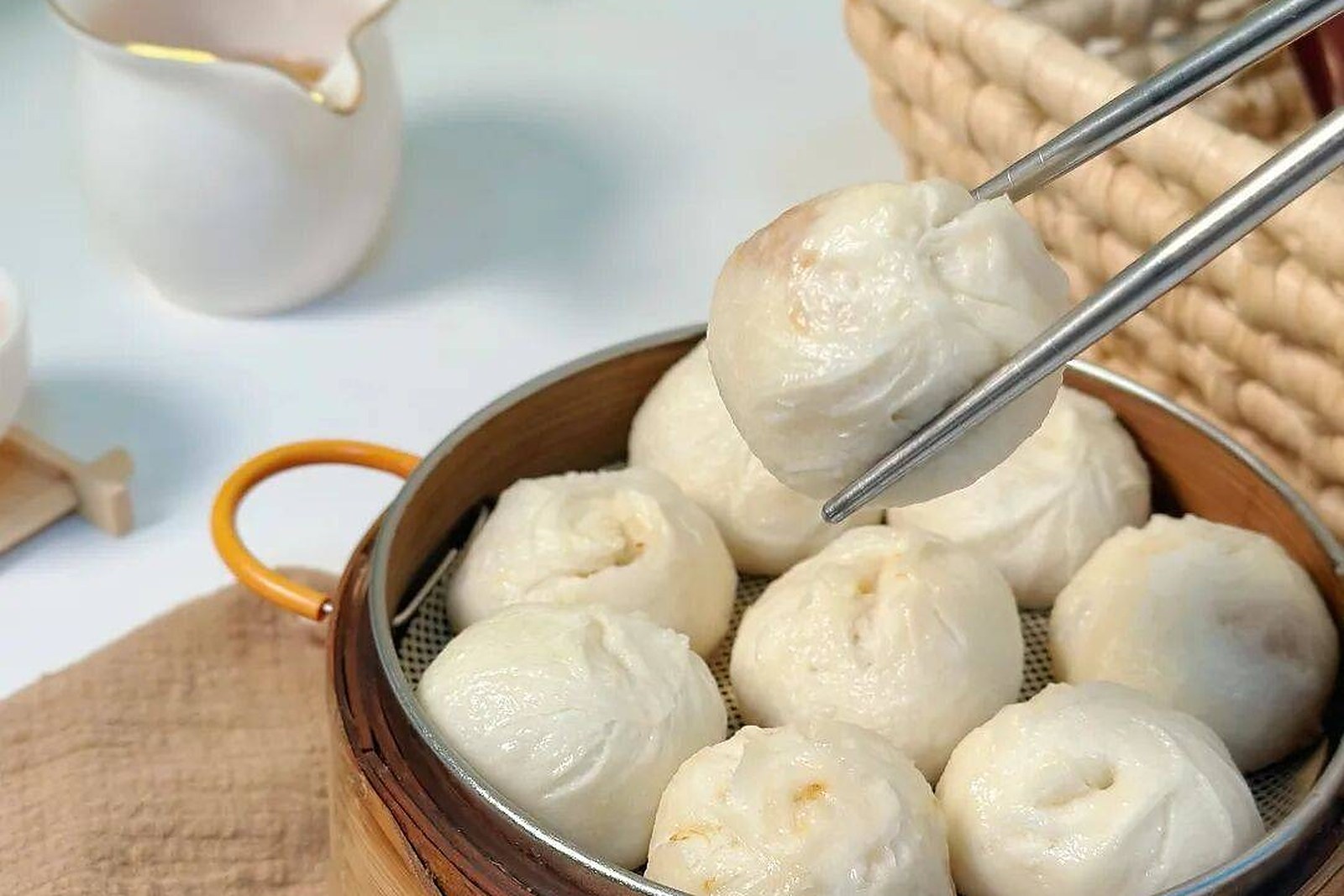
The county pairs its buns with bigger names: 越剧 Yuèjù Yue opera was born here, 王羲之 Wáng Xīzhī Wang Xizhi retired to the Shengzhou hills at Jinting, and the breakfast that funded a national diaspora sits proudly among them. Eat a basket in Shengzhou and you are eating the original that thousands of highway-side steamers only imitate – the borrowed name’s true address.
The same city holds more flavors worth chasing: 绍兴臭豆腐 Shàoxīng chòu dòufu the fried stinky tofu, 梅干菜扣肉 méigāncài kòuròu the steamed pork, 西施豆腐 Xīshī dòufu the tofu stew of Zhuji, or 新昌芋饺 Xīnchāng yùjiǎo the taro-skin dumplings – four more doors into the same 绍兴市 Shàoxīng Shì Shaoxing City table.
Words and Names
小笼包 xiǎolóngbāo xiaolongbao, the little steamer bun; 豆腐小笼 dòufu xiǎolóng the tofu-filled version, Shengzhou’s own; 嵊州 Shèngzhōu Shengzhou, the bun county behind the borrowed name; 蒸笼 zhēnglóng the bamboo steamer, stacked six high; 越剧 Yuèjù Yue opera, the county’s other export.
What the Locals Know
Tofu baskets go first – they cool fastest and collapse quickest. The juice inside is scalding enough to brand first-timers, so corner-bite and sip is law. And when a national highway town advertises “Hangzhou” buns, locals just smile: the recipe on that steamer was born in Shengzhou kitchens.
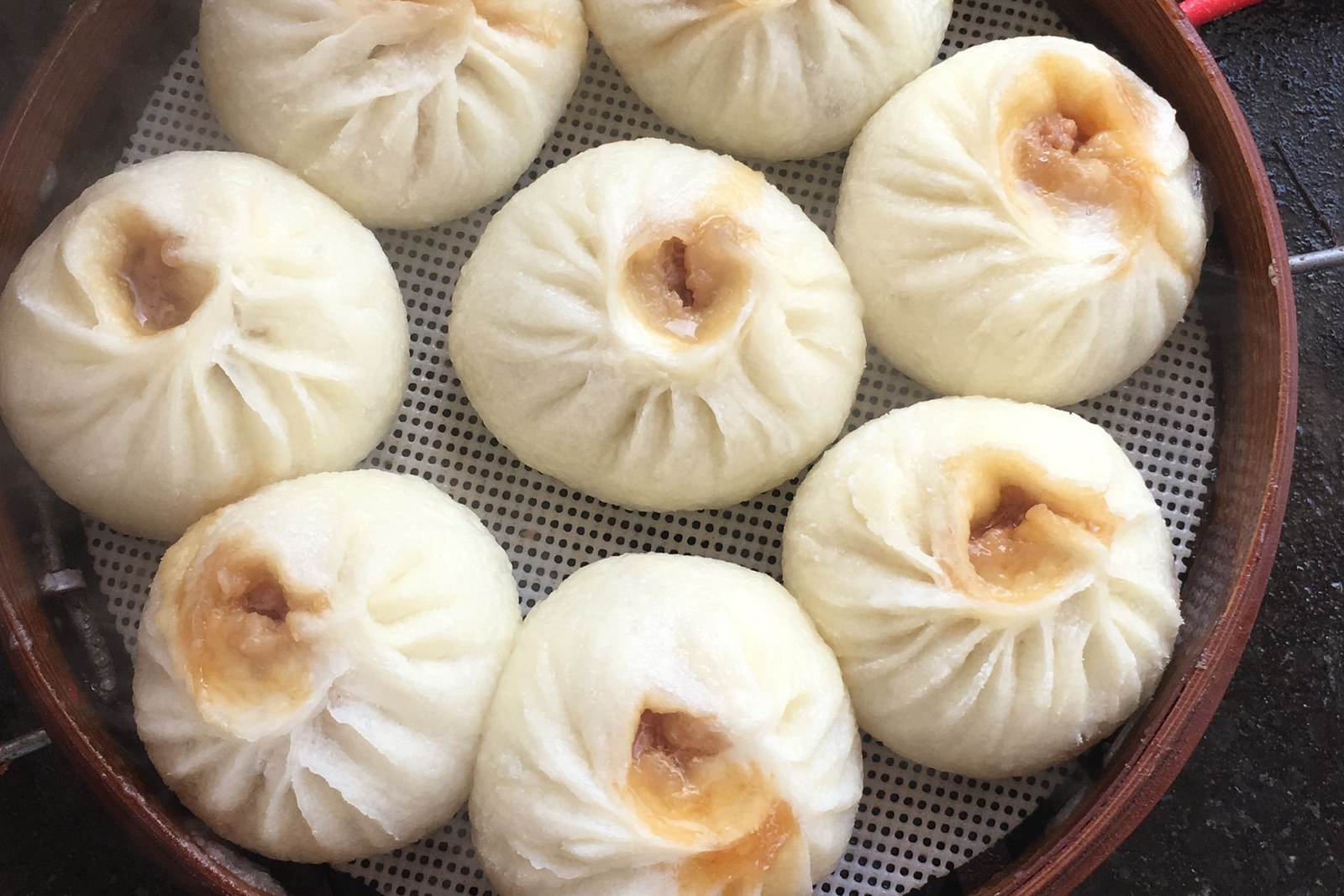
flowcloud would say a Shengzhou steamer is a county that franchised itself into folklore: a borrowed name on the signboard, the true address in the basket, and a tofu custard that documents the whole diaspora one scalding sip at a time. All checked November 2026.
Where to find it: Breakfast shops all over 嵊州市 Shèngzhōu Shì Shengzhou stack the steamers from dawn – six to twelve yuan a basket, order one pork and one tofu, the skin should be soft-edged not translucent, and salted soy milk on the side completes the county breakfast. All checked November 2026.