
Sheshan Lanbamboo: The Orchid-Scented Spring Shoots of Sheshan’s Bamboo Groves, the Legend Behind the Fragrance and the Oil-Braised Mountain-Vegetable Season of Songjiang District, Shanghai
佘山春雨兰笋出,油焖一碟带兰香。Shéshān chūnyǔ lánsǔn chū, yóumèn yī dié dài lán xiāng – When spring rains fall on Sheshan the orchid shoots break ground; one oil-braised plate carries the orchid’s fragrance.
佘山兰笋 Shéshān lánsǔn Sheshan lanbamboo is the bamboo-shoot trade of 佘山 Shéshān Sheshan in 松江区 Sōngjiāng Qū Songjiang District, Shanghai – the forested hill, Shanghai’s only true hill country, where the groves line the climbing paths and the spring calendar is measured in shoots. The shoot is the hill’s own name-story: 兰笋 lánsǔn orchid bamboo shoot, the spring 笋 sǔn bamboo shoot that legend says carries the scent of the orchids grown wild on the hillside – dig one in the season and the grove’s own fragrance rides the crumb, or so the hill’s kitchens have claimed for generations, the tale grown into the old name 兰笋山 Lánsǔn Shān Orchid-Shoot Mountain that the hill once carried. The eating register is the mountain-vegetable one: 时令春笋 shílìng chūnsǔn season-first spring shoots cooked the plain hill way – 油焖兰笋 yóumèn lánsǔn oil-braised lanbamboo, the shoots braised slow in oil, soy and sugar until the crumb turns sweet and dense – beside the stir-fried and souped plates that empty the season’s basket, the shoots priced as the 山珍 shānzhēn mountain delicacy of a district better known for its river fish (worth confirming the details – which grove supplies which kitchen and how much of the season’s basket is local turns over as hill trades do, and the specific doors are best confirmed on the hill rather than recited). The clientele is the hill’s own climbing tide plus the city’s spring-table pilgrims. The blunt definition: the hill that smells of orchids in digging season – the taste of Songjiang eaten within earshot of the grove it grew in.
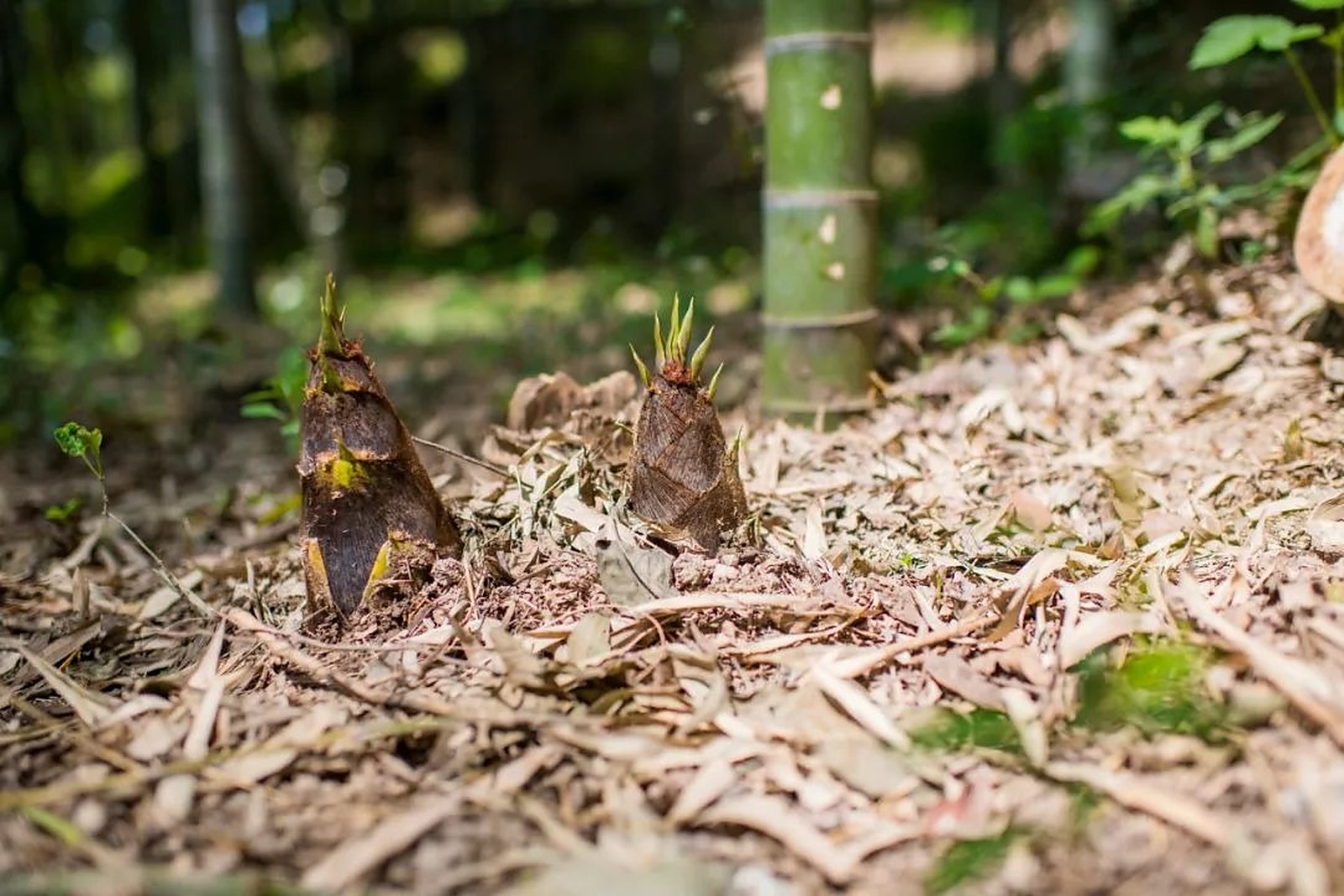
Call it honestly: mountain-vegetable money on a spring clock. Getting there is one door: 佘山 Shéshān Sheshan sits on Metro Line 9’s western Songjiang reach, 地铁9号线 Dìtiě 9 hào xiàn Metro Line 9 to 佘山站 Shéshān zhàn Sheshan station, the hill’s gates and forest-park paths a short ride or walk from the station (worth confirming the details for the station-to-gate connection and which gate fronts the eating belt today, the hill’s arrangements shifting with the park’s season calendars). A plate of oil-braised lanbamboo at a hillside table prices at casual-neighbourhood money, a spring-shoot banquet for a group at occasion-within-reason money, a basket of raw shoots at the season stalls at market money – though exact figures are worth confirming the details on rather than quoting, the trade repricing with the dig season’s curve. The crowds run to the season: the weeks around 清明 Qīngmíng Qingming stack the climbing paths and strip the best baskets by noon, shoulder weeks thin the tide to the regulars, and a spring weekday morning, when the diggers come down and the hillside kitchens fire the first braise of the day, is the eater’s own hour (worth confirming the details for individual kitchens’ hours, which follow the shoot season more than any posted sign).
The honest star is the crumb itself, graded basket by basket. What gets oversold is the “orchid-field fairyland” framing: guides sell a hill where every plate breathes perfume, and a first-timer may meet an ordinary forest park of climbing paths, snack stalls and gate-front tables – which is not the disappointment but the point. What repays the effort is grading the shoot the way the hill does: a raw shoot judged by whether the cut base smells of the grove rather than the cold store, an oil-braise judged by whether the crumb stays sweet and dense to the centre rather than fibrous at the heart, a season plate judged by whether the kitchen let the shoot do the work. The test costs nothing: eat one braise plain before you order the banquet, smell the cut base of any shoot the stall will show you, and eat where the hill’s own climbing regulars stop rather than where the orchid banners fly – a trade that has braised the same shoot for generations grades its baskets daily, and the regulars’ table is the certificate (worth confirming the details – the kitchen doors migrate with the leases, and today’s plainest gate-front may be next season’s remembered one).
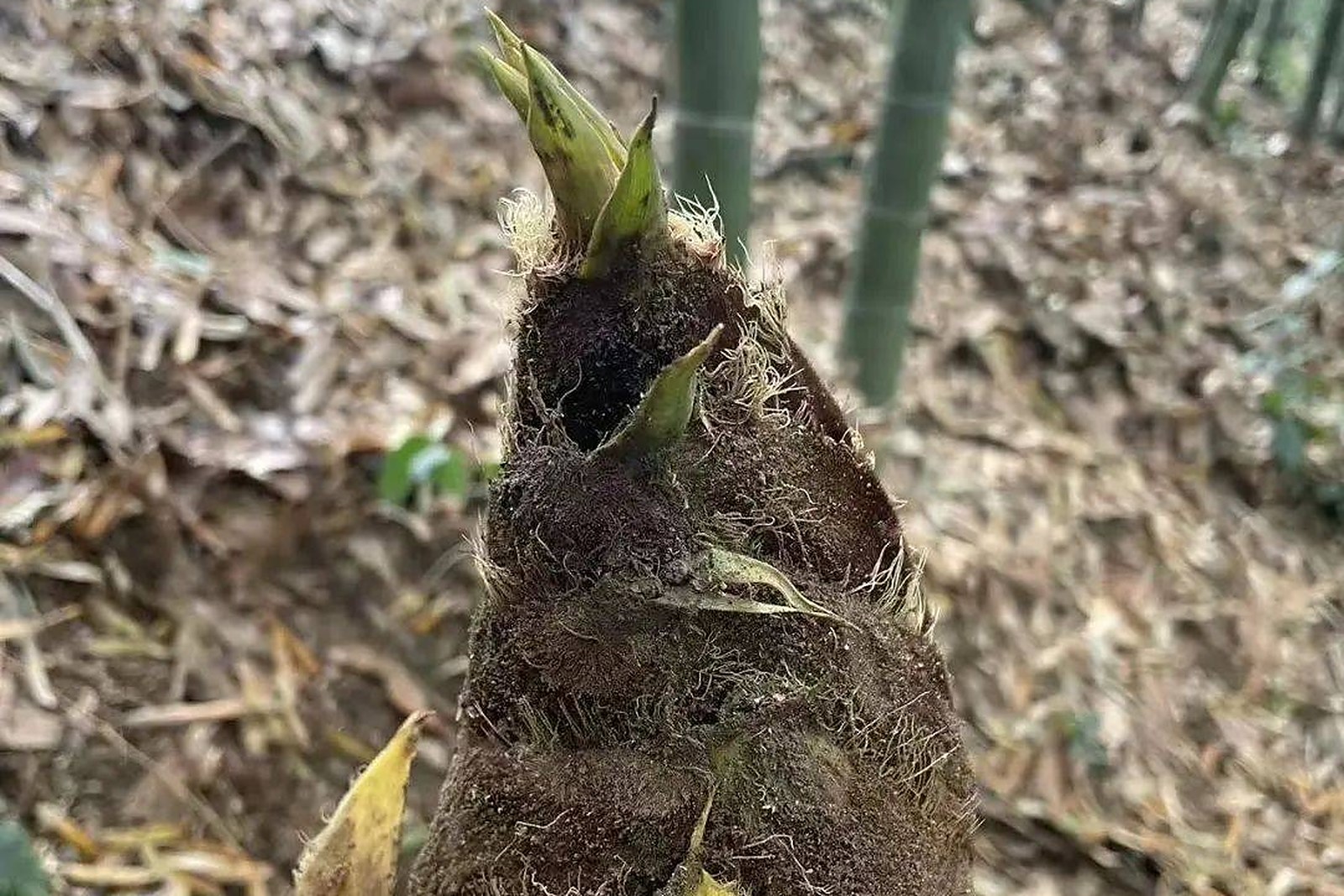
The hill’s deepest habit is the dig-season arithmetic itself: the first rains open the season, the 清明 Qīngmíng Qingming weeks set the whole hill’s clock, and the late shoots close it – a calendar the gate-front kitchens staff around and the city’s spring tide follows without reading a sign, the orchid legend riding every basket down the hill whether the scent shows or not. Time it right – a spring weekday morning, the diggers just down – and the plate explains the hill better than any legend-board: the grove wrote the name, and the braise keeps it honest (worth confirming the details – which kitchens still cook the hill’s own baskets through the season today, the trade thickening on the peak weekends and thinning to the regulars at the edges).
The rest of this Songjiang list keeps other tables: the thousand-year steam of 松江鲈鱼 Sōngjiāng lúyú Songjiang perch rises by 秀野桥 Xiùyě Qiáo Xiuye Bridge in the old creek belt, the soft steamed squares of 叶榭软糕 Yèxiè ruǎngāo Yexie ruangao bake in the tea counters of 叶榭镇 Yèxiè Zhèn Yexie town, the white-cut winter mutton of 张泽羊肉 Zhāngzé yángròu Zhangze mutton warms the banquet tables of the same town’s 张泽 Zhāngzé Zhangze belt, and the soup-bursting baskets of 泗泾小笼 Sìjīng xiǎolóng Sijing xiaolong steam in the old town of 泗泾 Sìjīng Sijing – one district, four more tables, all inside 松江区 Sōngjiāng Qū Songjiang District; and when the hillside lunch needs a bed under the groves or a broader route, the stay-and-street notes for the district pick up where the braise leaves off.
Words and Names
What the Locals Know
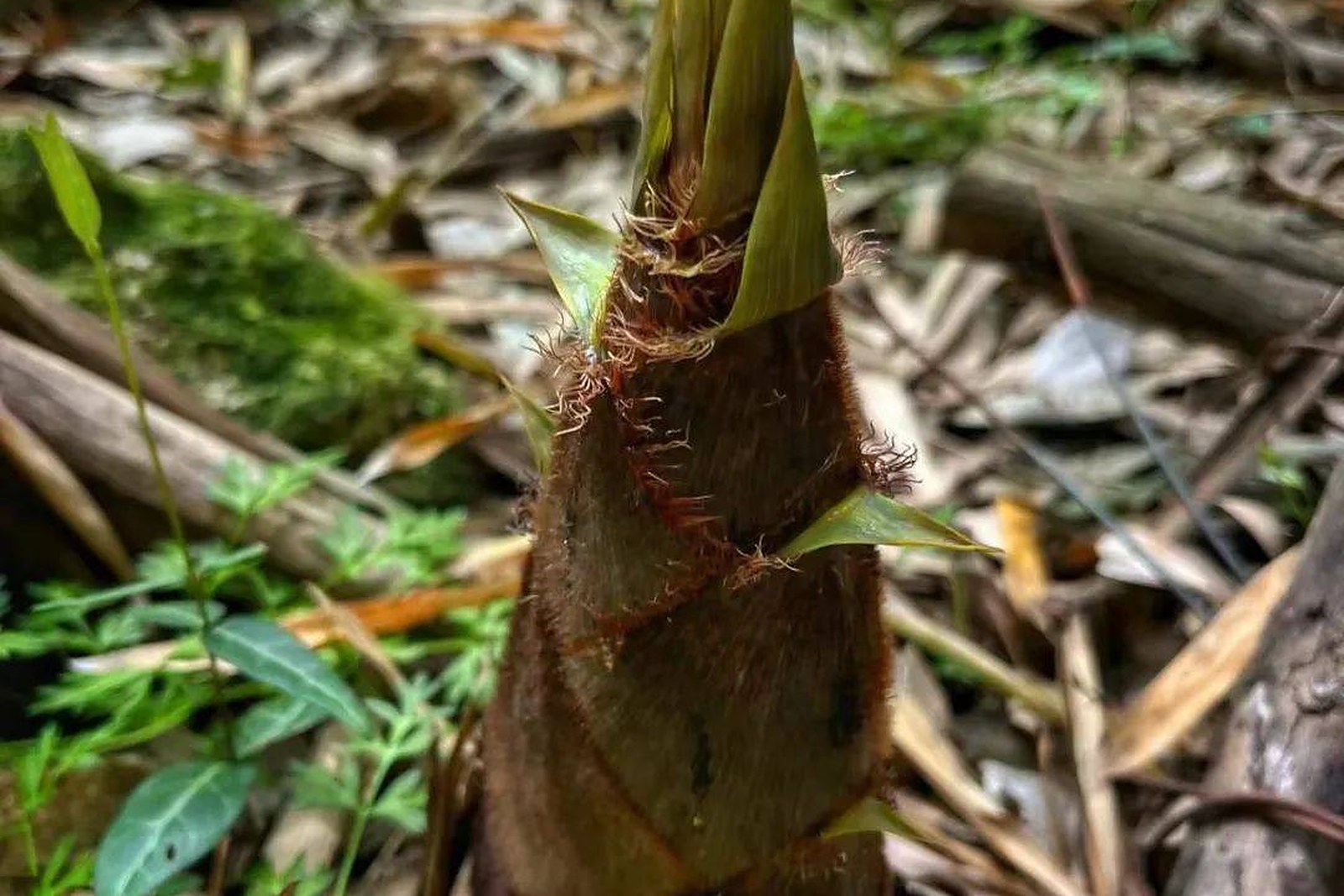
flowcloud would say that the 佘山兰笋 Shéshān lánsǔn is the orchid-scented spring shoot and the mountain-vegetable season of Songjiang District, Shanghai – a 山珍 shānzhēn hill-delicate discipline where the 兰笋 lánsǔn legend and the old name 兰笋山 Lánsǔn Shān answer the 油焖兰笋 yóumèn lánsǔn oil-braised plates and the 清明 Qīngmíng Qingming weeks of the 佘山 Shéshān bamboo groves – and that the honest move is to smell the cut base before you order, eat one braise plain, and let the hill’s climbing regulars cast the vote, because the grove wrote the name and the braise keeps it honest. All checked October 2026.
Where to find it: 松江区 Sōngjiāng Qū Songjiang District, Shanghai – the hillside eating belt of 佘山兰笋 Shéshān lánsǔn through the 佘山 Shéshān forest-park gates, where the 时令春笋 shílìng chūnsǔn season-first shoots keep the 油焖兰笋 yóumèn lánsǔn oil-braised register and the 兰笋 lánsǔn orchid legend keeps the hill’s old name 兰笋山 Lánsǔn Shān Orchid-Shoot Mountain, reached by 地铁9号线 Dìtiě 9 hào xiàn Metro Line 9 to 佘山站 Shéshān zhàn Sheshan station and the short ride or walk to the gates (worth confirming the details for the station-to-gate connection and which kitchen holds which gate frontage today, hill doors turning over as park trades do), where the trade keeps the spring clock – the 清明 Qīngmíng Qingming weeks the hill at full tide, shoulder weeks the regulars’ loop, spring weekday morning the eater’s own; market to occasion-within-reason money by the season’s curve, so call it worth confirming the details rather than a fixed number, and let the climbing regulars’ table cast the vote. Sheshan lanbamboo is the orchid-scented spring shoot of Sheshan’s bamboo groves, the legend behind the fragrance and the oil-braised mountain-vegetable season of Songjiang District, Shanghai – the taste of 松江区 Sōngjiāng Qū Songjiang District eaten within earshot of the grove it grew in. All checked October 2026.