
Shiquanhe Eats — the Crossroads Table of the Far West
两路风尘一城味,川新藏尼共一锅 Liǎng lù fēngchén yī chéng wèi, chuān xīn zàng ní gòng yī guō – Two highways’ dust, one city’s flavor; Sichuan, Xinjiang, Tibetan and Nepali share the pot
狮泉河食肆 Shīquánhé shísì the eating streets of Shiquanhe tell exactly what the roads bring in: 川菜馆 chuāncài guǎn Sichuan kitchens turning out mapo tofu and fish stews, Xinjiang noodle houses and kebab stalls supplied across the Karakoram, Nepali and Indian flavors near the border-trade stores, and Tibetan kitchens where the pot always holds yak meat and turnip broth. The variety is not a marketing line – it is the town’s biography, written by every driver, soldier, trader and pilgrim who needed feeding at 4,300 meters.
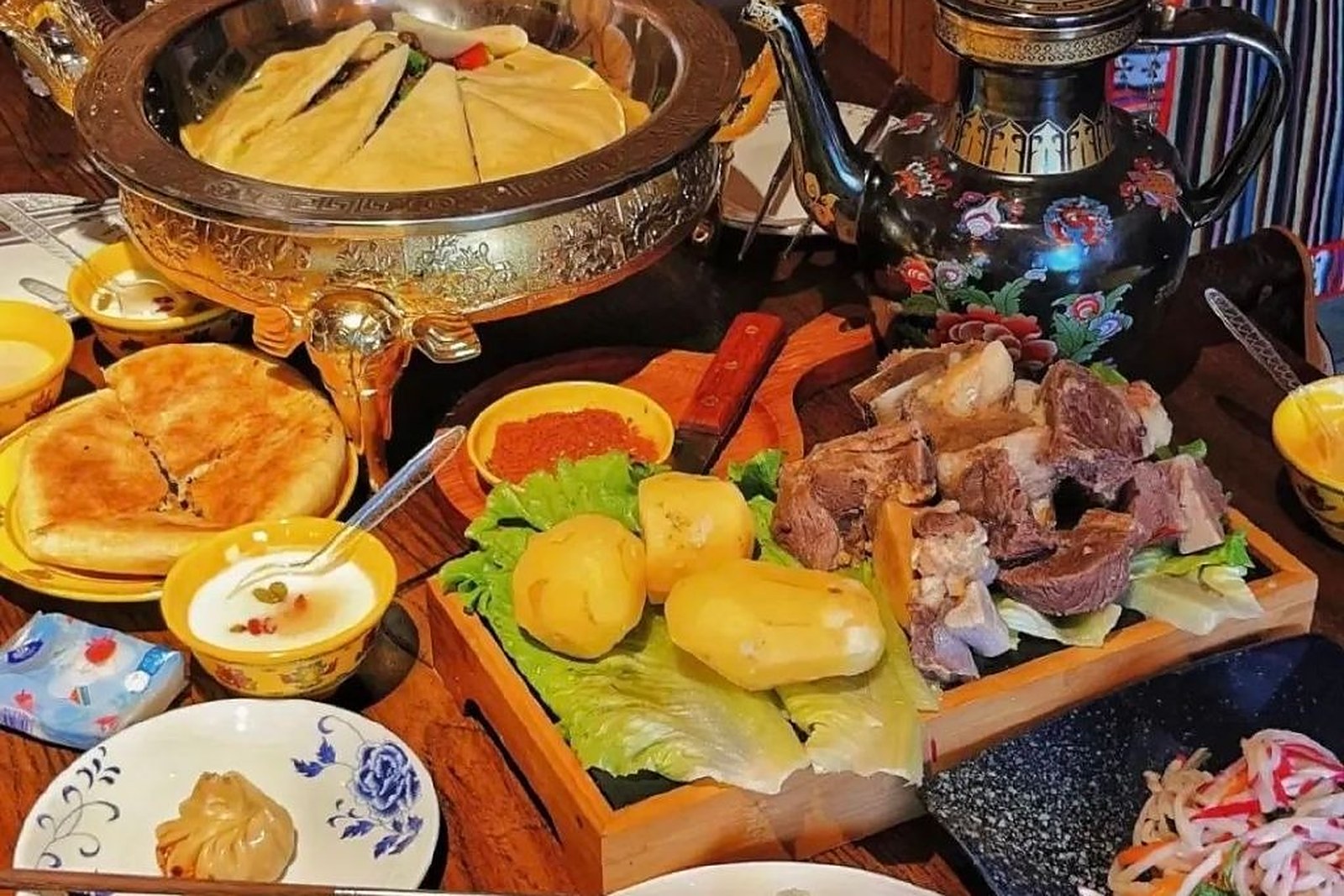
The Tibetan kitchens come first for the traveler with a mission: boiled yak with dry chili dip, 萝卜炖牦牛肉 luóbo dùn máoniú ròu radish-simmered yak, noodle soups for the early trucks, and the tea churn always going. The Sichuan houses run large portions and honest prices for the altitude; the Xinjiang grills perfume whole blocks in the evening; and a single dinner circuit can cross three cuisines without leaving one street.
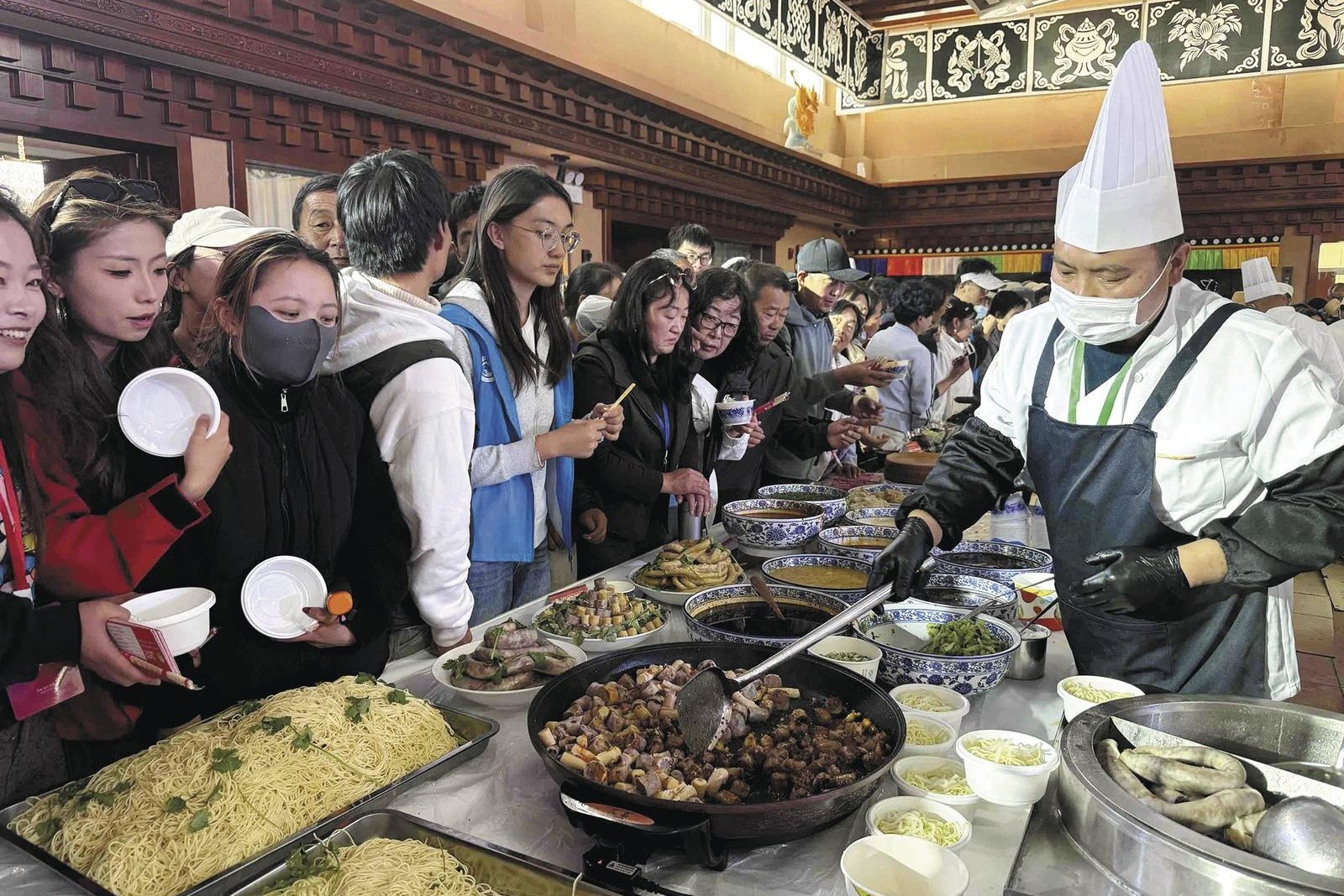
The town eats early and hard. Kitchens fill from six and close by nine, because the convoys roll at dawn; the biggest lunch crowds are drivers on the G219 and construction crews, and the tables are sized for parties that share everything. On festival days the Tibetan houses steam buns and fry dough by the tray, and the market stalls sell pastries and fried dough until the boxes are empty.
What the eating streets give the far west is exactly what a supply hub should: a refueling stop where the food is better than it has any right to be. Come hungry after the long drives, order for the table, and let the mixed cuisine stand in for the whole history of the routes that made the town. The yak is local, the peppers are Sichuan’s, the flour is Xinjiang’s, the spice might be Nepal’s – and the pot that holds them all is pure Shiquanhe.
Words and Names
食肆 shísì the eating streets, Shiquanhe’s mixed table; 牦牛肉 máoniú ròu yak meat, the local pot’s constant; 川菜馆 chuāncài guǎn the Sichuan kitchens of the highway trade; 萝卜炖牛肉 luóbo dùn niúròu radish-simmered yak, the house dish; 新藏线 xīn-zàng xiàn the G219 highway, the town’s supply line and reason. The same 阿里地区 Ālǐ Dìqū Ngari holds more flavors worth chasing: 普兰尼泊尔风味 Pǔlán Níbó’ěr fēngwèi the border thali, 藏式烤饼 Zàngshì kǎobǐng the everyday flatbread, 普兰香料奶茶 Pǔlán xiāngliào nǎichá the market’s spiced tea, or 札达杏 Zhádá xìng the orchard fruit of the Sutlej – four more doors into the same Ngari table.
What the Locals Know
Locals eat by the road schedule: the best kitchens are the ones the drivers use, and the morning noodle pot belongs to the truck trade. The town’s mixed table is a point of pride – ask a regular where to eat, and the answer will name one street and three cuisines. All checked November 2026.
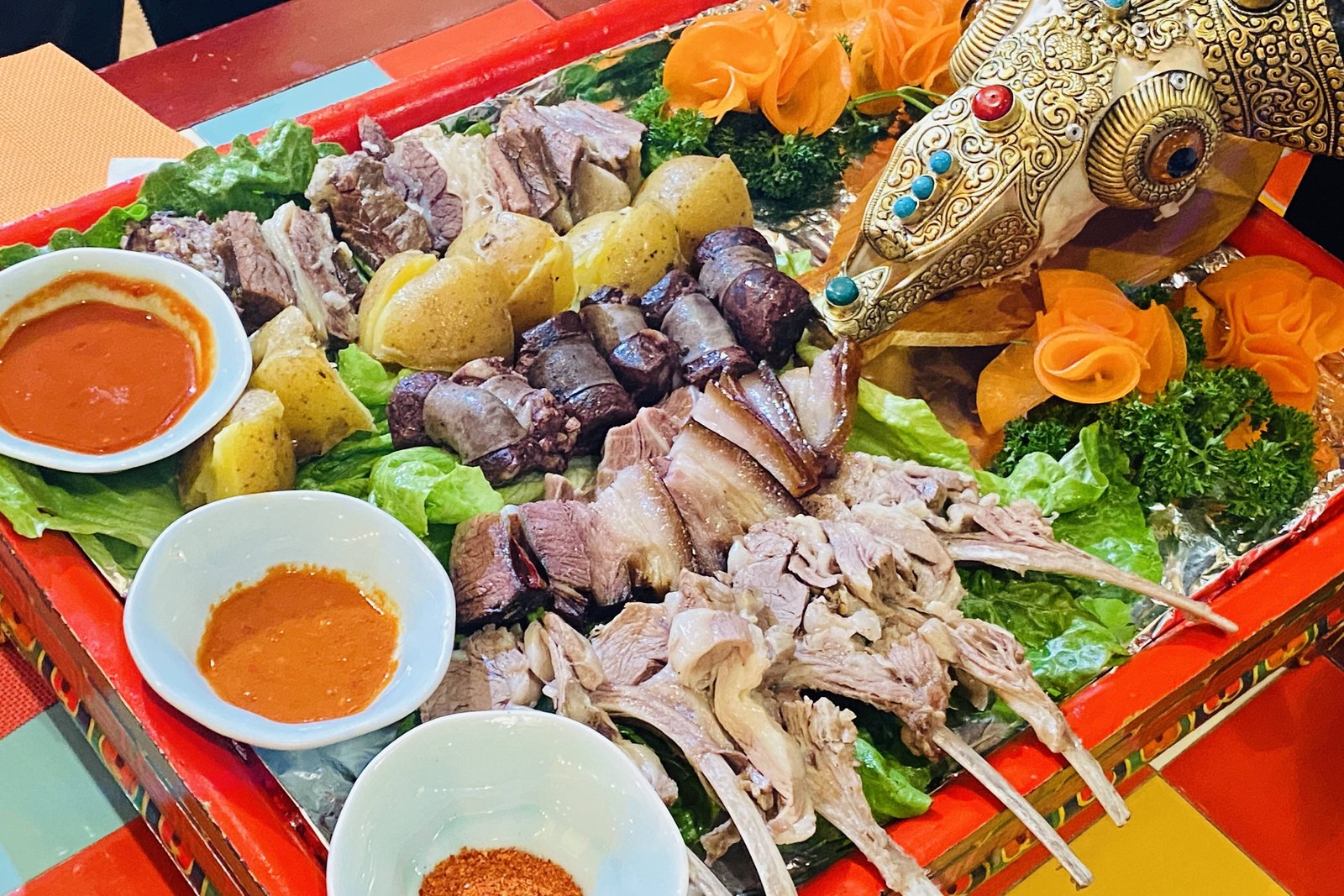
flowcloud would say Shiquanhe eats like its map looks – four roads and a boiling point, all meeting in one pot.
Where to find it: The eating streets around Shiquanhe’s market and bus station serve from before dawn to late evening, with the Tibetan kitchens keeping the yak pot and the tea churn going all day; the Sichuan and Xinjiang houses run fullest at truck-driver hours. All checked November 2026.