
Dòujiāng yī guō, qīngcài yī shí; hézā yī wǎn, qīngrè yī dào. — One pot of soy milk, one dish of greens; one bowl of heza, one cooling.
Heza (合渣, Hézā) is the county’s Tujia household dish and the range’s plainest comfort food: soybeans ground to a coarse milk, cooked with greens (青菜) into a thin, savoury pot that is eaten as a staple rather than a side. The dish carries a regional reputation as a “heat-cooling” food (清热解暑) — the Tujia range’s summer logic, where the soy-and-green pot is what the table runs on when the chilli dishes need a counterweight.
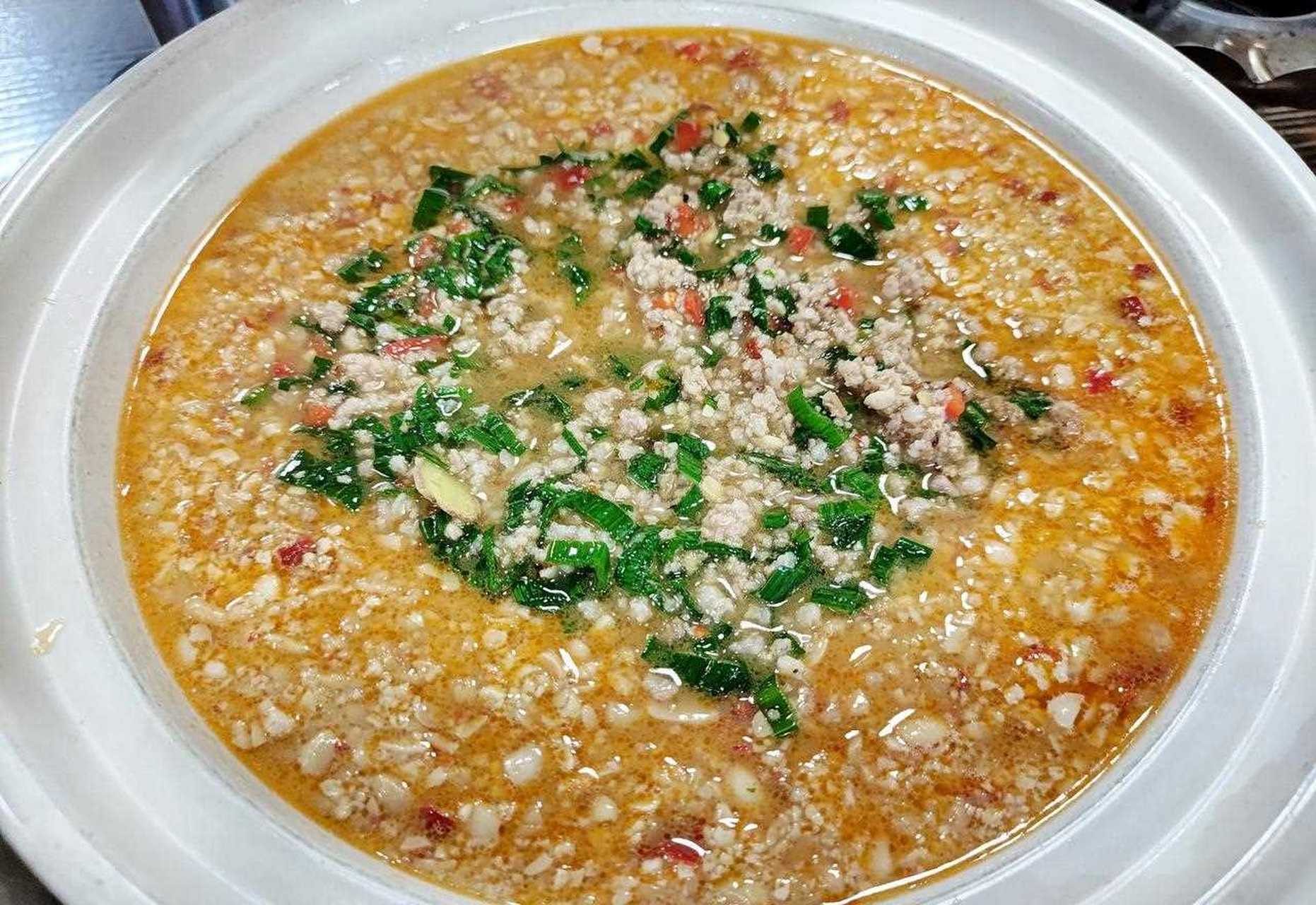
The dish’s economy is its point: soybeans and greens, both cheap and local, ground and cooked together into something between a soup and a porridge. The grind is coarse on purpose — the soy is not made into tofu but kept as a rough milk, so the pot keeps a texture that drinks and chews at once. It is the range’s answer to the question of how to eat well on a mountain household’s stores, and its “cooling” reputation is the local food logic that keeps it on the summer table.
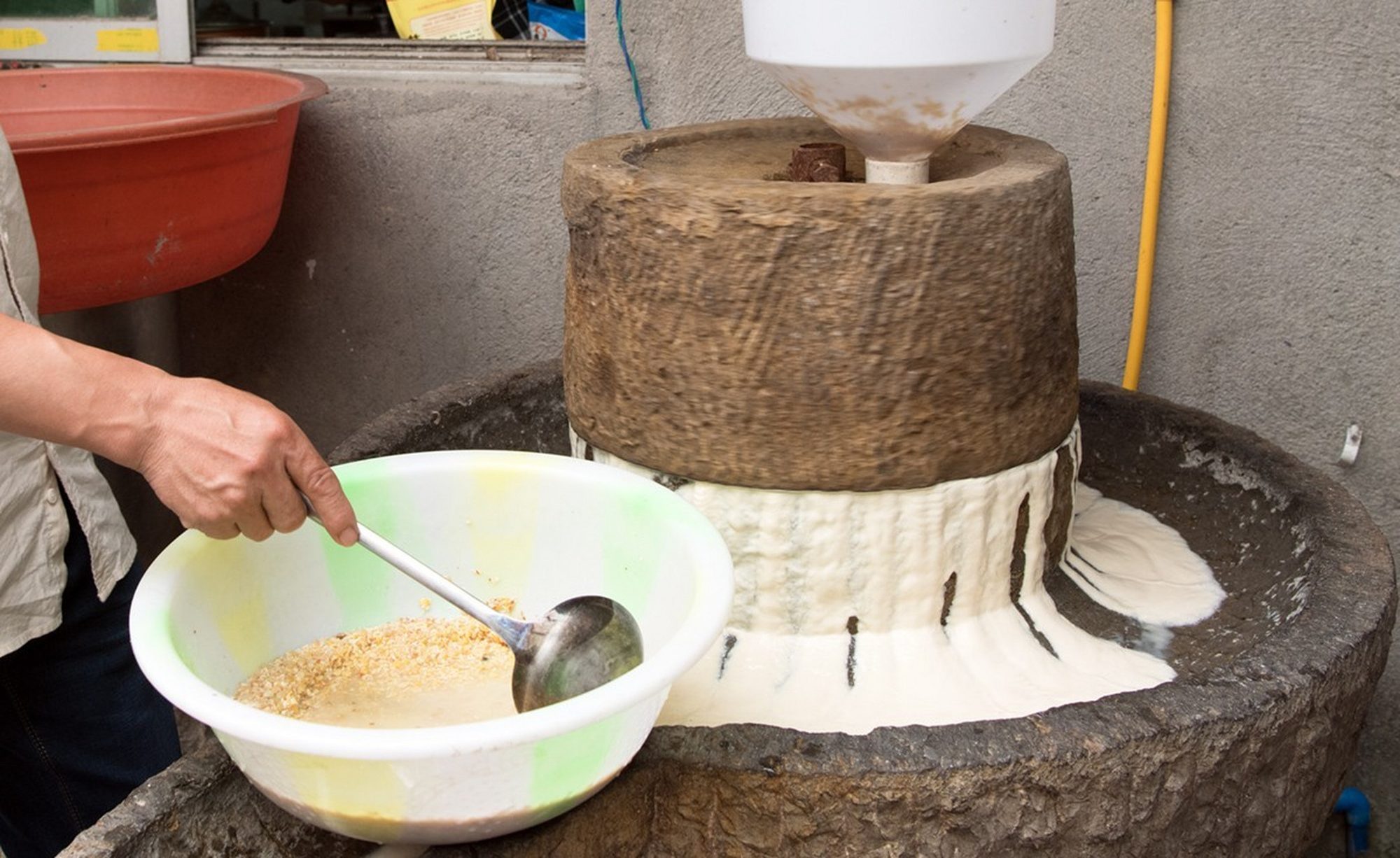
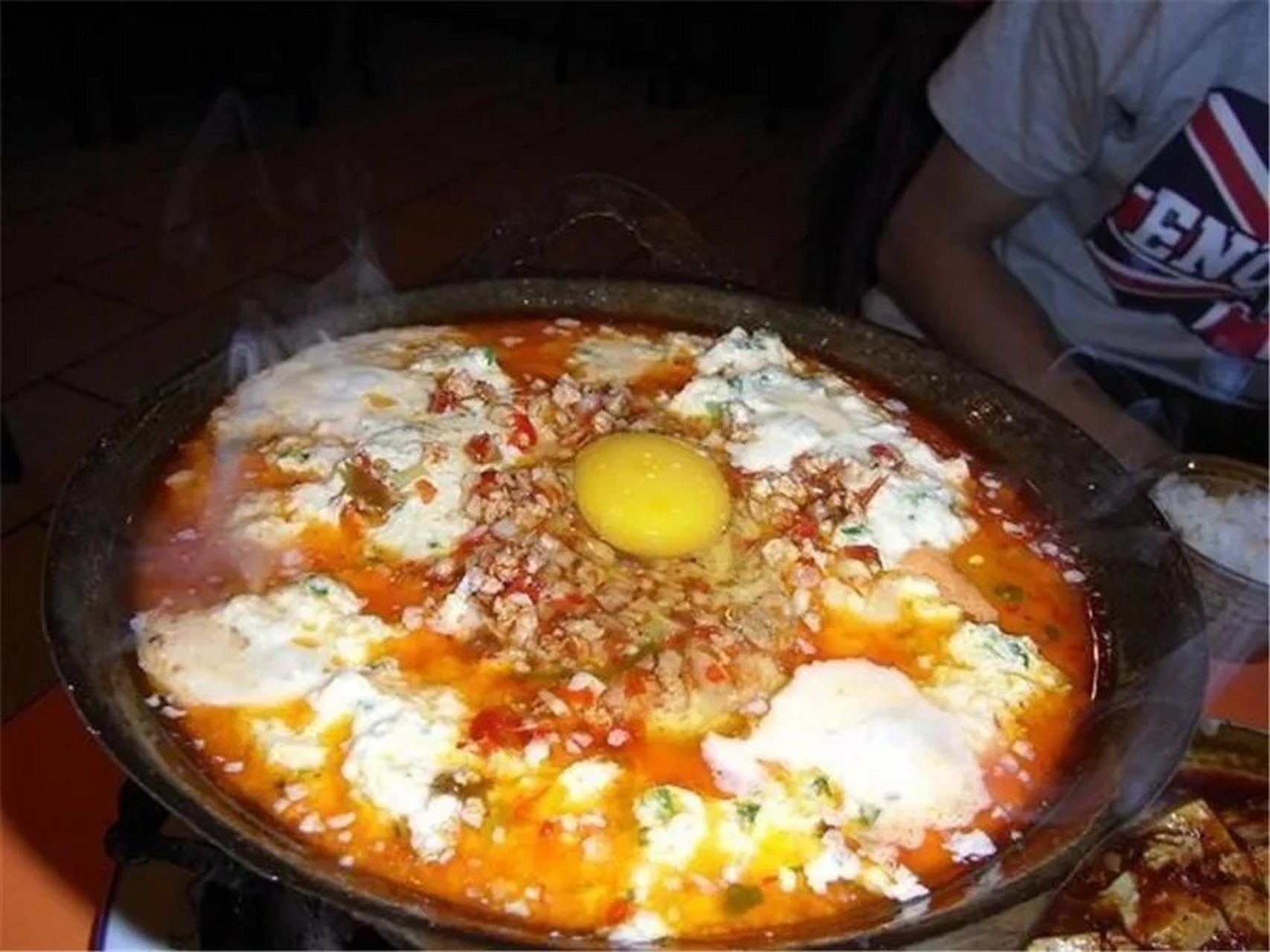
The pot is a household and small-kitchen register — the farmhouse version is the real one, cooked thick enough to coat a spoon, and the restaurant version runs thinner. Locals eat it as the staple beside the chilli dishes, not as a side, and the correct accompaniment is the county’s pickles.
flowcloud would say that the county’s chilli dishes are the argument and the heza is the common ground — and that the plainest pot on the table is the one the mountain actually lives on.
Where to find it: the farmhouse and small-kitchen register — the household pot, cooked thick beside the county’s chilli dishes and pickles. All checked October 2026.
Words and Names
合渣 hézā — heza, the soy-and-greens pot · 黄豆 huángdòu — soybeans, the material · 青菜 qīngcài — greens, the partner · 清热解暑 qīngrè jièshǔ — “cooling the heat”, the dish’s regional reputation · 土家 Tǔjiā — the Tujia, the dish’s people