
Plain Water, Good Sheep: The Boiled-Lamb Feast Eaten From the Bone
清水煮全肋,一手撕春秋 Qīngshuǐ zhǔ quán lèi, yī shǒu sī chūnqiū – Clear water boils the whole rib; one hand tears through the seasons
正文:手抓羊肉 shǒuzhuā yángròu hand-grabbed boiled lamb is the Kazakh feast centerpiece that 可克达拉市 Kěkèdálā Shì Keketokala City inherits honestly from its grassland neighbors: whole ribs and shanks simmered in plain water with nothing but onion, carried out steaming in slabs, and eaten from the bone with salt, a knife and the confidence that the sheep needed no help. This is the valley’s most honest plate – no sauce to hide behind, no spice to negotiate with – and it is the meal that marks every visit, festival and bargain worth celebrating across the Fourth Division farms.
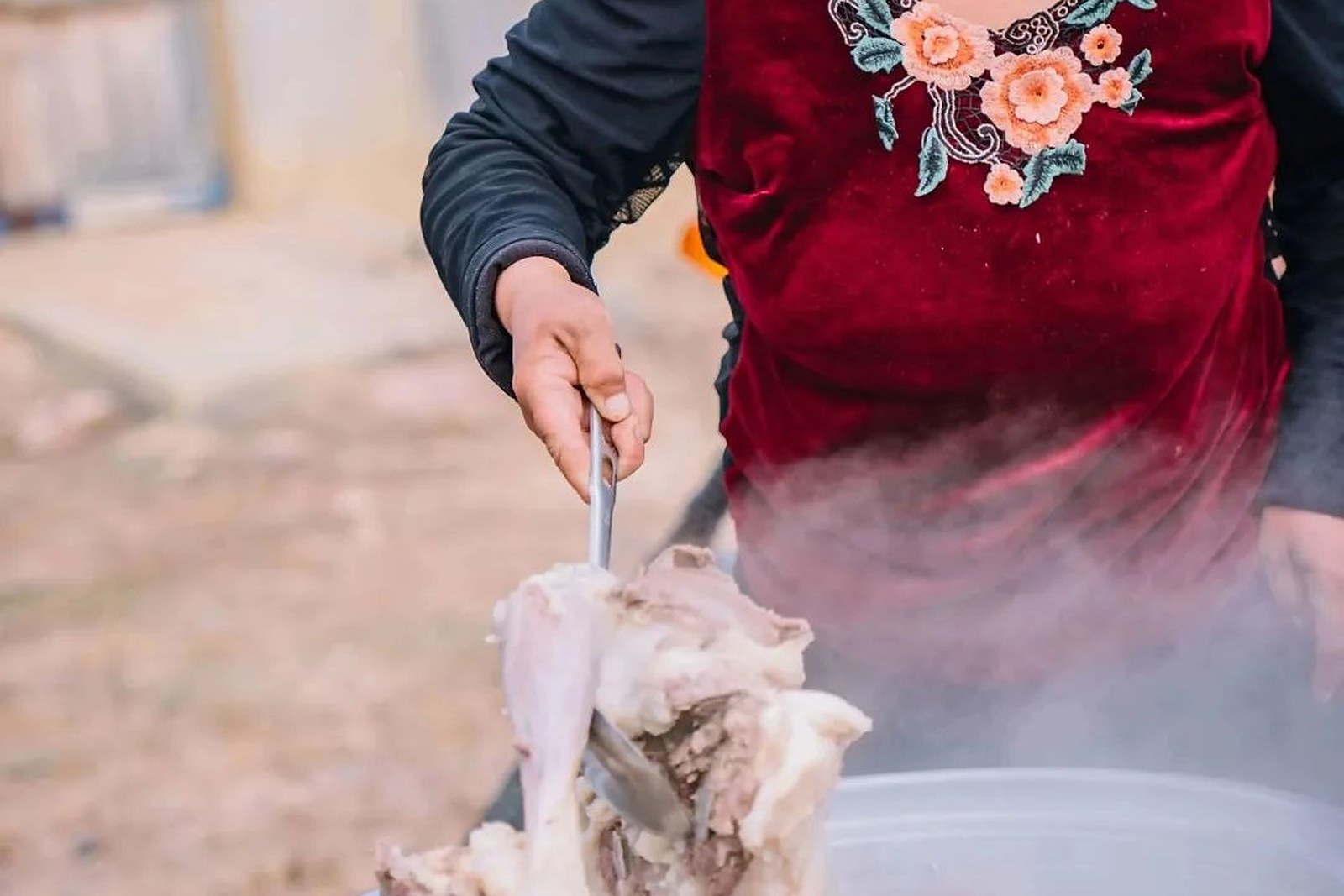
The cooking is subtraction. Good mutton from the valley’s grass flocks goes into cold water with the scum skimmed religiously, onion and nothing else; the fire stays low so the meat releases its own sweetness instead of boiling it away; and the timing is judged by hand – the cook lifts a rib and presses it, reading tenderness through tongs. What lands on the table is a mound of pale, trembling meat around the bone, a dish of salt, a pile of raw onion, and broth for the bowls behind it.
The eating is the ceremony. Hosts carve the best cuts to guests by name – the rib to the elder, the shank to the traveler, the tail fat to the honored chair – and everyone else simply grabs: one hand steadies the bone, the knife makes the first cut, and the teeth finish the negotiation. The salt dish is the whole sauce strategy; the onion is the whole garnish strategy; and the broth that follows the meat, thickened with the last of the noodles or a handful of rice, is the whole dessert strategy. A visitor who asks for chili sauce is forgiven once and gently re-educated.
Beyond the feast, the same 可克达拉市 Kěkèdálā Shì Keketokala City rounds out the grassland table: 马肠纳仁 Mǎcháng Nàrén the horse-sausage naren, 熏马肉 xūnmǎròu the smoked horse meat, 馕 náng the tandoor bread, and 伊犁冰淇淋 Yīlí bīngqílín the hand-churned ice cream – four more doors into the same 可克达拉市 Kěkèdálā Shì Keketokala City. With the lamb finished, our Keketokala travel map fills the day.
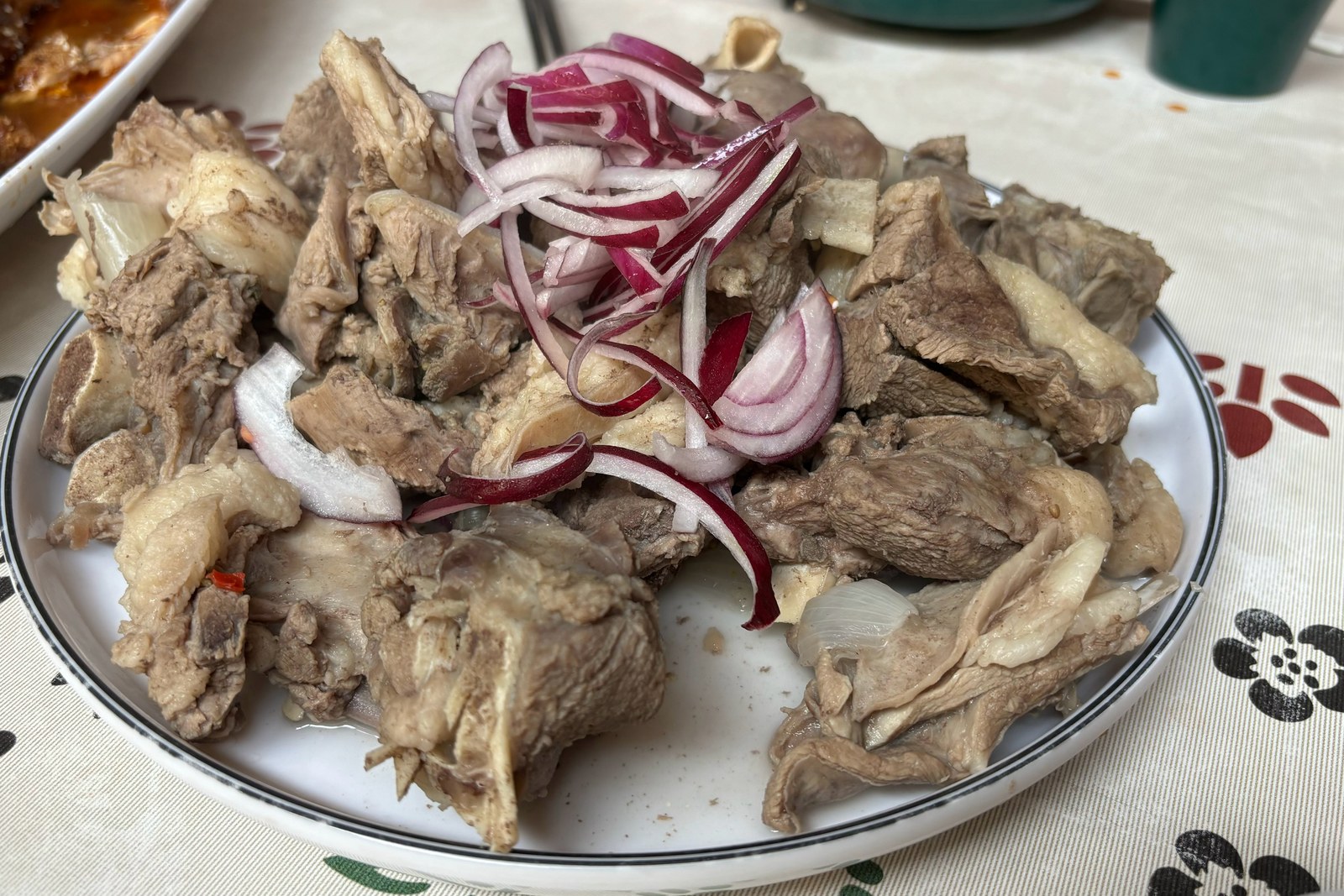
Practicalities first. The feast is a group format – order by the kilo for the table, not by the plate for the individual – and the kitchens that raise their own sheep around the regiment farms and grassland edges serve the truest version; in town, the Kazakh restaurants on the food lanes run it daily. Eat it in company, accept the cuts the host assigns, and save room for the broth course; the meal is engineered as a sequence, and the broth is the point of the whole poem.
What stays with you is the nerve of it. In a cuisine famous for smoke and spice, the valley’s celebration dish is water, salt and sheep – and it works only when every one of the three is excellent. That is a hard standard to hide behind, which is exactly why the good tables earn their reputations and keep them for generations.
Words and Names
What the Locals Know
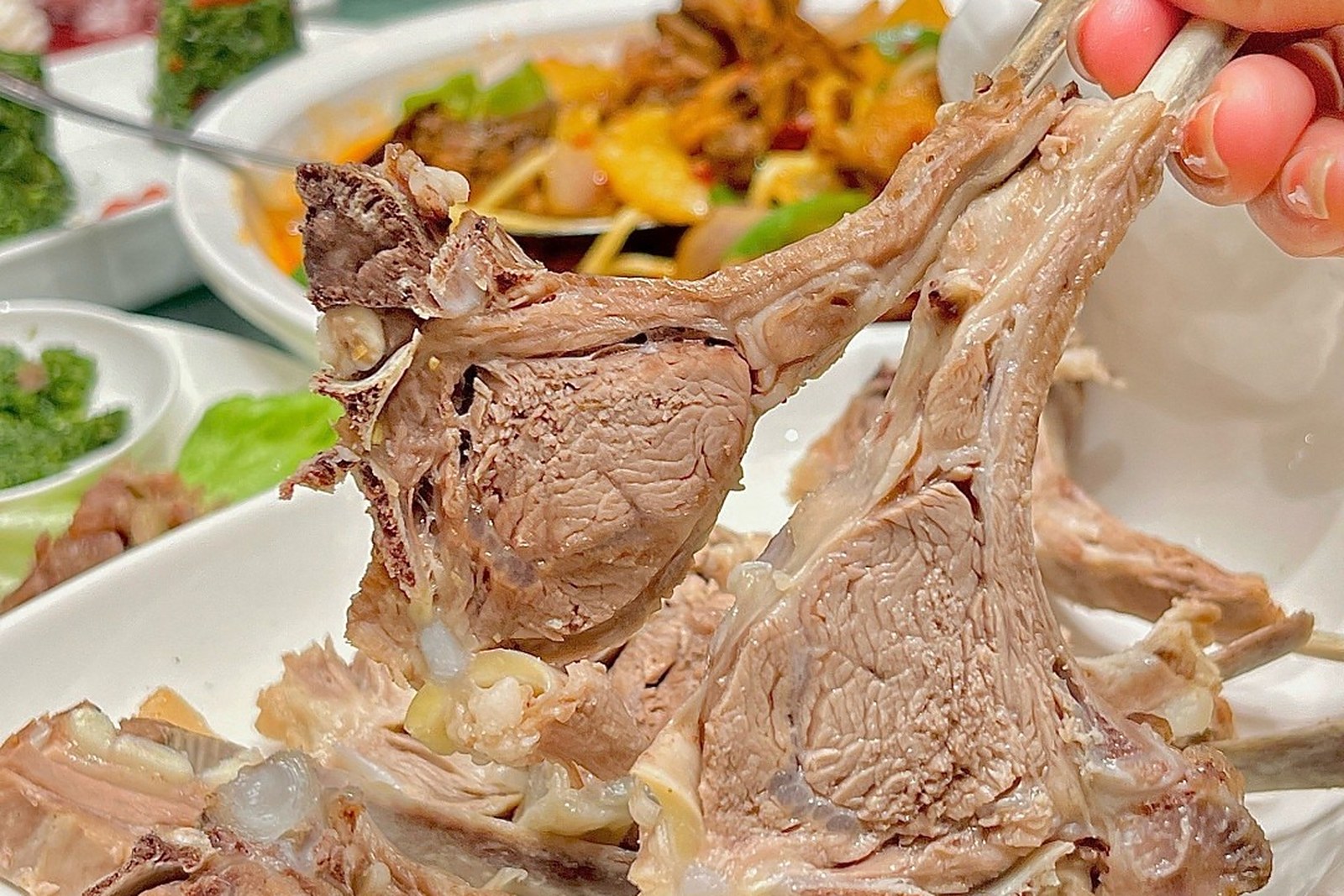
flowcloud would say hand-grabbed lamb is the valley’s white-glove test: three ingredients, no maquillage, and a tableful of opinions – the sheep either was excellent or the whole room knows it before the tea is poured. All checked November 2026.
Where to find it: The Kazakh restaurants of Keketokala’s food lanes and the farm kitchens at the grassland edges simmer the feast daily; order by the kilo, accept the cuts the host assigns, and finish with the broth course that follows the meat. All checked November 2026.