
Hand-Grabbed Mutton: The Salt-Dipped Clear-Boiled Lamb of the Barkol Pasture, the Herdsman’s Table and the Winter Festival Pot of Hami in Hami, Xinjiang
清水一锅羊出味,指尖盐粒当全席。Qīngshuǐ yī guō yáng chū wèi, zhǐjiān yánlì dāng quánxí – One pot of clear water brings out the lamb; a pinch of salt between fingers stands in for the whole banquet.
手抓羊肉 shǒuzhuā yángròu hand-grabbed mutton is the pasture’s own cooking – large cuts of the 巴里坤羊 Bālǐkūn yáng Barkol sheep boiled in nothing but water, lifted out tender, and eaten by hand with a dish of salt, or sometimes a raw-onion vinegar dip, standing in for every sauce ever invented (worth confirming the details for the seasonal lamb grades, since the herding calendar moves the flavour with the pasture). The Barkol sheep graze the high grassland east of the 天山 Tiānshān Tianshan snow line, and their meat carries the clean, faintly sweet taste that clear boiling is designed to expose – any spice would be an apology. City tables plate it family-style on big rounds, festival households boil whole racks, and the herding villages along the grassland roads serve it to travellers at long cloth-covered tables. The register is pasture honesty: steam, bone, and fingers that need washing after.
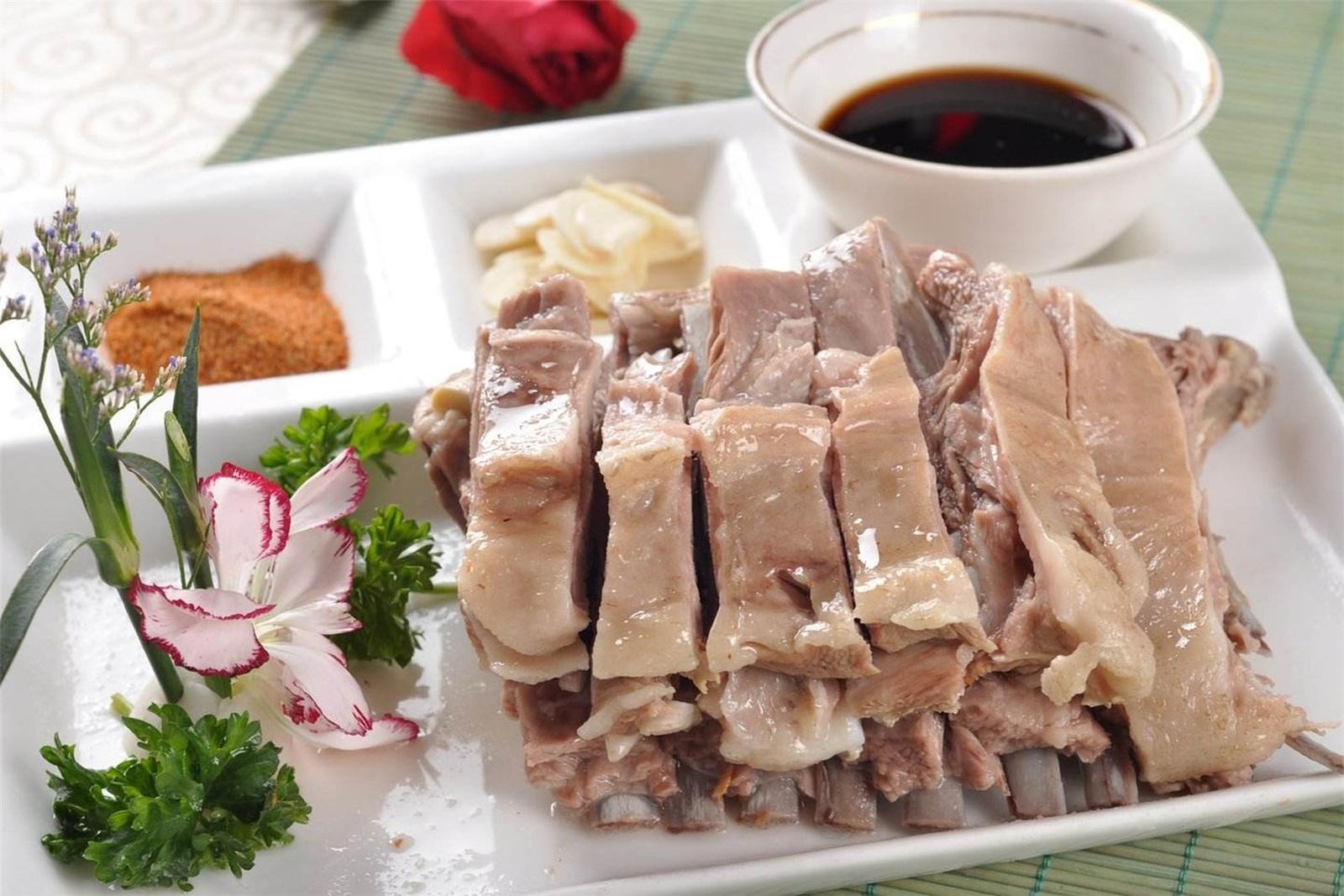
Call it honestly: pot-side money on a lamb clock. Getting there is one door: the grassland-road farmhouses around 巴里坤县 Bālǐkūn Xiàn Barkol county town boil to order, the city’s lamb restaurants run the same clear pot daily (worth confirming the details for the farmhouse lunch reservations, which the weekend crowds book out), and the winter festival tables plate it by the rack. A plate at the city table prices at meal-within-reason money, a farmhouse pot at occasion-within-reason money, a festival rack at celebration-within-reason money – though exact figures are worth confirming the details on rather than quoting, the pots repricing with the lamb market. The crowds run to the calendar: the summer grassland weeks stack the farmhouses, the winter festival dates fill the city tables, and a weekday noon, when the first cuts come off the pot, is the eater’s own.
The honest star is the salt dip – or rather the meat that needs nothing else: clean-boiled until the knife slides, warm enough to steam the fingers, faintly sweet from a pasture the pot never saw. What gets oversold is the “needs a dip” framing: guides sell a condiment where the point is the absence of one, because the Barkol lamb’s flavour is the whole argument and the salt is a courtesy. What repays is the cut choice – rib for the fat, shoulder for the fibre, and the tail fat that regulars claim first (worth confirming the details for which cuts the pot cuts first, since the butchering order is its own custom).
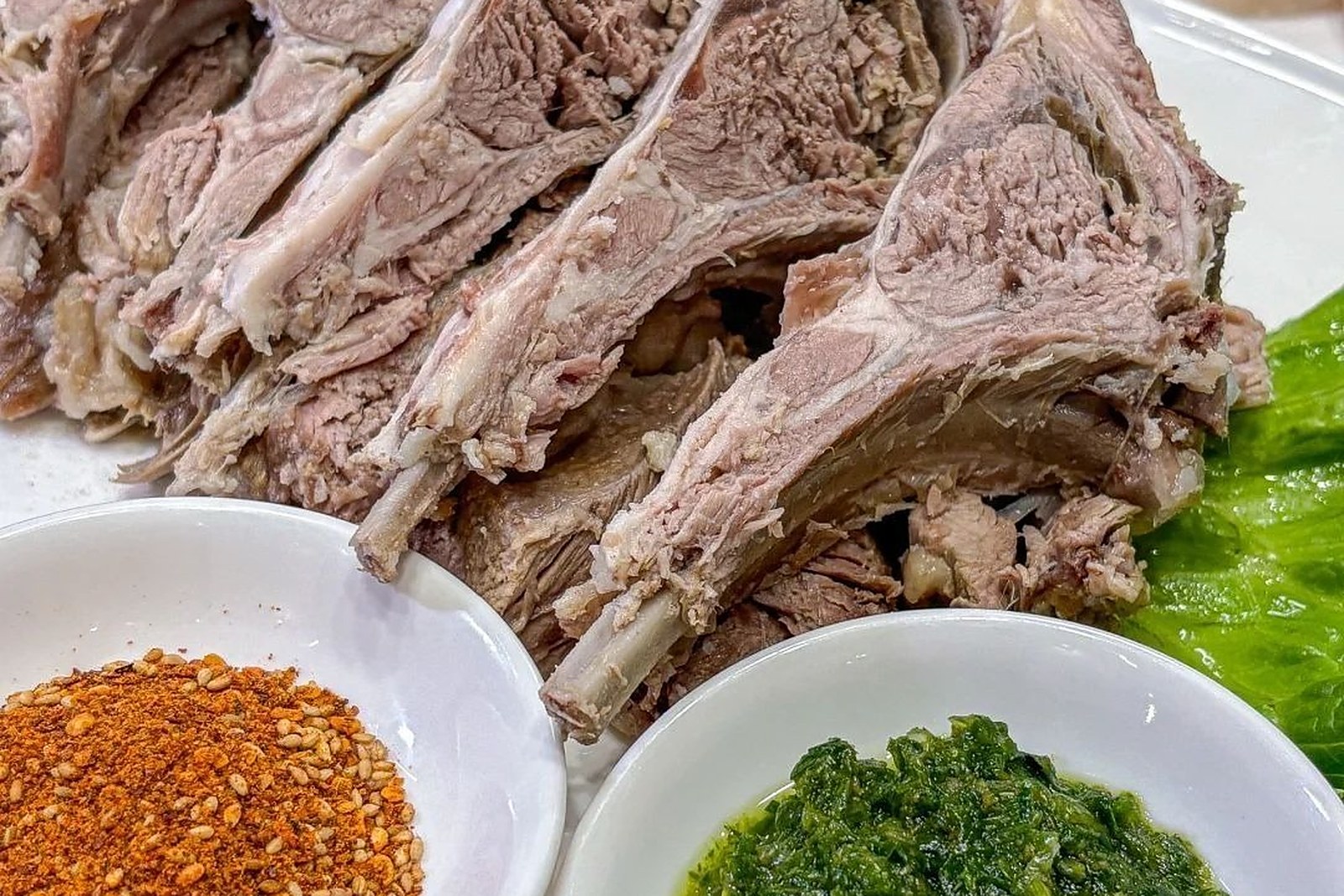
The town’s deepest habit is the shared platter itself: one big round, everyone eating by hand from the same rack, tea on the side to cut the fat – a dish eaten as fellowship first and food second.
The rest of this Hami list keeps other tables: the bin sweetness of 哈密大枣 Hāmì dàzǎo the red dates fills the pantry, the breakfast steam of 羊杂汤 yángzà tāng the offal soup opens the day, the fiery sauce of 新疆炒米粉 Xīnjiāng chǎomǐfěn the stir-fried rice noodles owns the student hours and the layered pull of 油塔子 yóutǎzi the oil tower anchors the teapot – four more doors into the same 哈密市 Hāmì Shì Hami City.
Words and Names
What the Locals Know
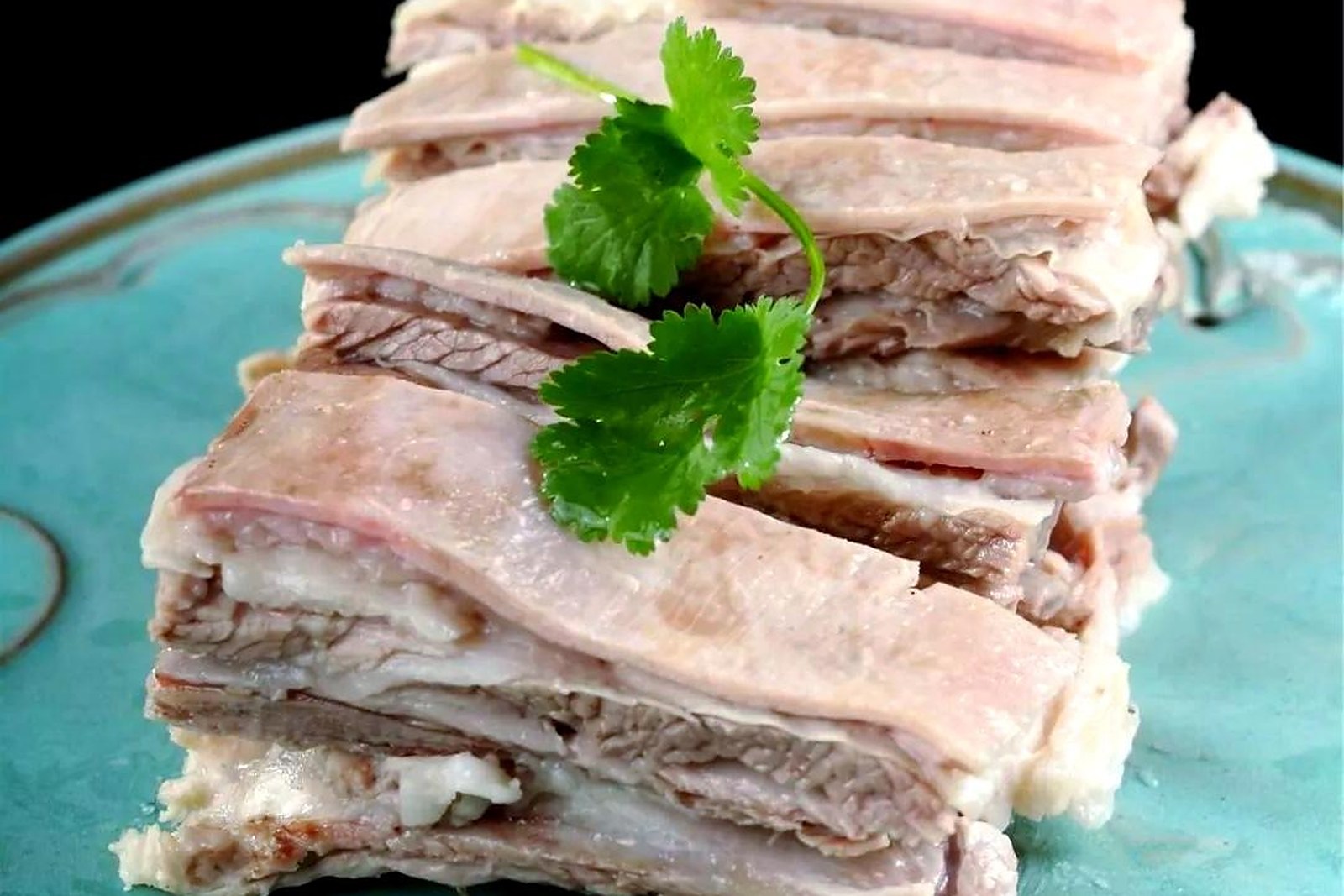
flowcloud would say that the 手抓羊肉 shǒuzhuā yángròu is the pasture’s plain-spoken centrepiece and the salt dip’s entire vindication – a clear-pot lamb that answers every sauce cabinet with a pinch of salt – and that the honest move is to eat the first cut unseasoned, watch whether the meat tastes of the grass, and let the shared platter cast the vote, because the pasture raised the sheep and the pot refused to improve it. All checked November 2026.
Where to find it: 哈密市 Hāmì Shì Hami City, Xinjiang – the lamb restaurants of the city centre and the farmhouse tables along the Barkol grassland roads, where the 手抓羊肉 shǒuzhuā yángròu keeps the clear-pot register through the lamb seasons and the salt dishes and raw-onion vinegar do the only seasoning, reached by city taxi for the restaurants or the northern highway for the pasture tables (worth confirming the details for which farmhouses boil to order and which seat groups only, pot doors turning over as herding families do), where the trade keeps the lamb clock – summer pasture weeks the stacked tables, festival dates the racks, weekday noons the eater’s own; meal to celebration-within-reason money by the platter, so call it worth confirming the details rather than a fixed number, and let the shared round cast the vote. Hand-grabbed mutton is the pasture’s plain-spoken feast, eaten one salt-dipped, steam-warm cut at a time – the taste of 哈密市 Hāmì Shì Hami City eaten one hand-torn, clear-boiled piece at a time. All checked November 2026.