
Shunyi Strawberries: Winter Greenhouses, Cream-Sweet Akihime and the Picking Rows of Shunyi District, Beijing
冬日暖棚春意早,奶油草莓齿颊香。Dōngrì nuǎnpéng chūnyì zǎo, nǎiyóu cǎoméi chǐjiá xiāng – In winter the warm greenhouse wakes spring early; cream strawberries perfume teeth and cheeks.
顺义草莓 Shùnyì cǎoméi Shunyi strawberries are the winter-spring fruit Beijing’s families drive out to pick, and the address is a greenhouse plain: the river flats of 顺义区 Shùnyì Qū Shunyi District, Beijing, where the Chaobai and Wenyu waters left deep sandy loam and the towns – 北务镇 Běiwù Zhèn Beiwu, 大孙各庄镇 Dàsūn’gèzhuāng Zhèn Dasungezhuang and neighbours – turned the old vegetable-shed country into strawberry rows (worth confirming which villages run picking this winter). The berry that made the name is 奶油草莓 nǎiyóu cǎoméi “cream strawberry”: the trade’s name for 章姬 Zhāngjī Akihime, the Japanese cultivar – long, pale red, milk-perfumed – that sells out its rows first, backed by 红颜 Hóngyán Benihoppe, the darker, firmer standard that survives the drive. The craft most visitors under-rate is climate: 日光温室 rìguāng wēnshì solar greenhouses – thick north walls, plastic south slopes, blankets rolled down at dusk – trap the winter sun by day and hold it by night, so picking opens around December and runs deep into spring (worth confirming each garden’s open weeks). The naming is the tell: the fruit is sold by touch and smell, not by crate number.
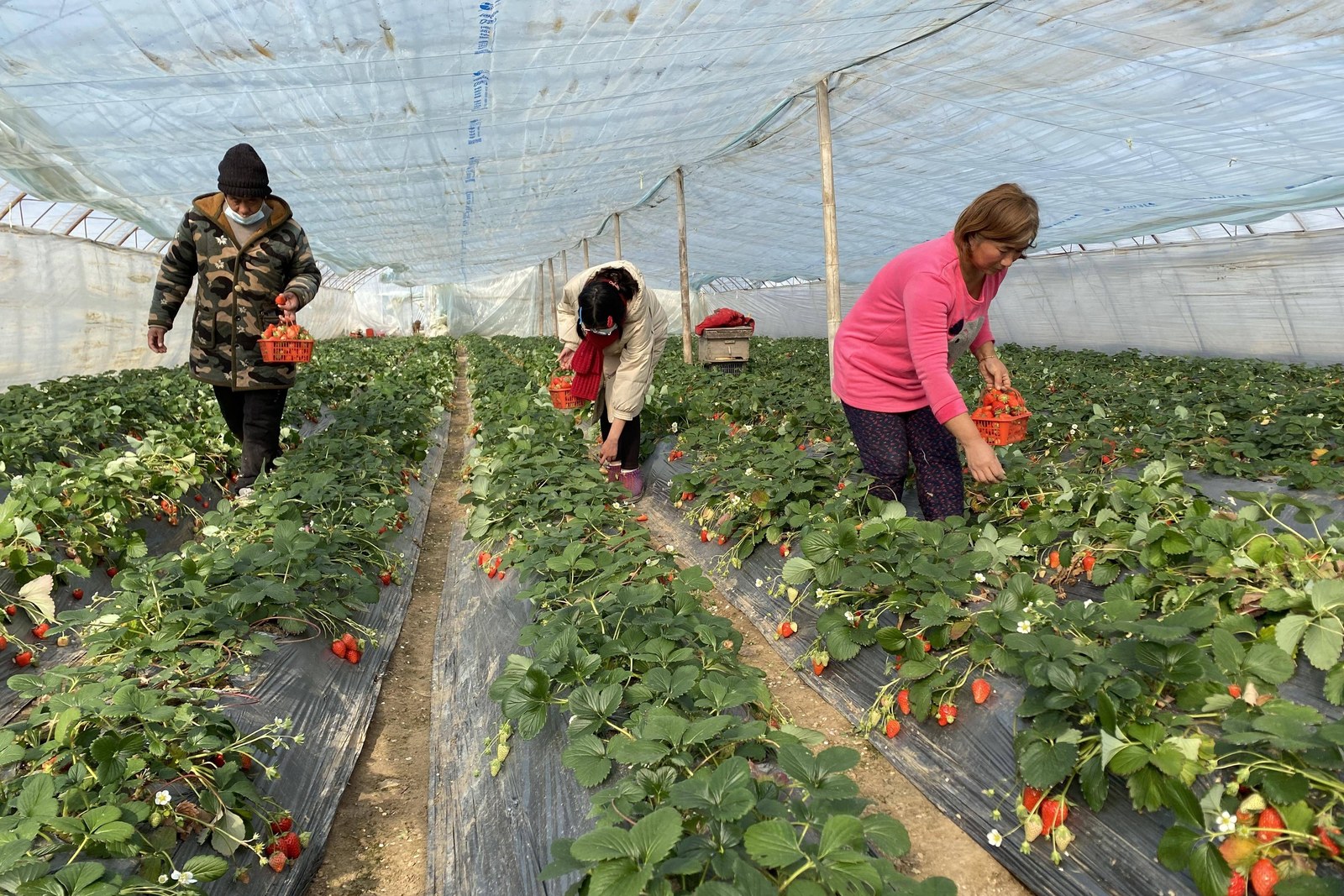
The eating is a picker’s grammar written for a fruit that does not travel, and it leans 香甜 xiāngtián aromatic-sweet plus 软糯 ruǎnnuò soft-juicy to match the rows. The anchor is the berry cut off the stem and eaten standing between the ridges – the perfume rising before the bite, the flesh giving without resistance, a taste the same cultivar driven to a fruit stand never keeps – backed by the shed-kitchen uses: small-batch 草莓酱 cǎoméijiàng strawberry jam, boxes for the drive home, and the custom of taking the children and a basket into the warm. The season is public and long: rows open through the cold months, fill at the New Year holiday, and run to spring (worth confirming which gardens book by phone and which take walk-ins). The shed grades itself at the gate: fruit picked that morning sells by the basket to families who taste first, fruit picked firm for the courier run sells by the kilo to tables that will never meet the vine – both honest, one of them an occasion.
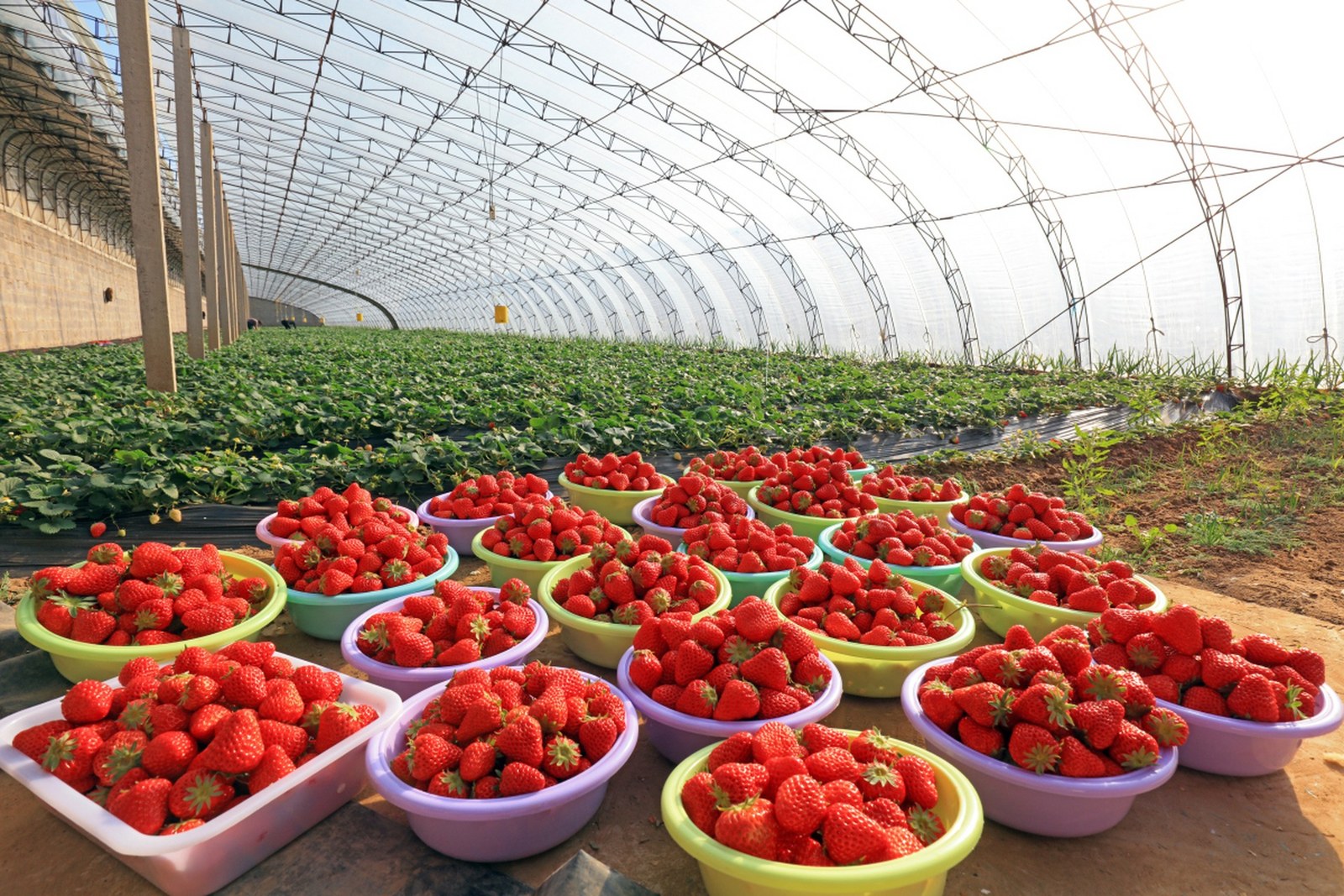
The honest grade is geography plus the ripeness clock. In 顺义区 Shùnyì Qū Shunyi District, Beijing the gardens scatter along the plain’s eastern and northern lanes, where the clientele is half 周末 zhōumò weekend pickers, half pre-order buyers collecting boxes – a mix that keeps the rows honest, because growers are graded by families who remember which shed smelled right last January (worth confirming which gardens post prices and which quote on the day). The picker’s test outranks any signboard: lift the berry – ripe fruit parts clean from a fresh green calyx and smells of cream at arm’s length; a bruised shoulder or sour edge means the basket has waited or the row is picked over. A per-person bill runs on the basket and the week – holiday weeks price highest – so call it worth confirming the details rather than a fixed number, and come in the morning: the sheds warm toward noon, and the honest picking is done before lunch.
The wry truth is that 顺义草莓 Shùnyì cǎoméi is over-rated as a weekend photo outing and under-rated as climate engineering: the picking-visit genre files it under “farm experience”, while the actual thing – a winter sun-trap of brick, plastic and rolled blankets, drip lines and rented bees, tuned so a soft Japanese berry can ripen in January a short drive away – is architecture and horticulture the flyer never explains. The locals’ two cultivar names, 章姬 Zhāngjī for perfume and 红颜 Hóngyán for keeping, are the whole market report the brochures paraphrase. The self-deprecating footnote, and the district braid: a food writer will say “terroir” to a shed keeper whose entire answer is to hand over a berry cold from the night, weigh the basket at heroic shutter, and call the fruit “commendably seasonal” as if winter were a marketing choice – which is the honest grade: 顺义草莓 Shùnyì cǎoméi is a working greenhouse the writer will romanticise more than he picks from, and the kids at the next row have finished the tasting basket and negotiated the second before the shutter closes. The same 顺义区 Shùnyì Qū Shunyi District, Beijing thread runs on: the white bottles of 牛栏山二锅头 Niúlánshān èrguōtóu Niulanshan erguotou line the shop shelves, the green bottles of 燕京啤酒 Yānjīng píjiǔ Yanjing beer crack open at the district’s summer tables, the grill smoke of 后沙峪食街 Hòushāyù shíjiē the Houshayu food strip drifts over the Wenyu, and the terrace lamps of 祥云小镇餐吧 Xiángyún Xiǎozhèn cānbā Xiangyun Town’s bistros burn past midnight – one district, four more tables.
Words and Names
- 顺义草莓 Shùnyì cǎoméi / Shunyi strawberries · the greenhouse fruit of the river plain - 奶油草莓 nǎiyóu cǎoméi / cream strawberry · the milk-perfumed type the rows are famous for - 章姬 Zhāngjī / Akihime · the Japanese soft cultivar behind the cream name - 红颜 Hóngyán / Benihoppe · the dark firm sweet standard of the drive-home boxes - 日光温室 rìguāng wēnshì / solar greenhouse · the winter sun-trap that ripens the fruit - 采摘季 cǎizhāi jì / picking season · the cold-month weeks the city drives out for - 草莓酱 cǎoméijiàng / strawberry jam · the shed-kitchen answer to the fruit that will not wait - 顺义区 Shùnyì Qū / Shunyi District · the Beijing district holding the rows
What the Locals Know
- Pick by cultivar, not by sign: 章姬 Zhāngjī is the cream-perfumed soft one that eats best on the spot, 红颜 Hóngyán the firmer one that survives the drive – ask which shed is open.
- Smell before you fill: a ripe cream strawberry perfumes at arm’s length; a berry with no scent is a berry with no argument – the nose grades faster than the eyes.
- Go in the morning: sheds warm toward noon and the fruit softens – the honest rows are picked before lunch (worth confirming each garden’s hours).
- Book the New Year weeks early: the holiday is the season’s peak, and the best sheds are reserved by phone days ahead (worth confirming which gardens take walk-ins).
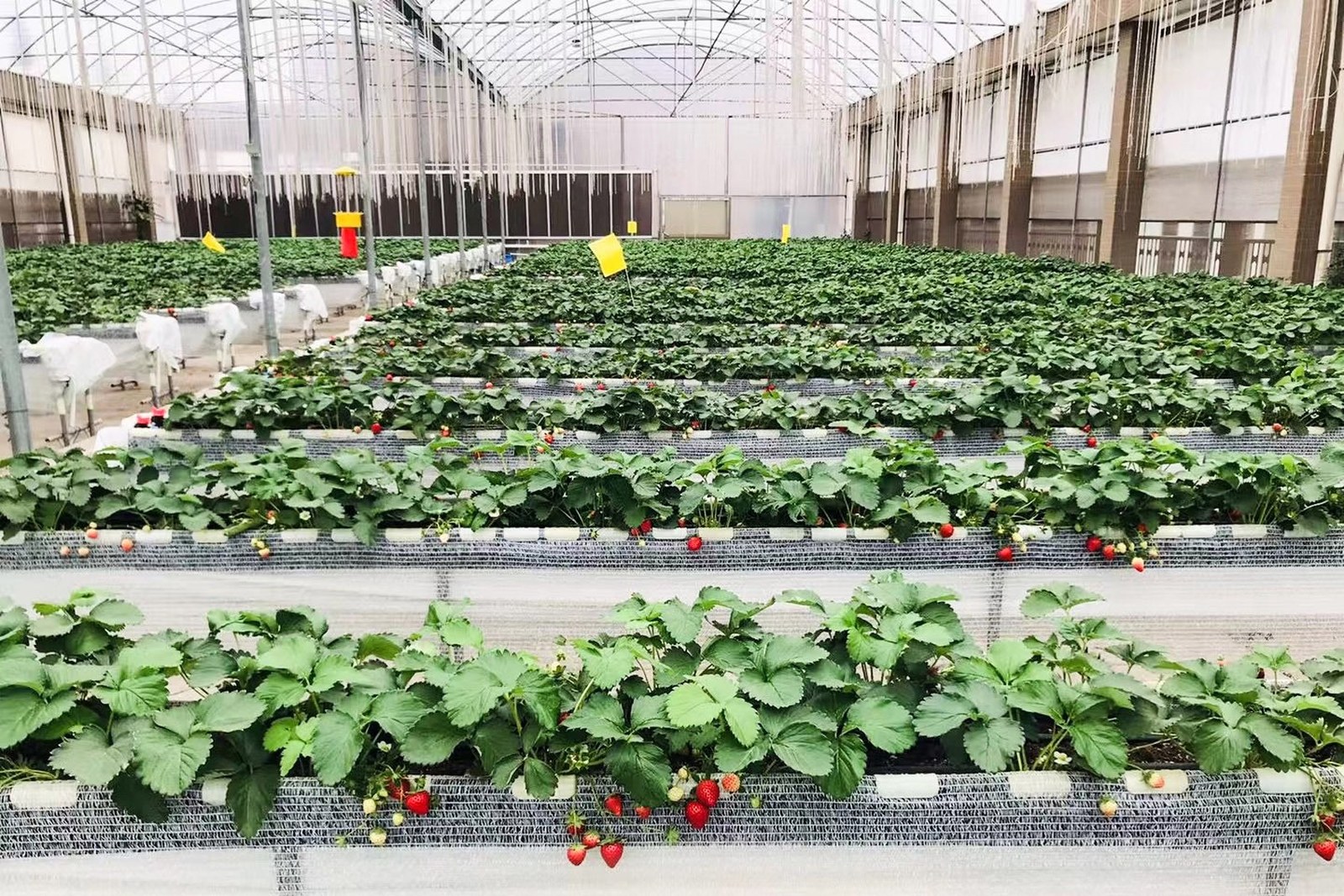
flowcloud would say that the 顺义草莓 Shùnyì cǎoméi is the winter greenhouses, cream-sweet Akihime and the picking rows of Shunyi District, Beijing – a 日光温室 rìguāng wēnshì plain where 章姬 Zhāngjī perfume and 红颜 Hóngyán keeping split the season between the stem and the drive home – and that the honest move is to pick by cultivar, smell before you fill, and come in the morning, because the wall holds the sun and the berry holds the perfume. All checked October 2026.
Where to find it: Shunyi District Shùnyì Qū, Beijing – the picking greenhouses and shed counters along the eastern and northern plain-town lanes around 北务镇 Běiwù Zhèn and 大孙各庄镇 Dàsūn’gèzhuāng Zhèn, open from early winter into spring (worth confirming the details – which gardens book by phone and which take walk-ins); a per-person bill runs on the basket and the week, so call it worth confirming the details rather than a fixed number. Shunyi strawberries are the winter greenhouses, cream-sweet Akihime and the picking rows of Shunyi District, Beijing, sun before sweetness.