
Four Braises and a Full Table: Sidaba
扒条酥烂汁如漆,一碗端来满席春 Bā tiáo sū làn zhī rú qī, yī wǎn duān lái mǎn xí chūn – Braised strips melting under a lacquer of gravy; one bowl set down brings spring to the whole table
四大扒 sìdà bā Sidaba is the 天津市河北区 Tiānjīn Shì Héběi Qū Hebei District banquet’s supporting cast – not one dish but a category, the 扒 bā braises that arrive beside the Eight Great Bowls to finish a proper Tianjin table. 扒 bā names the method: meat braised low until it surrenders, then finished glaze-up with a stock sauce turned to lacquer. The “four” is shorthand – 扒肉条 bā ròutiáo braised pork strips, 扒鸡 bā jī the whole braised chicken, 扒鱼 bā yú the braised fish, 扒肘子 bā zhǒuzi the braised pork knuckle rotate through the title, and no two houses agree on the roster.
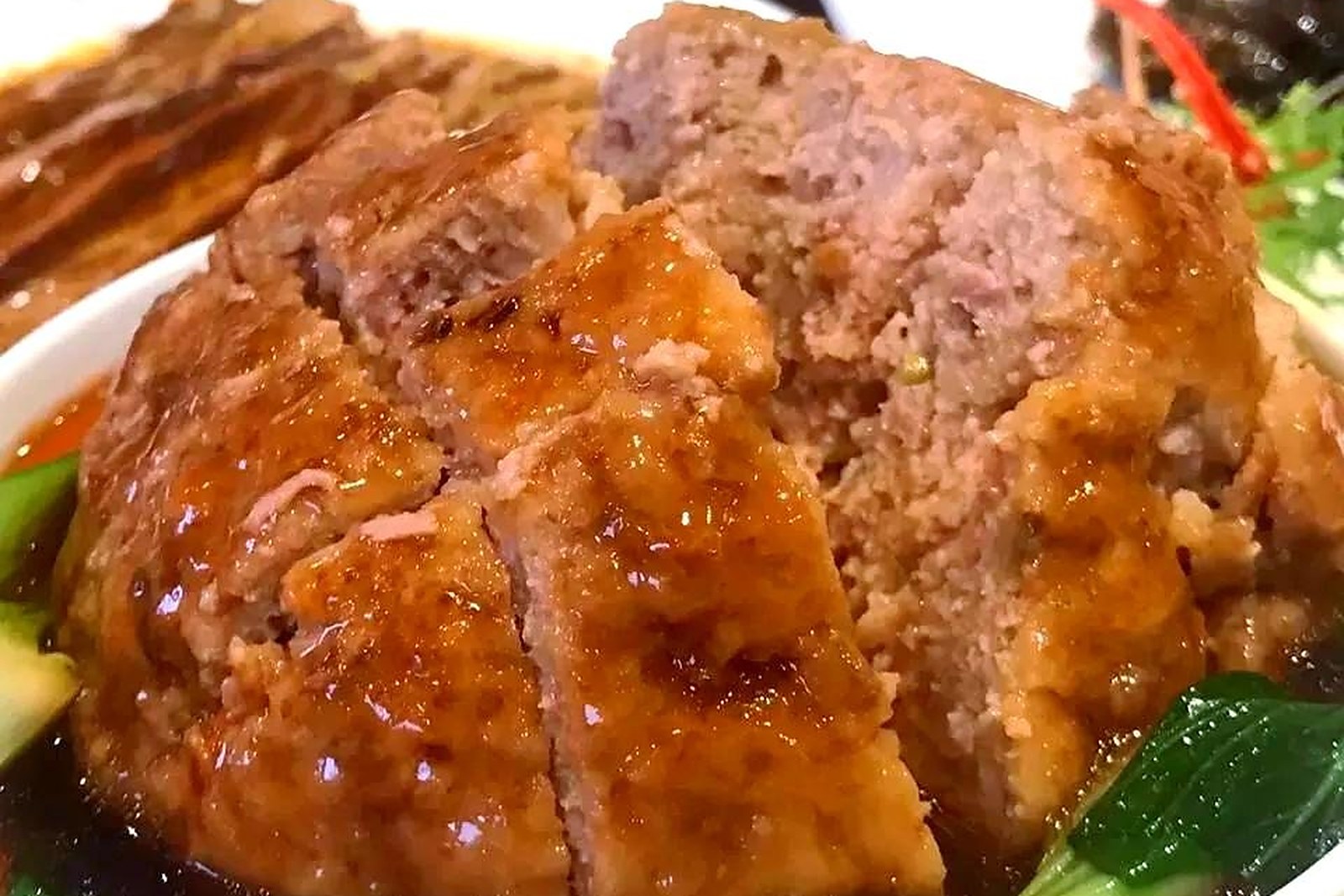
The pork strips carry the flag. Belly meat braised for hours, cut in slabs, glazed to a mahogany shine – it should hold its shape on the chopsticks while dissolving on the tongue, the sauce reduced until it coats like varnish. Around it the chicken argues for silk, the fish for restraint, and the knuckle for celebration; together they turn a family table into a banquet without a single fry.
The braise belongs to the same banquet logic as the 八大碗 bādàwǎn Eight Great Bowls – the paired system Tianjin’s old restaurants used to feed weddings and merchant feasts. The bowls covered the appetites, the braises covered the glory, and the pairing survives today in the district’s banquet houses wherever a round table needs to be convincing. Old cooks say the sauce is the inheritance: stocks kept going for days, each braise borrowing the memory of the last.
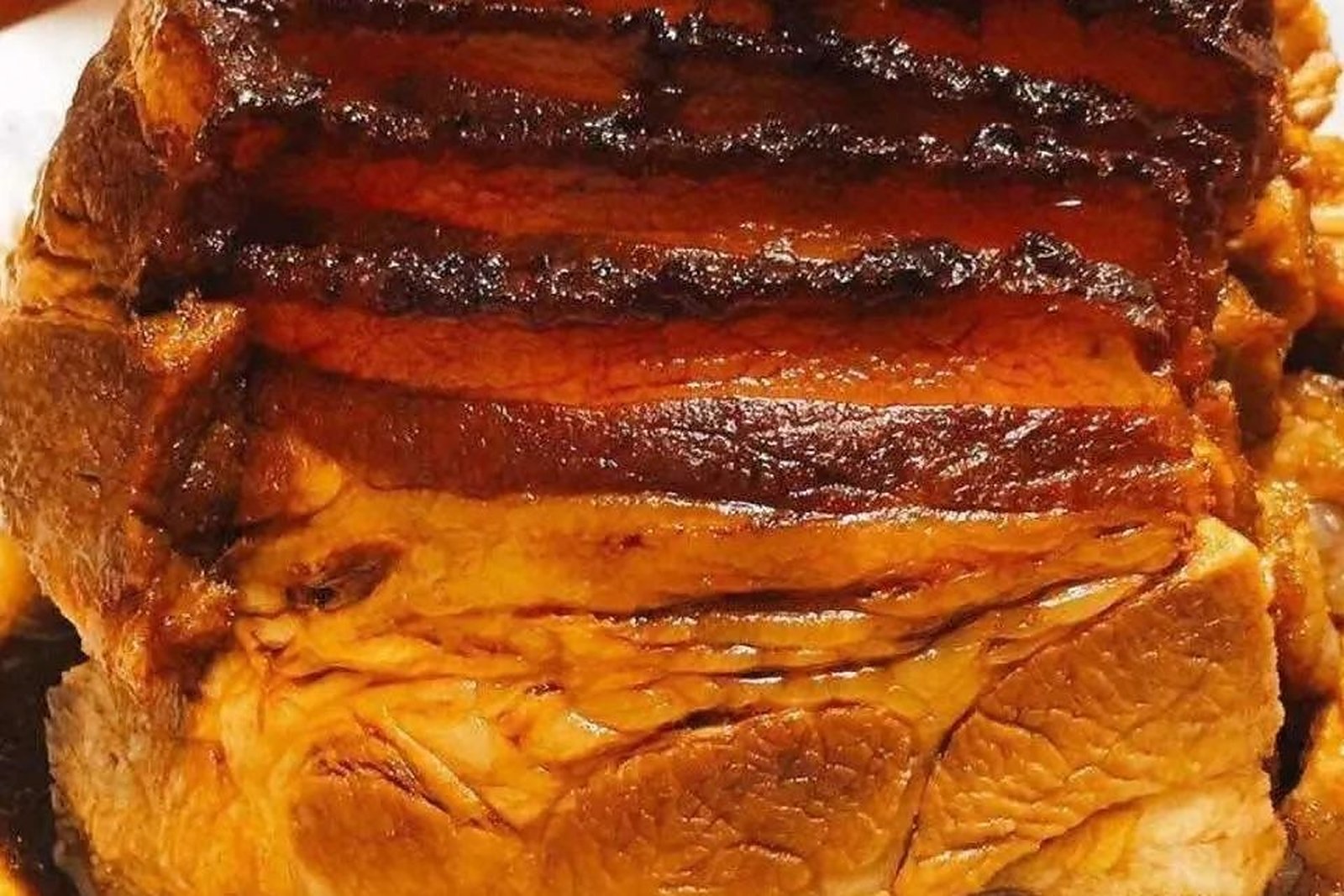
Order sidaba as a set with rice and a light soup – the braises do the declaring, the bowls do the feeding, and the table argues only about which braise wins. The 河北区 Héběi Qū Hebei District banquet houses around 中山路 Zhōngshān Lù keep the set at family prices, and a proper 扒肉条 should still wobble when the plate lands.
The same district holds more flavors worth chasing: 罾蹦鲤鱼 zēngbèng lǐyú the scale-crisp carp, 锅塌里脊 guōtā lǐjǐ the egg-wrapped tenderloin, 老爆二 lǎobào’èr the twice-fried stir-fry, or 茶汤 chátāng the millet paste from the dragon urn – four more doors into the same Hebei District table.
Words and Names
四大扒 sìdà bā sidaba, the Four Great Braises; 扒 bā the low braise finished in lacquer; 扒肉条 bā ròutiáo braised pork strips, the set’s flagship; 八大碗 bādàwǎn the Eight Great Bowls, the braises’ banquet partner; 挂汁 guàzhī the glaze that coats the braise.
What the Locals Know
The braise is judged by the sauce, not the meat – it should lacquer the plate’s bottom without pooling, and the strips should part along the grain, not against it. A house that reheats yesterday’s braise gives itself away in the sauce: fresh stock shines, day-old stock dulls. Order the set for the table, never solo. All checked November 2026.
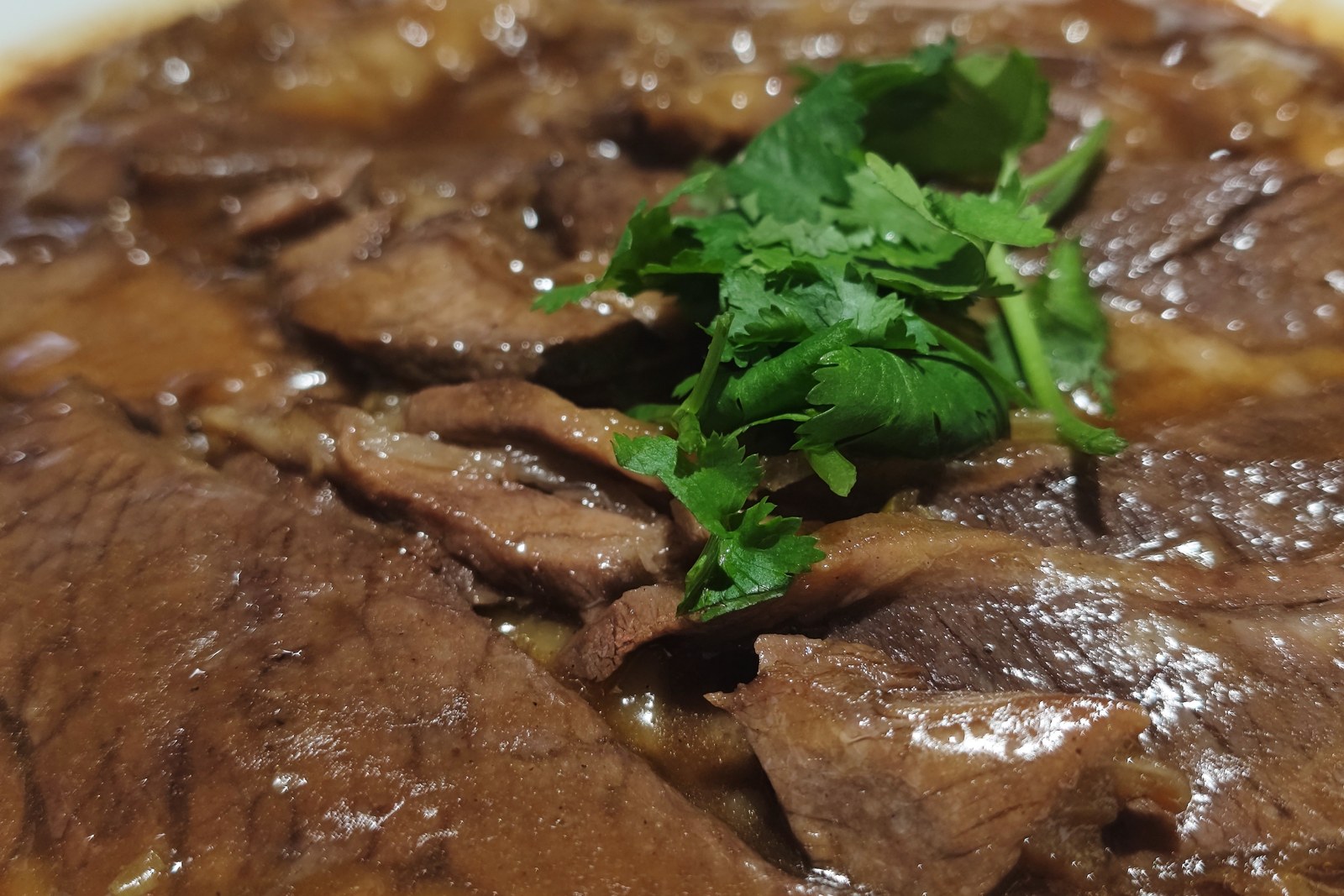
flowcloud would say sidaba is the banquet’s bass section: four braises holding the low notes under the wok-fire dishes, a sauce that took days to learn, and a table that goes quiet exactly where it should.
Where to find it: The banquet houses and long-standing family restaurants around 天津市河北区 Tiānjīn Shì Héběi Qū Hebei District keep the braise sets on the wedding-and-gathering menus – order the 扒 set by name and let the house fill the roster. All checked November 2026.