
Milk Tea — the Cup That Defines the Cha Chaan Teng
红茶三拉丝袜网,一杯滑过百年喉 Hóngchá sān lā sīwà wǎng, yī bēi huá guò bǎinián hóu – Black tea pulled three times through the silk-stocking sieve; one cup glides down a hundred years
丝袜奶茶 sīwà nǎichá milk tea is the daily liturgy of the Hong Kong tea restaurant, and Central and Western district brews the canonical cups. The style is strict: strong black tea pulled through a cloth sieve – the 丝袜 sīwà silk stocking of the name, its fabric stained amber by years of tea – then married with 淡奶 dànnǎi evaporated milk, never fresh, until the liquor turns smooth, tawny and faintly bitter.
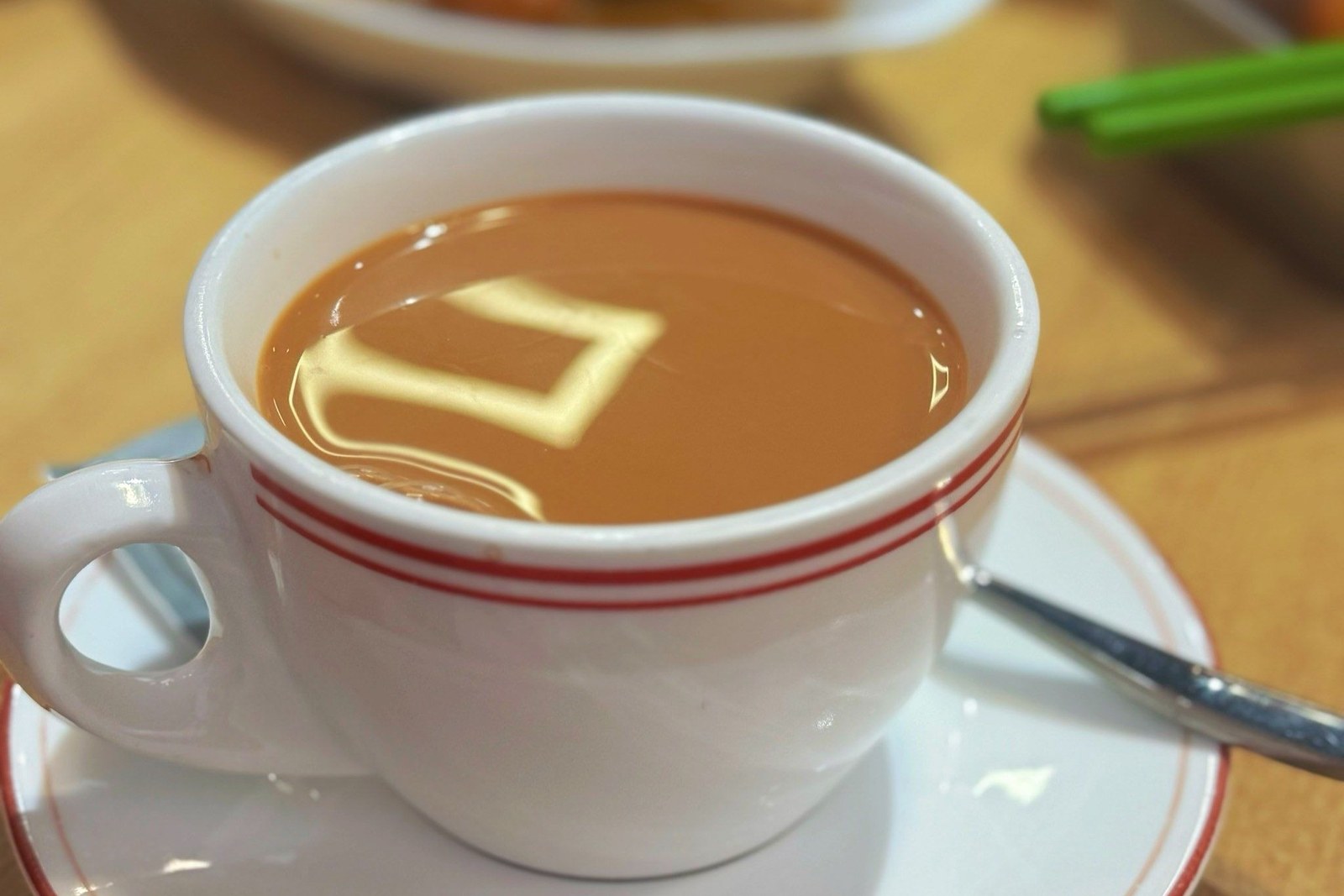
The proper cup arrives hot in porcelain on a saucer, amber-brown and glossy, with a sweetness that rounds but never sugared-out. The first sip is texture – the pull removes the astringency and leaves a liquor that lies on the tongue like silk. Connoisseurs judge the tea by its coat: drink, and the cup should stain the same amber as the sieve.
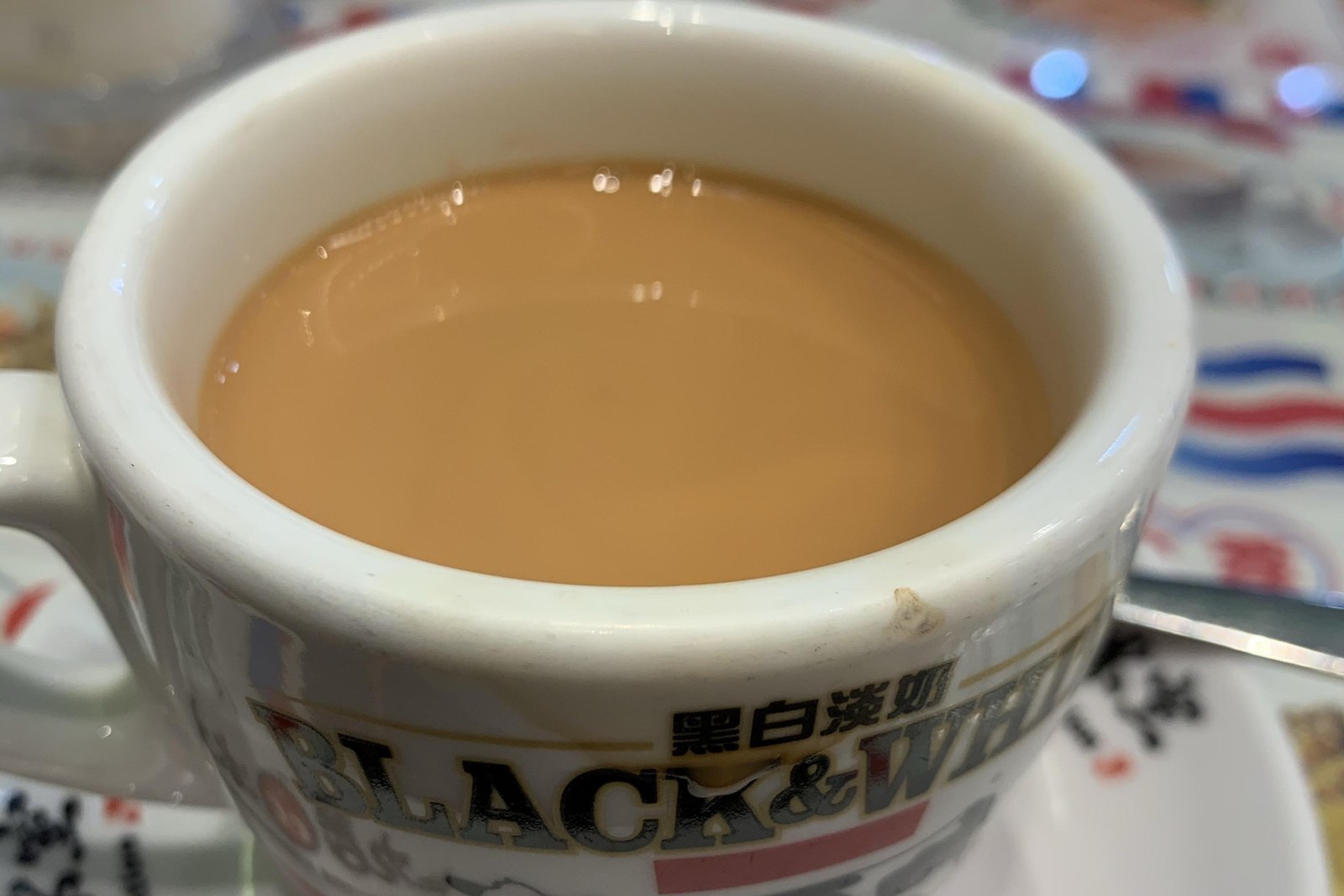
The craft arrived with postwar tea stalls and was refined into guild standards: 兰芳园 Lánfāngyuán Lan Fong Yuen on Gage Street, pouring since 1952, is widely credited as the master’s address, and its counter still pulls every cup through the same worn strainers. The craft of Hong Kong-style milk tea is listed among the city’s intangible heritage items, and in the district’s tea restaurants the pour is a public performance.
Order it hot in porcelain for the full rite, or 冰镇 bīngzhèn iced in a glass for the Central heat, and pair it with a 菠萝油 bōluó yóu pineapple bun with a slab of butter melting inside. One cup converts most travelers; two make the habit permanent – and the district’s counters will happily pour the second before you ask.
Words and Names
丝袜奶茶 sīwà nǎichá silk-stocking milk tea, the cloth-pulled cup; 淡奶 dànnǎi evaporated milk, the only milk the style allows; 兰芳园 Lánfāngyuán Lan Fong Yuen, the Gage Street master since 1952; 茶餐厅 chácāntīng the tea restaurant where the cup lives; 菠萝油 bōluó yóu the pineapple bun with butter, the cup’s classic partner. The same 中西区 Zhōngxī Qū Central and Western holds more flavors worth chasing: 港式蛋挞 Gǎngshì dàntà the two-school egg tart, 港式大排档 Gǎngshì dàpáidàng the open-air stall cooking, 粤式点心茶楼 Yuèshì diǎnxīn chálóu the trolley teahouses, or 兰桂坊 Lánguìfāng the nightlife slope – four more doors into the same district table.
What the Locals Know
Locals rate a tea restaurant by the tea before the menu – if the milk tea arrives amber and glossy, the kitchen is serious; if it arrives pale, order the instant noodles and leave. The sieve’s age is the house’s pride, and the regulars know which counter pulls hardest around three in the afternoon. All checked November 2026.
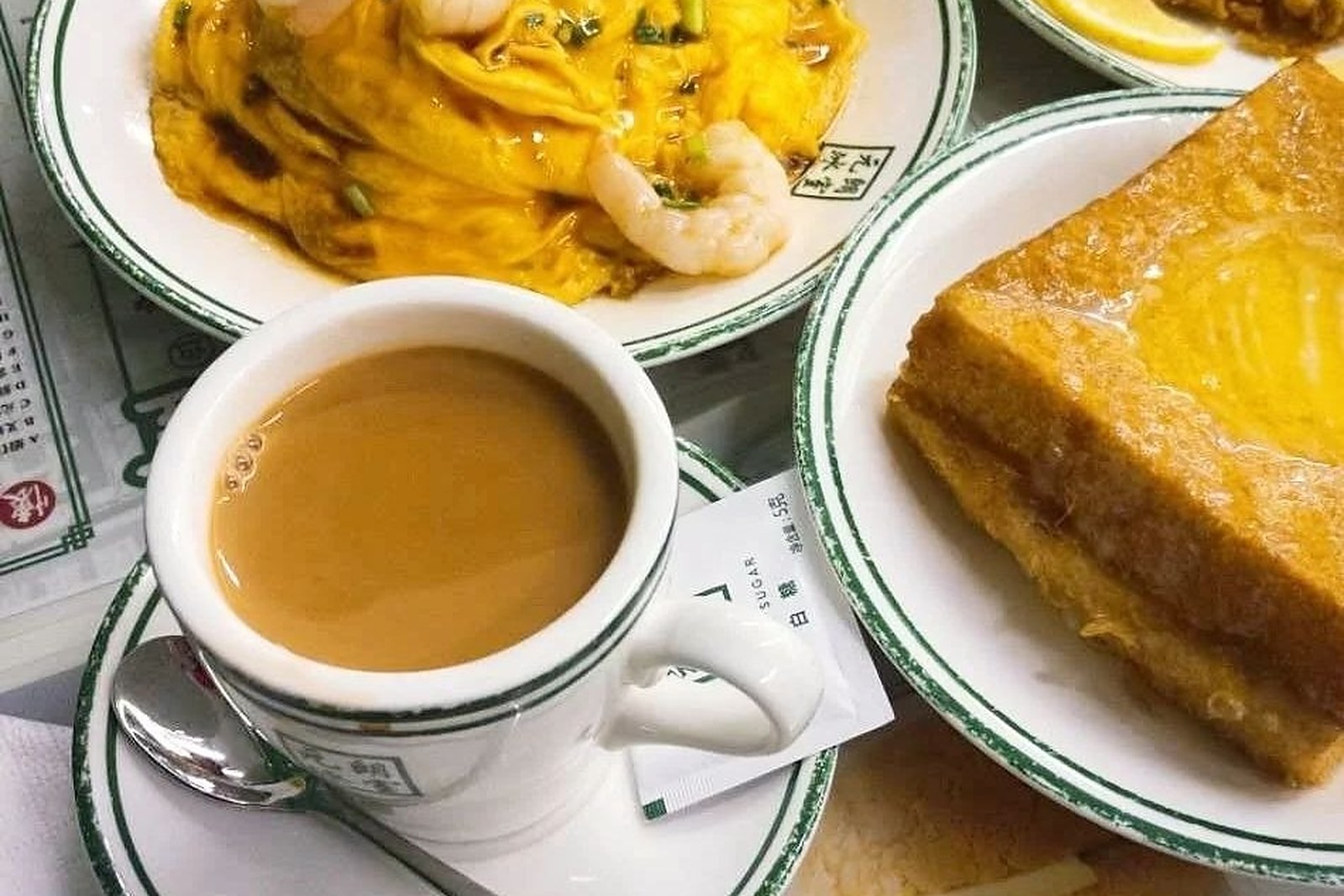
flowcloud would say milk tea is the district’s bloodstream – pulled through cloth since the fifties, and still the first thing the city drinks when it wakes.
Where to find it: Lan Fong Yuen on Gage Street pours the reference cup daily, and tea-restaurant counters through Central, Sheung Wan and Sai Ying Pun keep their own blends – morning and the mid-afternoon break are the classic hours. All checked November 2026.