
九大碗 jiǔ dà wǎn, the nine bowls, is the banquet Songgai old town keeps alive: a set meal of nine large ceramic bowls served family-style to everyone at the table, the bowls fixed by custom rather than by the kitchen’s mood. Braised pork belly in dark soy leads, then stewed chicken with mushrooms, fish in brown sauce, steamed meatballs wrapped in lotus leaf, fried pork ribs, braised tofu puffs, leaf-wrapped minced meat, a seasonal vegetable stir-fry and finally a sweet dessert bowl of red beans or sweet potato to close the round. The occasion matters more than the venue – weddings, funerals, temple festivals and New Year all call for the nine bowls – and in Songgai the cooking still begins at dawn in the family courtyard, with neighbours arriving to chop, fry and carry. This is the communal page a Yongchuan food reader should read second.
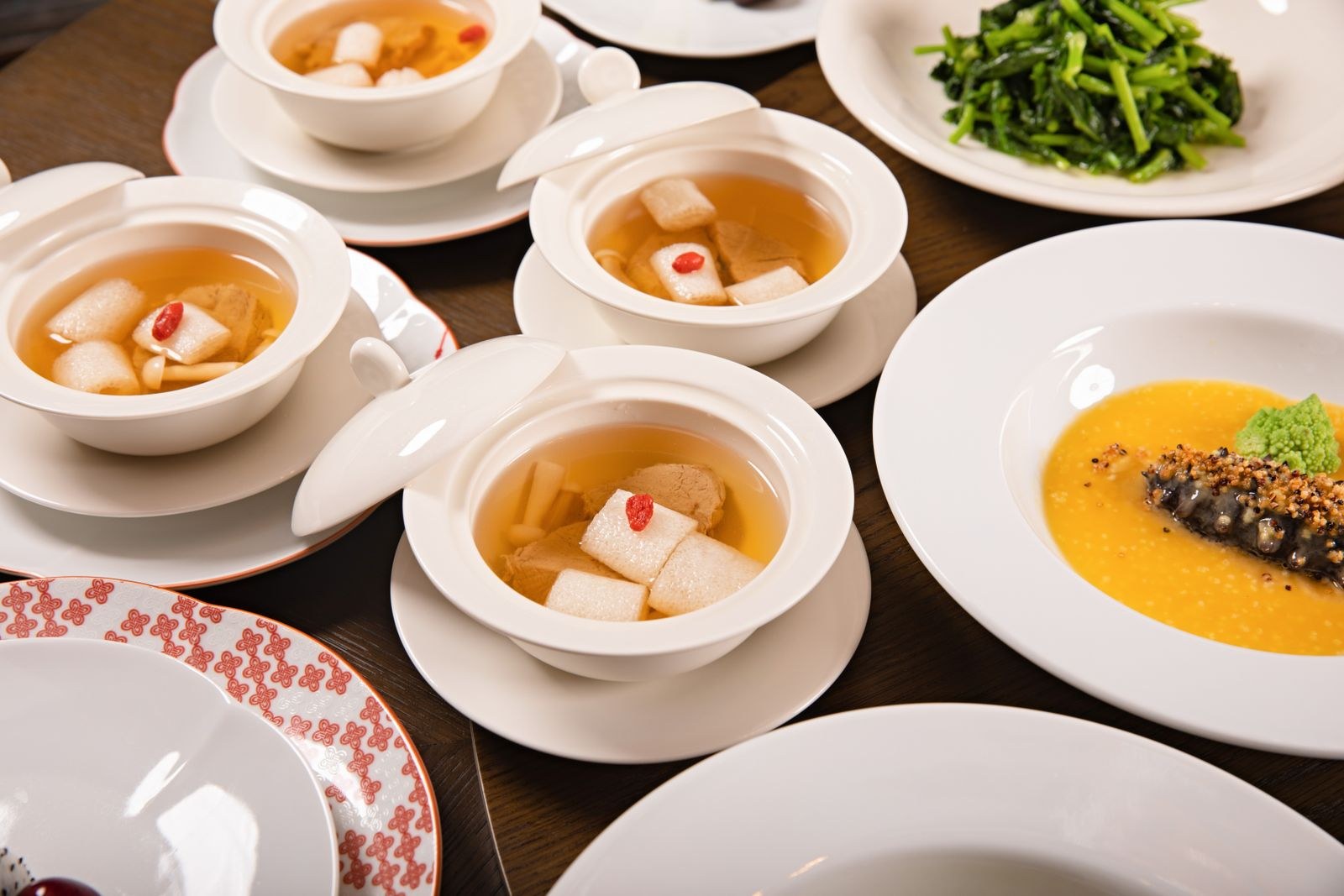
The set is the whole point. Nine bowls, not eight and not ten, because the number is the custom and the custom is the contract: a host who lays the nine has done the full thing, and a guest who sits knows without asking what the meal will hold. The bowls are large on purpose – this is food for a table that shares everything, lifted in turn and set back down, the pork belly gone first because the dark-soy braise is the richest, the leaf-wrapped meatballs last because the lotus leaf keeps them hot. The order is not written down; it is carried in the hands of the women who have cooked it for festivals since they were girls, and a courtyard that puts out the nine bowls is a courtyard that has decided to honour whoever walked in.
The cooking is the town’s own clock. In Songgai the day of a feast starts before light: the pigs are already turning on the fire, the chickens in the pot, the tofu puff soaking up the braise, and the neighbours drift in with knives and baskets because nobody caters the nine bowls alone. By mid-morning the lanes smell of rendered pork fat and mushroom stock, and by the hour of serving the big wooden tables go out onto the flags and the whole street becomes one long table. Sitting down means sitting beside strangers who, for the length of the meal, become relatives – the bowl passed across the gap is the introduction, and the second helping is the friendship, which is the old town’s quiet argument for the format.
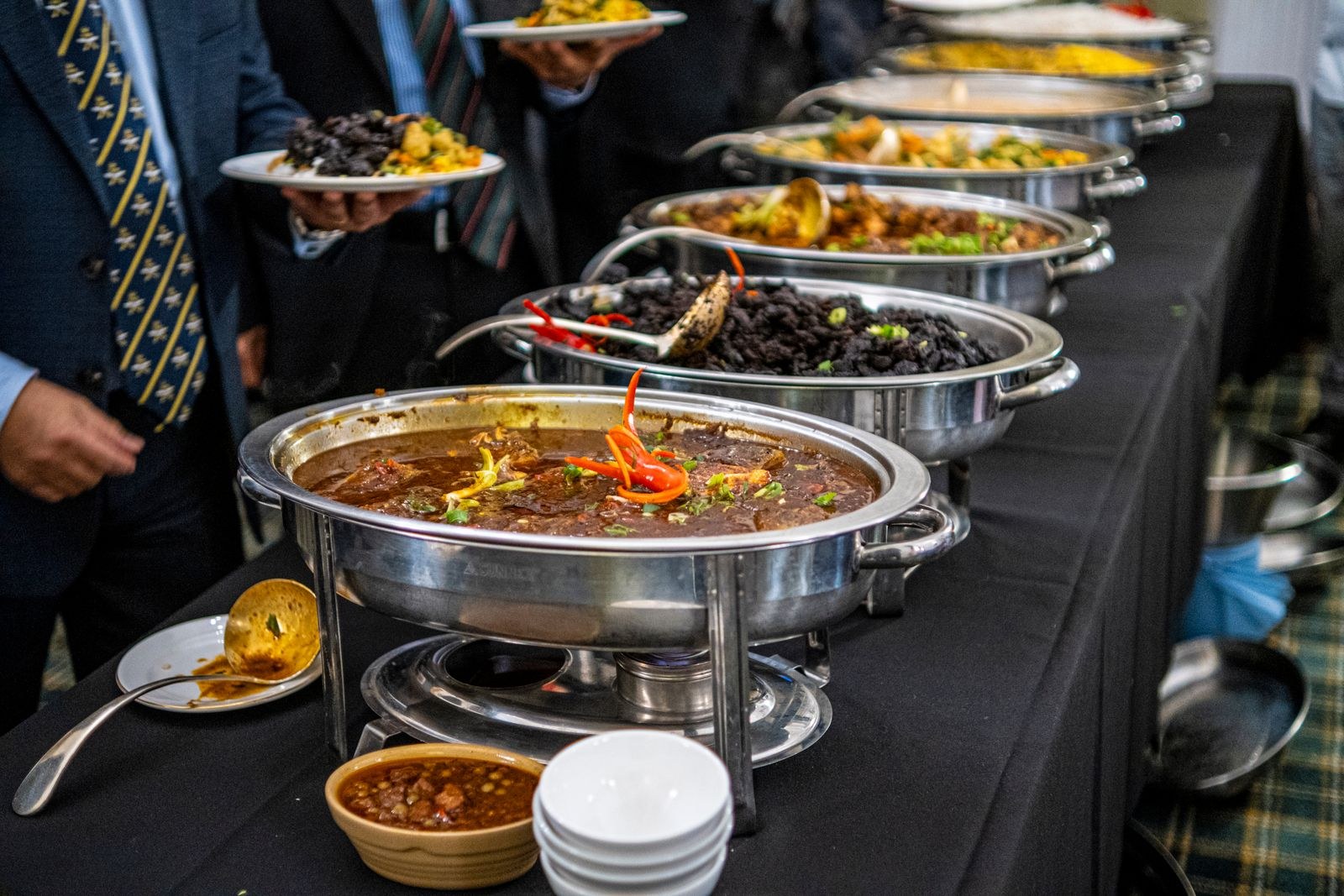
What the record supports and what it does not is worth stating plainly, because a banquet custom with a thousand-year town behind it is exactly the kind of subject that collects invented lineage. The record consulted – the plan’s own facts – names the nine-bowl set, the fixed list of dishes, the occasions that call for it and the dawn cooking in the family courtyard; it does not name a founding house, a founding year, a posted price or a single venue address, and none is invented here. The honest page reports a town-wide banquet tradition rather than one famous kitchen, and leaves the ranking of courtyards to the festivals that already make it every season.
What the visitor does is go when the town eats and take the bowl that is passed. The nine bowls are not a restaurant order but an occasion, so the practical move is to time a visit to a festival or a wedding season and accept the seat offered, because the meal is built around strangers made relatives and the empty chair beside you is part of the service. Eat in the order the table sets – pork belly first, sweet bowl last – and let the lotus-leaf meatball come to you rather than reaching; the leaf is the wrapper and the steam inside is the point. All checked October 2026.
Words and Names
九大碗 jiǔ dà wǎn, the nine bowls, Songgai old town’s communal banquet: a set of nine large ceramic bowls served family-style – braised pork belly in dark soy, stewed chicken with mushrooms, fish in brown sauce, lotus-leaf steamed meatballs, fried pork ribs, braised tofu puffs, leaf-wrapped minced meat, a seasonal vegetable and a sweet red-bean or sweet-potato close. The occasion – wedding, festival, New Year – matters more than the venue, and the cooking begins at dawn in the family courtyard. No founding house, founding year, posted price or venue address is on the public record consulted, and none is invented here.
What the Locals Know
The local knowledge is the number, not the name. Nine bowls is the full honour and a host who serves nine has done the thing properly; a table set with fewer is a lighter occasion, and the guest reads the count before the menu. The second thing locals know is the order of the pass – the rich braise first while the leaf-wrapped meatballs hold their heat, the sweet bowl only when every savoury has gone – because the sequence is the custom and the custom is what makes strangers relatives for the meal. The courtyard that cooks at dawn and lays the big tables on the lane is the one to find, and the festival that fills it is the only booking the format takes. What the record does not carry is any ranking of kitchens, and the page declines to make one – the tables on the flags are the review.
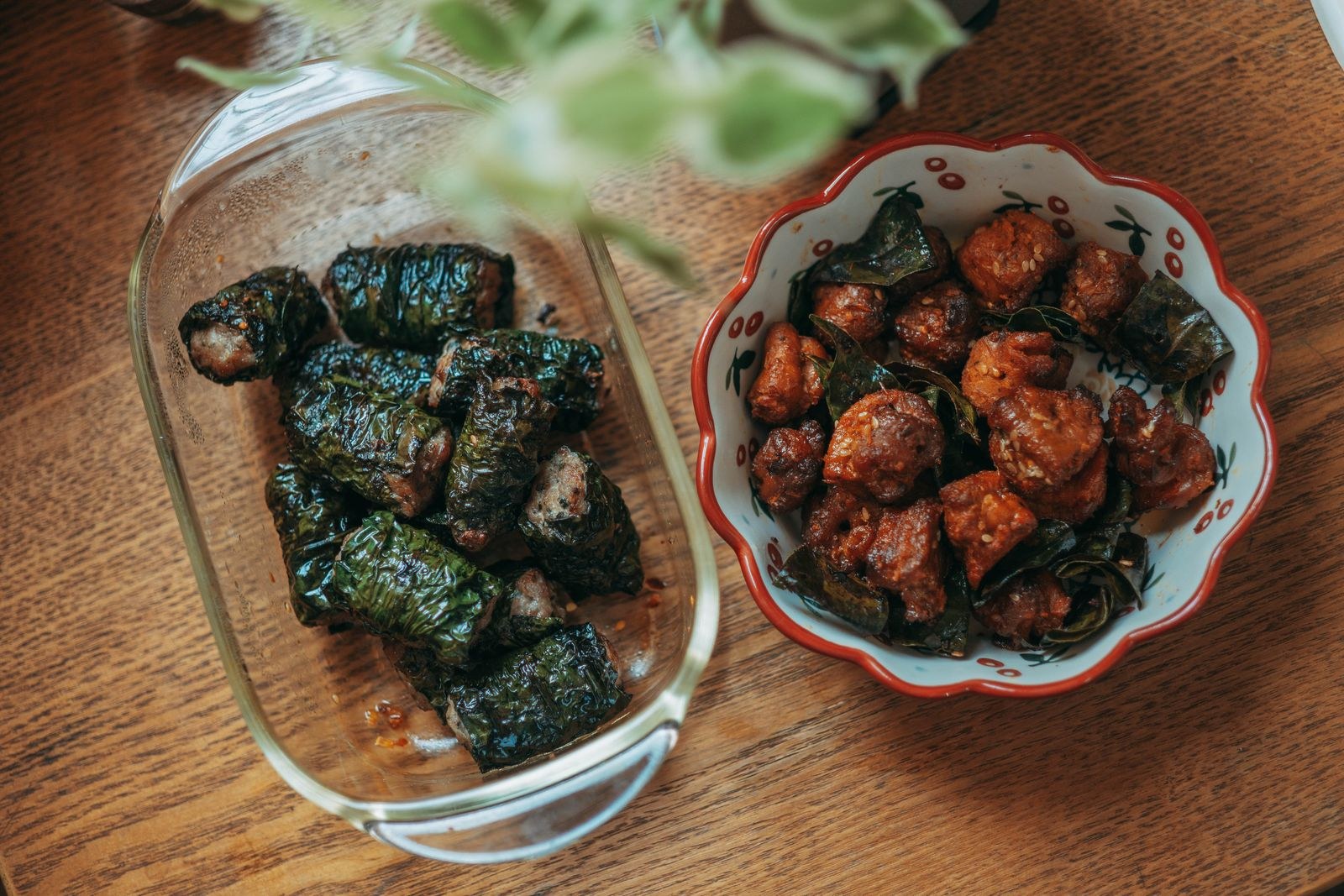
flowcloud would say that Songgai’s nine bowls are the old town’s communal banquet – nine large ceramic bowls served family-style, from dark-soy pork belly through lotus-leaf meatballs to a sweet red-bean close, the occasion outranking the venue and the cooking starting at dawn in the family courtyard – and that the honest page reports a town-wide feast tradition rather than any famous kitchen, with no founding house, year or price on the record and none invented. All checked October 2026.
Where to find it: the nine-bowl feasts run through the lanes and family courtyards of 松溉古镇 Sōngjì Gǔzhèn, Songgai old town, in 永川区 Yǒngchuān Qū, Yongchuan District, on the Yangtze’s edge; no specific venue address, posted price or founding year is on the public record consulted and none is invented here, and the tables laid on the flags during a festival are the practical guide. The bowls are eaten in the order the table sets them. Pair this page with the Songgai old town travel page for the walled town the feasts belong to, and with the Yongchuan dried-tofu page for the snack that travels between the same lanes.