
Songjiang Perch: The Four-Gilled River Delicacy Behind Zhang Han’s “Chunlu Zhi Si” Longing, the Steamed Original-Flavour Feast Fish of Xiuye Bridge and the Thousand-Year Name of Songjiang District, Shanghai
莼鲈一梦辞官去,四鳃登盘天下鲜。Chúnlú yī mèng cí guān qù, sì sāi dēng pán tiānxià xiān – One dream of water-shield soup and perch, and the office was resigned; when the four-gilled fish reaches the plate, nothing under heaven is fresher.
松江鲈鱼 Sōngjiāng lúyú Songjiang perch is the river-fish trade of 松江区 Sōngjiāng Qū Songjiang District, Shanghai – the old capital county south-west of the city centre where the 老市河 lǎo shìhé old market creek runs past 秀野桥 Xiùyě Qiáo Xiuye Bridge and where one small fish has carried a province-sized reputation for over a thousand years. The fish is the water’s own heirloom: the 四鳃鲈鱼 sìsāi lúyú four-gilled perch – so called for the flap-like ridges behind the true gills that read as a second pair – the fish of the Western Jin story in which 张翰 Zhāng Hàn Zhang Han, homesick for the 莼鲈之思 chúnlú zhī sī taste of water-shield soup and perch of his southern rivers, resigned his post and turned his boat home, the poem that made the fish the emblem of every Chinese longing for a table left behind. The eating register is deliberately plain: 清蒸 qīngzhēng steamed whole, the flesh judged by whether it parts in tender, sweet flakes without any sauce doing the work, the fish priced as the 名贵河鲜 míngguì héxiān rare river delicacy it has always been – today’s supply runs largely to farmed ponds raised from the same stock, the wild fish long protected, and which kitchen serves which strain is worth confirming the details on rather than recited. The clientele is the district’s celebration table first and the city’s fish pilgrims second. The blunt definition: the creek fish that out-argued an imperial career – the taste of Songjiang eaten where a poem settled.
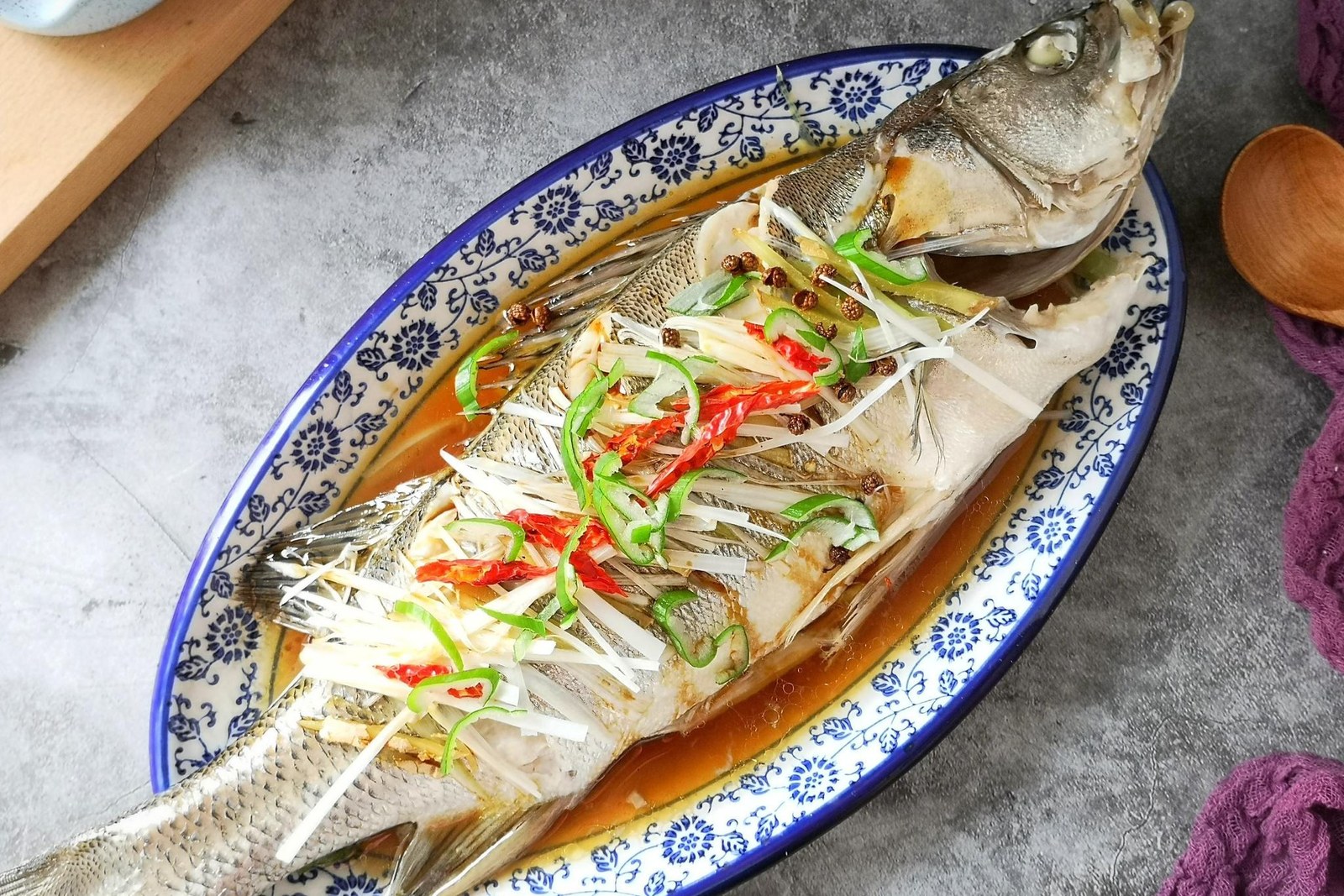
Call it honestly: rare-fish money on a season clock. Getting there is one door: 松江区 Sōngjiāng Qū Songjiang District is reached from the city centre by 地铁9号线 Dìtiě 9 hào xiàn Metro Line 9 to the 松江新城 Sōngjiā Xīnchéng Songjiang New Town stations, with the old creek and bridge belt around 秀野桥 Xiùyě Qiáo Xiuye Bridge in the 仓城 Cāngchéng granary-town reach the last stretch by short ride or bus (worth confirming the details for the exact bridge-side doors, the old-town fronts shifting with the renewal works). A steamed perch at a proper restaurant table prices at occasion money for a single fish, a river-fish banquet for a group at celebration money – though exact figures are worth confirming the details on rather than quoting, the fish repricing with the season and the supply. The crowds run to the calendar: autumn, the traditional season of the 莼鲈之思 chúnlú zhī sī longing, is when the fish-minded come, weekends stack the district’s restaurant tables, weekday middays hand the old creek belt to the residents, and a weekday midday, when the kitchen steams to order and the bridge runs quiet, is the eater’s own hour (worth confirming the details for individual kitchens’ hours, which follow the fish trade more than any posted sign).
The honest star is the steam itself, graded fish by fish. What gets oversold is the “imperial fish legend” framing: guides sell a shrine where every perch is a relic of Zhang Han’s boat, and a first-timer may meet an ordinary district restaurant of menu pages, fish tanks and banquet rooms – which is not the disappointment but the point. What repays the effort is grading the fish the way the old county does: a perch judged by whether the flesh parts in clean sweet flakes under the chopstick rather than weeping water, a broth judged by whether it tastes of the fish alone, a table judged by whether the kitchen trusted the steam over the sauce. The test costs nothing: order one fish steamed plain before you order anything dressed, eat the first bite with no condiment at all, and book where the district’s own families hold their celebration tables rather than where the poem hangs on the wall – a county that has steamed the same fish for a thousand years grades its pots daily, and the celebration queue is the certificate (worth confirming the details – the kitchen doors migrate with the leases, and today’s plainest room may be next season’s remembered one).
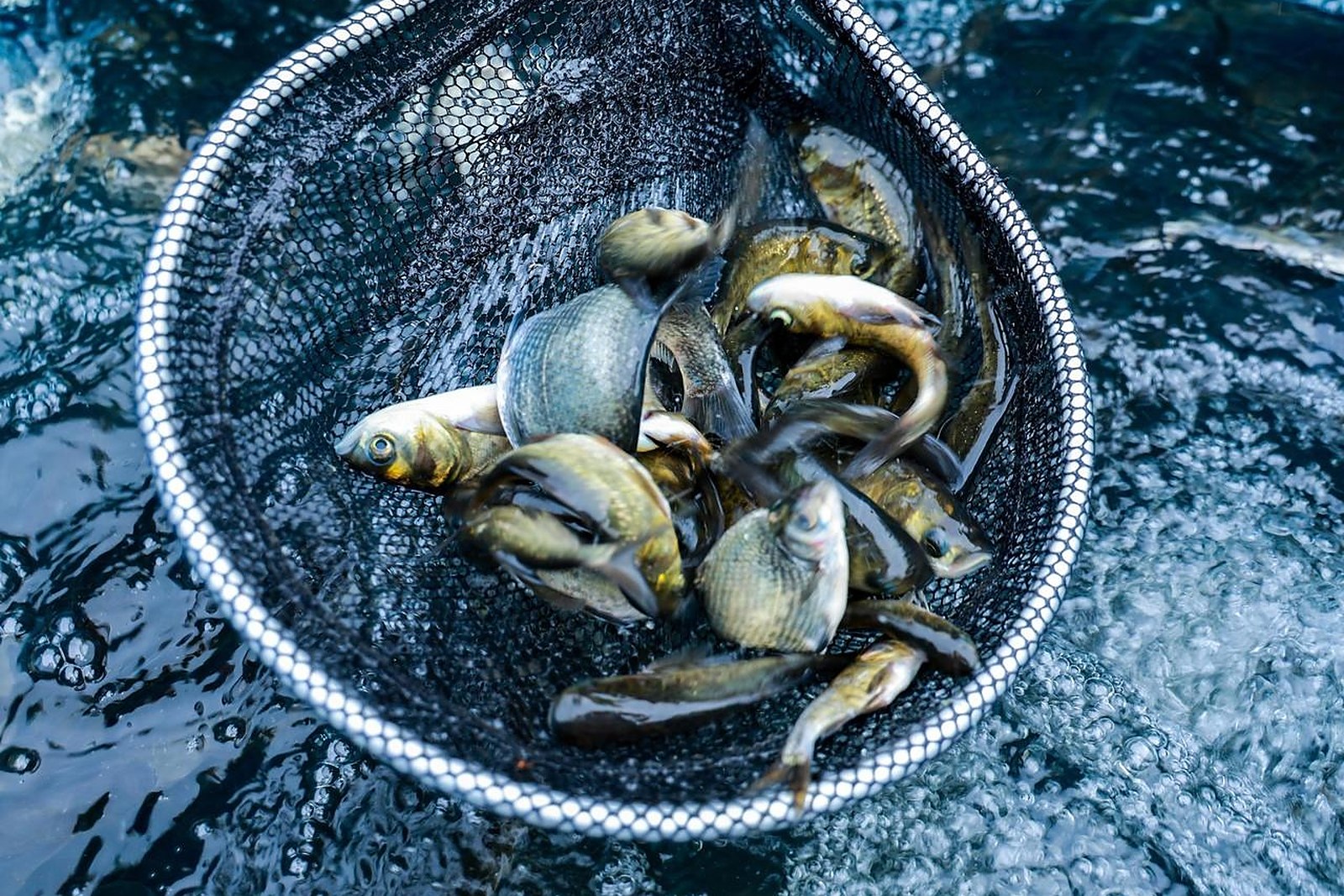
The district’s deepest habit is the poem’s arithmetic: autumn is the perch season, the longing season, the season when a Songjiang table sets one steamed fish at the honour seat and lets the guests do the remembering – a discipline the story built and the kitchens keep without any signboard. Time it right – a weekday midday in the season, the fish steamed to order – and the plate explains the district better than any plaque: the river wrote the poem, and the steam keeps it in print (worth confirming the details – which kitchens run the farmed four-gilled stock through which months, the trade thickening with the season and thinning to the regulars between).
The rest of this Songjiang list keeps other tables: the soft steamed squares of 叶榭软糕 Yèxiè ruǎngāo Yexie ruangao bake in the tea counters of 叶榭镇 Yèxiè Zhèn Yexie town, the white-cut winter mutton of 张泽羊肉 Zhāngzé yángròu Zhangze mutton warms the banquet tables of the same town’s 张泽 Zhāngzé Zhangze belt, the soup-bursting baskets of 泗泾小笼 Sìjīng xiǎolóng Sijing xiaolong steam in the old town of 泗泾 Sìjīng Sijing to the north, and the orchid-scented spring shoots of 佘山兰笋 Shéshān lánsǔn Sheshan lanbamboo rise in the hill’s bamboo groves – one district, four more tables, all inside 松江区 Sōngjiāng Qū Songjiang District; and when the fish lunch needs a bed by the old creek or a broader route, the stay-and-street notes for the district pick up where the steam leaves off.
Words and Names
What the Locals Know
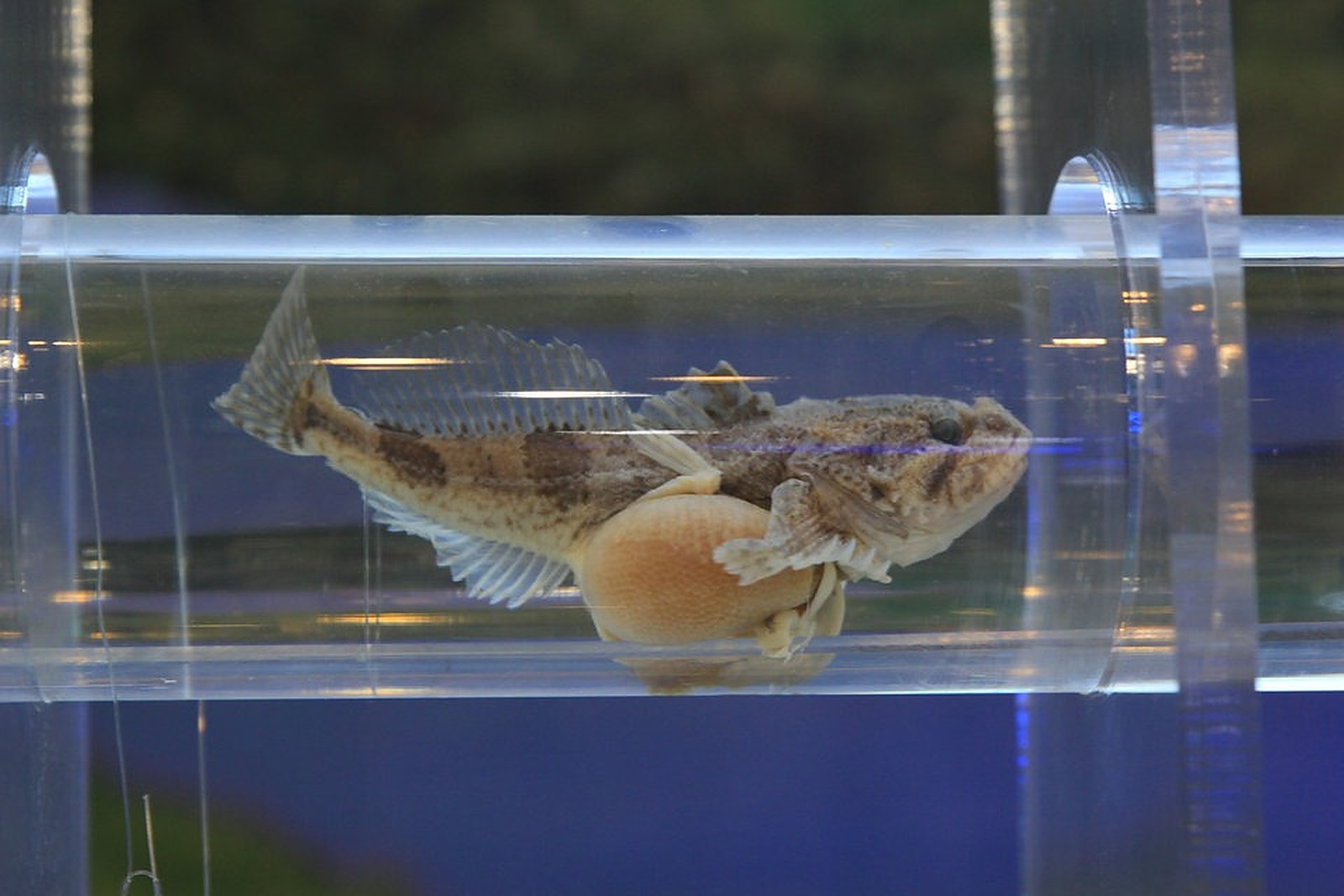
flowcloud would say that the 松江鲈鱼 Sōngjiāng lúyú is the thousand-year river delicacy and the poem-fish of Songjiang District, Shanghai – a 清蒸原味 qīngzhēng yuánwèi steamed original-flavour discipline where the 四鳃鲈鱼 sìsāi lúyú four-gilled name and the 莼鲈之思 chúnlú zhī sī story of 张翰 Zhāng Hàn Zhang Han answer the waters of 秀野桥 Xiùyě Qiáo Xiuye Bridge – and that the honest move is to order one fish steamed plain, eat the first bite with no condiment at all, and let the district’s celebration queue cast the vote, because the river wrote the poem and the steam keeps it in print. All checked October 2026.
Where to find it: 松江区 Sōngjiāng Qū Songjiang District, Shanghai – the old-creek fish belt around 秀野桥 Xiùyě Qiáo Xiuye Bridge in the 仓城 Cāngchéng granary-town reach, where the 四鳃鲈鱼 sìsāi lúyú four-gilled perch keeps the 莼鲈之思 chúnlú zhī sī story and the kitchens keep the 清蒸 qīngzhēng steamed register, reached by 地铁9号线 Dìtiě 9 hào xiàn Metro Line 9 to the 松江新城 Sōngjiā Xīnchéng Songjiang New Town stations and the short connecting ride or bus toward the old creek (worth confirming the details for which kitchen holds which frontage today, old-town doors turning over as old towns do), where the trade keeps the season clock – autumn the fish-minded tide, weekends the district’s stacked tables, weekday midday the eater’s own; occasion to celebration money by the fish, so call it worth confirming the details rather than a fixed number, and let the celebration queue cast the vote. Songjiang perch is the four-gilled river delicacy behind Zhang Han’s “chunlu zhi si” longing, the steamed original-flavour feast fish of Xiuye Bridge and the thousand-year name of Songjiang District, Shanghai – the taste of 松江区 Sōngjiāng Qū Songjiang District eaten where a poem settled. All checked October 2026.