
Songshan Mushroom Chicken: Wild Pine Mushrooms, Free-Range Birds and the Autumn Pot of Yanqing District, Beijing
松山雨后松蘑出,柴鸡一锅慢火香。Sōng Shān yǔ hòu sōngmó chū, chái jī yī guō màn huǒ xiāng – After rain on Songshan the pine mushrooms come up; one pot of free-range chicken, slow fire, fragrant.
松蘑炖鸡 sōngmó dùn jī Songshan mushroom chicken is not a chef’s plate and not a winter tonic – it is, plainly put, a whole free-range bird and a handful of wild pine mushrooms simmered together in one pot until the broth turns the colour of weak tea and the kitchen smells of resin. The address is a mountain: the pine woods of 松山 Sōng Shān Songshan and the forests around 玉渡山 Yùdù Shān Yudu Mountain in the northwest of 延庆区 Yánqìng Qū Yanqing District, Beijing, where the 松蘑 sōngmó pine mushroom fruits under the trees after summer rain, and the villages at the foot of the slopes cook it with 柴鸡 cháijī chicken – the slow-growing, yellow-legged birds kept in yards rather than sheds (worth confirming which villages still keep birds and which buy them in). The two ingredients explain the dish completely. The mushroom is the aromatic half, the bird is the body, and the pot is deliberately plain: no searing to a crust, no aromatics beyond ginger and scallion, because the point is to let a forest flavour stand in a chicken broth without competition.
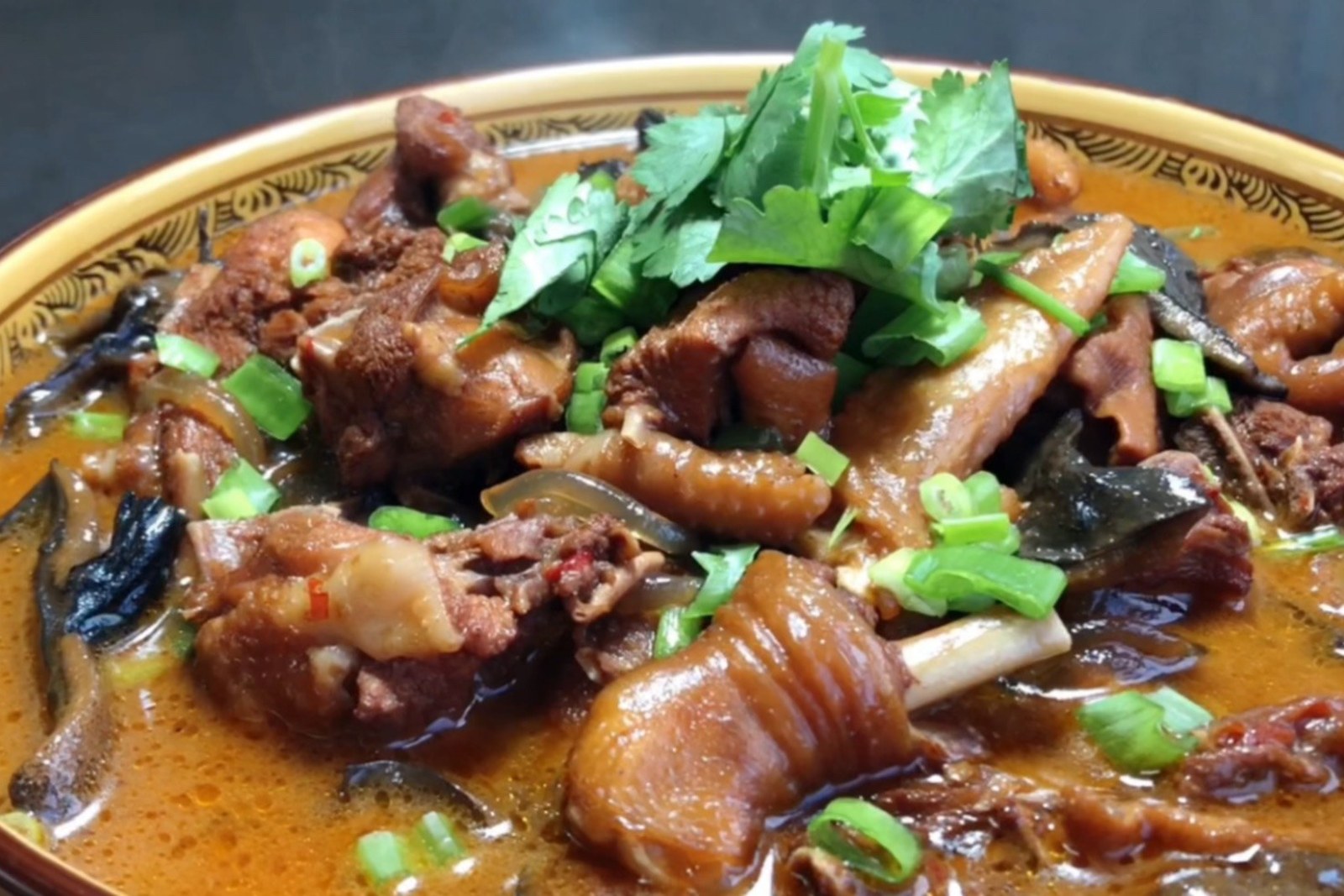
Call it honestly: this is a seasonal dish that the rest of the year imitates. Fresh 松蘑 sōngmó has a short window, roughly from the summer rains into early autumn, and outside it the kitchens use dried mushrooms, which are perfectly good and unmistakably different – darker, deeper, less resinous, more like a stock than a scent. The second honest point is labour. Wild pine mushrooms carry grit in their gills and their stems, and the washing is the real skill: soaked, swirled, rinsed repeatedly, sometimes blanched and squeezed, and a kitchen that skips it will send you a pot that crunches. The third is time – an hour and a half at minimum for a yard bird, longer if the bird is old, which is why this is a lunch dish ordered on arrival rather than a dinner decided at the table. Prices shift with the season and the house – worth confirming the details – and a mountain kitchen in the mushroom weeks is busier than its car park suggests.
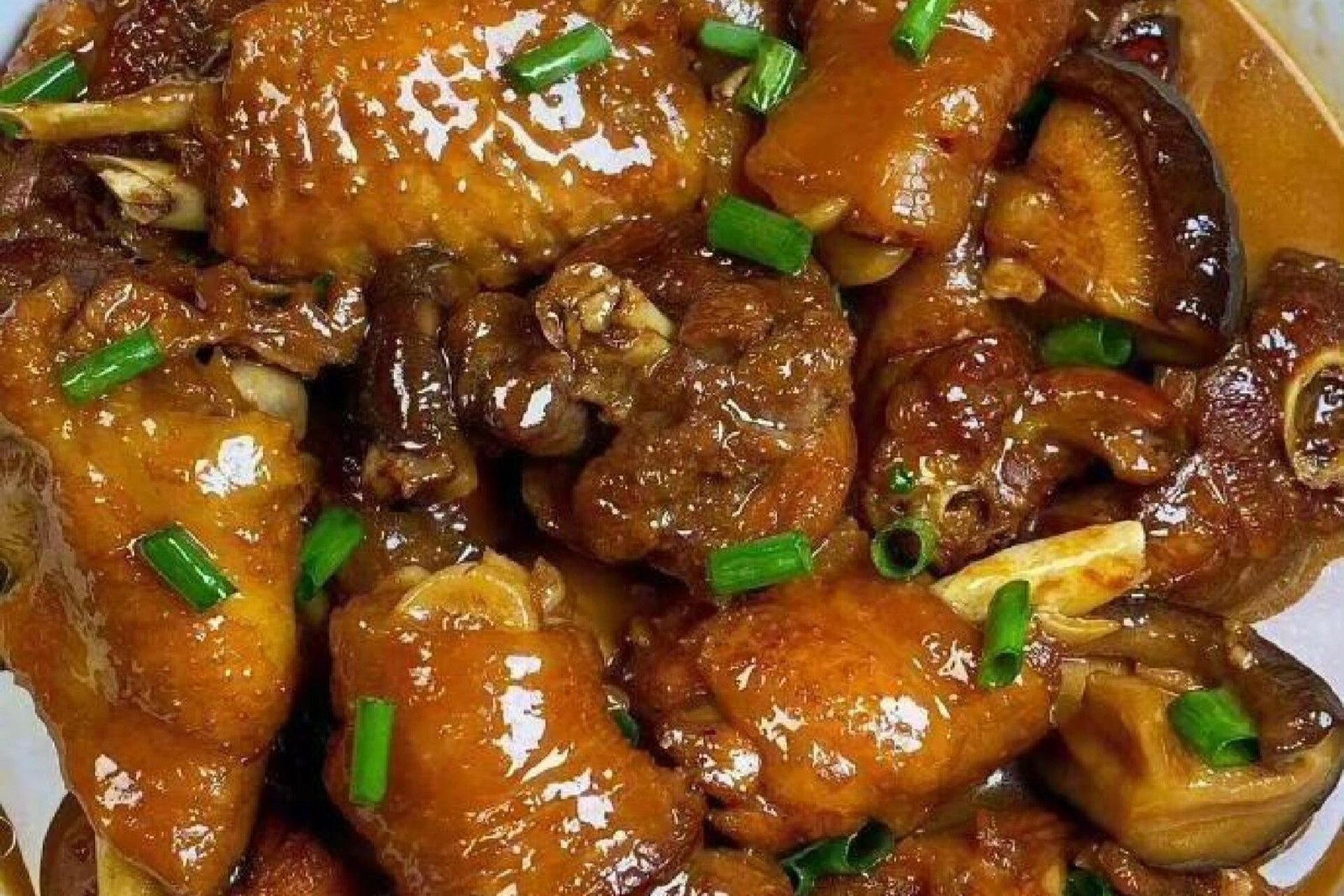
The honest star is the mushroom, and the broth it makes. A good pot is not thick or creamy; it is clear amber with a slick of chicken fat on the surface, and the first spoonful tastes of pine duff and butter before it tastes of chicken – the mushroom gives, the bird supports. The meat should come away from the bone with a push and stay stringy rather than soft, because a yard bird that falls to pieces was either old or boiled too long. What gets oversold is the word tonic: the dish is filed in local patter as a strengthening food for autumn, and while a hot broth with protein and mushrooms is a reasonable thing to eat when the weather turns, the medicinal claims attached to wild mushrooms in these hills are folk belief rather than pharmacology (worth confirming what each house claims). The other oversell is wildness itself – a pot in April is made of dried or bought-in mushrooms, and a menu that says otherwise is trading on the season’s reputation.
The self-aware postscript: a farmhouse below Songshan in the second week of September, a pot set down with a plate for the lid, the host apologising that the mushrooms are small this year because the rain came late, and a child fishing out a mushroom cap and eating it before the chicken is touched – which is the correct order and nobody corrects her. That is the honest grade: a forest’s short season, cooked plainly, eaten fast. The same 延庆区 Yánqìng Qū Yanqing District thread runs on: the breakfast ovens of 延庆火勺 Yánqìng huǒshao Yanqing huoshao are lit before dawn in the county town, the fire-basin tables of 柳沟豆腐宴 Liǔgōu dòufu yàn Liugou tofu banquet steam in the courtyards of 井庄镇 Jǐngzhuāng zhèn Jingzhuang town, the iron pots of 官厅水库鱼 Guāntīng shuǐkù yú Guanting reservoir fish simmer along the southwestern shore, and the ridged fruit of 八棱海棠 bālèng hǎitáng baling crabapples reddens on the northern slopes – one district, four more tables.
Words and Names
- 松蘑炖鸡 sōngmó dùn jī / Songshan mushroom chicken · the mountain pot the northwest is known for - 松蘑 sōngmó / pine mushroom · the wild fungus that fruits under the pines after rain - 柴鸡 cháijī / free-range yard chicken · the slow-grown bird that gives the broth its body - 松山 Sōng Shān / Songshan · the mountain and reserve above the kitchens - 玉渡山 Yùdù Shān / Yudu Mountain · the forested valley on the same mushroom ground - 慢炖 màn dùn / slow simmer · the hour-and-a-half method the dish depends on - 延庆区 Yánqìng Qū / Yanqing District · the Beijing district holding the pine woods
What the Locals Know
Locals ask two questions before ordering, both about the mushroom: whether it is fresh or dried, and where it came from. Fresh in season is the reason to be here; dried out of season is honest and good, but should be described as such rather than presented as wild. Ask for less water in the pot if you want flavour rather than soup, and ask for the bird to be cut at the table, which shows whether it was a yard bird or a shed one. Order a plate of 摊鸡蛋 tān jīdàn farmhouse omelette or pickled greens alongside, because the pot is rich and one note. Go at lunch, since the bird needs its hours and the road down is slow after dark. The mushroom weeks, after the summer rains into early autumn, are when the kitchens are worth the drive, and weekend tables should be booked; a dry summer empties the menus early (worth confirming the season with the houses). One caution: a kitchen that has not washed its mushrooms properly will be obvious in the first mouthful. Prices shift with the season and the house – worth confirming the details.
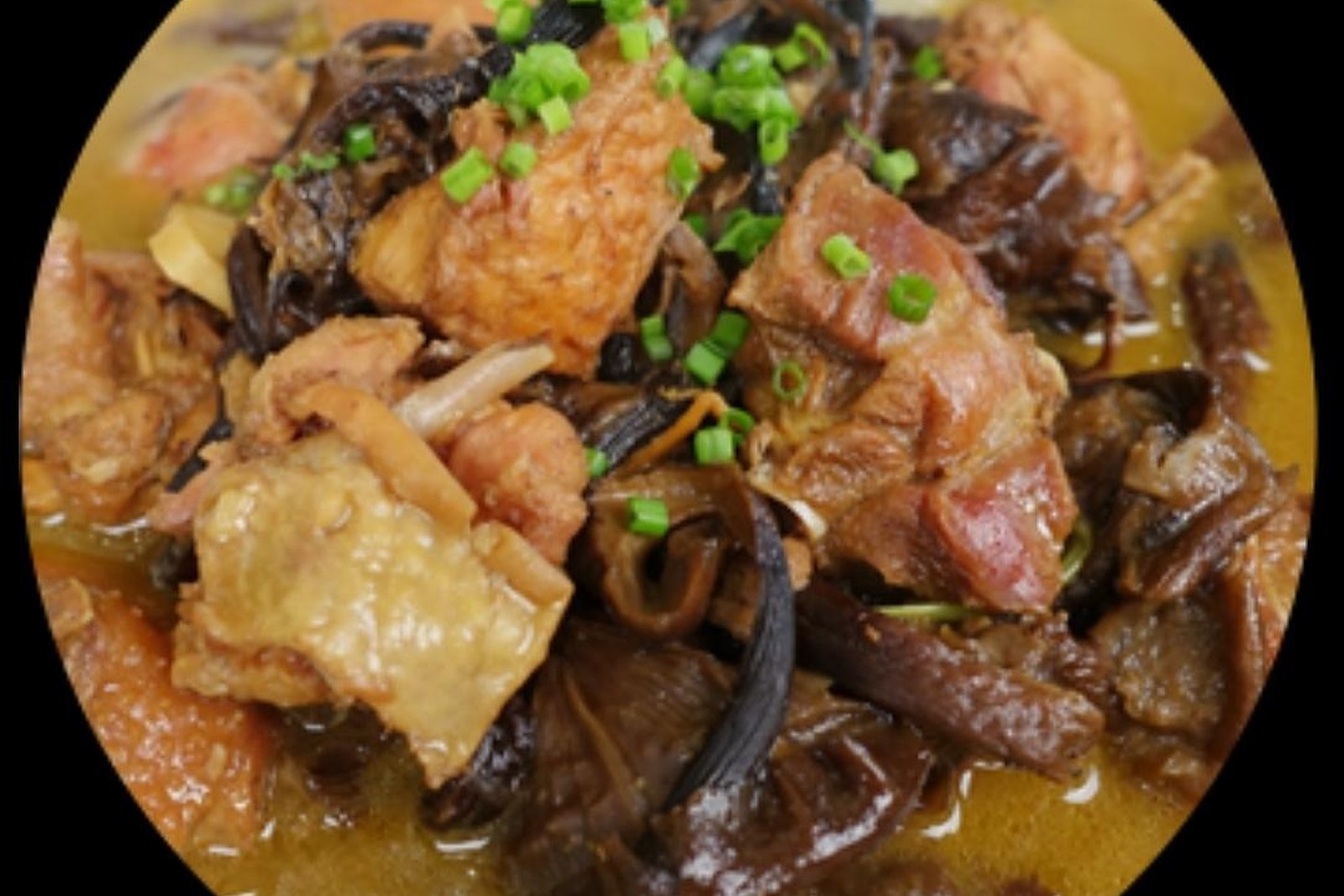
flowcloud would say that the 松蘑炖鸡 sōngmó dùn jī is the wild pine mushrooms, free-range birds and the autumn pot of Yanqing District, Beijing – a 慢炖 màn dùn discipline where 松蘑 sōngmó gives the scent and 柴鸡 cháijī gives the body – and that the honest move is to ask fresh or dried, ask where the mushroom came from, and order at lunch, because the forest built the season and the clock built the broth. All checked October 2026.
Where to find it: Yanqing District Yánqìng Qū, Beijing – the farmhouse kitchens in the villages below 松山 Sōng Shān Songshan and around 玉渡山 Yùdù Shān Yudu Mountain in the district’s northwest, where 松蘑炖鸡 sōngmó dùn jī runs at lunch through the mushroom weeks from the summer rains into early autumn (worth confirming the details – which houses cook it fresh rather than dried, their season and whether they take bookings); prices shift with the season and the house – worth confirming the details. Songshan mushroom chicken is the wild pine mushrooms, free-range birds and the autumn pot of Yanqing District, Beijing, mushroom before bird. All checked October 2026.