
Steamed Cured Meats
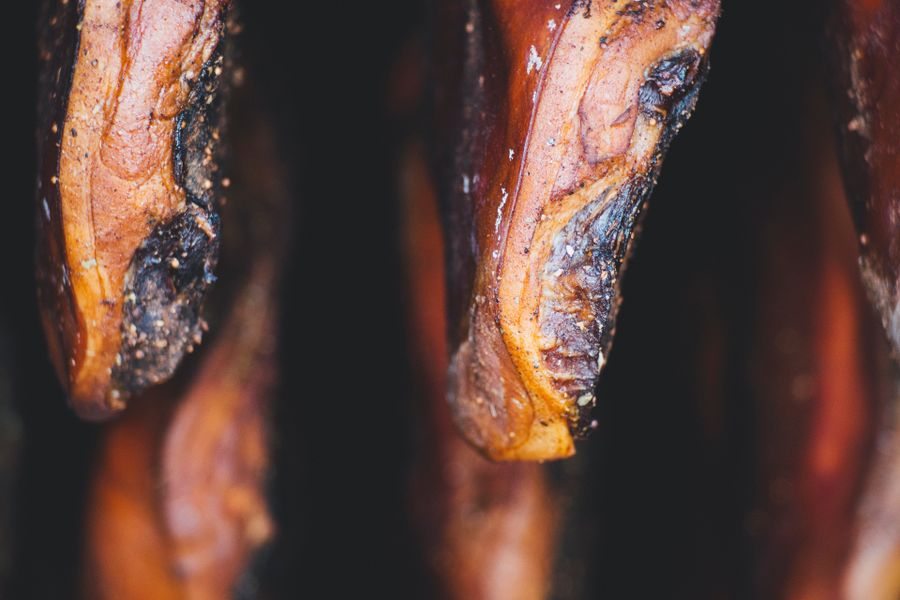
Winter in Hunan smells of smoke. Walk through any village in the province between the twelfth and the first months and you will find it everywhere — suspended from rafters, swinging from balconies, hanging in neat dark rows across the front of old houses: sausages, hams, strips of belly pork, all darkening under months of woodsmoke and cold air. When spring finally arrives, the best of that patient winter is brought inside, sliced thin, and laid in a single steaming dish that the Hunanese call 腊味合蒸 (la wei he zheng) — the gathering of the cured ones. It is not a recipe. It is an archive of the season.
A Memory Made of Smoke
The tradition is as old as the habit of being hungry in winter. Before refrigeration, before the city’s bright lights, Hunan preserved its meat the only way the weather allowed: with salt, with smoke, and with time. The pork belly is rubbed with salt and a little sugar, left to rest, then hung over smouldering fires of cypress and tea leaves until the flesh has turned the colour of old mahogany and the fat has gone translucent with patience. Sausage is made from pork and a generous hand of spices, stuffed into casings and dried in the winter wind. The result is food that does not spoil, food that waits — food that carries the character of the very winter that made it.
Legend has it that the dish as it is known today was perfected in the kitchens of the Qing dynasty, when cooks learned that the true secret of cured meat was not the curing at all but the steaming. Fire would toughen it. Boiling would wash its soul away. Only steam — gentle, enveloping, unhurried — could return the meat to the tenderness it had surrendered to the smoke, and release the flavour that had been sealed inside all winter.
The Art of the Assembly
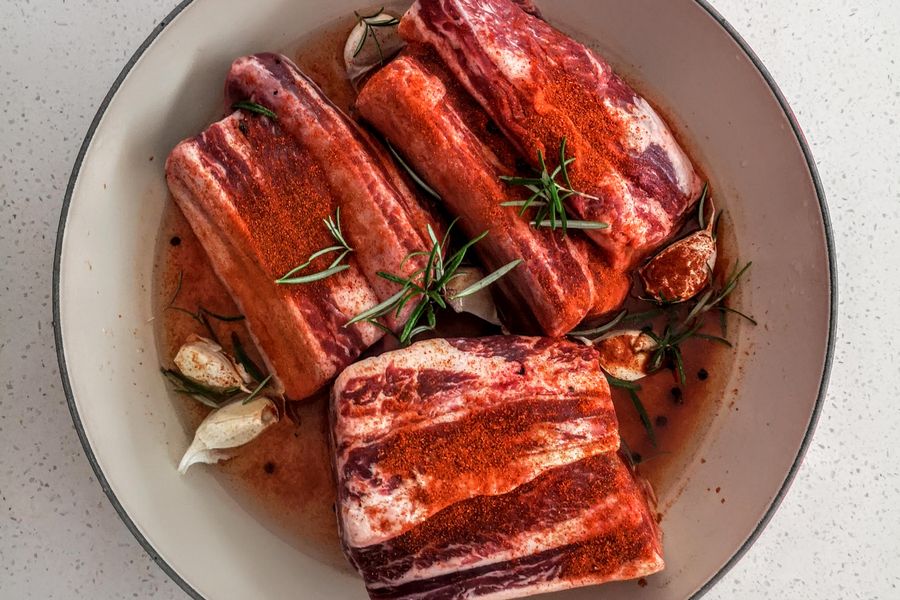
There is a correct order to the plate, and Hunan cooks treat it with the gravity of an appointment. The base is often a layer of cured fish or a scattering of dried radish, arranged so it can drink the juices that fall from above. Then come the slices: glistening cured pork belly, its fat clear as amber and its lean a deep rose; dark cured sausage, cut on the diagonal; and sometimes a slice or two of preserved duck or a knot of smoked sausage, darker and denser than the rest.
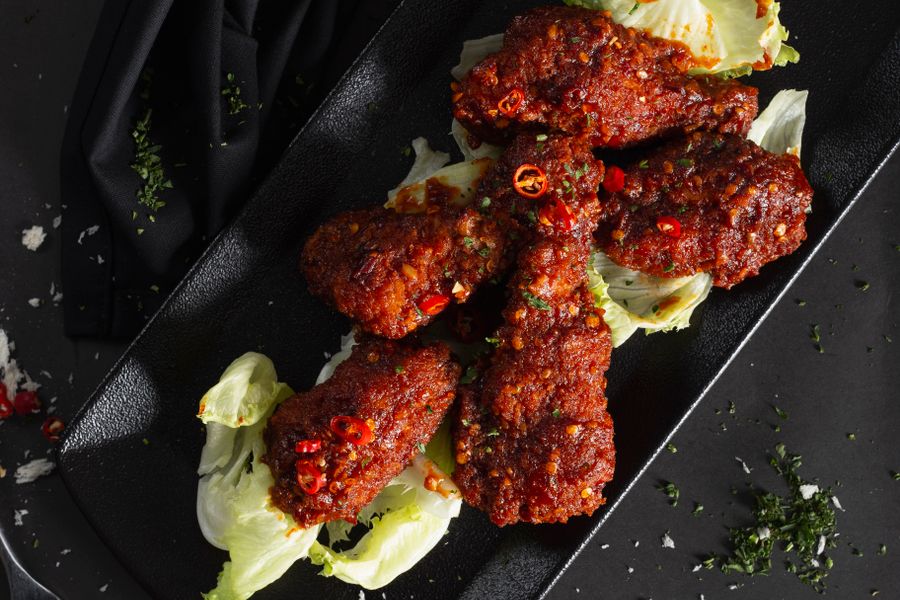
The plate is placed in the steamer, and what follows is a quiet transformation. The heat coaxes the fat to release its golden juices, which run down and flavour everything beneath. The smoke, locked in the meat for months, comes alive again — not harshly, but as a deep, rounded fragrance that fills the room before the dish even reaches the table. A few slivers of ginger and a spoonful of Shaoxing wine are the only indulgences; the meat is expected to do the talking.
Eating It Like a Farewell
The dish arrives steaming, the slices arranged in a fan, each one a small monument to a month of waiting. You take a slice of the belly first — the fat and the lean together, because taking them apart would be missing the point. The fat is not greasy; it has been steamed into something almost creamy, and the lean is firm and deeply savoury, with that unmistakable note of woodsmoke on the finish. Then the sausage, spicy and dense, a small bell of flavour in the mouth. Each slice is best set on a bed of white rice, so the rice can soak up the amber juices pooling at the bottom of the dish.
It is a dish of memory, and you eat it that way. Families serve it at the turn of the year, when the last of the winter’s cured meat is brought out and the first green shoots of spring are already arriving. To eat it is to eat the whole season — the cold mornings, the woodsmoke, the quiet patience of a province that knows how to wait.
A Philosophy of the Harvested Heart
flowcloud would tell you that steamed cured meats are what time tastes like when it has been used well. Nothing in the dish is new. The meat was cured months ago; the smoke was gathered from a fire lit in a colder season; the dish is only the final gentle act of a long story. It stands in the same place as the city’s older buildings — not a performance, but a record. It asks you to slow down, to notice the flavour that lives in the layers, to understand that the best things are never rushed and never forgotten.
If you come to Changsha in the winter, eat this dish at a table full of people, when the windows are fogged and the steam of the plate meets the steam of your breath. It is the taste of home for half the province, and for one evening it will be the taste of home for you too.
Where to find it: 火宫殿 in winter, the family-run halls off 坡子街, and the older restaurants near 南门口. Order it slowly, the way it was made — and let the rice keep up.