
Sweet-Sour River Crab: Suansha Zixie
紫蟹一碟酸沙味,胜却人间百味鲜 Zǐxiè yī dié suānshā wèi, shèng què rénjiān bǎi wèi xiān – One plate of purple crab in sweet-sour sauce outdoes a hundred fresh flavors of the world
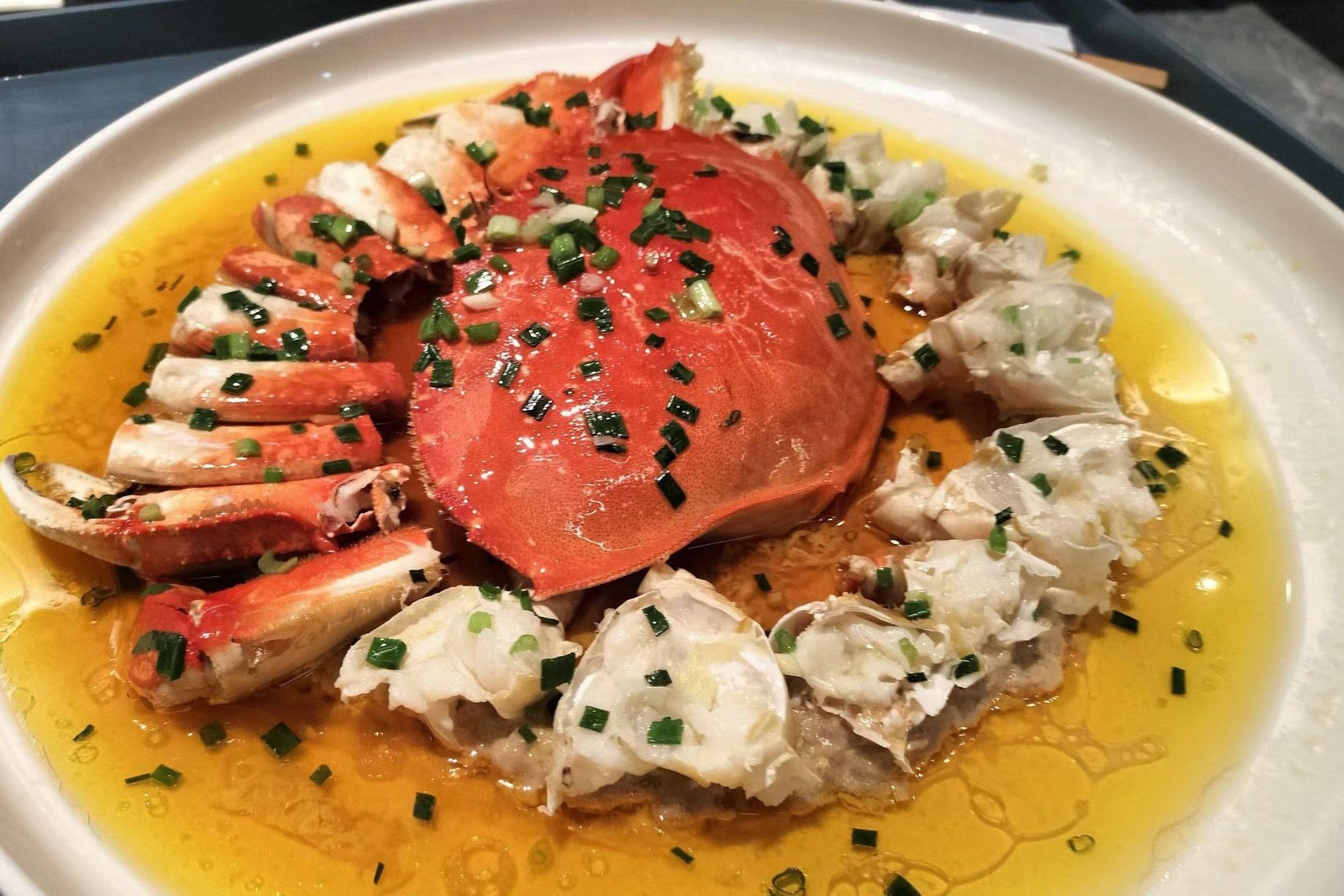
酸沙紫蟹 suānshā zǐxiè Suansha zixie is old Tianjin’s winter luxury from 天津市西青区 Tiānjīn Shì Xīqīng Qū Xiqing District’s water country – river crab, the violet-shelled 紫蟹 zǐxiè that the region’s marshes and rice fields once produced in quantity, dressed in the classic 酸沙 suānshā sweet-sour sauce of vinegar, sugar and ginger. The dish belongs to the grand-banquet canon of Tianjin cooking, a plate that announces a serious table: crab is already honor, and the sweet-sour glaze is the city’s signature way of honoring it.
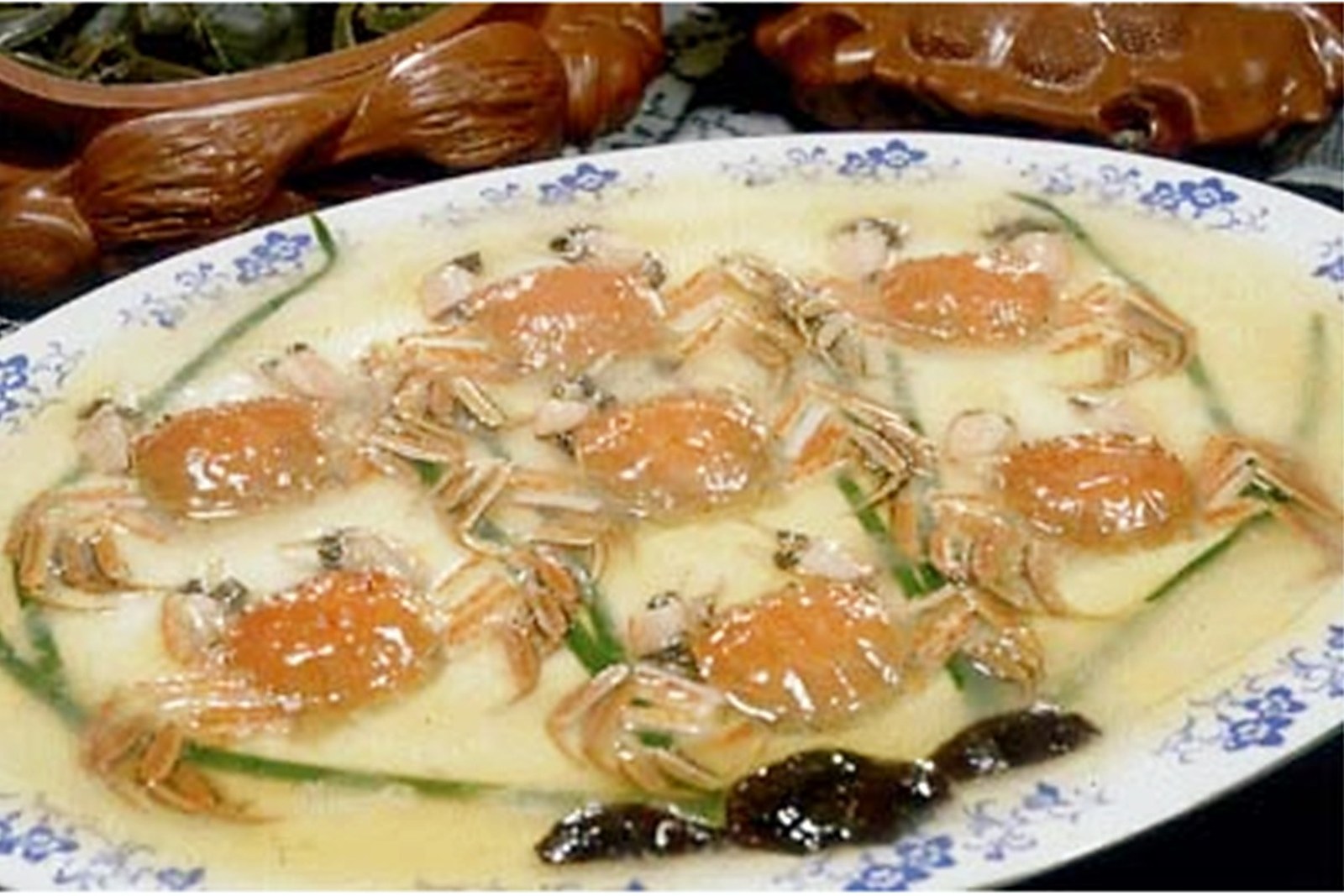
The crab itself sets the season. The true zixie is small but dense – a winter river crab whose shell runs dark violet and whose roe fills with the cold, best when the water turns coldest and the females carry full coral. Families and restaurants steam or braise the crab first, so the meat sets firm; then the sauce work begins, and the plate must be eaten warm while the glaze still runs.
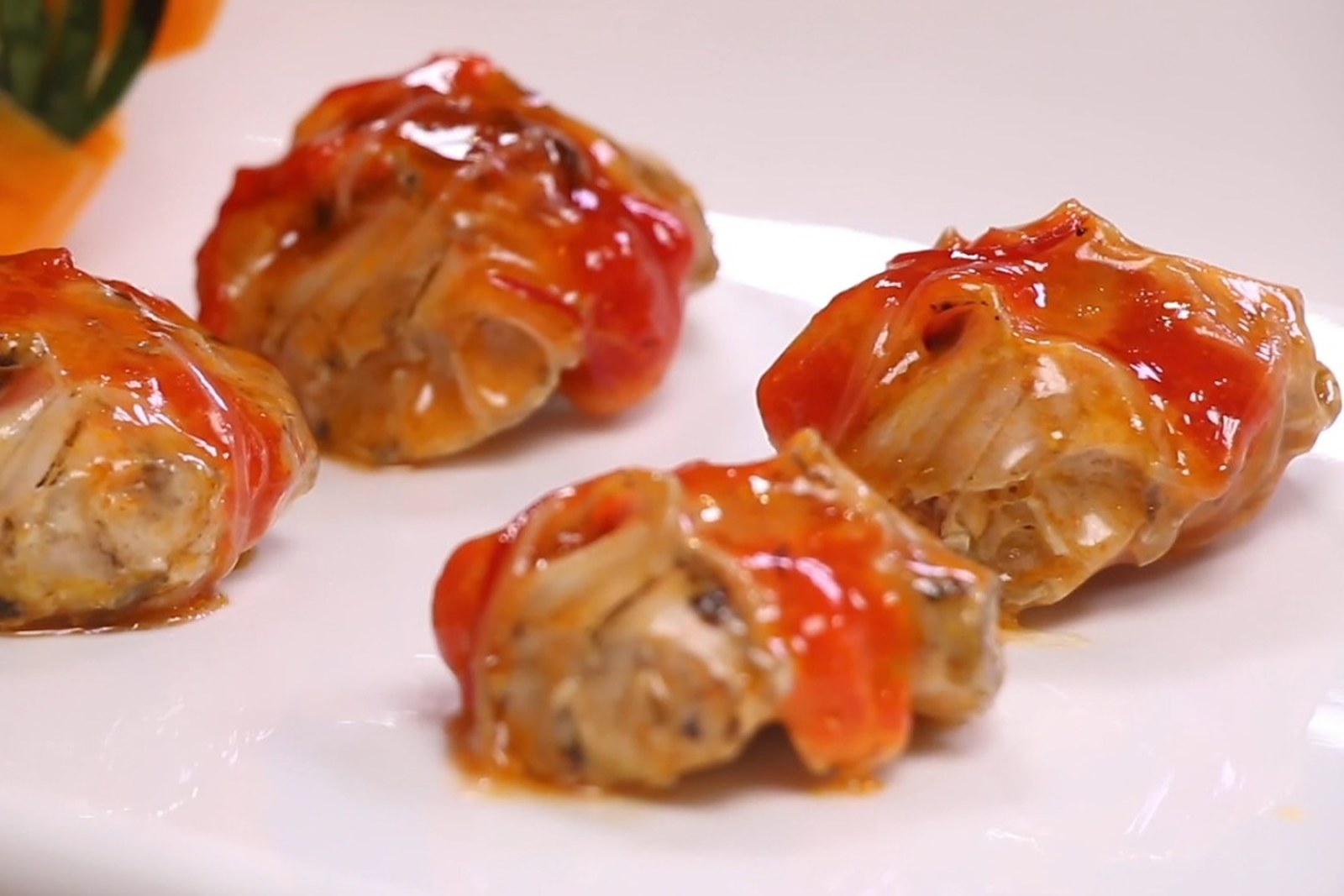
The 酸沙 sauce is the dish’s signature. Good vinegar carries the sour, sugar rounds it, ginger warms it, and a starch glaze thickens it to a lacquer that clings to shell and claw – the classic 酸沙 profile Tianjin applies to crab and prawn alike. The taste runs sweet-sour with a peppery ginger edge, the counterpoint that keeps river crab’s richness from sitting heavy, and old menus list it among the dishes a banquet kitchen is judged by.
The dish carries a whole water-world with it. The crab came from the same reedy paddies that grew the district’s famous rice – crab and grain off one field, the old ecology of the area – and while wild zixie are rare now, farm-raised river crab keeps the plate alive in season. Order it at a banquet table and you are tasting the region’s old field-and-canal economy, glazed sweet-sour and served with pride.
The same district holds more flavors worth chasing: 沙窝萝卜 Shāwō luóbo the fruit-crisp green radish, 罗汉肚 luóhàn dù the layered tripe roll, 糖醋面筋丝 tángcù miànjīnsī the sweet-sour gluten shreds, or 素盒子 sù hézi the vegetarian pan boxes – four more doors into the same Xiqing District table.
Words and Names
紫蟹 zǐxiè the violet river crab of winter; 酸沙 suānshā the sweet-sour ginger glaze that names the dish; 蟹黄 xièhuáng the crab roe that fills with the cold; 挂汁 guàzhī the lacquer glaze that clings to shell; 河蟹 héxiè the river crab the dish is built on.
What the Locals Know
Crab season runs with the deepest cold – roe-heavy females are the prize, and good kitchens steam before they sauce so the meat stays in one piece. Eat it warm, hands over chopsticks for the claws, and let the ginger in the sauce do its work; the dish is a winter order, and the first crab plates of the season are a small event on any table. All checked November 2026.
flowcloud would say suansha zixie is the district’s winter diploma dish: one plate that proves the field, the water and the sauce all graduated with honors.
Where to find it: Banquet kitchens and Tianjin-cuisine restaurants in and around 天津市西青区 Tiānjīn Shì Xīqīng Qū Xiqing District serve 酸沙紫蟹 suānshā zǐxiè in crab season – order ahead, as the plate is made to share and the sauce waits for no one. All checked November 2026.