
The Garlic Crisp of Bean-Batter Country: Suanxiang Lezha
绿豆磨浆炸金黄,蒜香一炸传乡野 Lǜdòu mó jiāng zhà jīnhuáng, suànxiāng yī zhà chuán xiāngyě – Mung beans milled to batter and fried golden; one garlic-scented crisp carries the countryside’s flavor
蒜香饹炸 suànxiāng lèzha fries mung-bean batter into the garlic-perfumed crisp that rides the old farmhouse road from Hebei into 天津市宝坻区 Tiānjīn Shì Bǎodǐ Qū Baodi District – thin batter poured into the pan, fried into golden cakes, cut into wedges and served so the garlic notes land before the crunch does. It is the county banquet menu’s token country dish: humble materials, precise frying, and a texture – crisp shell, custard middle – that fancy kitchens spend fortunes trying to fake.
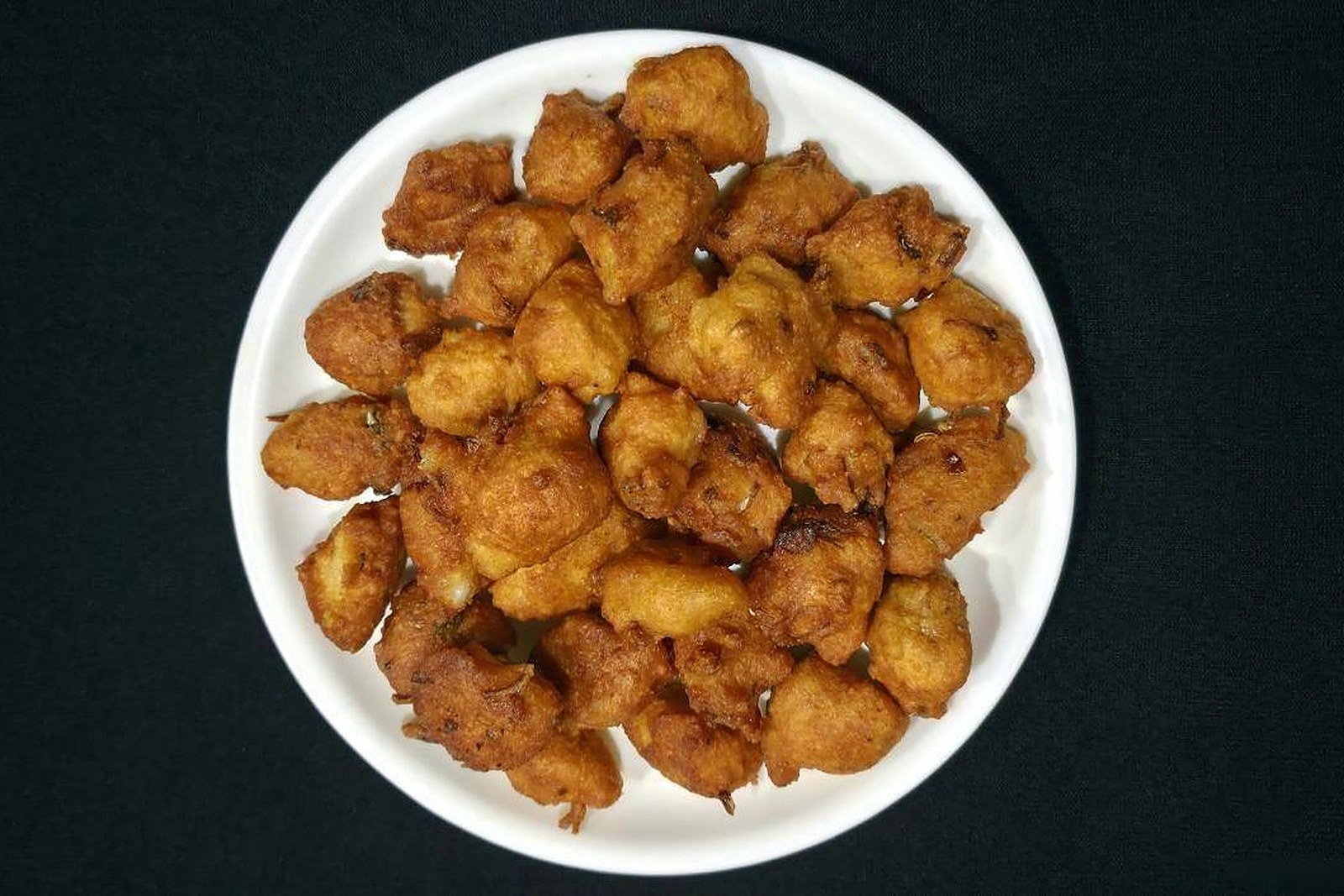
The batter is the recipe’s soul. Mung beans soak overnight, mill fine, and rest with a little flour and garlic juice worked through; the batter pours like thick cream and sets into a cake about half a centimeter thick. Old cooks judge the batch by the edge – a clean lift from the pan, no ragged tear – and the color, which must reach deep gold without a single dark patch.
The fry is where houses differ. The classic serves it slab-cut and shallow-fried, edges blistered, interior still soft as set custard; the banquet version goes thinner and crisper, closer to a chip; and the stewed variant simmers the slabs into casserole, where they drink broth like bread. Garlic runs through every register – in the batter, the dip, or both – but the best kitchens keep it a perfume, not a shout.
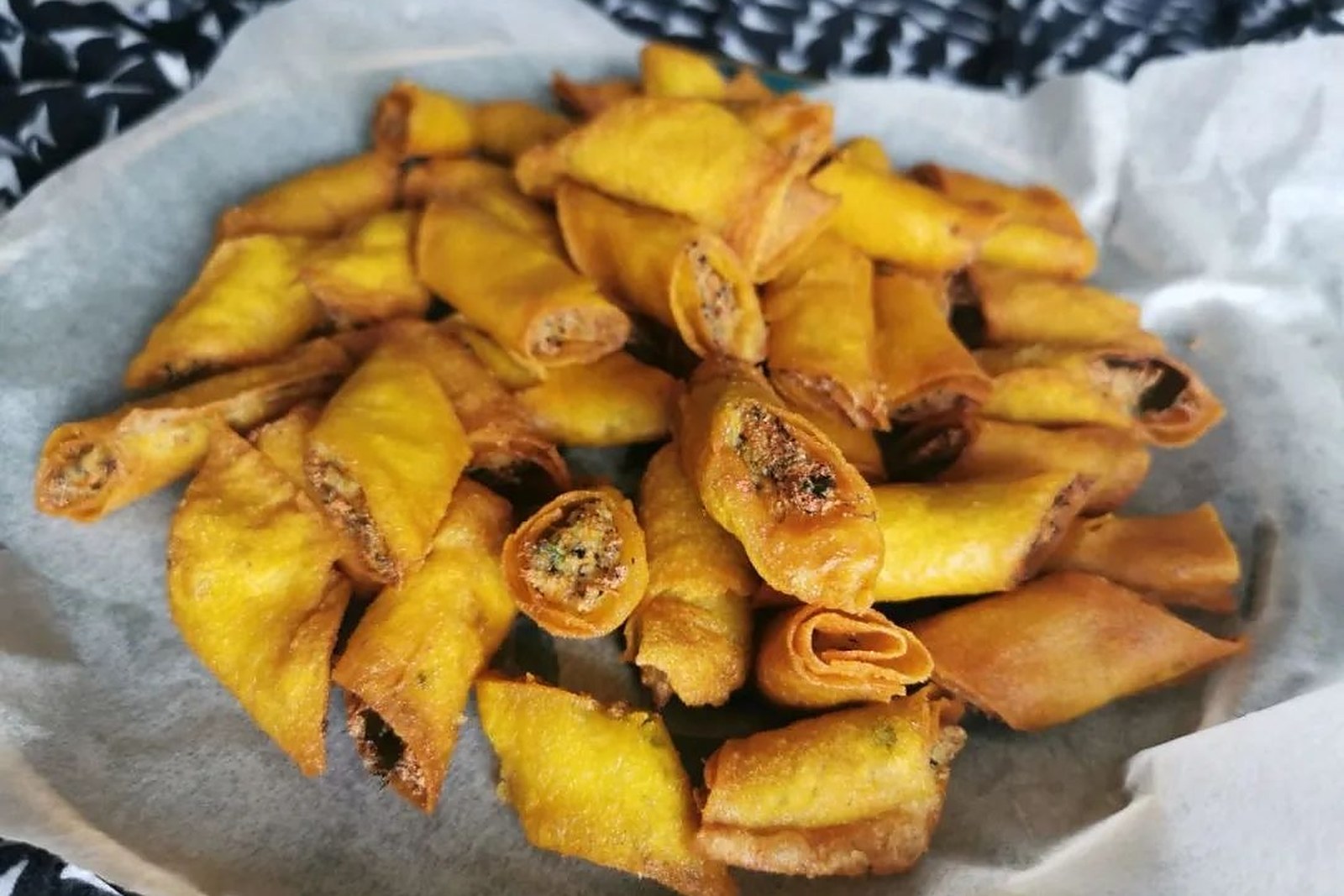
The table context is farmhouse generosity. Wedges arrive piled with scallion-soy dip for the crisp version, or swimming in the stew with cabbage and glass noodles for the winter one; either way the dish anchors a table the way fried chicken anchors a Southern one. Banquets keep it as the nostalgic course – the one that makes the elders nod before anything fancy arrives.
The same district holds more flavors worth chasing: 卷馅肉饼 juǎnxiàn ròubǐng the layered meat pancake, 嘎鱼辣酱 gāyú làjiàng the yellow-catfish chili stew, 烙饼卷带鱼 làobǐng juǎn dàiyú the bread-wrapped braised hairtail, or 红烧大鱼头 hóngshāo dà yútóu the braised carp-head centerpiece – four more doors into the same Baodi District table.
Words and Names
饹炸 lèzha the fried mung-bean cake, the name said soft; 饹馇 gēzha the Hebei spelling of the same dish; 绿豆 lǜdòu the mung bean that sets the batter; 蒜香 suànxiāng the garlic perfume; 饹炸盒 lèzha hé the stuffed, sealed-and-fried variant for festivals.
What the Locals Know
The batter’s rest time decides the texture – rushed batter fries bready, rested batter fries custardy. Locals buy from the stalls that fry in small batches through the morning, not the ones holding slabs warm. And the dip is optional: a good slab needs nothing but the garlic already inside it. All checked November 2026.
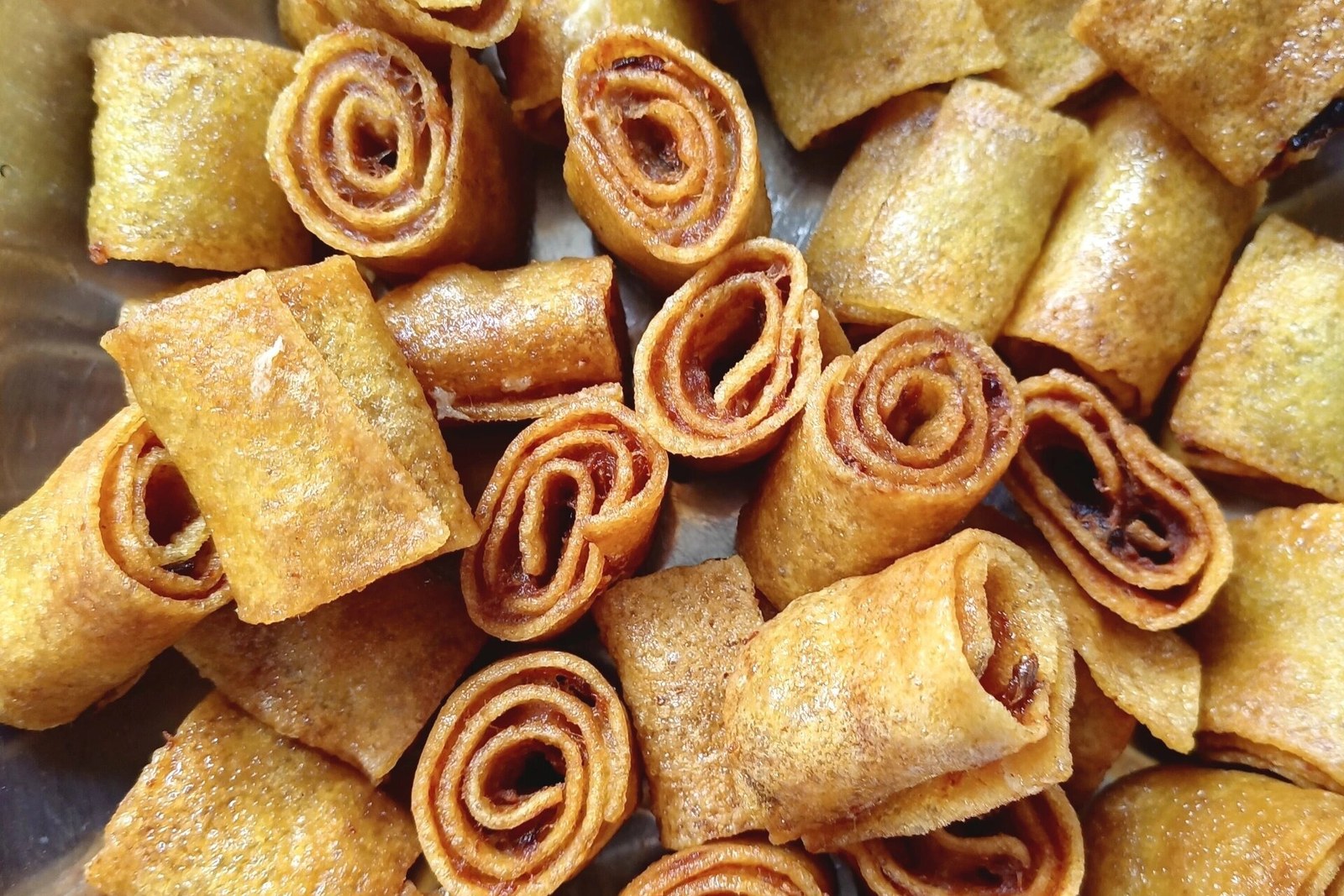
flowcloud would say suanxiang lezha is farmhouse cooking at its sharpest: three humble ingredients and one gold-standard fry, proving the countryside owns the technique books after all.
Where to find it: The banquet kitchens keep the reference slab on the cold-course list, the farmhouse restaurants around the paddy villages serve the stewed winter version, and the market’s bean-cake stalls sell the raw trays with frying instructions included. All checked November 2026.