
Sugar-Oil Rice Cakes
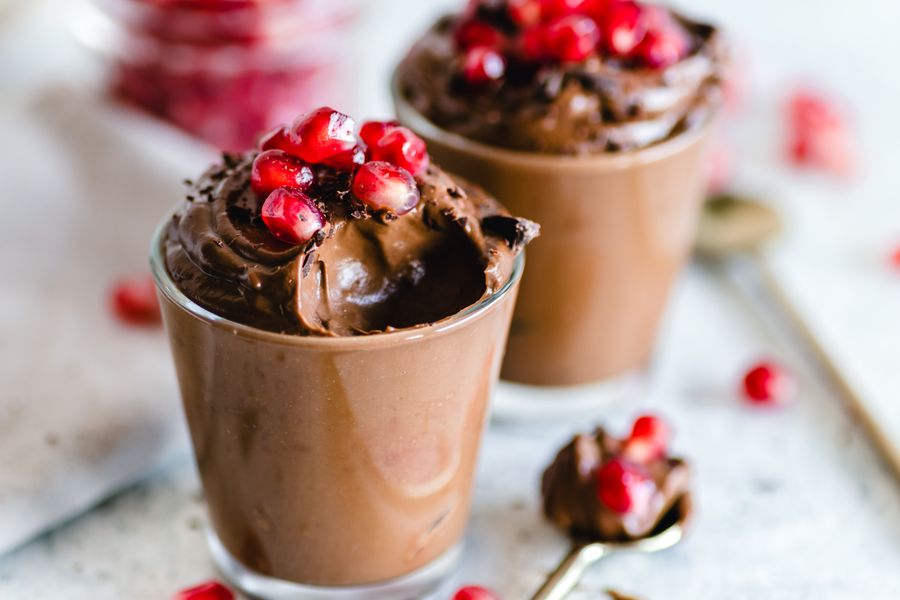
Some tastes belong to childhood, and childhood belongs to no one in particular. 糖油粑粑 — tang you ba ba, sugar-oil rice cakes — are like that. They are small, golden, absurdly round, and sweet in a way that reminds you of something you cannot quite name: an afternoon, a grandmother’s kitchen, the warm gap between a school bell and dinner. In Changsha you find them at street corners, turning in pools of amber oil, patient as monks.
A Sweetshop Theology
Nobody argues about the origin of tang you ba ba the way they argue about stinky tofu. There is no palace legend, no Ming-dynasty duel of cooks. The story is simpler and older: glutinous rice, ground fine, is boiled, steamed, or pan-fried, then glazed in a syrup of sugar and oil until the outside turns to caramel and the inside stays soft and breathing. It is street food in its oldest sense — humble materials, patient fire, and nothing else.
Some say the little cakes first found their feet in the Qing dynasty, when sugar was a luxury a poor household could afford only in the smallest amber coins. A pinch of sweetness, stretched as far as it would go, became a festival treat sold on festival streets. Today it is the dessert of Changsha, sold at all hours and eaten at all of them.
The Slow Alchemy of Glutinous Rice
The making of it looks easy, which is the whole trick. Ground glutinous rice flour is mixed with warm water and kneaded into a dough so soft it seems to have no ambition at all. The dough is divided into small, round, slightly flattened pucks — ba ba — each one no bigger than a coin and twice as gentle.
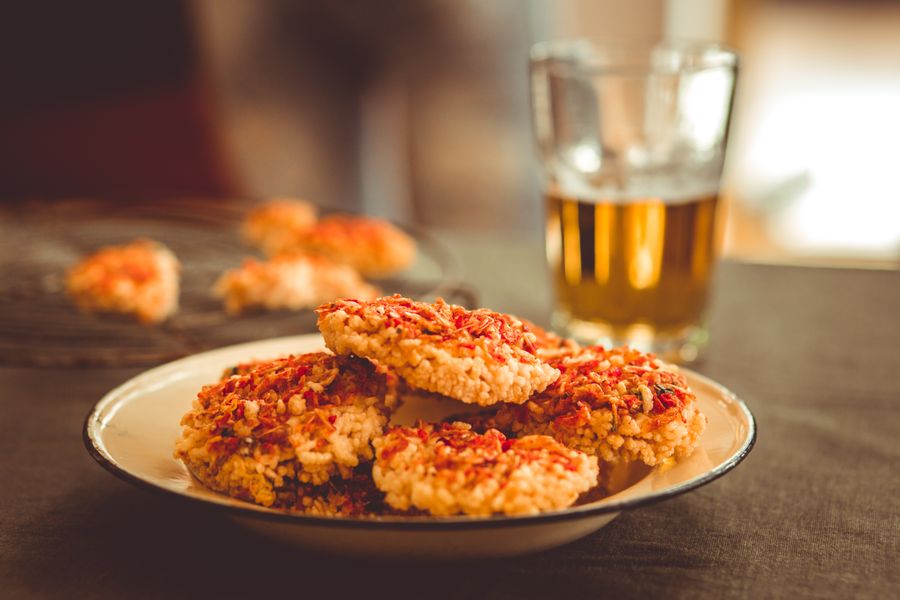
Then the oil. Not deep, not boiling — warm and amber, the temperature of an unhurried afternoon. The cakes slide in and the cook turns them slowly, back and forth, until they swell and colour. Sugar is added, and the oil turns to a thick caramel lacquer that clings to every surface. A good ba ba is impossible to rush. It bobs in the syrup for a long, meditative while, and when it finally comes out it is lacquered, fragrant, and so tender that the chopsticks barely dare to lift it.
Eating It the Changsha Way
The first bite is pure apology. The caramelised shell cracks with the gentlest pressure, and inside is the softest thing in the world — warm, glutinous, vaguely sweet, with a texture somewhere between chewing and being held. You eat it hot, but not burning. You let it rest on your tongue a moment, because there is a flavour in it that behaves like a memory: the mild, grassy sweetness of rice that has never been asked to be anything but itself.
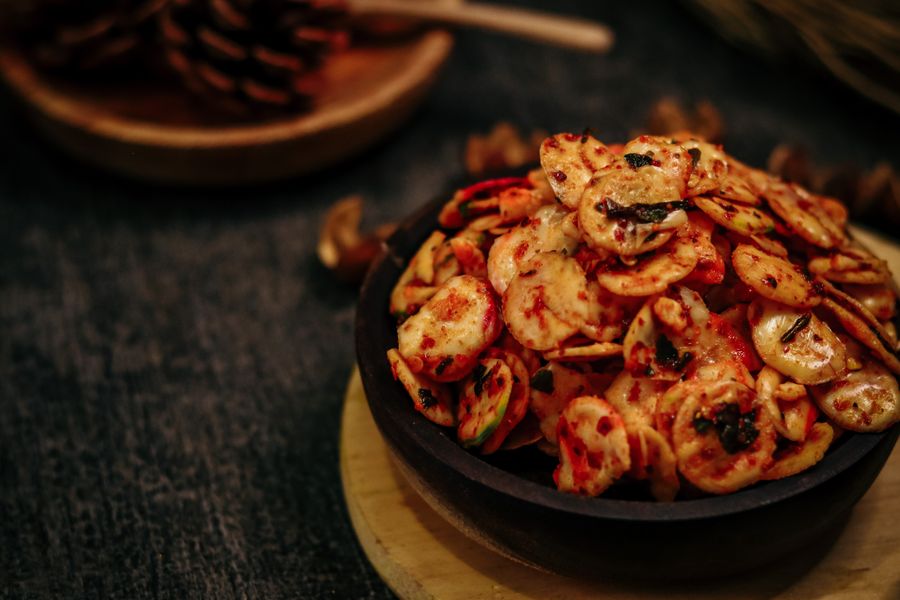
Locals say the best ones are eaten alone, in the evening, when the streetlights are just coming on and the oil in the pan catches the amber of the sky. It is a modest ritual, and a strangely moving one — the same plate of sweetness, made the same way, for hundreds of years of dusk.
Where Changsha Eats It
The cakes are everywhere, but they are best where the syrup is oldest. Wander 坡子街 (Pozijie) in the late afternoon and follow the caramel smell to its source — a stall, a window, a cart. 火宫殿 (Huogongdian) serves a fine, proper version beside its famous tofu, but the truest one is the single stall on 南门口 (Nanmenkou) whose cook has never once, in thirty years, let a cake burn.
A Small Philosophy of the Sweet and the Round
There is a loneliness in travelling that is eased by round things. A round cake has no beginning and no end; it makes no demands, asks no questions, and turns up at the exact moment a cold evening asks for it. Tang you ba ba is the city’s way of saying: here, take this small sweetness, and stay a little longer. In a province famous for fire and fierceness, it is the gentle note — proof that Changsha, for all its chili heat, keeps a warm, round softness hidden in its pocket.
Where to find it: 坡子街 (Pozijie) at dusk, 火宫殿 (Huogongdian), and the little syrup-darkened stall on 南门口 (Nanmenkou) that has never burned a cake in thirty years.