
A Basin of Blossoms: Why Tacheng’s Honey Tastes of Rapeseed and Mountain Flowers
百花酿得盆地甜,一匙春色润客心 Bǎihuā niàng dé péndì tián, yī chí chūnsè rùn kè xīn – A hundred flowers brew the basin sweet; one spoonful of spring colour softens the traveller’s heart.
塔城蜂蜜 Tǎchéng fēngmì Tacheng honey is the basin economy in a jar: the flat sea of the Kurustai grassland and the flowering foothills of the Barluk put months of continuous bloom inside one bee’s flight radius, and the apiaries that sit between them bottle the sequence (worth confirming the details for the harvest calendar, since rapeseed honey comes off first in early summer, the mixed mountain-flower honeys later, and each batch carries the flowers that fed it). The beekeepers are a mixed lot – settled Han and Hui families, Kazakh herders with hives by the winter houses – and the roadside stands of July are the honest front door of the trade.
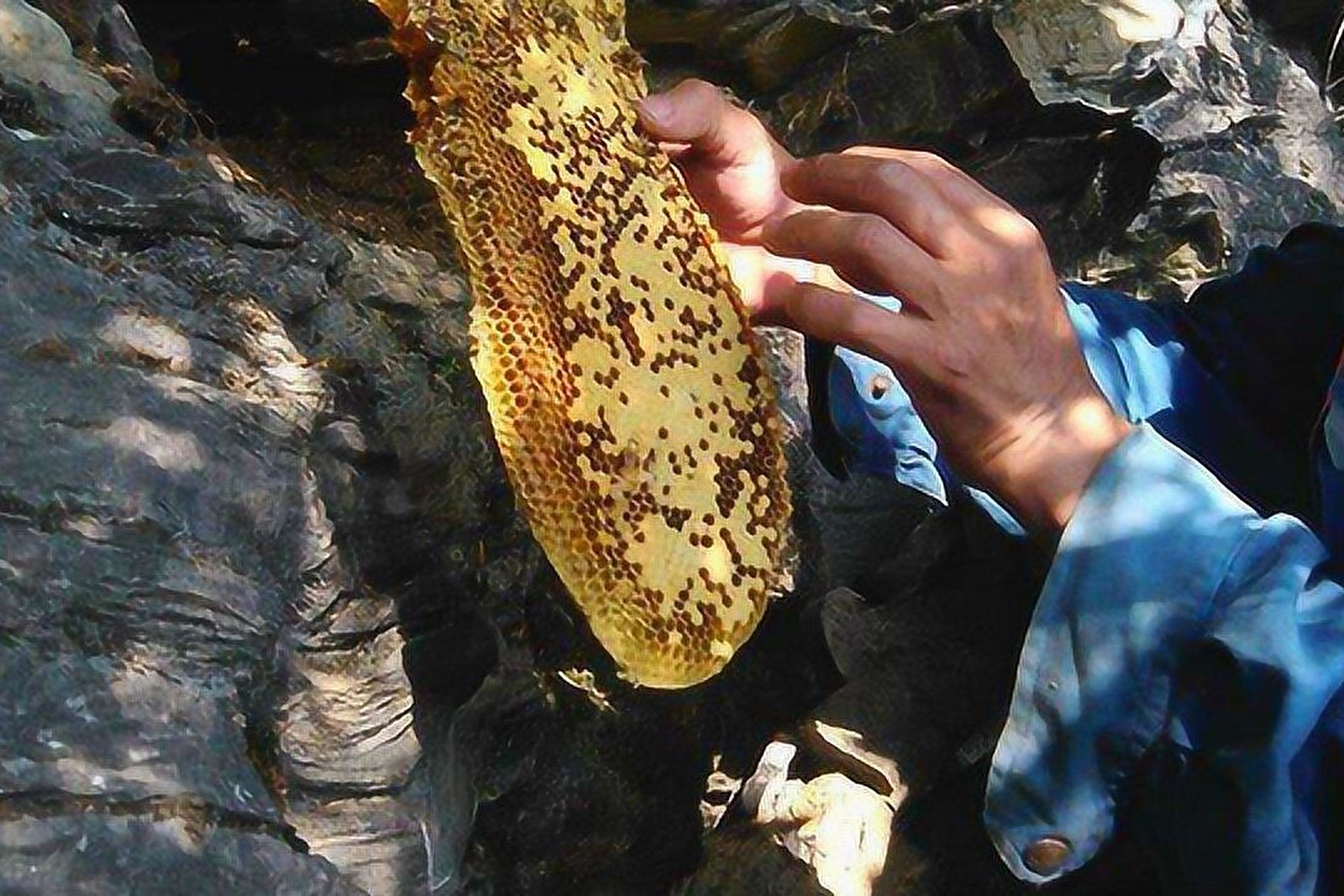
The eating habit here is direct: fresh honey spooned onto hot naan or stirred into milk tea, not hidden in recipes. Locals judge a jar by its behaviour – rapeseed honey goes milky and sets hard within weeks, mountain-flower honey stays liquid longer, and neither is a defect (worth confirming the details for crystallisation, since visitors often mistake set honey for sugar-cut honey when it is the opposite – the granulation of pure rapeseed honey is famous). The stock answer in kind: buy from the roadside stand where you can watch the jars filled, not from the gift shelf where labels do the talking.
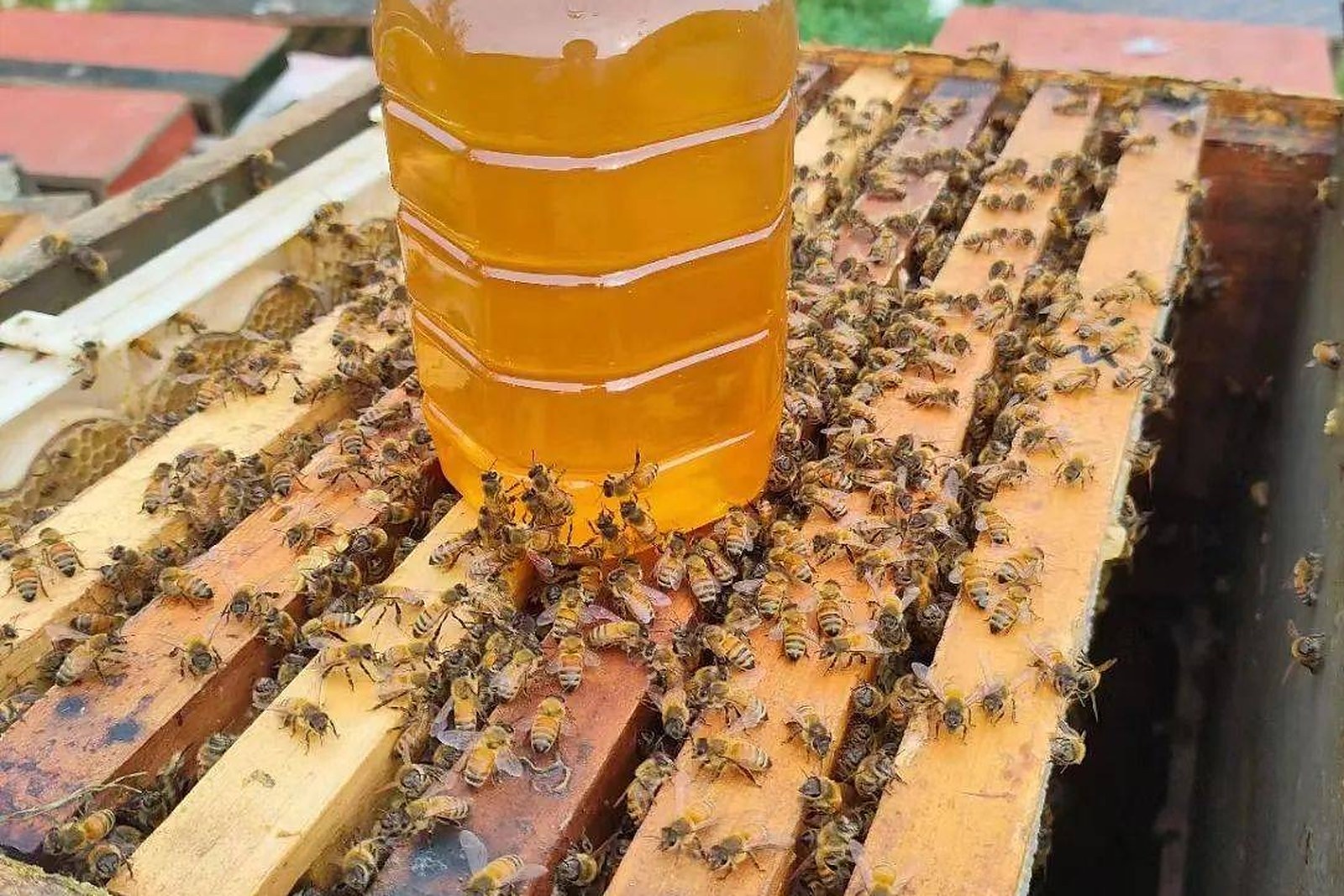
Call it honestly: the honey trade has its souvenir wing – printed labels, gift boxes, and prices that double at the festival stands (worth confirming the details for the roadside season, which runs strongest from June through August when the supers fill and beekeepers sell at the road head). What the basin gives you is variety with geography behind it: one flight, one flower season, one jar.
Nearly every other plate on this Tacheng list trades a different mood on the same table: 沙湾大盘鸡 Shāwān dàpánjī big plate chicken for the highway tables, 巴什拜羊肉 Bāshíbài yángròu Bashbay lamb for the herder’s pot, 巴哈利 Bāhālì Bahali cake for the tea table, or 乌苏啤酒 Wūsū píjiǔ Wusu beer for the evening toast – four more doors into the same 塔城地区 Tǎchéng Dìqū Tacheng Prefecture. Once the plates are planned, our Tacheng travel map fills the day.
Words and Names
What the Locals Know
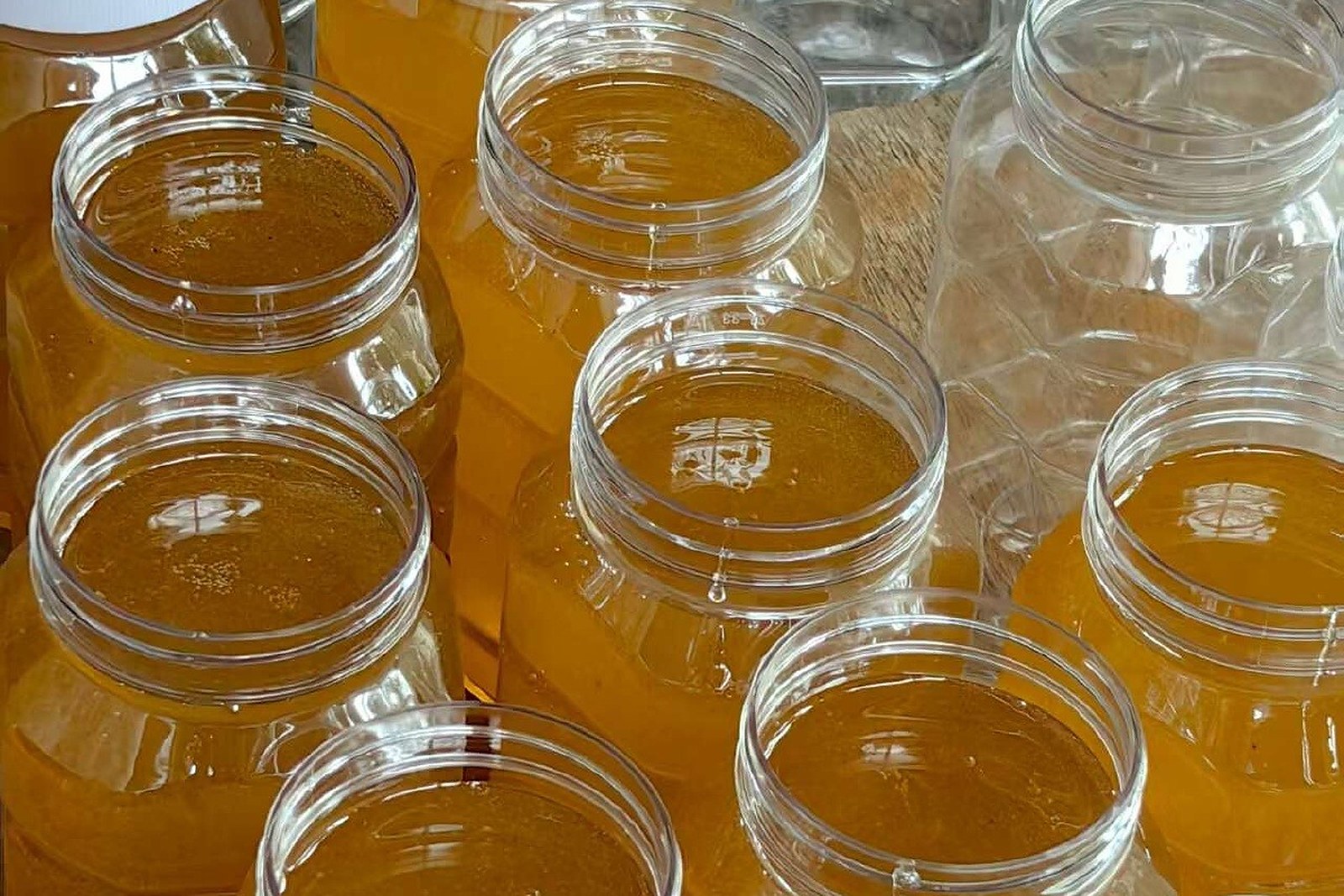
flowcloud would say Tacheng honey is the basin’s autobiography: rapeseed writes the early chapters, mountain flowers the late ones, and the bees do all the handwriting. All checked November 2026.
Where to find it: Stop at the honey stands on the basin’s farm roads between June and August, where the hives sit behind the table and the keeper can tell you which slope and which week filled the jar – set rapeseed honey is not spoiled, it is proof. All checked November 2026.