
Sweet-Sour Gluten Shreds: Tangcu Mianjinsi
金丝一炸脆盈盈,糖醋香中玉齿鸣 Jīnsī yī zhá cuì yíngyíng, tángcù xiāng zhōng yùchǐ míng – Golden shreds fried to a crisp shine; in the sweet-sour perfume the teeth ring like jade
糖醋面筋丝 tángcù miànjīnsī Tangcu mianjinsi is Tianjin vegetarian cooking’s crisp little marvel, a standing order on the tables of 天津市西青区 Tiānjīn Shì Xīqīng Qū Xiqing District as across the city – wheat-gluten shredded fine, fried to a golden crunch, then lacquered in the sweet-sour glaze that Tianjin applies to its favorites. It reads like a snack and behaves like a proper dish: the shreds keep their snap under the sauce, so every bite rings, and the plate empties faster than any meat course on the table.
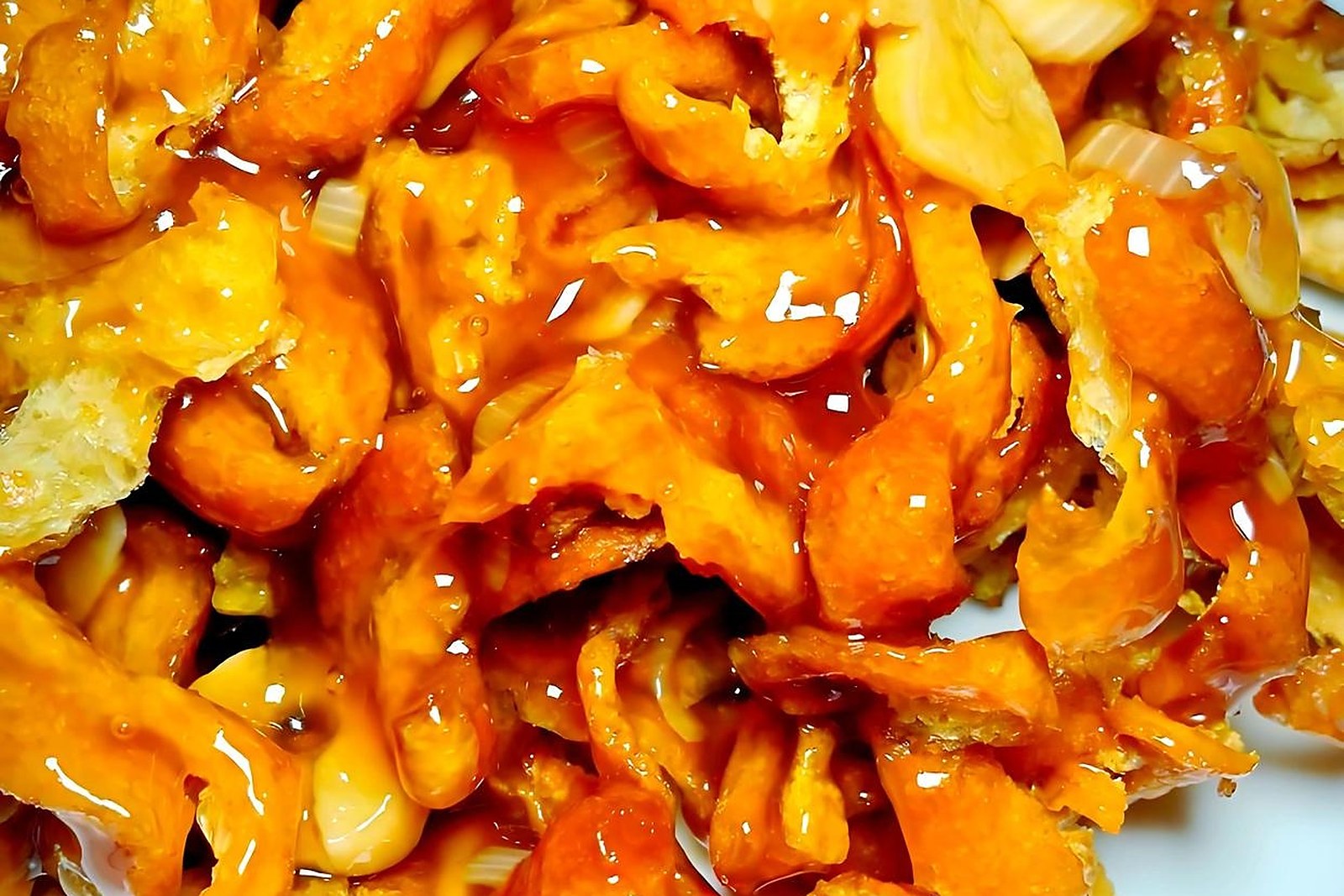
The craft is in two temperatures. The gluten shreds – pressed wheat dough torn or cut into fine strands – go into hot oil loose, so each strand fries separate and crisp rather than clumping; they come out amber and light as brittle. The wok then builds the glaze: sugar and vinegar reduced to a syrup that coats without soaking, sometimes sharpened with a thread of ginger or a scatter of garlic, and the shreds tumble through it for seconds only.
Texture is the whole argument. Done right, the dish shatters first, then chews – the syrup shell giving way to a toasted, almost nutty strand; done lazily, the glaze softens the shreds into sweetness with no backbone, which is why good houses fry to order and serve the plate at once. Families order it as the vegetarian counterweight on rich tables, and children claim it first, because it eats like candy that has learned a trade.
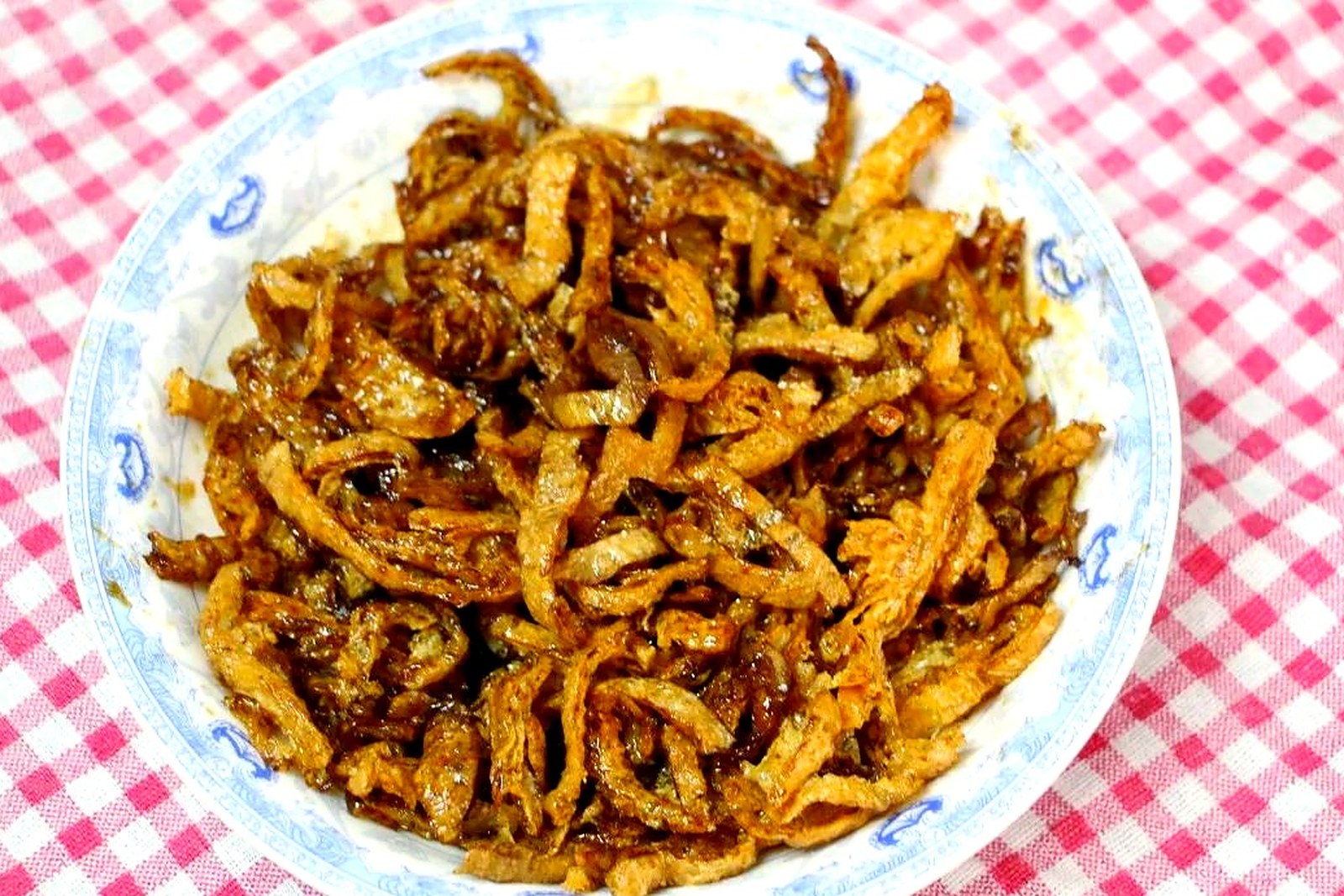
The dish also carries the gluten tradition of the region – 面筋 miànjīn the washed-dough protein that Tianjin cooks prize in braises, soups and this fry. Old menus group it with the sweet-sour canon that the city’s palate loves, and home cooks keep their own versions, arguing only about the vinegar and whether garlic belongs. On a district table it signals a kitchen that respects its vegetables: same oil, same syrup, and the courage to let a strand of dough carry the course.
The same district holds more flavors worth chasing: 沙窝萝卜 Shāwō luóbo the fruit-crisp green radish, 酸沙紫蟹 suānshā zǐxiè the sweet-sour river crab, 罗汉肚 luóhàn dù the layered tripe roll, or 素盒子 sù hézi the vegetarian pan boxes – four more doors into the same Xiqing District table.
Words and Names
面筋 miànjīn washed wheat gluten, the dish’s body; 糖醋 tángcù the sugar-vinegar glaze that names it; 挂浆 guàjiāng the syrup coat that keeps the crunch; 素菜 sùcài the vegetarian kitchen it anchors; 脆 cuì the snap every strand must keep.
What the Locals Know
Fry the shreds loose and sauce them at the last minute – the interval between wok and table decides the dish, and no leftover ever survives with honor. Tianjin vinegar houses supply the sour; the sugar is rounded, not candied. If you cook it at home, test one strand on the plate edge before saucing: it should crack audibly, or the oil was patient and the dish will weep. All checked November 2026.
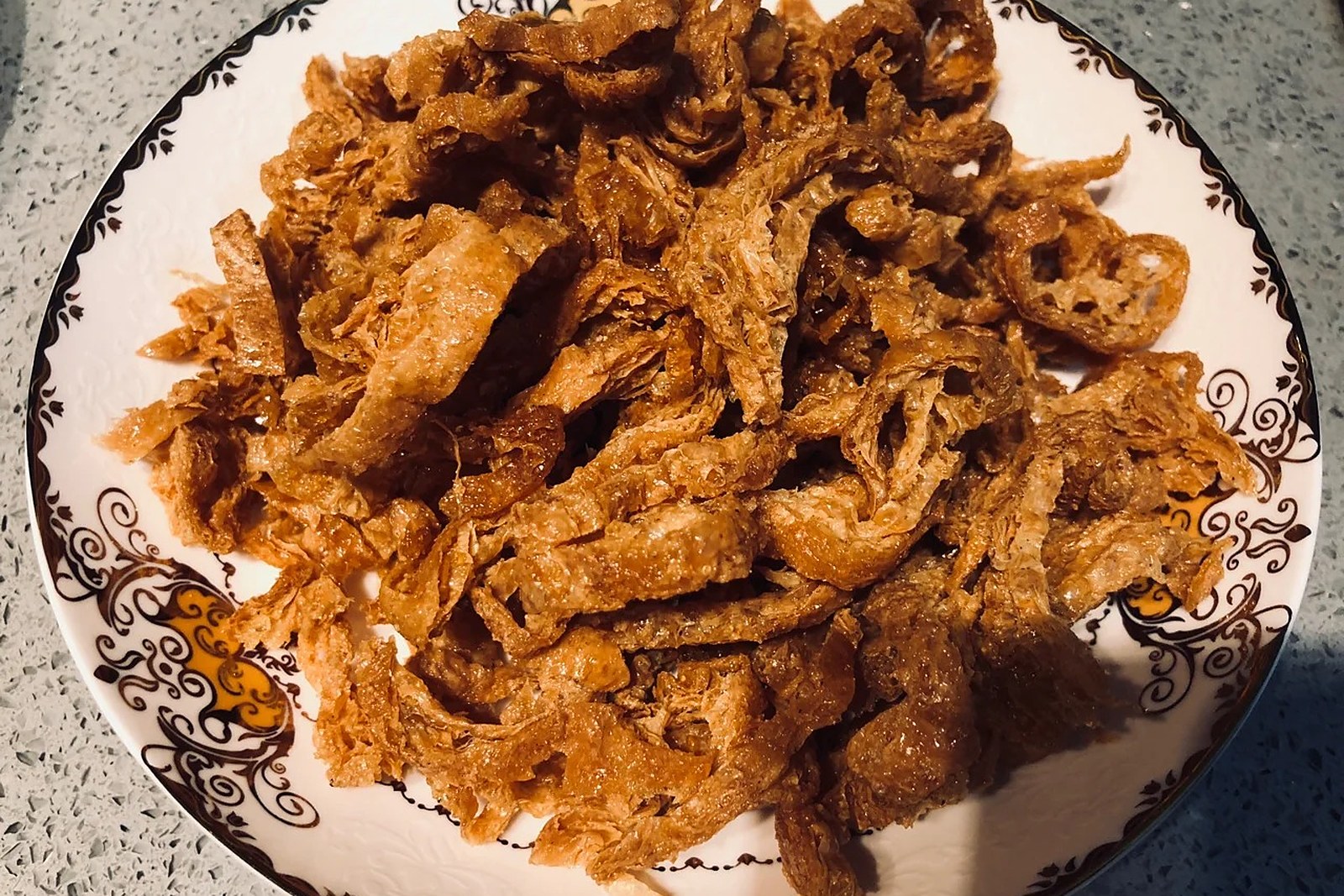
flowcloud would say tangcu mianjinsi is the district’s edible bell choir: strands of dough tuned by oil and syrup, rung once, and gone before the bell fades.
Where to find it: Home-style and vegetarian tables across 天津市西青区 Tiānjīn Shì Xīqīng Qū Xiqing District fry 糖醋面筋丝 tángcù miànjīnsī to order – it must be eaten fresh, while the glaze still cracks. All checked November 2026.