
跳磴火葱酥肉 Tiàodēng huǒcōng sūròu, Tiaodeng fire-onion crisp pork, is a district-level intangible-heritage item of 跳磴镇 Tiàodēng Zhèn, Tiaodeng Town, a craft rather than a recipe you can look up. Lean pork is marinated with 火葱 huǒcōng, the local fire onion, then coated and deep-fried to a hollow crisp, and the onion is the point: a small sharp allium grown on the Tiaodeng river flats that gives the pork its name and its bite. The craft is protected as heritage rather than published as a formula, and a maker’s name and a workshop address are not on any public record, so this page names the craft and the place, not a shop. Tiaodeng Town reached Dadukou in the 1995 expansion, which is why a river-flat onion dish is a Dadukou food at all.
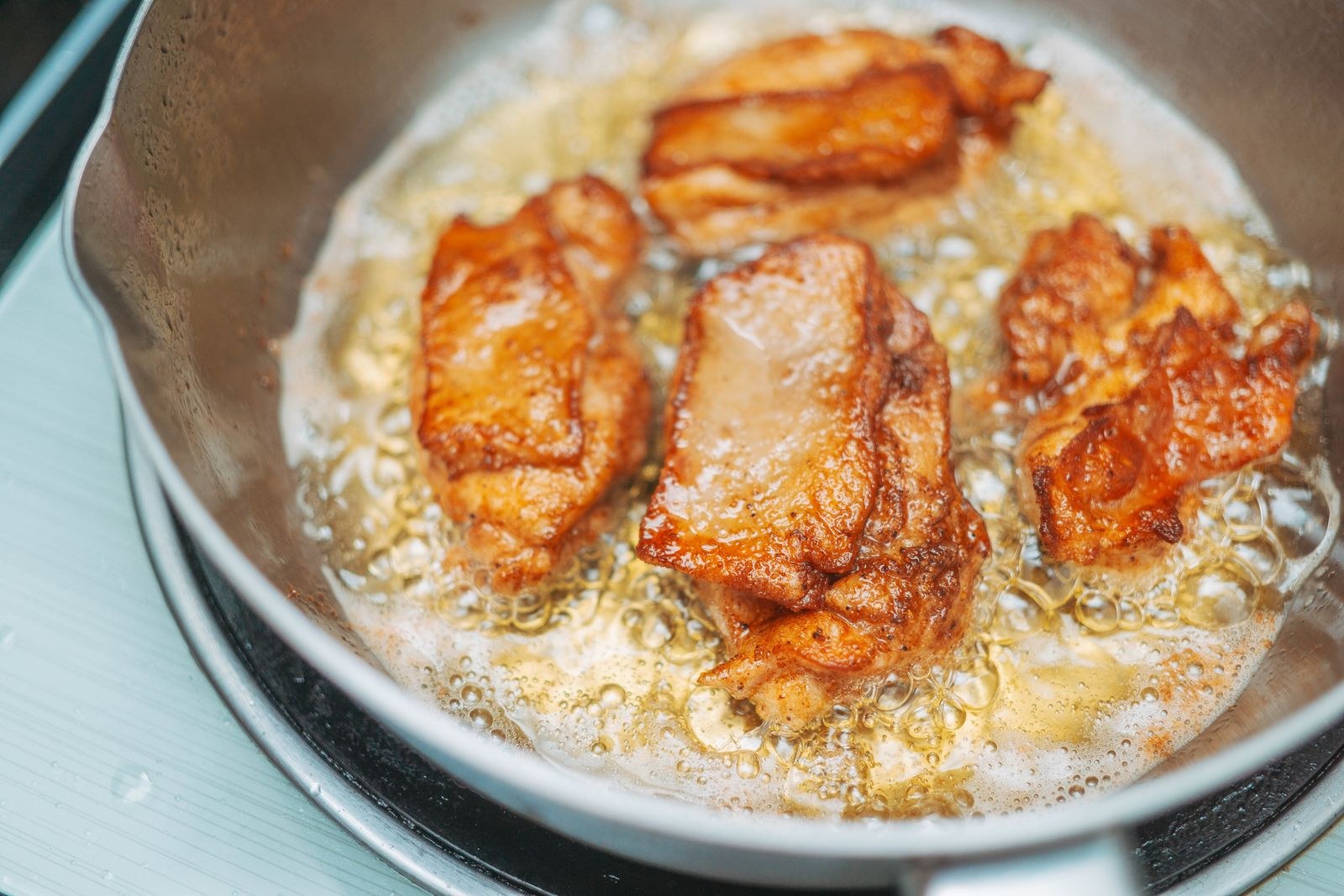
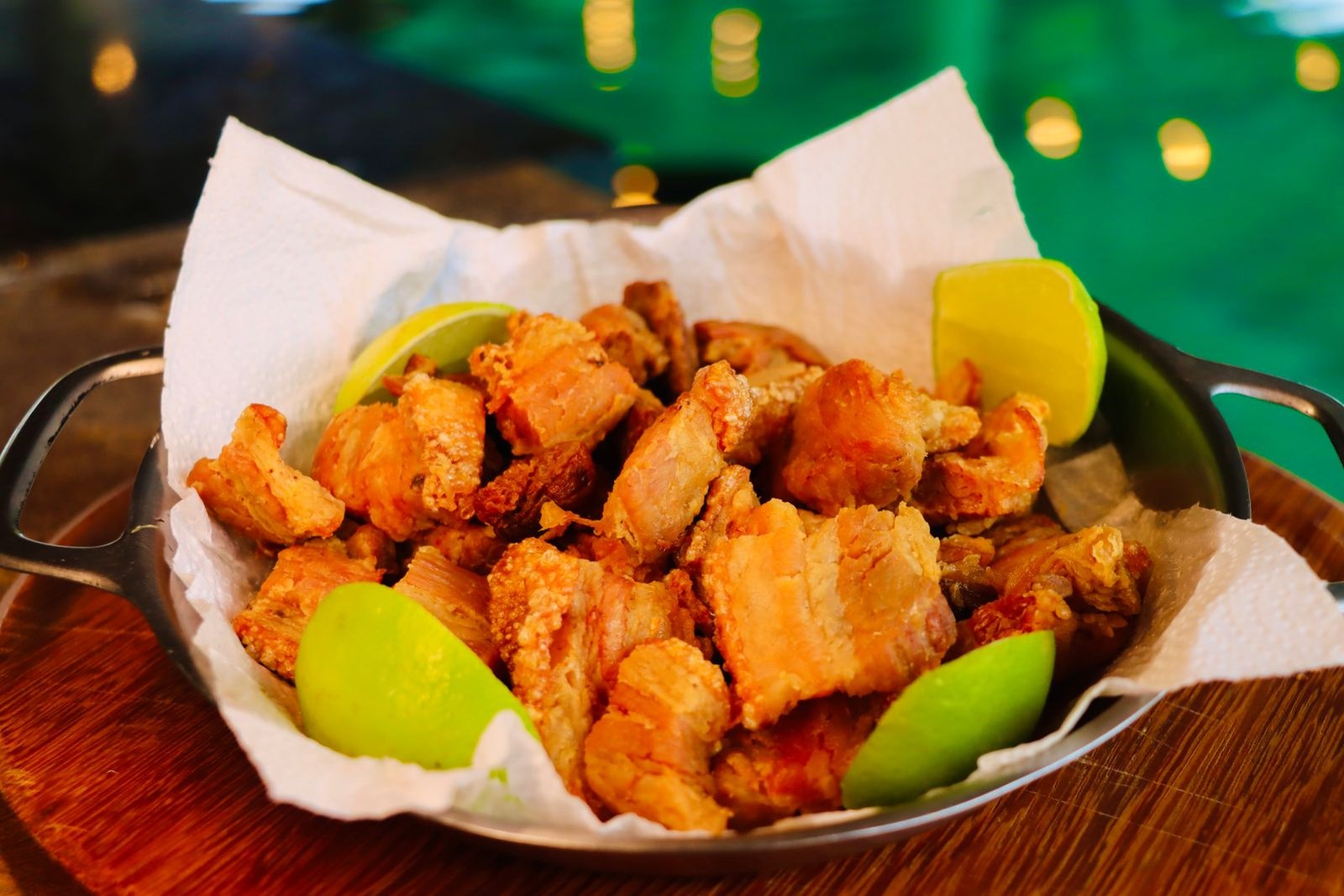
What the eater actually bites is hollow, and the hollow is the whole technique. The pork is lean, cut thin, marinated with the 火葱 fire onion – its white stem minced into the meat and its green sometimes folded into the batter – then given a starch coat and dropped into hot oil so the moisture flashes off and leaves a crisp shell around a tender centre, the 酥 sū crisp that gives the dish its name. The fire onion is what separates it from any other 酥肉 sūròu crisp pork in the region: a small allium grown on the Tiaodeng river flats, sharper and drier than a spring onion, which keeps its bite through the fry and reads as a pepper-like sting rather than a sweetness. The district lists the dish as a district-level intangible-heritage item, which is the status that lets this page call it a craft rather than a snack.
The place is the other half of the name, and it is specific. 跳磴镇 Tiaodeng Town sits on the district’s western river flats, land that came to Dadukou from 巴县 Bāxiàn Ba County in the March 1995 transfer, and the 火葱 fire onion is a Tiaodeng river-flat crop rather than a market vegetable, which is why the pork carries the town’s name as well as the onion’s. The craft being district-level heritage means it is recognised and protected without being published: no formula, no maker’s name and no workshop address appear on any public record the sources consulted, and this page does not invent them. The honest form of the sentence is that the dish is Tiaodeng’s and the heritage list’s, not a counter’s.
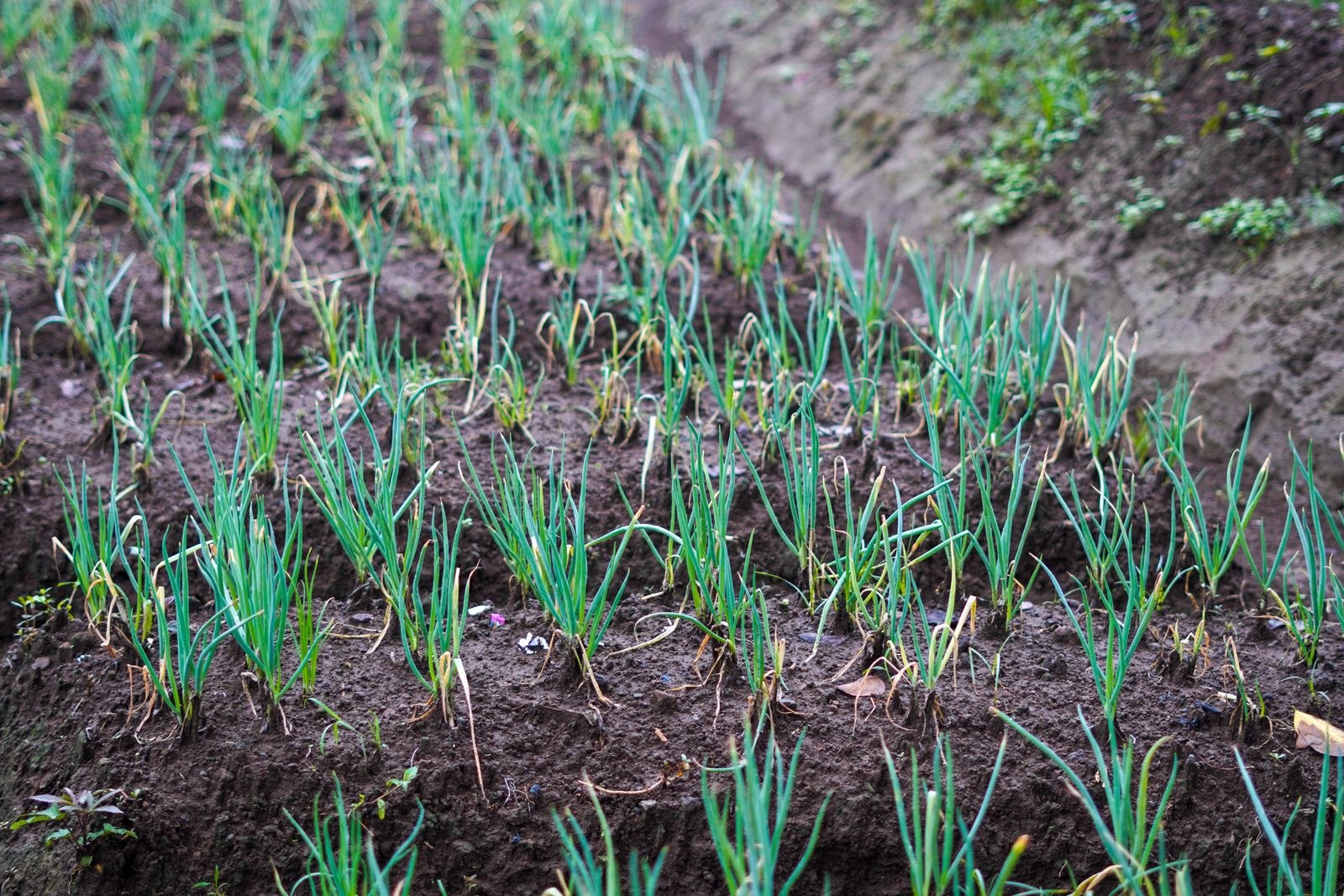
The Tiaodeng river flats are the reason the onion exists, and the onion is the reason the pork has a name. The flats are wet ground that suits the small sharp allium rather than the larger mild onion, and a maker working the craft uses the local stem because a brought-in onion would not carry the same sting through the fry, which is the kind of place-bound logic an intangible-heritage listing is built on. A neighbouring district product, 金鳌云雾茶 Jīn’áo yúnwù chá Jin’ao cloud-mist tea from the same town’s higher ground, is a real named product with no maker or price on the record, so it is named here once as a Tiaodeng neighbour rather than as a page of its own. The crisp pork, by contrast, has the heritage status that makes it writable as a craft.
What the record does not contain is a shop, and that absence is the shape of the heritage rather than a gap to fill. A district-level protected craft with no published maker is a thing you hear about in the town rather than a thing you book, so the practical answer to where to find it is Tiaodeng Town on a festival or a market day rather than a counter with an address. The honest article is therefore a craft-and-place page: the pork, the onion, the hollow crisp and the heritage listing, with the river flats as the only address worth naming.
Words and Names
跳磴火葱酥肉 Tiàodēng huǒcōng sūròu, Tiaodeng fire-onion crisp pork, a district-level intangible-heritage item of 跳磴镇 Tiàodēng Zhèn Tiaodeng Town, made from lean pork cut thin, marinated with 火葱 huǒcōng the local fire onion – a small sharp allium grown on the Tiaodeng river flats – then starch-coated and deep-fried to a hollow 酥 sū crisp around a tender centre. The fire onion gives the pork its name and its bite, sharper and drier than a spring onion and keeping its sting through the fry. Tiaodeng Town reached Dadukou from 巴县 Ba County in the March 1995 transfer, so the river-flat onion dish is a Dadukou food; the craft is listed as district-level heritage with no maker’s name, workshop address or formula on any public record, so the page names the craft and the place rather than a shop. A Tiaodeng neighbour, 金鳌云雾茶 Jin’ao cloud-mist tea, is a real named product with no maker or price, named here once and not as a page of its own.
What the Locals Know
The local knowledge about the crisp pork is about the hollow and the onion, and it is the same check a Tiaodeng regular makes whatever yard the wok sits in. The piece should sound hollow when tapped and shatter rather than bend, which is the sign the moisture flashed off in the fry and left a shell instead of a sodden coat, and a piece that chews soft has been under-fried or over-battered. The second check is the onion: the 火葱 fire onion should sting like a pepper rather than sweeten like a scallion, because a brought-in onion loses that bite in the heat and the dish becomes a generic 酥肉 rather than Tiaodeng’s. The trade also knows the craft is protected rather than published, which is why no maker’s name or workshop address is on any record – the food is the town’s heritage, and a visitor who wants it should come to Tiaodeng on a festival or a market day and eat where the wok is fired, not look for a counter that does not publish one.
flowcloud would say that Tiaodeng fire-onion crisp pork is a district-level heritage craft rather than a recipe – lean pork marinated with 火葱 the local fire onion, a small sharp allium from the Tiaodeng river flats, starch-coated and deep-fried to a hollow 酥 crisp – and that the correct way to treat it is as a town’s craft rather than a shop’s dish, because the heritage listing carries no maker’s name, workshop address or formula, and Tiaodeng itself, reached from Ba County in 1995, is the only address worth naming. All checked October 2026.
Where to find it: the fire-onion crisp pork is a craft of 跳磴镇 Tiaodeng Town, on the western river flats that reached Dadukou from 巴县 Ba County in the March 1995 transfer, and it is listed as a district-level intangible-heritage item with no maker’s name, workshop address, opening hour or price on any public record consulted, so treat the town on a festival or a market day as the address rather than any counter. The 火葱 fire onion that gives the pork its name and its bite is a Tiaodeng river-flat crop, and a Tiaodeng neighbour worth one mention is 金鳌云雾茶 Jin’ao cloud-mist tea from the town’s higher ground, a real named product with no maker or price, named here as a district-product neighbour rather than as a page of its own.