
Winter Food of Kham: Tibetan Blood Sausage
冬宰血肠康巴味,一刀切片暖三江 Dōngzǎi xuècháng Kāngbā wèi, yī dāo qiēpiàn nuǎn sān jiāng – Winter slaughter, blood sausage, the taste of Kham; one knife’s slice warms the three rivers
藏式血肠 Zàngshì Xuècháng Blood sausage, gyuma, is the winter staple of the Kham regions and a fixture of tables across 西藏自治区昌都市 Xīzàng Zìzhìqū Chāngdū Shì Chamdo in slaughter season, when each household turns the parts of the yak that cannot keep into food that can. Fresh yak blood is mixed with minced meat and fat, finely cut lung or flour, scallion and salt, then stuffed into cleaned casings and boiled gently so the filling sets dense and dark.
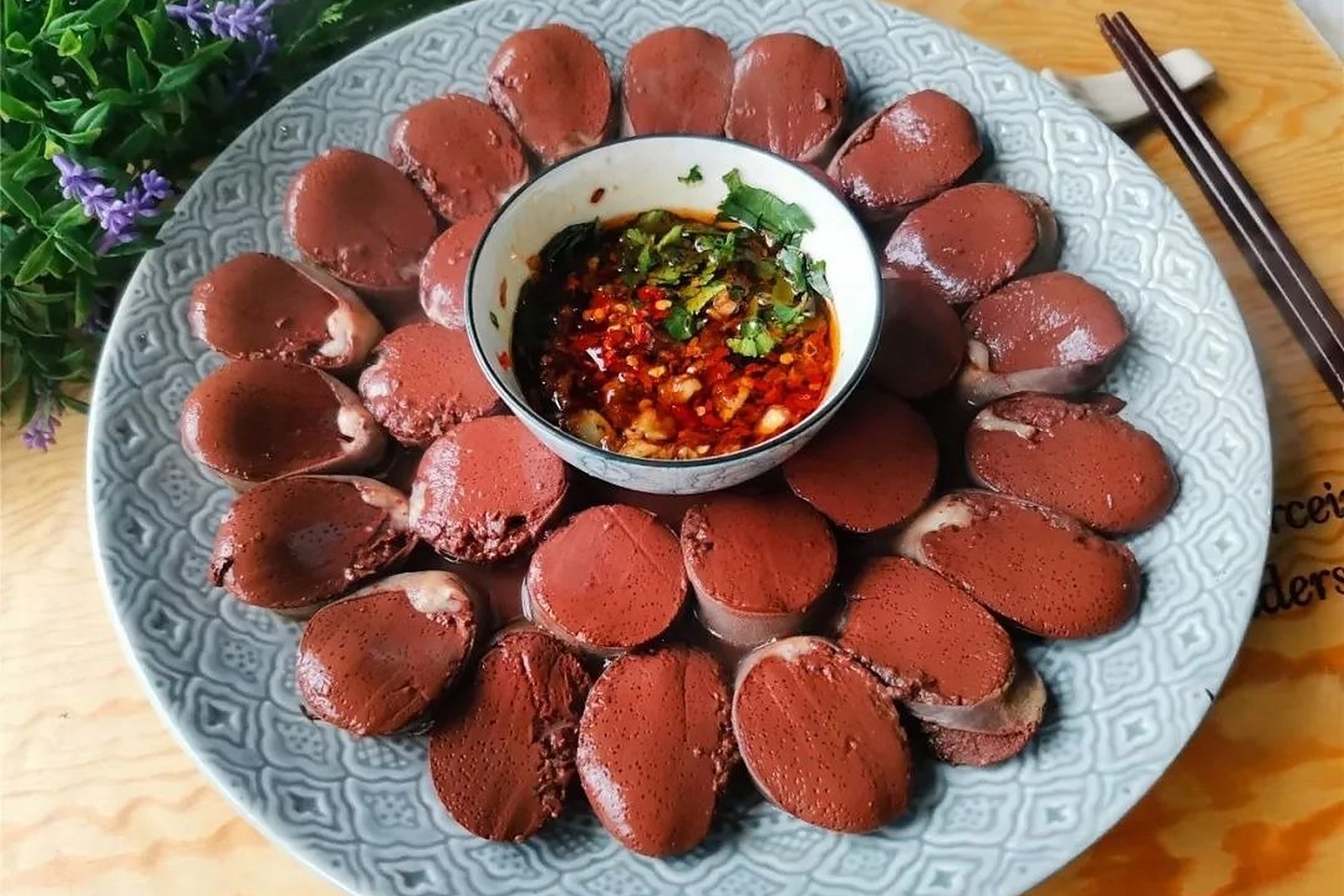
The making is a family event of the cold months. The casings are cleaned and checked, the filling seasoned by hand and stuffed with a horn funnel as it has been for generations, and the long coils boil in the biggest pot while the yard steams. Slaughter season once marked the year’s accounting – the sausage, the dried meat and the butter were the winter’s stores – and the sausage was the most precious line, food that wasted nothing and kept well.
Sliced thick and served steaming, it arrives with a deep mineral savoriness and a crumbly texture somewhere between liver and dumpling. Locals cut it into noodle soup or eat it dipped in chili salt with barley bread, and on festival tables it stands beside the boiled yak and the dumplings as a marker of the old kitchen. The taste is strong and honest – nothing about it is refined, and that is exactly its standing.
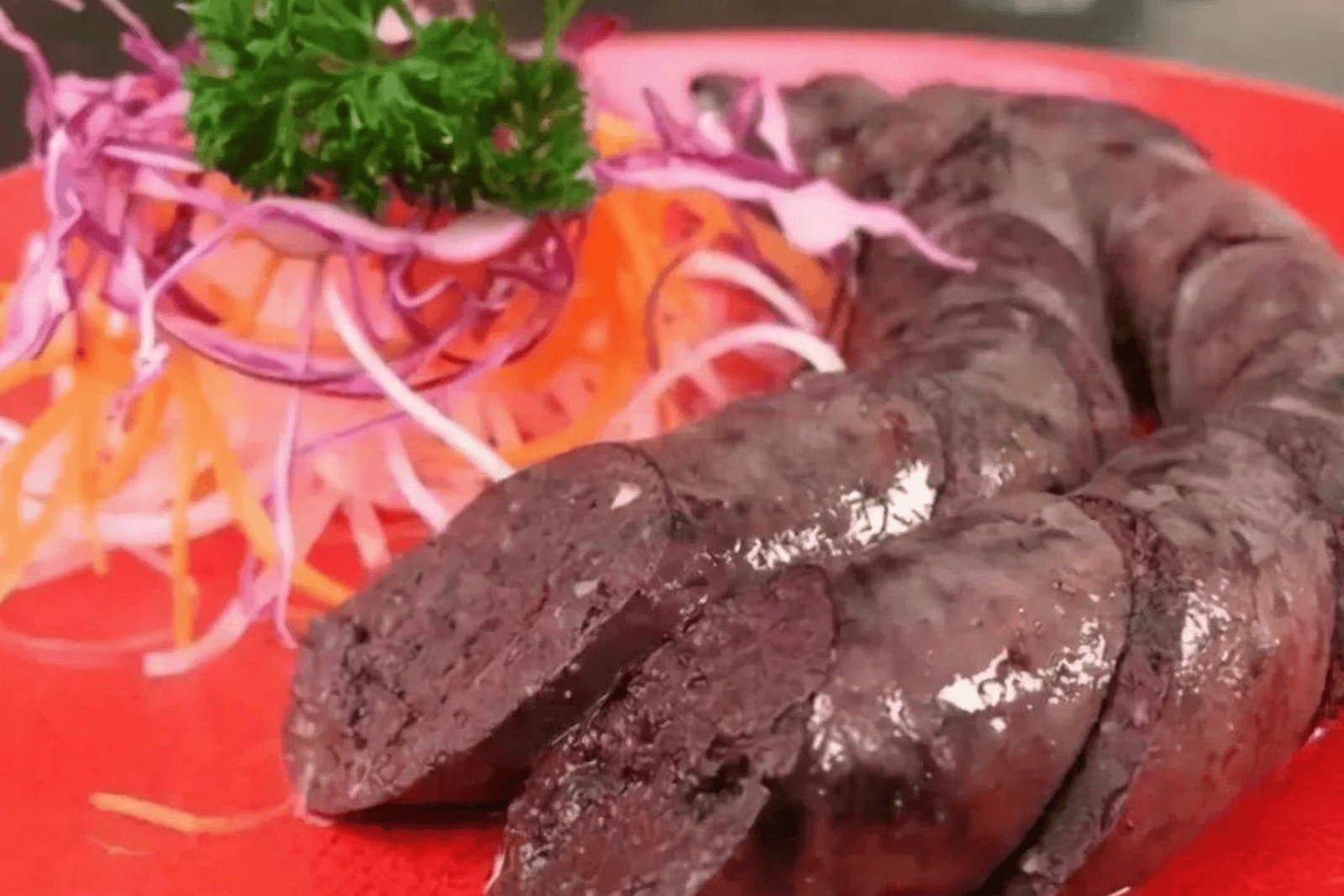
In town, the sausage has moved from farmyard to menu. Tibetan restaurants in Chamdo serve it year-round as a cold-weather plate, markets sell the coils by the kilo in winter, and families still trade theirs against a neighbor’s batch – every cook’s seasoning is slightly different, and everyone defends their own. For the traveler it is the most traditional taste of the high grasslands: order it hot, eat it with tsampa, and understand why winter in Kham is counted from the sausage pot.
The same 西藏自治区昌都市 Xīzàng Zìzhìqū Chāngdū Shì Chamdo holds more flavors worth chasing: 盐井加加面 Yánjǐng Jiājiā Miàn the one-bowl caravan noodles, 盐井葡萄酒 Yánjǐng Pútáojiǔ the missionary-valley red, 人参果饭 Rénshēnguǒ Fàn the sweet droma rice, or 藏东松茸 Zàngdōng Sōngróng the rain-season matsutake – four more doors into the same Chamdo table.
Words and Names
藏式血肠 Zàngshì Xuècháng Tibetan blood sausage; 雪肠 xuěcháng gyuma, the Tibetan name on restaurant menus; 冬宰 dōngzǎi the winter slaughter that fills the larder; 牦牛 máoniú the yak that gives the filling; 糌粑 zānbā tsampa, the roasted barley flour eaten alongside; 辣盐 là yán the chili-salt dip of the winter table.
What the Locals Know
The test of a good coil is the slice – it should cut clean, hold its crumb and steam from the center, which is why locals buy from the cook they know rather than the stall they pass. The seasoning is family business: more lung for lightness, more fat for winter. And the right plate is shared – one coil feeds a table, and the last slices in the broth are the ones people argue over. All checked November 2026.
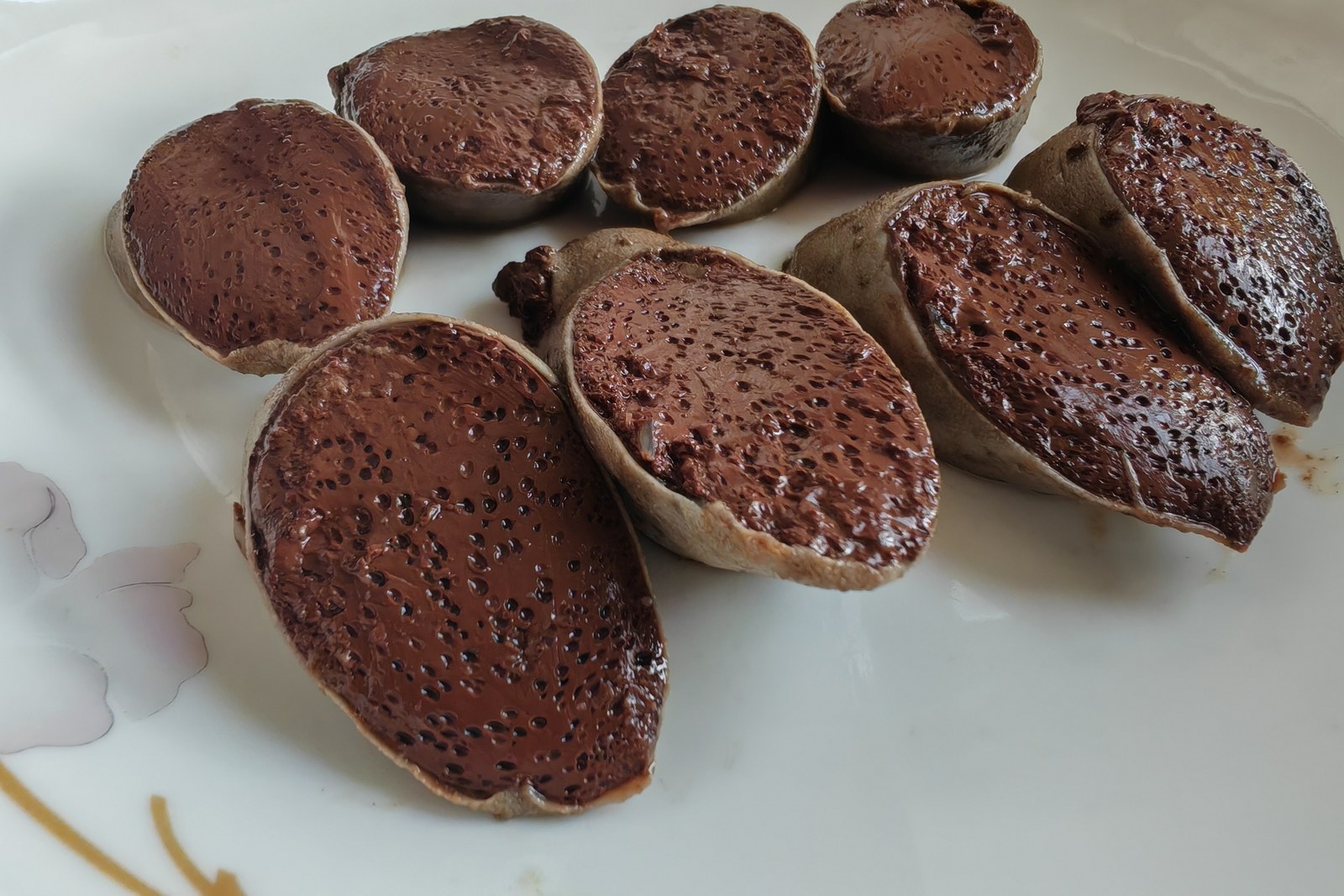
flowcloud would say blood sausage is Kham’s winter ledger: nothing wasted, everything kept, and a table that gathers the moment the knife starts slicing – the plateau’s thrift turned into its comfort.
Where to find it: Tibetan restaurants around Chamdo’s market streets serve it through the winter, and the county-town markets sell fresh coils in slaughter season. All checked November 2026.