
铜梁柚 Tóngliáng Yòu, the Tongliang pomelo, is the district’s signature fruit and the heavy honey-sweet pummelo grown along the Fu River (涪江) where the river soil and the mild Chongqing autumn build a thick-skinned citrus that weighs down the branch. The pomelo is a kind of giant citrus, larger and paler than an orange, with a pithy rind and segmented flesh that ranges from faintly green to gold, and Tongliang’s version is prized for sweetness rather than tartness, so a ripe one eaten fresh tastes more like honey than like the sharp grapefruit many travellers expect. Tongliang (铜梁区) grows it in the river flats where water sits close to the roots, and the fruit is the autumn gift the district puts beside its pressed duck when visitors leave, a present that keeps and travels without a box of ice.
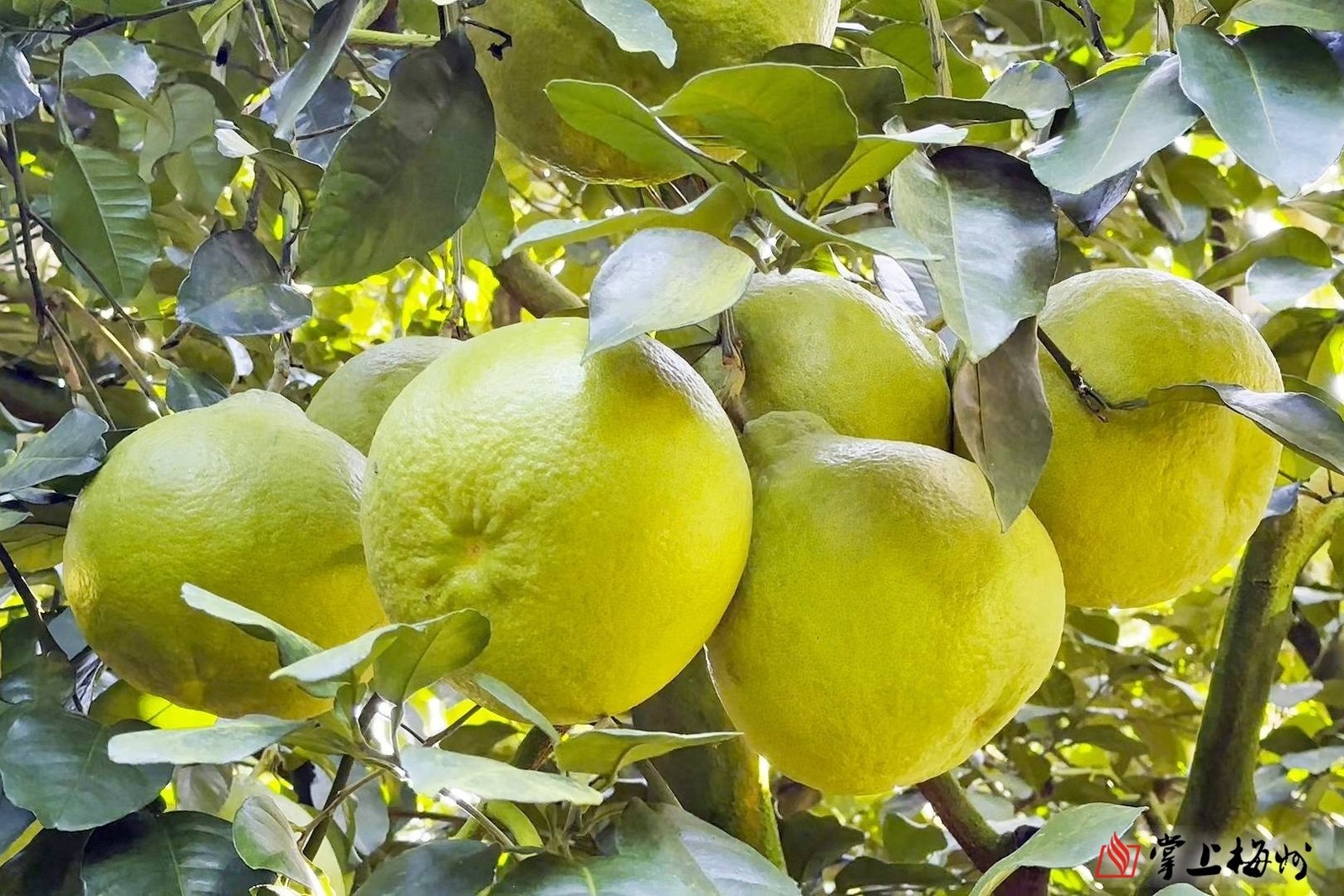
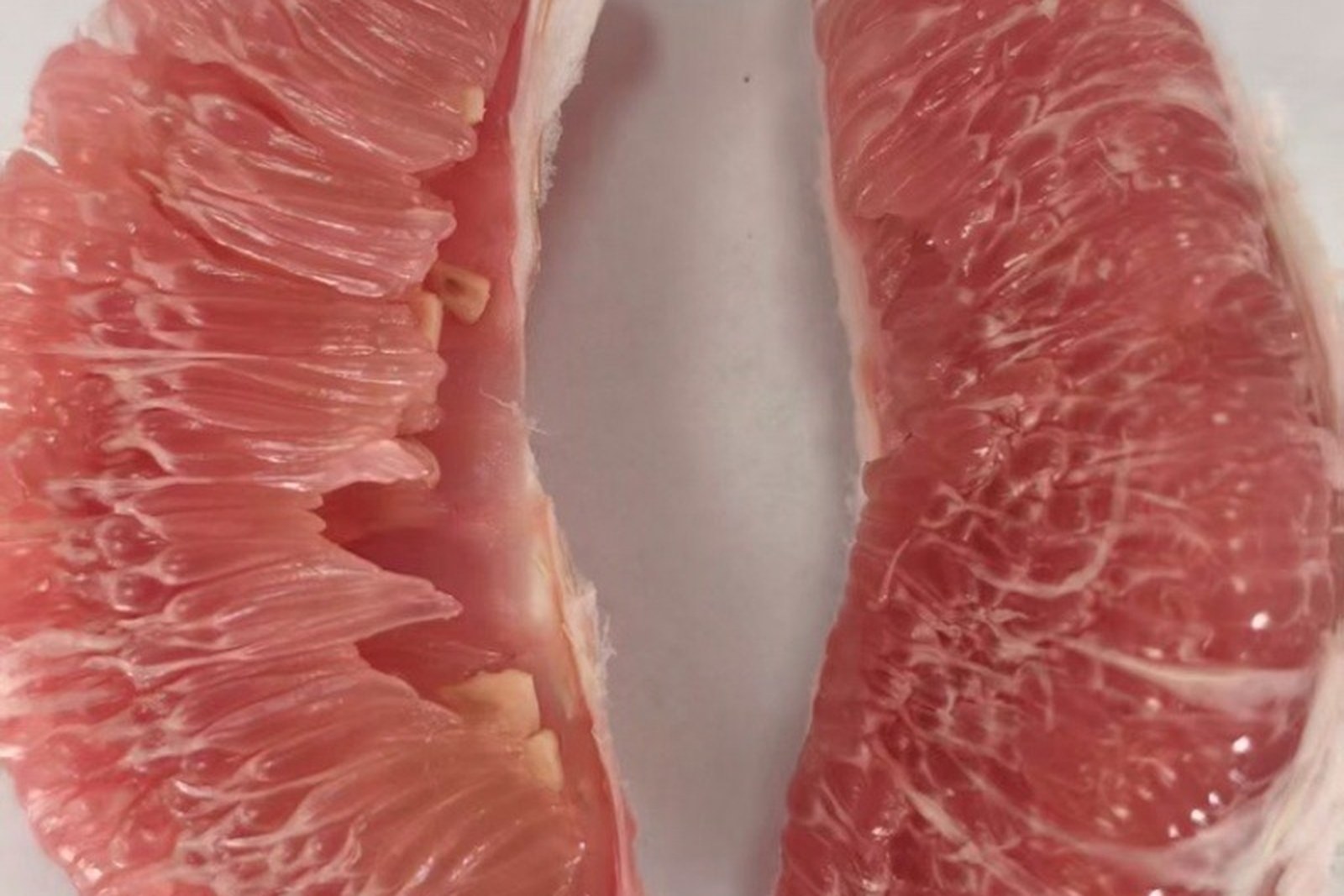
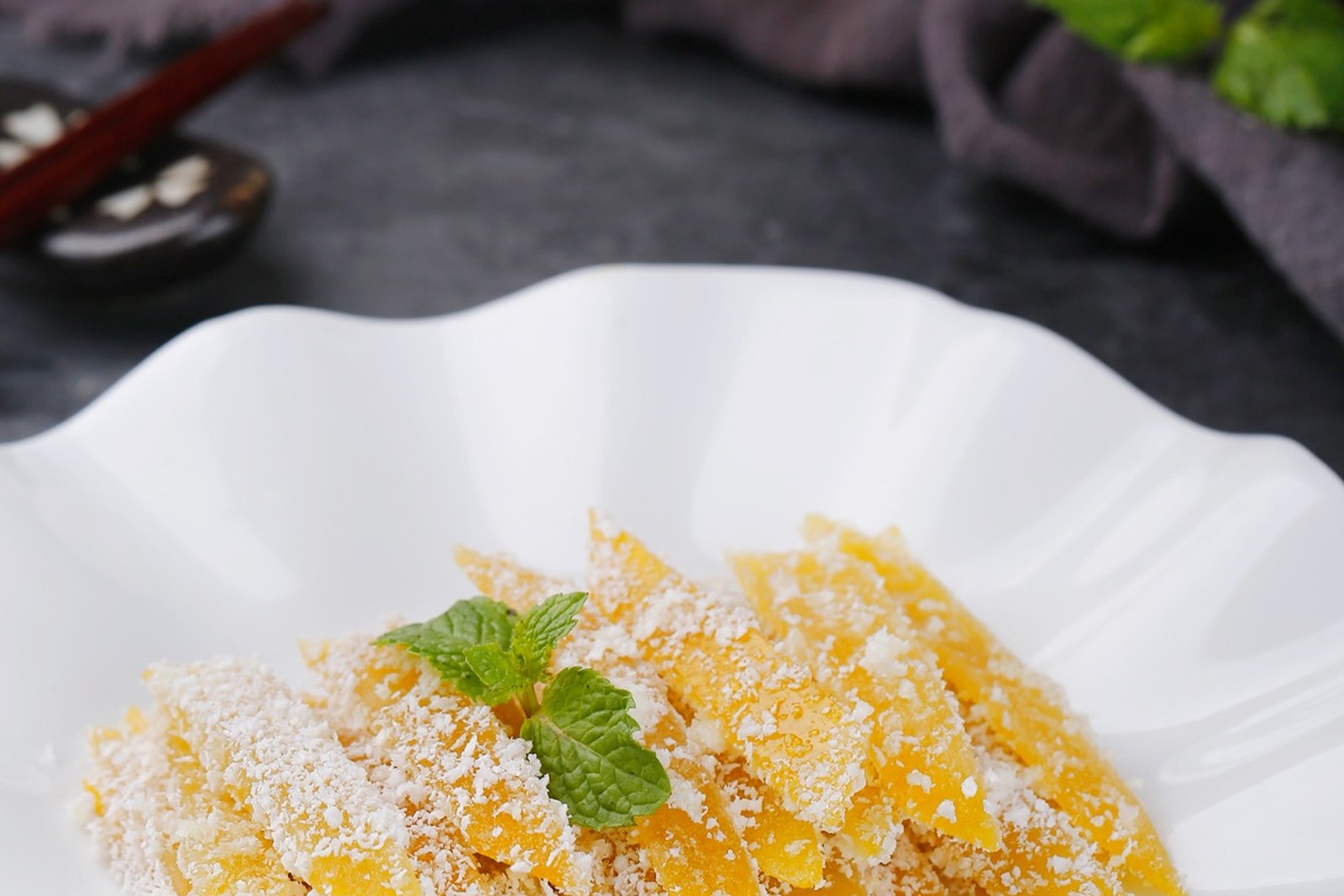
The eating is simple and the reward is in the waiting. A pomelo is peeled by hand, the thick pith cut away, and the segments pulled apart so the sacs break into a cool, juicy sweetness that cleans the mouth after the salty duck and the chilli oil of a Chongqing table. Eaten fresh it is a dessert and a palate reset; the best are heavy for their size, with a yielding rind and flesh that separates cleanly from the membrane. A second, older use is candied, the peel simmered in syrup until it turns chewy and bittersweet, a sweet that keeps through the winter and turns the whole fruit, rind included, into something usable. The district’s pomelo is valued because it does both: eaten now and kept for later.
What the fruit gives the season is a gentle close. After the hot dishes of a Tongliang meal the pomelo lands soft and sweet, and because it ripens in late autumn it marks the turn of the year as plainly as the dragon dance marks a festival. Farmers along the river have grown it for generations, and the orchards sit close to the water that feeds the roots, so the fruit carries a sense of place that the mass-market citrus from farther south does not. A good Tongliang pomelo should smell faintly of the tree, feel dense in the hand, and taste of honey with only a thread of bitterness at the back, which is the honest measure of a fruit grown slow in river country.
The pomelo rewards a careful peel. Cut the rind in quarters, work the pith free with a knife, and pull the segments rather than biting them, so the membrane stays behind and the flesh stays whole. Choose the heaviest fruit you can hold, and keep it cool and dry; a well-stored Tongliang pomelo will still taste of autumn weeks after it leaves the branch.
Words and Names
铜梁柚 Tóngliáng Yòu is the Tongliang pomelo, the district’s signature honey-sweet pummelo grown along the Fu River. 铜梁区 Tóngliáng Qū is Tongliang District in Chongqing Municipality. 涪江 Fú Jiāng is the Fu River whose flats grow the fruit. 柚 yòu means pomelo or pummelo, the large thick-rinded citrus. 蜜饯 mìjiàn is candied fruit, the preserved form of the peel. 安居古城 Ānjū Gǔchéng is Anju Ancient Town, a riverside place where the district’s fruit and gifts are sold.
What the Locals Know
The pomelo is a late-autumn fruit, so it is at its best and most abundant from autumn into early winter rather than in summer. Judge ripeness by weight and scent: a heavy fruit with a faint citrus smell and a yielding rind is ready, while a light or hard one is under-ripe or dried out. It is eaten fresh as a sweet close to a meal and also candied, and it keeps far longer than most citrus if stored cool and dry. One honest caveat: the thick pith is bitter if eaten raw, so it is cut away for fresh eating, and a pomelo that tastes sharply sour rather than honeyed was not the sweet Tongliang variety or was picked too early. No specific orchard, address, price or founding family is stated here.
flowcloud would say that Tongliang pomelo is the district’s signature heavy honey-sweet pummelo grown along the Fu River, eaten fresh as a cool sweet close to a chilli-laden meal or candied into a winter preserve, and carried from Chongqing as an autumn gift beside the pressed duck. All checked October 2026.
Where to find it: the pomelo is grown and sold across 铜梁区 Tóngliáng Qū Tongliang District, Chongqing, in the 涪江 Fú Jiāng Fu River flats and at the orchards, markets and roadside stalls of the district seat and 安居古城 Ānjū Gǔchéng Anju Ancient Town, where it is offered fresh and candied as an autumn gift. No specific orchard, address or price is invented here; the fruit is a general district specialty rather than the property of one named grower. All checked October 2026.