
The Flour That Runs the Plateau: Tsampa
青稞炒出高原味,一捏揉尽雪域香 Qīngkē chǎo chū gāoyuán wèi, yī niē róu jìn xuěyù xiāng – Roasted highland barley gives the plateau its taste; one hand’s kneading gathers all the snow-country’s flavor
糌粑 zānba is the staple that actually powers Xizang – highland barley roasted in sand, milled whole into a nut-brown flour, and eaten by the bowlful across 西藏自治区拉萨市 Xīzàng Zìzhìqū Lāsà Shì Lhasa at every meal from farmhouse breakfast to monastery kitchen. The flour sits ready in every household’s wooden tsampa-box, the single most permanent object on the Tibetan table.
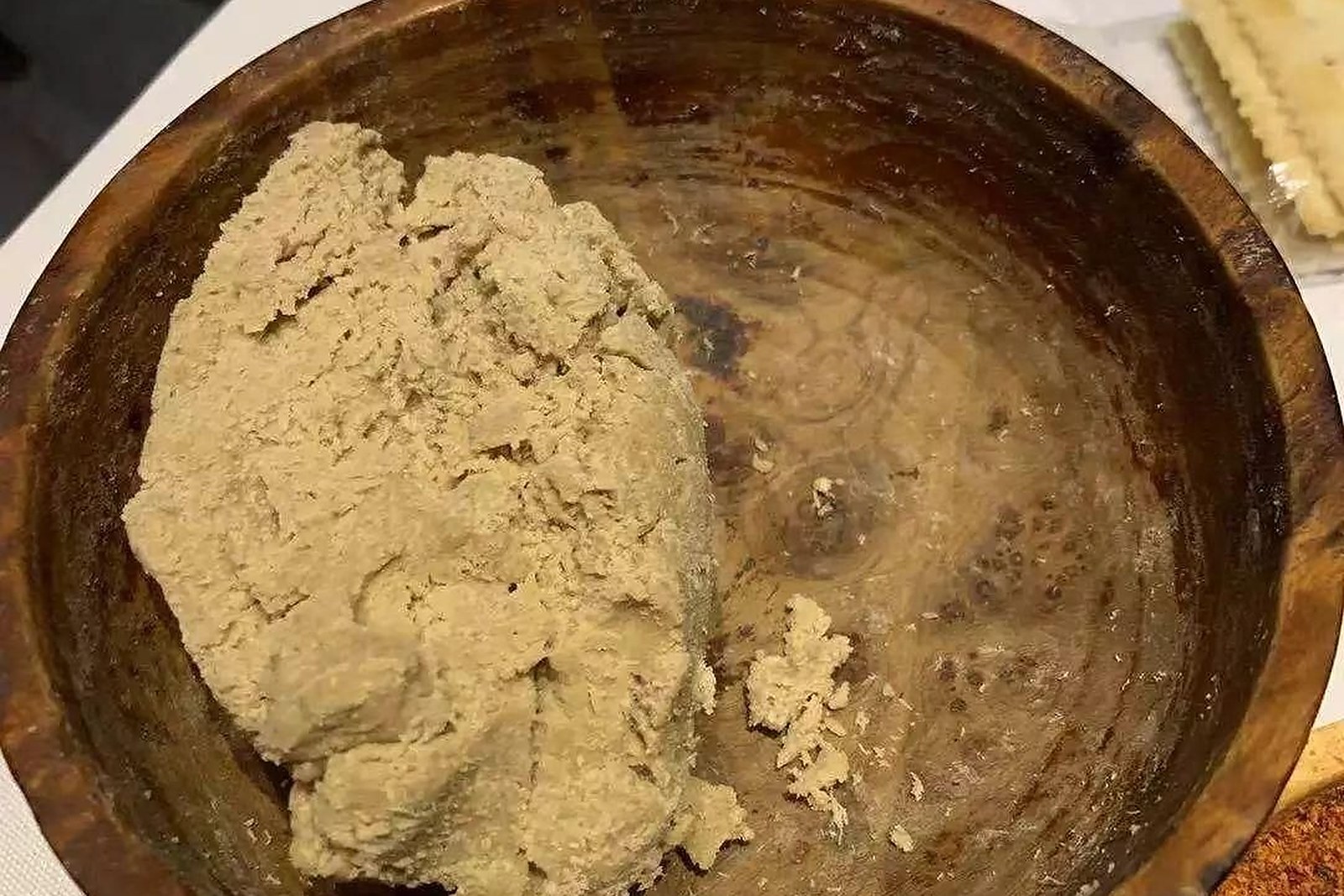
The making is a one-hand ritual. Pour butter tea into the bowl, scatter the flour over it, and knead with the fingers of the right hand, rolling the mix against the bowl’s curve until it binds into a soft pa – a dumpling-paste that eats like warm, roasted dough. Add sugar or dried cheese for the guest version, salt for the everyday; the knead takes thirty seconds once learned and a lifetime to make pretty.
The taste is the barley itself – nutty, faintly sweet, roasted-deep, with the butter tea’s salt and fat underneath. It is food engineered for this altitude: no cooking, no fuel, no spoilage, protein and slow carbohydrate in a flour that nomads carry in a bag on horseback. Herders eat it with dried meat, monks in the assembly hall with tea, farmers at midday with curd; the same flour serves every table in every valley.
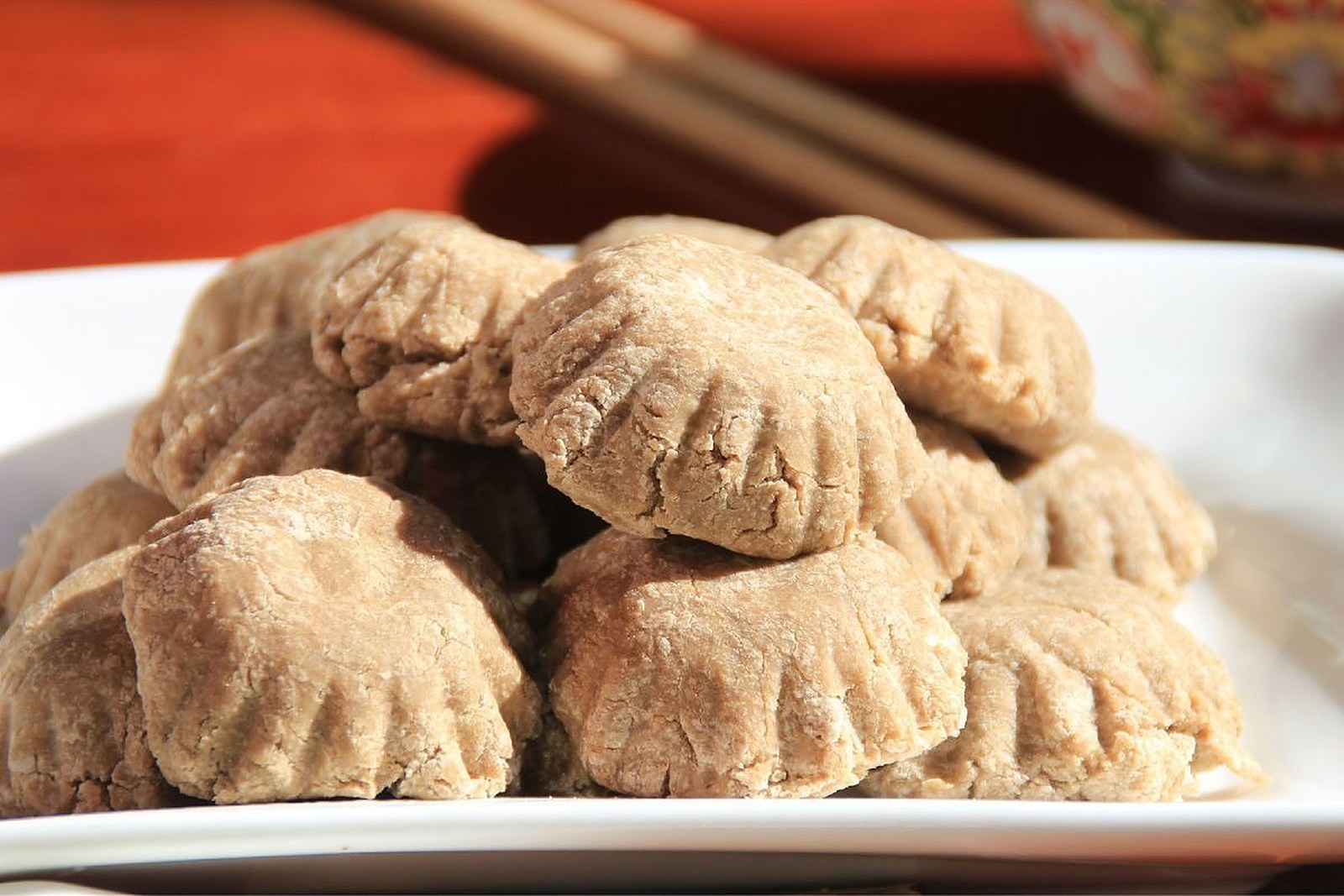
In Lhasa the old houses still set a tsampa-box on the table as naturally as chopsticks, and city restaurants serve the guest version – kneaded to order, sweetened, sometimes pressed into moulded rounds – as the plate that says “this is Xizang” before any pot arrives. Travelers who learn the knead at a teahouse table rarely forget the lesson: the plateau’s whole food logic in one bowl and one hand.
The same 西藏自治区拉萨市 Xīzàng Zìzhìqū Lāsà Shì Lhasa holds more flavors worth chasing: 甜茶 tiánchá the teahouse pot, 酥油茶 sūyóuchá the churned tea, 牦牛酸奶 máoniú suānnǎi the set yogurt, or 藏式牦牛肉 zàngshì máoniú ròu the yak pots – four more doors into the same Lhasa table.
Words and Names
糌粑 zānba tsampa, the roasted-barley staple; 青稞 qīngkē highland barley, the grain itself; 酥油茶 sūyóuchá the butter tea it kneads into; 糌粑盒子 zānba hézi the wooden flour-box on every table; 糌粑团 zānba tuán the kneaded pa, the eaten form.
What the Locals Know
The knead is the class mark – locals judge a table’s tsampa by the hand that makes it, and a smooth, one-handed, bowl-side knead wins the table’s nod. The flour’s roast matters more than anything: freshly milled from sand-roasted barley it smells like warm bread; a stale bag tastes of nothing. And never waste it – tsampa spilling from a bowl is the one table sin the plateau still notices. All checked November 2026.
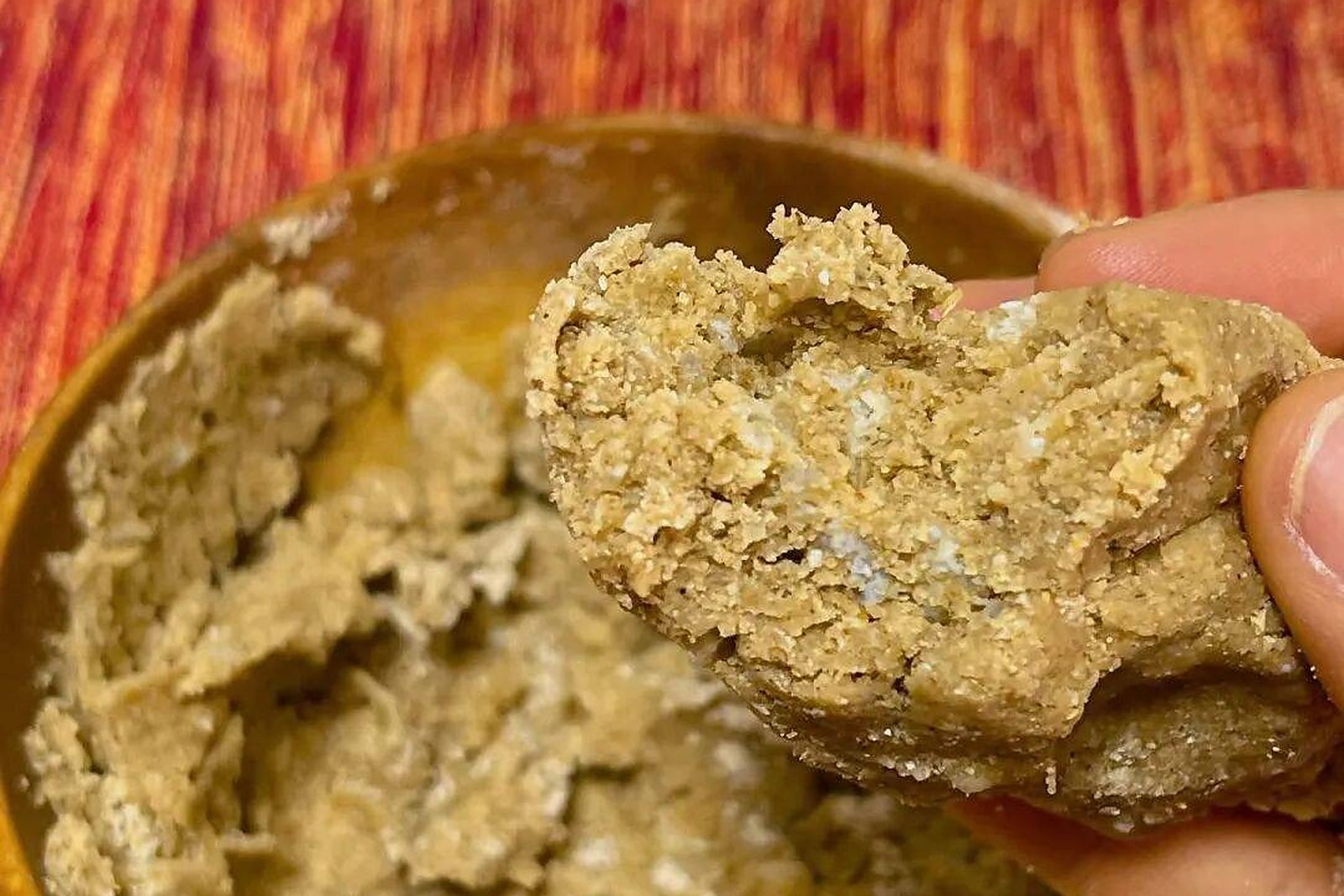
flowcloud would say tsampa is the plateau reduced to a bowl: roasted barley, butter, tea and one hand – travel food that built a civilization and still feeds one before dawn.
Where to find it: Every teahouse serves it with the morning service, the old-town restaurants knead to order, and the household version is what you will be handed in any village guesthouse across the district. All checked November 2026.