
屯昌砂仁 Túnchāng shārén is the amomum of Tunchang County, and the word 砂仁 shārén needs unpacking before anything else, because it covers several plants. Amomum is a genus in the ginger family, and the dried ripe fruit sold under that name comes from 阳春砂 yángchūn shā, Amomum villosum, from 绿壳砂, or from 海南砂 Hǎinán shā, Amomum longiligulare, the species grown on this island and on the Leizhou peninsula opposite it. The growing country is the south-west of the county, around 乌坡镇 Wūpō zhèn, and herbs are not a sideline there but an identity. 屯昌县 Túnchāng xiàn is an inland county with no coastline, which is exactly why it is a herb county rather than a fishing one: it holds more than 200,000 mu of wild and planted medicinal ground and some 590 wild southern-herb species, and it carries the honorifics 南药之乡 Nányào zhī xiāng, home of southern medicine, and 海南药库 Hǎinán yàokù, Hainan’s medicine storehouse.
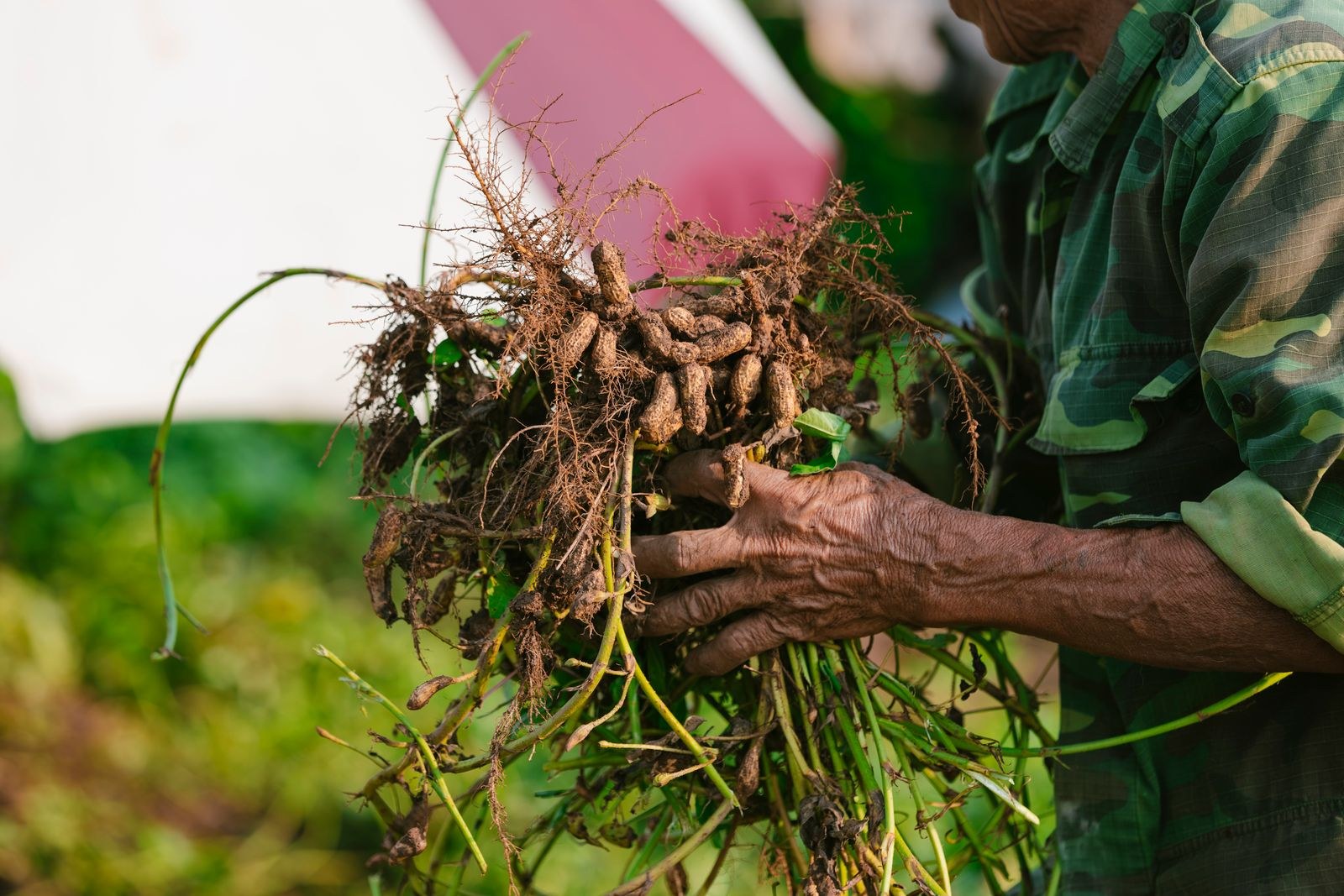
The two plants that matter most on a Tunchang table are amomum and 益智 yìzhì, Alpinia oxyphylla, whose ripe fruit is 益智仁 and which is one of the 四大南药 sì dà nán yào, the four great southern medicines, alongside 槟榔, 砂仁 and 巴戟天. Amomum is warm and pungent and is used to move qi, dry dampness and settle the stomach; 益智 was already written up by 李时珍 Lǐ Shízhēn in the 本草纲目 for settling the stomach and stopping vomiting and diarrhoea. Both are ginger-family plants whose fruit is dried and then cooked with rather than eaten raw. 乌坡镇 Wūpō zhèn is credited in the county’s own reporting with 223 species of southern herb, and the wider local list runs through 巴戟天, 牛大力, 草豆蔻 and 沉香 chénxiāng, agarwood, whose white-wooded source is the 白木香 tree.
The name of the town is a piece of natural history in itself. 乌坡 Wūpō was called 鲁一图 Lǔyītú in the late Qing, and the name it carries now is usually explained by the ground: the soil was fat and the cover thick, and crows – 乌 wū – came in flocks to roost on the slope – 坡 pō – behind it, so the place was named for the birds rather than for anything anyone built. What stands there now is a different sort of collection. 青梯村 Qīngtī cūn, one of the villages that grows the herbs, keeps a small southern-medicine hall called 南草石屋 where the plants are labelled for visitors, the Chinese Academy of Tropical Agricultural Sciences runs herb-culture sessions in the town, and in December 2023 work began at 枫木实验林场 Fēngmù shíyàn línchǎng on the Hainan branch of the national forestry and grassland germplasm bank, which is the state’s long-term store for precisely the seed the old station was built to gather. Keeping herbs here is not a revival; it is the same habit, in better buildings.
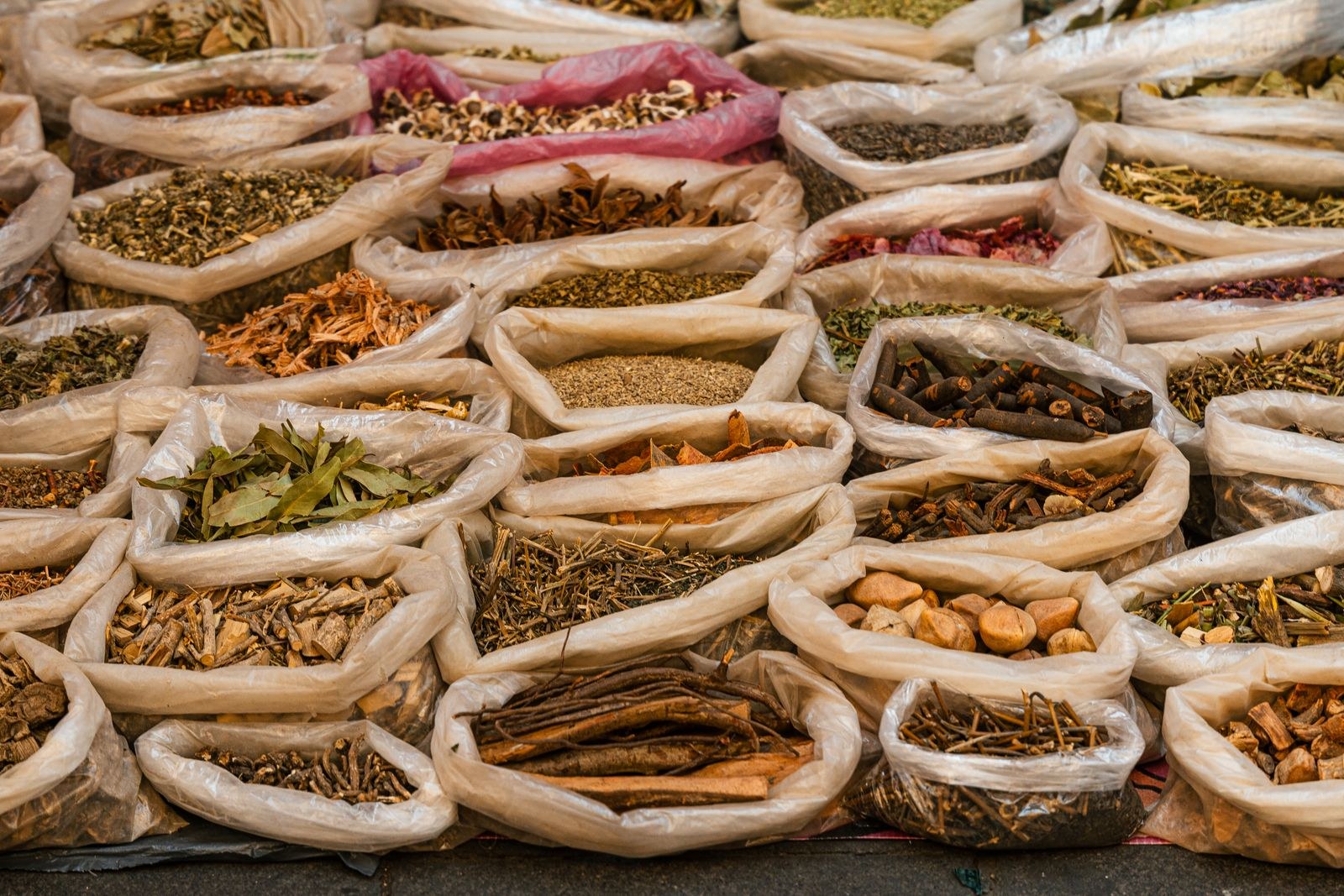
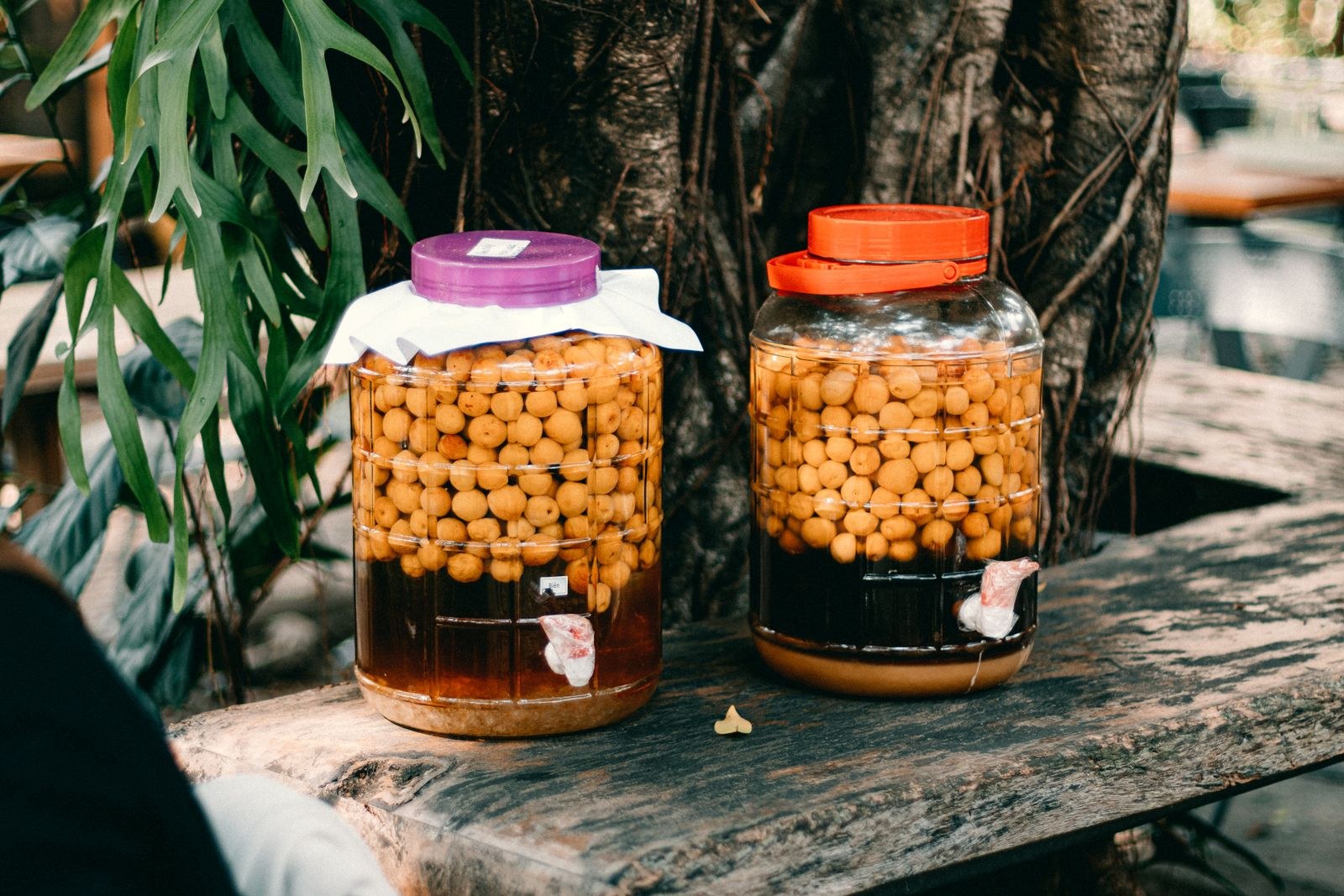
In the kitchen the herbs are used with unusual lightness. Amomum goes into soup – 砂仁排骨汤 with pork ribs, 砂仁猪肚汤 with pork tripe, 砂仁鸡汤 with chicken, and also with crucian carp, yam, lion’s mane mushroom and goji – at three to five grams at a time, crushed so that the flavour comes out, and it is added ten to fifteen minutes before the heat goes off, because the volatile oil that carries the aroma is the first thing a long boil destroys; the fruit itself is meant to be chewed. 益智 is treated differently. It is boiled as a fruit soup, or the young green fruit is picked a month before the main harvest, packed into a jar with cooled boiled water and soy sauce, and kept for the year, which is what households at 山塘村 Shāntáng cūn in 南坤镇 Nánkūn zhèn do every spring. 巴戟 goes into the mutton and tripe broths that Wupo cooks, and the head of the county’s restaurant association, 徐德宗 Xú Dézōng, feeds dried 益智 fruit to his capons to produce the county’s best-known dish, 益智功夫鸡 yìzhì gōngfu jī.
The history of all this is unusually well dated, and it starts with a decision in 1957. Guangdong province set up a herb experimental station at Wupo that year, and 郑道锦 Zhèng Dàojǐn, a man from 南吕镇 Nánlǚ zhèn who had just finished a medicinal-crop course in Guangzhou, was sent to 美华村 Měihuá cūn with eight mu of flat ground to trial 凉姜, 益智, 草蔻仁 and more than thirty other plants; the trade later called him 南药第一人, the first man of southern medicine. In 1960 the province funded a 22,000-mu herb farm on the same ground, with 郑道锦 as technical officer over five hundred workers. In 1964 it was renamed the Guangdong Tunchang medicinal materials farm, by then the largest southern-medicine base in the country, and in 1978 it became the 海南药材场, China’s first southern-herb farm and the only one combining breeding, growing and research. In 1975 the farm gave five hundred agarwood saplings to 枫木农场, and the grove near 木色水库 Mùsè shuǐkù today is what came of them. In 1986 the county had 20,000 mu of southern herbs, most of it at Wupo. In 1987, under reform and neglect, the farm collapsed – but the farm went under and the farmers kept planting.
The trade then moved to the townships. The rebuilt 乌坡市场 Wūpō shìchǎng has become Wupo’s herb exchange, where growers bring their dried amomum and their 益智 fruit to sell to buyers who come from across the country and lodge in the town; Wupo’s herb industry was worth 260 million yuan in 2021, and by 2022 the town had 200 mu of agarwood and 545 mu of 益智. Across the county, 益智 alone now runs past 10,000 mu, mostly in 南坤镇 and 乌坡镇, including a 700-mu block intercropped under rubber at 新坡村 in 坡心镇. One gap should be admitted rather than papered over: no dedicated figure for Tunchang amomum – 海南砂, the species the county is actually named for – has been published anywhere that can be traced, so the size of the amomum crop, as opposed to the herb crop, is simply not on the record.
Words and Names
砂仁 shārén is amomum, the dried fruit of a ginger-family plant; 阳春砂 is the species grown around Yangchun in Guangdong and 海南砂 Amomum longiligulare is the one grown here, so the two are different plants and the same-named products are not interchangeable. 益智 yìzhì is Alpinia oxyphylla and 益智仁 is its dried ripe fruit. 四大南药 sì dà nán yào, the four great southern medicines, are 槟榔, 益智, 砂仁 and 巴戟天; 南药 nán yào means simply the medicines of the tropical south, and 南药之乡 and 海南药库 are the county’s two honorifics. 沉香 is agarwood, from the 白木香 tree. 林下经济 lín xià jīngjì, under-canopy farming, is the practice of growing herbs in the shade of rubber; 药食同源 yào shí tóng yuán, medicine and food from one source, is the phrase that justifies putting all of this in a soup. 姜科 is the ginger family, 甲子 jiǎzǐ is a sixty-year cycle, and 乌坡三宝 Wūpō sān bǎo, Wupo’s three treasures, are 乌坡京果, 乌坡花生 and 乌坡益智.
What the Locals Know
The person who matters most in this story was still collecting herb seed in his nineties. 郑道锦 Zhèng Dàojǐn arrived in 美华村 in 1957 with eight mu and a list of thirty-odd species, and the station he planted grew into a 22,000-mu state farm with five hundred workers and him as its technical officer; by the time the fifth national conference on imported southern medicines was held at Wupo in June 1982 the place was a byword for the industry, and by 1987 it was gone. The relationship the town has with the trade is not mainly economic, and the county’s own reporting quotes a village party secretary, 林芳悦 Lín Fāngyuè, to that effect: our generation played in the herb woods as children, and when we took the land over from our parents we chose to plant medicine too. The headline the People’s Daily used for Wupo was 药香绵延一甲子, the smell of medicine carried through sixty years, and a 甲子 is a full sixty-year cycle.
Two corrections belong in any account of Tunchang amomum. The first is that 屯昌 is not the home of 春砂仁. The phrase 北有高丽参,南有春砂仁, in the north there is Korean ginseng and in the south Yangchun amomum, belongs to Yangchun in Guangdong, which is the geographical-indication district and China’s self-styled home of amomum, and it is regularly repeated about Hainan by mistake; Tunchang grows 海南砂 and other southern herbs, and some 春砂仁 has been introduced on the Wupo hills, but the county must not be described as the main producing area of Yangchun amomum, because it is not one. The second correction is about size. The old herb farm is quoted at three different figures – 22,000 mu when it was founded in 1960, about 15.5 square kilometres when it was renamed in 1978, and roughly 9,000 mu in a later legislative submission – and no source reconciles them, so the three numbers should travel together with their dates attached.
How to eat any of this is a practical question with practical answers, and they are nearly all soups. Amomum is crushed, added late and eaten with the broth; three to five grams is the dose for a family pot. The villagers at 山塘村 Shāntáng cūn who jar young green 益智 fruit in cooled boiled water and soy sauce every spring are laying in a year’s supply, and the fruit comes out of the jar as a condiment rather than as medicine. 益智 also turns up as a tea and in stews, and the tender green fruit can be dressed cold. On the forest farms the year is fixed by two crops, and the local way of putting it is 5 月收益智、6 月割橡胶, take amomum in May and tap rubber in June, one piece of ground and two incomes; a grower at 石岭村 named 唐电武 Táng Diànwǔ described a single bag of 益智 fruit as worth five hundred yuan. If you want to see the trade at its busiest, go to 乌坡市场 on a picking morning rather than a market afternoon.
flowcloud would say that the most interesting thing about the herbs of Wupo is that they are a pharmacy and a kitchen at once – a county with no coast growing its medicine in the shade of rubber trees, drying it on bamboo trays and putting it into the soup ten minutes before the pot comes off the fire.
Where to find it: 乌坡市场 Wūpō shìchǎng in 乌坡镇 Wūpō zhèn, which is the county’s herb exchange, where dried 砂仁 and green 益智 fruit are weighed and sold through the morning; the villages that grow them, 美华村, 青梯村 and 乌石坡村 in 乌坡镇, 山塘村 and 石岭村 in 南坤镇, and the 700-mu intercropped block at 新坡村 in 坡心镇; the agarwood grove near 木色水库 Mùsè shuǐkù in 枫木镇, which descends from the five hundred saplings given away in 1975; and the table, where 益智功夫鸡 and 砂仁排骨汤 are the two dishes to order. 乌坡镇 lies in the south-west of the county, well over an hour by road from 屯城镇 Túnchéng zhèn, and the market is best early; buy amomum as whole dried fruit rather than as powder, and ask the stallholders how they cook it, because most of them do.