
Turpan Raisins: The Brick Drying Houses of the Grape Corridors, the Wind-Cured Sweetness and the Green Treasure of the Oasis in Turpan, Xinjiang
荫房风里收甜意,不借骄阳半分光。Yīnfáng fēng lǐ shōu tián yì, bù jiè jiāoyáng bàn fēn guāng – The drying houses gather sweetness in the wind, borrowing not half a ray of the blazing sun.
吐鲁番葡萄干 Tǔlǔfān pútaogān Turpan raisins are the oasis’s second harvest – grapes of the seedless white and their kin cured not in the sun but in the shade, inside the 荫房 yīnfáng drying houses whose perforated brick walls lace every vineyard in the basin. The buildings are the region’s signature landscape: square mud-brick towers with lattice openings on all sides, letting the desert wind pass through for weeks while the grapes inside dry slowly into the dense, green-gold, seedless raisin that the markets call the best in China (worth confirming the details for the drying cycle lengths, which vary with the season’s wind). The shade-drying is the whole point – sun-dried fruit turns brown and leathery where the wind-cured stays green and soft – and Turpan’s dry heat does the rest. Farm gates sell by the kilo in woven sacks, market rows sort the grades, and the Grape Valley stalls trade on drying houses you can see from the lane. The register is pantry wealth: sacks, scoops, and sweetness by the measure.
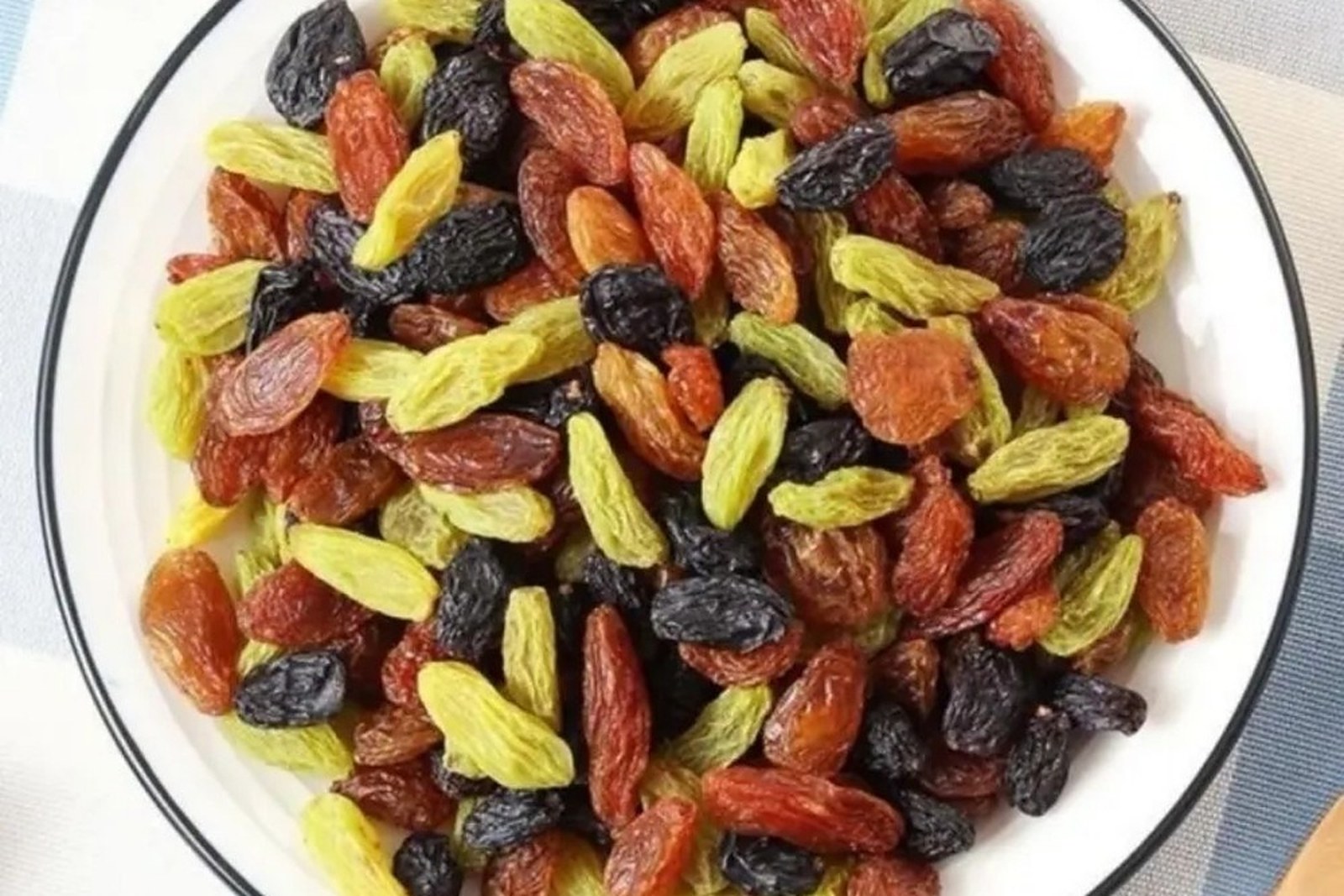
Call it honestly: sack-and-scoop money on a harvest clock. Getting there is one door: the drying-house lanes of Grape Valley and the village roads of 亚尔镇 Yà’ěr Zhèn Yaer Town sit a bus or taxi ride from the centre (worth confirming the details for the farm-gate sales hours, which follow the curing season), and the city market rows pour the season’s sacks into bins by mid-morning. A kilo at the farm gate prices at pantry-within-reason money, gift-box assortments at present-within-reason money, and the premium green grades carry the top of the range – though exact figures are worth confirming the details on rather than quoting, the bins repricing with each season’s wind. The crowds run to the calendar: the new-crop weeks draw the bulk buyers, winter months hand the market rows to the locals, and a mid-week morning, when the sacks are open and the sorting is fresh, is the buyer’s own hour.
The honest star is the green seedless grade itself – 葡萄干 pútaogān raisins so young in colour that they look unripe and taste like concentrated jam. What gets oversold is the “all raisins alike” framing: guides sell a category where grade is everything, because wind-cured green fruit and sun-cured brown fruit are different products that happen to share a vine. What repays is the patience in the texture – soft, not sticky; sweet without sugar; a drying house’s worth of wind in every handful (worth confirming the details for which grades the stall actually grows itself).
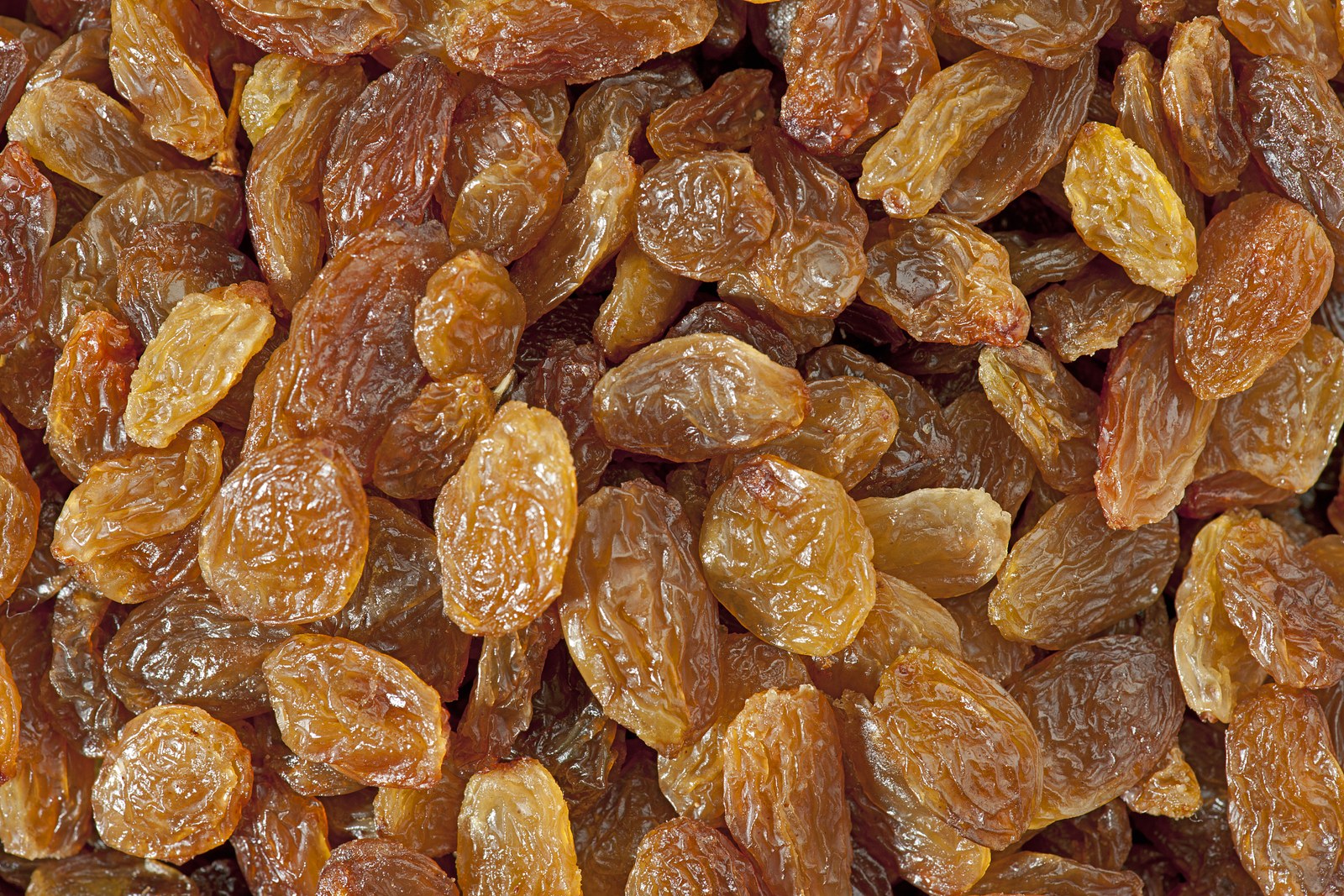
The town’s deepest habit is the pantry itself: raisins in every kitchen jar, naan studded with them, pilafs sweetened with them, and gifts leaving the basin by the boxful – a dried fruit so central that the region’s hospitality and its economy share the same sack.
The rest of this Turpan list keeps other tables: the trellis-fresh clusters of 吐鲁番葡萄 Tǔlǔfān pútáo the grapes fill the autumn, the tandoor crusts of 烤包子 kǎobāozi the baked buns anchor the corners, the melon perfume of 鄯善哈密瓜 Shànshàn hāmìguā the Shanshan Hami melon opens the season and the vinegar-tossed strands of 新疆黄面 Xīnjiāng huángmiàn the yellow noodles cool the noon – four more doors into the same 吐鲁番市 Tǔlǔfān Shì Turpan City.
Words and Names
What the Locals Know
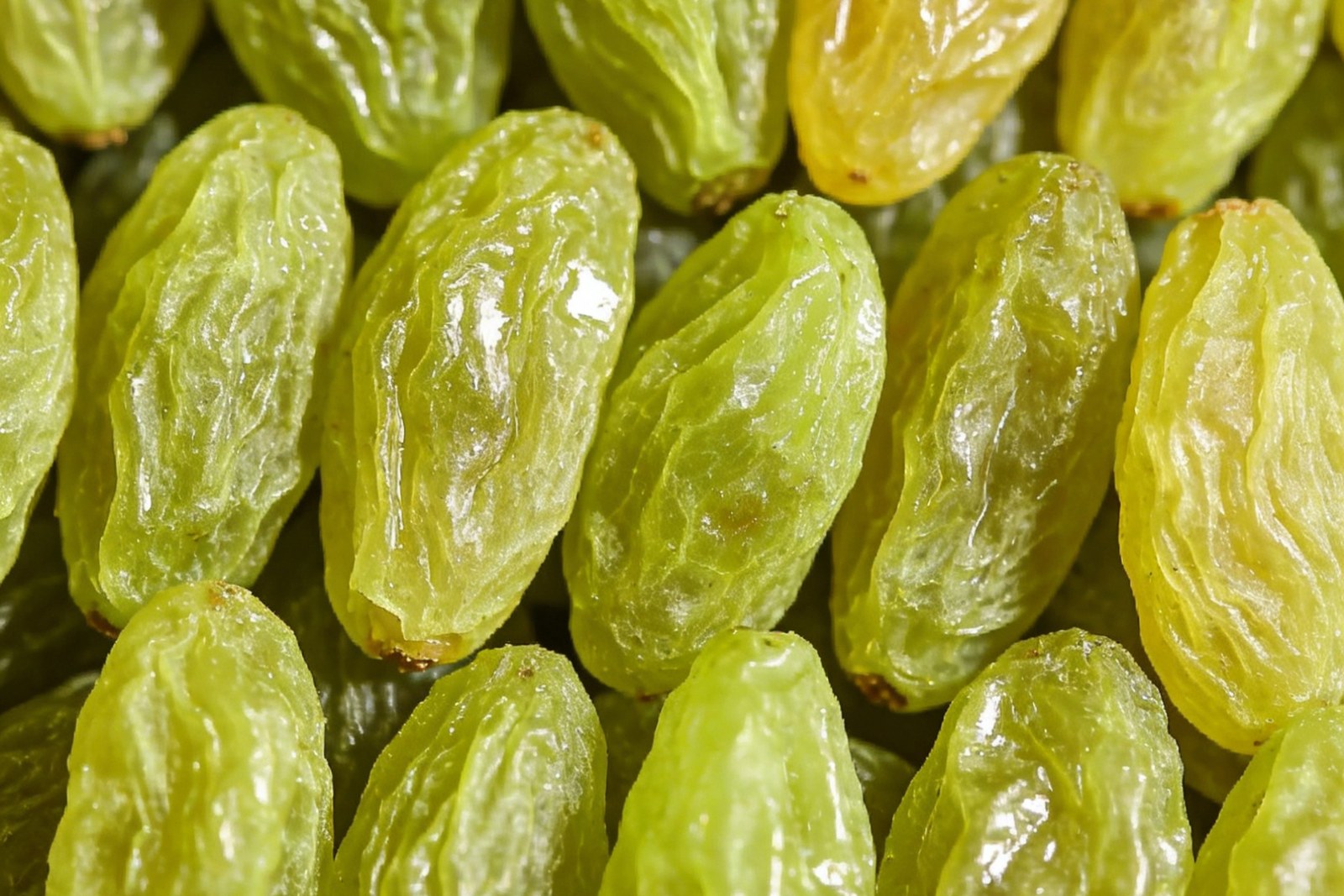
flowcloud would say that the 吐鲁番葡萄干 Tǔlǔfān pútaogān is the oasis’s patience made edible and the wind’s own confectionery – a shade-cured sweetness that answers the sun by refusing it – and that the honest move is to buy the green grade loose, watch whether the colour stays jade, and let the drying-house wind cast the vote, because the vine gave the sugar and the shade kept it green. All checked November 2026.
Where to find it: 吐鲁番市 Tǔlǔfān Shì Turpan City, Xinjiang – the drying-house lanes of Grape Valley and the market rows of the 高昌区 Gāochāng Qū Gaochang district centre, where the green seedless grades keep the wind-cured register through the post-harvest months and the farm gates and stall bins do the pouring, reached by city bus or taxi to the valley road (worth confirming the details for which stalls sell new-crop sacks and which trade boxed assortments only, bin stock turning over as the season does), where the trade keeps the wind clock – new-crop weeks the bulk buyers, winter months the locals’ loop, mid-week mornings the buyer’s own; pantry to present-within-reason money by the kilo, so call it worth confirming the details rather than a fixed number, and let the drying-house wind cast the vote. Turpan raisins are the shade’s own sweetness, bought one wind-cured handful at a time – the taste of 吐鲁番市 Tǔlǔfān Shì Turpan City eaten one green, jam-dense piece at a time. All checked November 2026.