
Two hundred metres from the ferry landing on the lower Jialing in 土沱镇 Tǔtuó Zhèn Tutao town, the pastry is baked in the ground beside the road. What fills the shop is not a counter but a dome: two iron pans closed into a sealed, clay-lined hemisphere on a brick hearth, with the dough inside and the fire underneath and nothing else. That is the whole invention. 土沱麻饼 Tǔtuó Mábǐng Tutao sesame pastry – also called 拗锅酥皮麻饼 inverted-pot crispy sesame cake, or 吊锅酥皮麻饼 suspended-pot crispy sesame cake – is a Chongqing municipal intangible-heritage item filed in 2014, and it is the only food out of the former 渝北区 Yùbèi Qū Yubei District that could not have been made anywhere else, because the only reason it works is a kiln shaped like a pot’s underside.
The pastry is old enough to have a lineage and young enough to have a maker’s name. It is generally dated to the 1920s, with one account placing its origin at the end of the Qing, and it came out of Tutao, a town on the lower Jialing where the river makes a backwater called 一回水沱 Yīhuí Shuǐtuó and boats once crossed here rather than steering around. The founder was 陈国恩 Chén Guó’ēn Chen Guoen, who opened 振江斋馆 Zhènjiāng Zhāiguǎn the Zhenjiangzhai shop on Tutao old street, and the third generation of the craft is 李程 Lǐ Chéng Li Cheng. That is the shape this kind of food has: a named room, a named family, a named inheritor, and a fire that must be rebuilt rather than bought. The district that governed all of this was abolished on 7 November 2025 and folded into 两江新区 Liangjiang New Area; Tutao was not one of the five northern towns that went to Beibei.
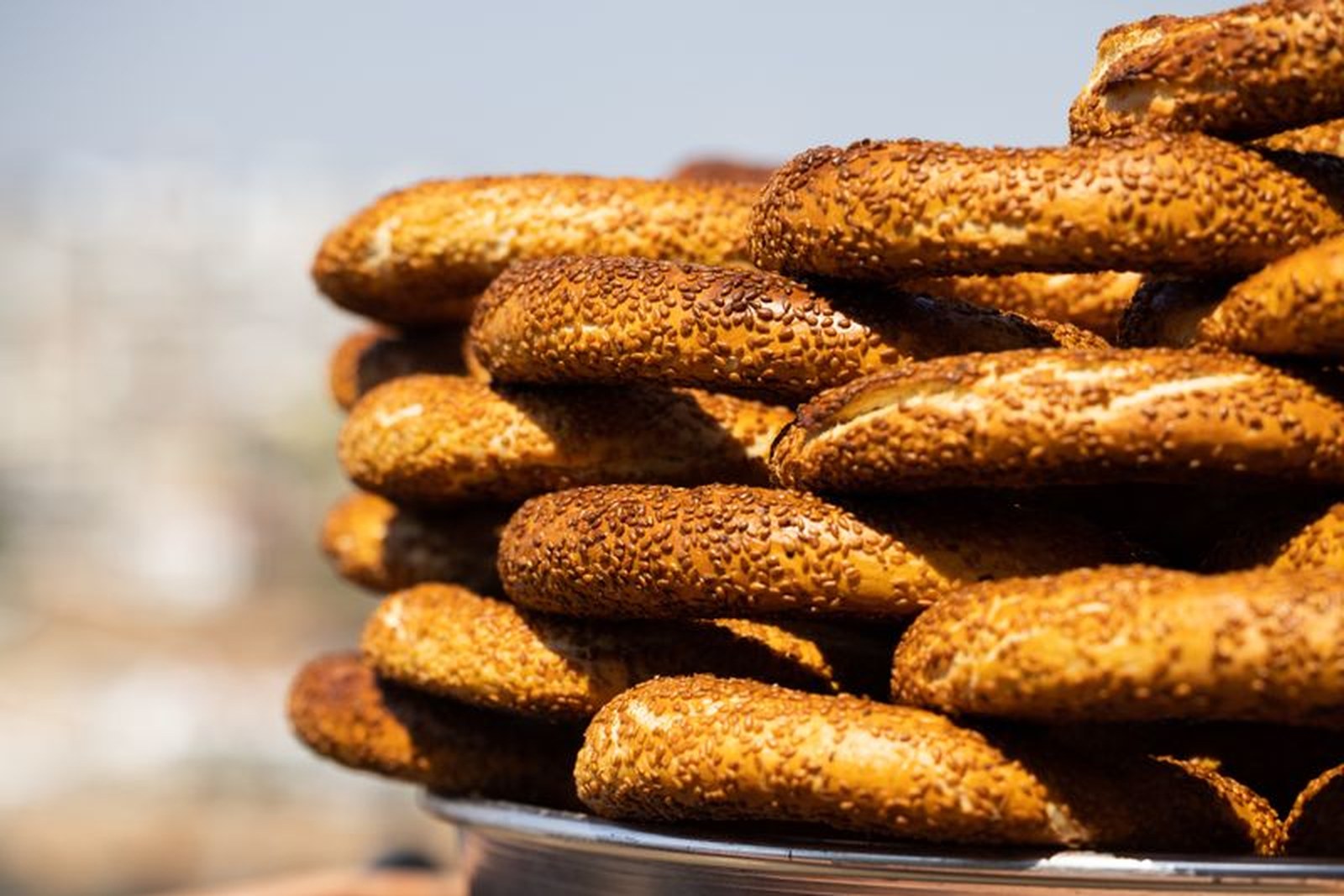
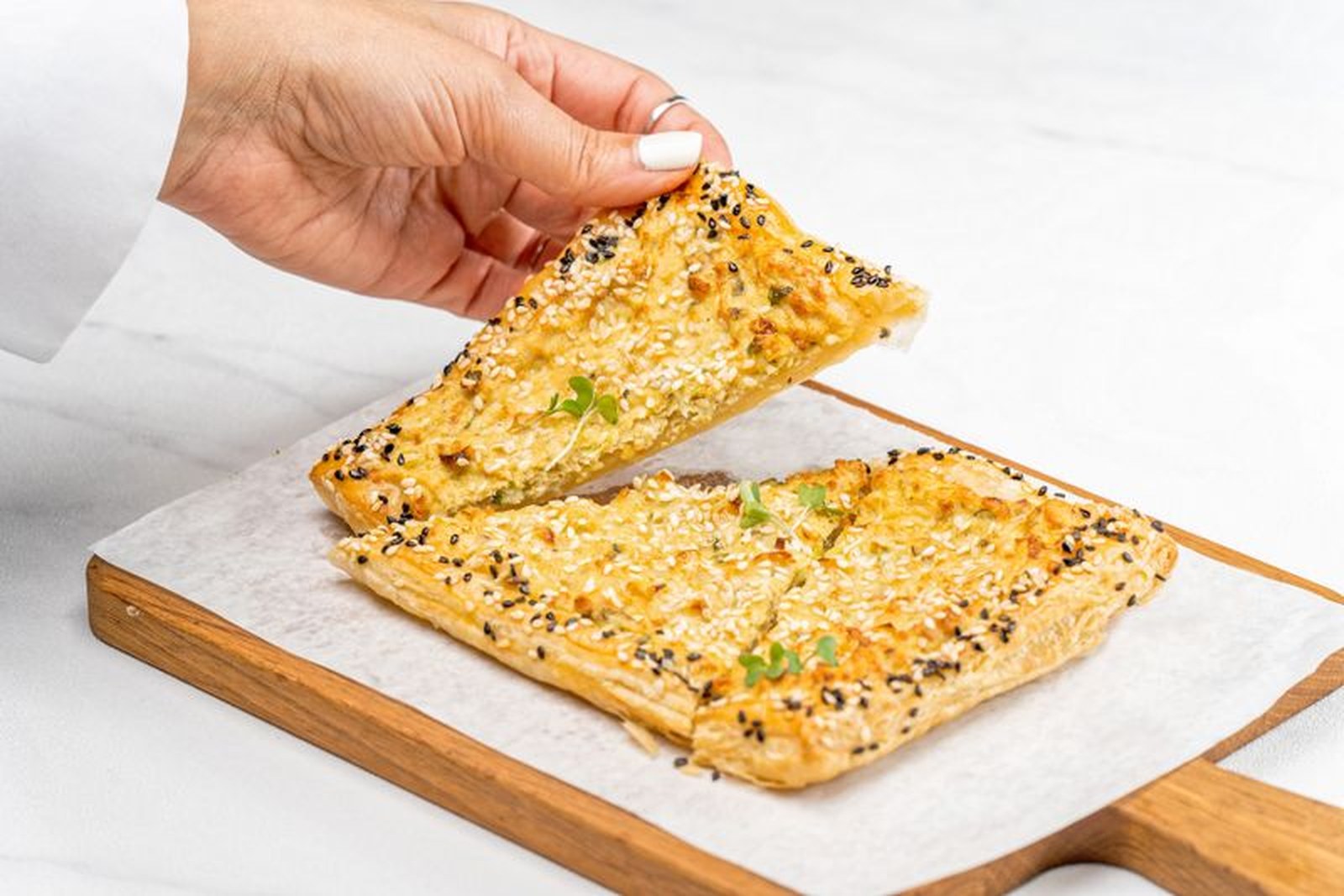
The filling is the easy half and the reason people who do not eat sweets still come. The base is white sugar, sesame oil, 冬瓜蓉 dōngguāróng candied winter melon paste and 金桔粒 jīnjú lì diced candied kumquat, and into that a maker may add ham, osmanthus, rose or date paste. The sweet-savoury options are what make the argument: cured ham against the cold oil of the sesame, and the perfumed floral ones against the sugar, which in a place where the river brings fish up and the hills bring chillies, reads as local rather than borrowed. The sesame is not decoration. It is a structural layer that goes on last, pressed onto the outside of the dough in a bamboo tray, and it is what the sound of the cake is made of when you break it.
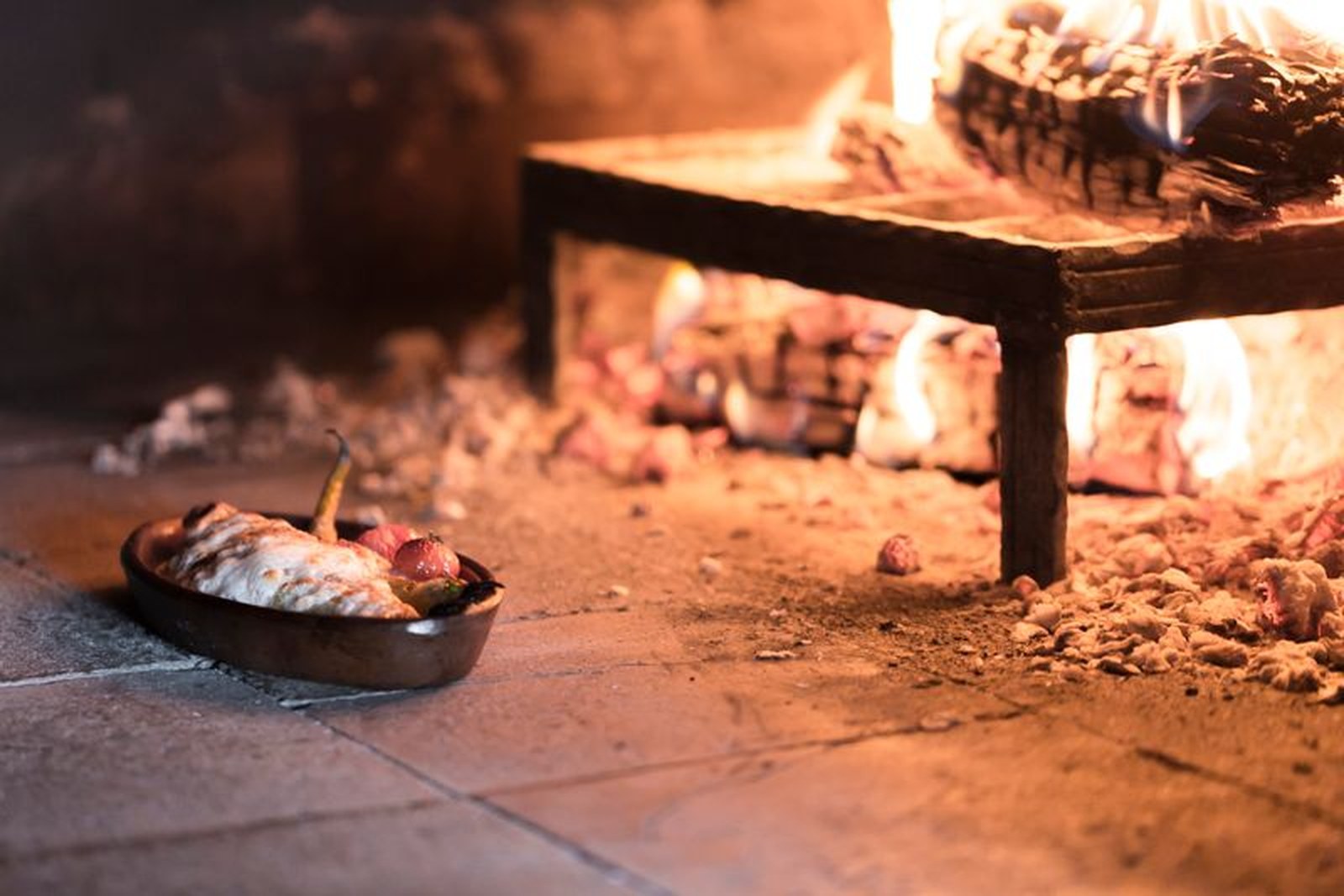
The craft is taught as twelve named steps, and the sequence is a production line rather than a recipe. 洗麻榨油 Xǐ Má Zhá Yóu, wash the sesame and press out the oil; 熬糖制浆 Áo Táng Zhì Jiāng, boil the sugar into syrup; 精选仁料 Jīngxuǎn Rénliào, sort the kernels and pickings; 剁料碎麻 Duò Liào Suì Má, chop and crush the mix; 配料揉馅 Pèiliào Róu Xiàn, weigh it out and knead the filling; 揉面制饼 Róu Miàn Zhì Bǐng, knead the dough and form the cakes; 分团包馅 Fēn Tuán Bāo Xiàn, divide, roll and enclose; 抻饼滚型 Chēn Bǐng Gǔn Xíng, stretch the cake and roll its shape; 竹扁上麻 Zhú Biǎn Shàng Má, lay it on the bamboo tray and apply the sesame; 抖饼换面 Dǒu Bǐng Huàn Miàn, shake the cake and turn it; 拗锅炭烤 Àoguō Tàn Kǎo, bake it in the inverted pot over charcoal; 察色出锅 Chá Sè Chū Guō, watch the colour and take it out. The 香 qiāng of the winter melon and kumquat is what makes a sweet cake taste like a Chongqing one, and the 麻 sesame is the point at the front door: you can smell the difference from the far end of the lane.
Words and Names
土沱镇 Tǔtuó Zhèn Tutao town, the pastry’s home town on the lower Jialing, one of the eleven towns the former 渝北区 Yubei District governed before the 7 November 2025 reorganisation and now inside Liangjiang New Area. 土沱麻饼 Tutao sesame pastry, also 拗锅酥皮麻饼 inverted-pot or 吊锅酥皮麻饼 suspended-pot crispy sesame cake, Chongqing municipal intangible heritage since 2014, generally dated to the 1920s. 振江斋馆 Zhènjiāng Zhāiguǎn the Zhenjiangzhai shop opened on Tutao old street by 陈国恩 Chén Guó’ēn Chen Guoen; the third-generation inheritor is 李程 Lǐ Chéng Li Cheng. 冬瓜蓉 candied winter melon paste, 金桔粒 diced candied kumquat, 芝麻油 sesame oil, with 桂花 osmanthus and 火腿 ham as the extendable additions. 一回水沱 the Jialing backwater where the river doubles back.
What the Locals Know
The bakery’s regulars judge by four things, none of them the recipe. They look at the sesame, which should be an even, complete layer with no bald patches where the tray showed through. They look at the crust colour, because 察色出锅 is a decision made in about a minute and it is irreversible: a cake taken too early is pale and chewy, one taken a moment later is dark and hard, and the difference between those two outcomes is the whole margin the maker works in. They break one open and look at the cross-section, where the layers of filling and dough should be visible as separate bands rather than a single homogeneous slab, which is what happens when the syrup was too thin to bind. And they eat it warm, standing at the counter, which is the only way it is meant to be eaten.
flowcloud would say that Tutao sesame pastry is a road food that had to have a kiln invented for it – twelve named steps from washing the sesame and pressing out its oil through to watching the colour at the pan, a filling of white sugar, sesame oil, candied winter melon and candied kumquat that takes ham, osmanthus, rose or date paste if the maker wants it to, and a bake in which the dough sits in a flat pan under a second pan inverted over it, the two closed into a sealed clay-lined dome so the pastry takes one yin flame and one yang flame at once. It came out of a ferry backwater on the lower Jialing in the 1920s, was opened as 振江斋馆 by 陈国恩, and its third generation is 李程; it has been on the Chongqing municipal intangible-heritage list since 2014, and since 7 November 2025 its township is inside Liangjiang New Area. All checked October 2026.
Where to find it: the Tutao sesame pastry shops on and off Tutao old street, 土沱镇 Tǔtuó Zhèn Tutao town, in the part of the former 渝北区 Yubei District that is now Liangjiang New Area, on the Jiangchang trunk road north of Chongqing and a short walk from the ferry landing on the Jialing backwater. The ovens are the guide: look for a low brick hearth with a sealed clay-lined dome on the floor, because a shop that sells the pastry without the dome is not the craft. The cakes are eaten warm, standing, and they travel badly, which is why nobody on this road tries. The shop burns when the fire is lit, which is the morning and the afternoon rather than a posted schedule, so treat any specific time as unreliable. No prices are quoted.