
The Northern Wholesale Town That Flavors China’s Snack Aisles: Wangkou Fried Nuts
一街炉火炒天下,瓜子花生香出巷 Yī jiē lúhuǒ chǎo tiānxià, guāzǐ huāshēng xiāng chū xiàng – One street of roasting fires works for the whole country; melon-seed and peanut perfume leaves the lane
王口炒货 Wángkǒu chǎohuò fries and roasts its way through China’s snack aisles – a northern wholesale hub in 天津市静海区 Tiānjīn Shì Jìnghǎi Qū Jinghai District where melon seeds, peanuts and nuts tumble in drum roasters flavored by salt, anise and tea leaves. The workshop streets perfume the air before you see a signboard, and the town’s brands ride the country’s trains and snack shelves from here.
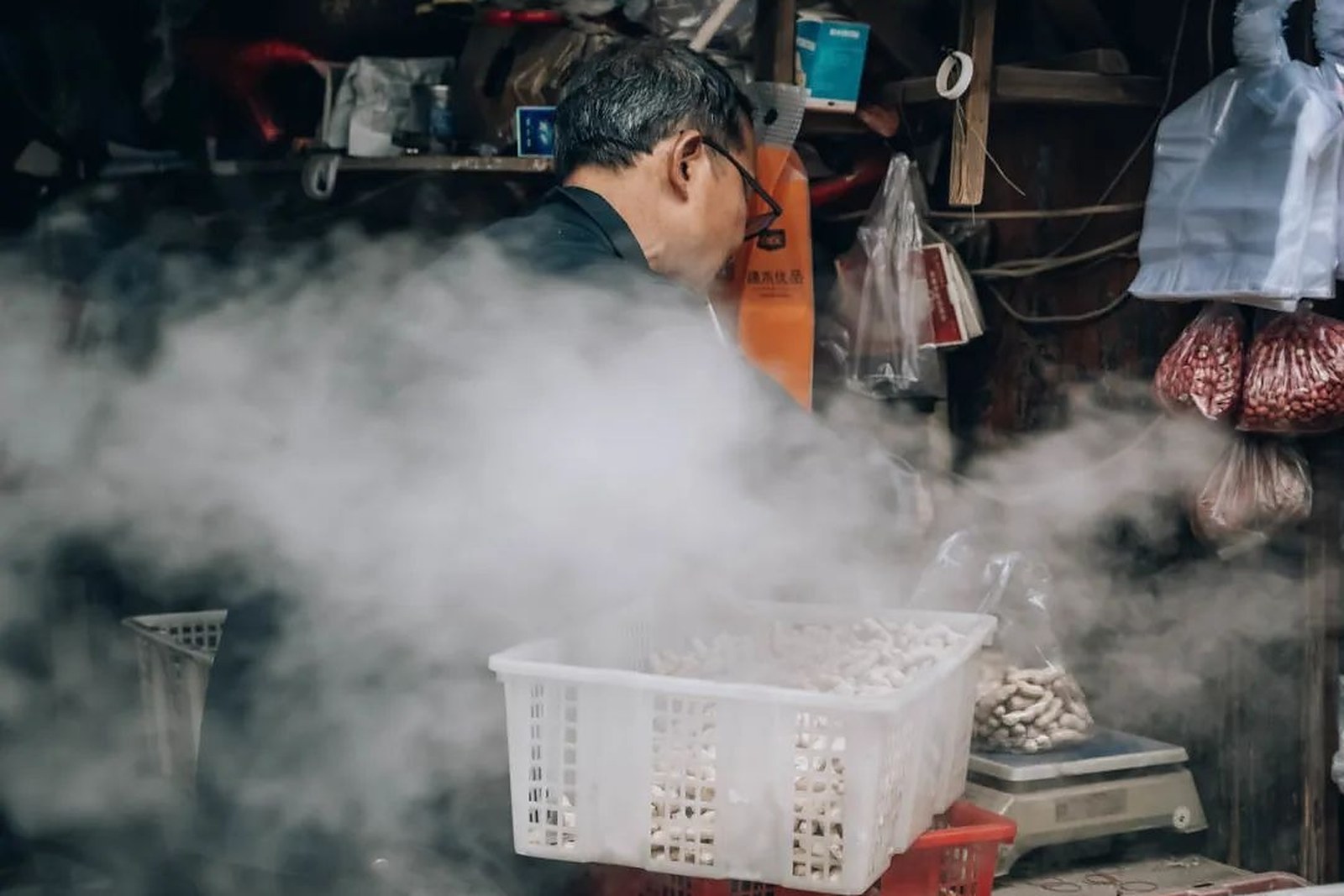
The roasting quarter is the show – drum roasters turning amber loads, salt-and-anise baths for the seeds, tea-smoke batches for the premium nuts. Workers rake the cooling trays and the perfume drives the queue. The wholesale yards behind load the day’s sacks onto trucks for the night runs.
The craft runs in families. Each workshop keeps its own spice recipe – the salt roast for the classic melon seeds, the five-spice for the peanuts, the caramel glaze for the festival tins. The drum masters judge by sound and smell, and the batches cool on wide trays before the sifting tables grade them.
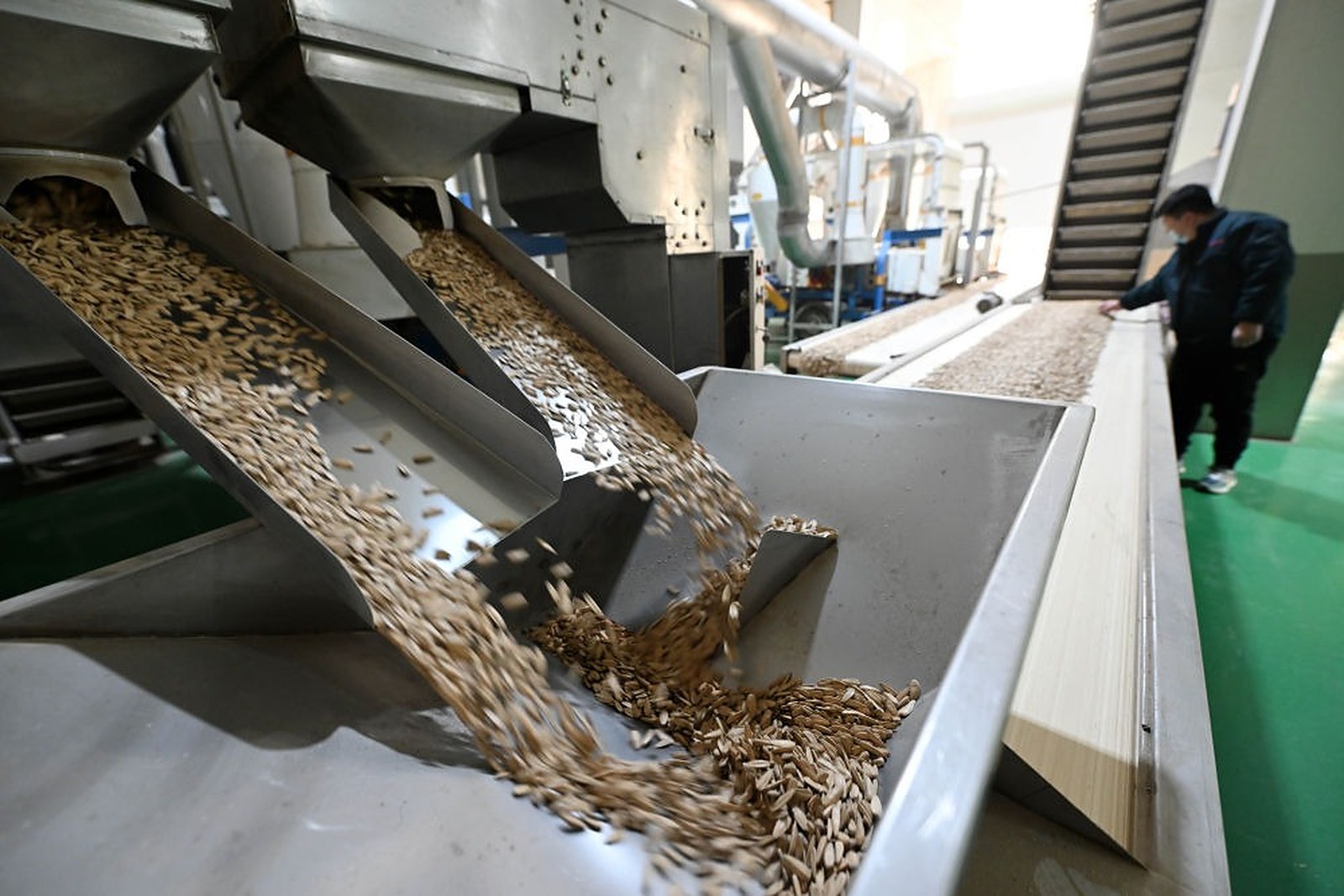
The buying is the point of the drive. The wholesale lanes sell retail at yard prices – paper sacks of still-warm seeds, mixed-nut tins for the New Year table, and the dried-fruit rows that share the sheds. Festival weeks stack the trucks; ordinary Tuesdays let you watch the drums turn.
The same district holds more flavors worth chasing: 独流老醋 Dúliú lǎo cù the canal-town aged vinegar, 金丝小枣 jīnsī xiǎozǎo the golden-thread jujubes, 台头西瓜 Táitóu xīguā the geographic-indication watermelon, or 独流焖鱼 Dúliú mènyú the braised canal fish – four more doors into the same Jinghai District table.
Words and Names
炒货 chǎohuò roasted nuts and seeds, the town’s trade; 瓜子 guāzǐ melon seeds, the classic roast; 盐焗 yán jú the salt-roast method; 五香 wǔxiāng the five-spice peanut bath; 大铁锅 dà tiěguō the great iron woks of the old workshops.
What the Locals Know
The yard lanes beat the brand shops on price and freshness – the same roasts, one hand closer to the drum. Locals buy the salt-roast seeds loose and store them in tins; plastic bags sweat the crisp away overnight. The tea-smoke batches are seasonal – ask which workshop ran the last one. All checked November 2026.
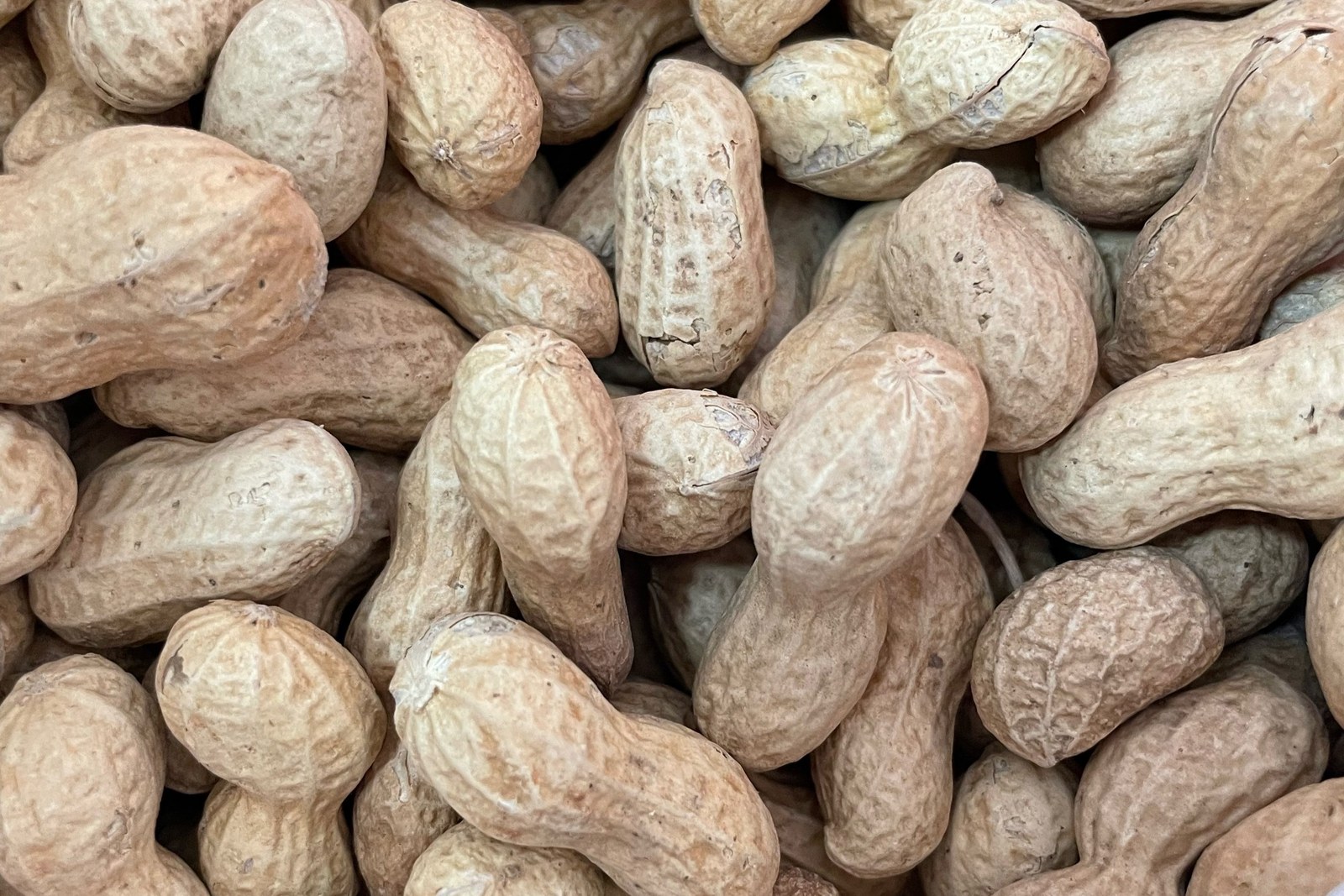
flowcloud would say Wangkou is China’s pantry street: drums turning at dawn, perfume for a town motto, and sacks that ride the night rails to every snack shelf.
Where to find it: The workshop lanes around the wholesale yards sell direct, the town’s brand shops front the main road with the full tin range, and the district’s dry-goods markets carry the standard sacks year-round. All checked November 2026.