
万山群岛 Wànshān Qúndǎo, the Wanshan Archipelago, lies in the 伶仃洋 Língdīngyáng Lingdingyang, the wide mouth of the Pearl River, and out past it in open water the city of 珠海市 Zhūhǎi Shì Zhuhai administers a marine zone of some 4,567 square kilometres holding 147 islands. Zhuhai is a prefecture-level city in Guangdong Province, on the western bank of the Pearl River estuary, and the only mainland Chinese city connected by land to both Hong Kong, China and Macao, China. The zone, the 万山海洋开发试验区 Wànshān Hǎiyáng Kāifā Shìyànqū Wanshan Marine Development Experimental Zone, holds the 万山渔场 Wànshān Yúchǎng Wanshan fishing ground and two national-level marine-ranch demonstration zones, Wanshan and 外伶仃 Wàilíngdīng Wailingding, and the trade’s old name for this water is a granary of the South China Sea. The islands named in the official accounts include 大万山岛 Dàwànshān Dǎo Dawanshan, 外伶仃岛 Wàilíngdīng Dǎo Wailingding, 东澳岛 Dōng’ào Dǎo Dong’ao, 桂山岛 Guìshān Dǎo Guishan, 庙湾岛 Miàowān Dǎo Miaowan and 担杆岛 Dāngān Dǎo Dangan.
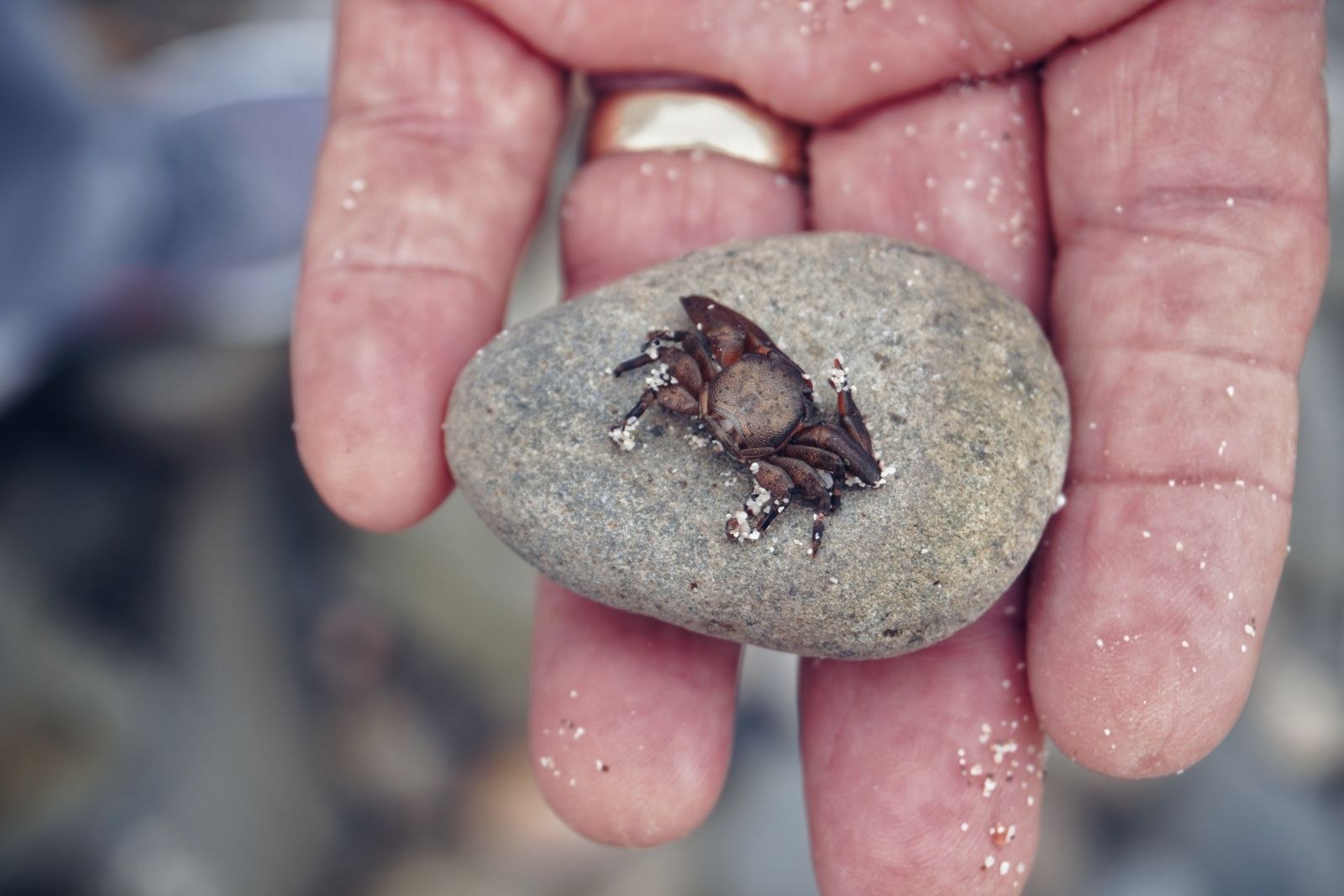
Half of what reaches a Wanshan table is taken by hand off the rocks, and it runs to a short list of names. 外伶仃三宝 Wàilíngdīng sān bǎo, the three treasures of Wailingding, are 海胆 hǎidǎn, the sea urchin; 狗爪螺 gǒuzhuǎluó, the goose barnacle, so called for its clawed shape; and 将军帽 jiāngjūnmào, the “general’s cap”, a limpet that clamps to the rock. To those the island adds 伶仃野生紫菜 Língdīng yěshēng zǐcài, a wild laver the local accounts call a treasure of the seabed. 东澳岛 Dōng’ào Dǎo Dong’ao is known for 石斑 shíbān, grouper, and for 苦螺 kǔluó, a small bitter rock snail. The zone sums the place up as clear water, fine sand and strange rocks, and the phrase is fair: these shellfish live on the same reefs the visitors walk, they are taken one at a time with a hook or a knife rather than by trawl, and they have a season. The sea urchin especially is a catch of certain months and not a year-round commodity, so a plate of them in the wrong month is a plate from somewhere else. No official source gives a scientific name for the local names here, so none is invented, and these remain reef names rather than species names.
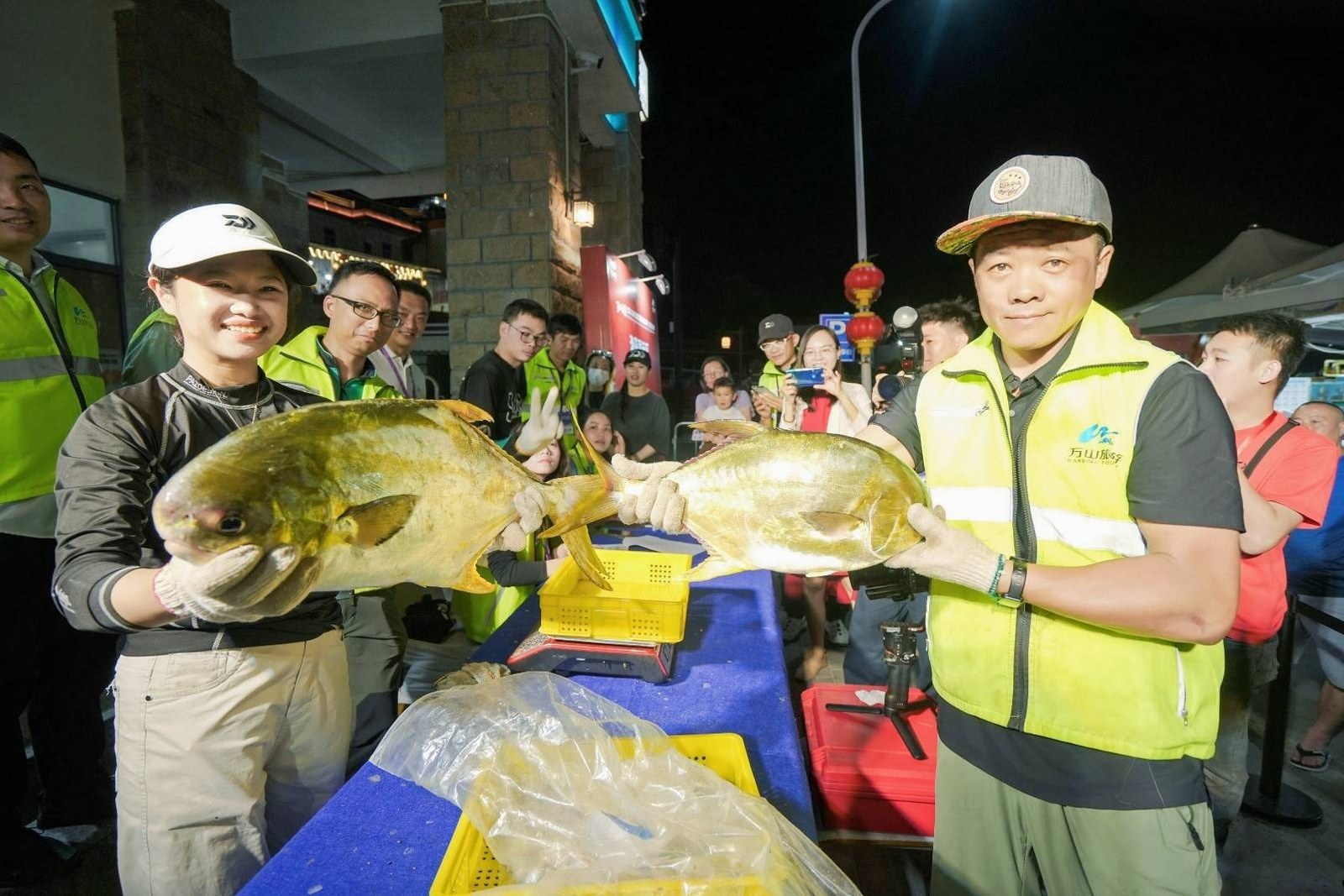
The other half of the table is grown, and it is grown further out than most marine farming in China. By the end of 2025 the zone had brought into service roughly six farming platforms, the second most of any district in Guangdong, and roughly 455 gravity cages, the third most in the province. The figure in the trade is 伶仃牧场1号 Língdīng Mùchǎng Yī Hào, Lingding Ranch No.1, a truss-type smart cage that is the core of the country’s first model zone for a “standard sea” modern marine ranch; it raises and lowers itself with the weather, feeds itself, watches itself with a monitoring system, runs unattended and carbon-free, and is rated to produce more than 2,500 tonnes of fish a year. What the platforms raise is a short list of fish: 金鲳鱼 jīnchāngyú, golden pomfret, is the lead species, and 海鲈 sea bass, 巴浪鱼 bālàngyú round scad, 石斑 grouper and 章红鱼 zhānghóngyú amberjack fill out the rest. By the end of 2025 the zone’s deep-sea farming volume had reached about 1.282 million cubic metres of water.
The production figures belong to their years and are kept apart. In 2025 the zone’s fishery output was 22,400 tonnes, up 5.4 per cent, of which marine aquaculture accounted for 16,900 tonnes, up 7.0 per cent, and fishery value was 563 million yuan, up 5.8 per cent. In 2024 the same zone reported 21,200 tonnes and 625 million yuan, up 10.64 per cent. Those are two different years and not two readings of one, and they are printed here as a sequence; a fall in value against a rise in tonnage is a fact about prices and not a contradiction. The zone’s brands have kept pace with its cages. In December 2025 Wanshan golden pomfret passed the Bay Area Certification, a regional standard for the Greater Bay Area, having earlier entered the national list of famous, special and excellent new agricultural products; in September 2025 Lingding golden pomfret and Lingding sea bass were named among the modern marine-ranch regional brands of Guangdong Fresh Goods; and in February 2026 the city launched Zhuhai Lingxian as its own regional public brand. The islands’ tourism is now part of the same story: in 2025 they received 1.776 million visitors, up 8.54 per cent, for about 1.044 billion yuan of tourism revenue, with a single-day record above ten thousand and Guishan Island rated a 4A scenic area; on Wailingding nine leading restaurants worked up about thirty sea-urchin dishes, which lifted the time a guest spends at the table from forty minutes to an hour and a half and traffic about ten per cent.
The difference from the Dapeng sea urchin, written up elsewhere on this site, is one of scale and range: Dapeng’s page is a single species in a single season, while Wanshan is an archipelago whose two national marine-ranch demonstration zones put hand-taken reef shellfish and cage-grown fish on the same table, with about 1.282 million cubic metres of deep-sea farming volume in its waters at the end of 2025. The supports Zhuhai holds on the food map are the brackish estuarine fishery at the western mouth of the Pearl River, the two national geographical indications the city carries, Baijiao sea bass and the yellowfin seabream of Jinwan District, the deep-sea marine ranches of the Wanshan Archipelago, and the port-side eating life next to Macao, China; this page is the third of them.
Words and Names
万山群岛 Wànshān Qúndǎo is the Wanshan Archipelago and 伶仃洋 Língdīngyáng the Lingdingyang, the wide mouth of the Pearl River; 万山海洋开发试验区 Wànshān Hǎiyáng Kāifā Shìyànqū is the Wanshan Marine Development Experimental Zone, which holds 万山渔场 Wànshān Yúchǎng, the Wanshan fishing ground. 外伶仃岛 Wàilíngdīng Dǎo is Wailingding Island, 东澳岛 Dōng’ào Dǎo Dong’ao Island and 桂山岛 Guìshān Dǎo Guishan Island. 金鲳鱼 jīnchāngyú is golden pomfret, 石斑 shíbān grouper and 章红鱼 zhānghóngyú amberjack; 海胆 hǎidǎn is the sea urchin, 狗爪螺 gǒuzhuǎluó the goose barnacle and 将军帽 jiāngjūnmào the general’s cap limpet. 海洋牧场示范区 hǎiyáng mùchǎng shìfànqū is a marine-ranch demonstration zone. The site’s Dapeng sea-urchin page keeps its single species and its single season; this page keeps an archipelago.
What the Locals Know
The archipelago is reached only by sea, and the timetable is the gate. Ferries run from Xiangzhou and Jiuzhou ports on the Zhuhai shore to the main islands, and the fare changes with the class of the berth and with the season, so no fixed ticket is printed here and any figure read online on a 2026-10 snapshot is the day’s rather than the year’s. Go for the reef shellfish in their months and not out of them, because the urchin and the barnacle are taken by hand and are not always there; eat the farmed fish, which is what the cages are for, and ask for it steamed or plainly boiled, since both the wild and the grown fish here are judged on how little is done to them. The island restaurants are simple places on the quay, and the market price moves with the catch.
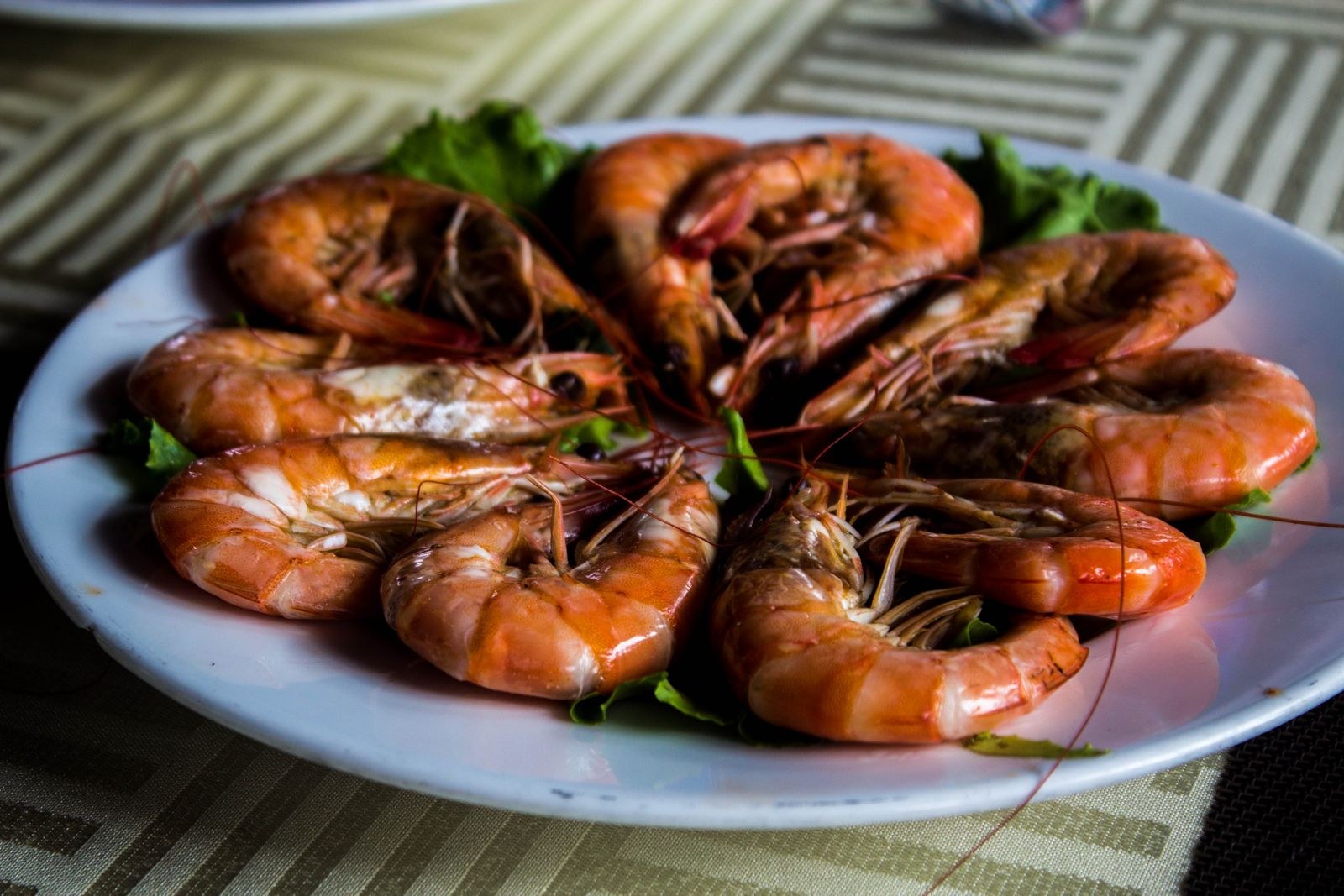
A day that makes sense of the page moves from the reef to the cage and back again. The morning on the rocks at Wailingding for the urchin and the barnacle, the afternoon on the water past the cages and the truss platform, which work the reef and the farm into one view, and the evening over a table of steamed grouper, blanched prawns and congee, with a bowl of steamed sea-urchin egg if the season allows. What the record refuses is stated plainly: no output or value for any single species of fish, since only the whole-zone totals are published; no fare, no per-head price and no ferry schedule given as fixed; no cost or technical specification for the platforms; no scientific name for the reef shellfish; and no claim that the sea urchin is available all year. Wailingding lies near the waters of Hong Kong, China, and that is said here as geography and nothing more, with no border language, no dispute and no outside source.
flowcloud would say that the Wanshan Archipelago is the granary of the South China Sea the trade calls it, an archipelago of 147 islands inside some 4,567 square kilometres of water holding two national-level marine-ranch demonstration zones, Wanshan and Wailingding, where hand-taken sea urchin, goose barnacle and general’s cap limpet come off the reefs and cage-grown golden pomfret, grouper and amberjack come out of deep water, with 22,400 tonnes and 563 million yuan of fishery output in 2025 and about 1.282 million cubic metres of deep-sea farming volume by the year’s end.
Where to find it: the island quays and restaurants of 外伶仃岛 Wàilíngdīng Dǎo Wailingding Island, 东澳岛 Dōng’ào Dǎo Dong’ao Island and 桂山岛 Guìshān Dǎo Guishan Island, and the reef waters and cage grounds of the 万山海洋开发试验区 Wànshān Hǎiyáng Kāifā Shìyànqū Wanshan Marine Development Experimental Zone, in 珠海市 Zhūhǎi Shì Zhuhai, Guangdong Province, reached by ferry from the Zhuhai shore; the reef shellfish are seasonal and hand-taken, the farmed fish is steamed or plainly boiled, ferry fares and restaurant prices move with class and season on a 2026-10 snapshot that fluctuates, and the 2024 and 2025 fishery figures are given with their separate years and are never presented as one number.