
Sanqi Stewed Chicken: The Notoginseng Broth of the Wenshan Highlands
三七微苦带回甘,一盅鸡汤慢慢香。Sānqī wēikǔ dài huígān, yī zhōng jītāng mànmàn xiāng – Notoginseng, faintly bitter with a sweet return; one cup of chicken broth, slowly fragrant.
三七炖鸡 sānqī dùnjī sanqi stewed chicken is the 药膳 yàoshàn medicinal chicken soup of 文山州 Wénshān zhōu Wenshan Prefecture, and it could hardly belong anywhere else: the prefecture is China’s principal producing region of 三七 sānqī notoginseng – also called 田七 tiánqī – the ginseng-family medicinal root that stacks in the herb shops of 文山市 Wénshān Shì Wenshan City and anchors the local pharmacy trade. The dish is plain at heart: a local 土鸡 tǔjī free-range chicken, 斩件 zhǎn jiàn chopped, stewed slowly with slices of the root – or with 三七粉 sānqī fěn notoginseng powder stirred in near the end, or with 三七花 sānqī huā the flower for a lighter, tea-fragrant broth – until the 汤 tāng comes out pale gold, faintly bitter, with a soft 土腥 tǔxīng earthy edge at the back of the tongue and then a clean 回甘 huígān sweetness on the way down. The honest fact-density is that the bitterness is the signature, not a flaw: the root is a genuine medicinal crop with official pharmacopoeia standing, and the menu patter – 活血 huóxuè invigorating the blood, 补 bǔ tonifying the body – is the standard 药膳 yàoshàn talk, which a careful writer reports as tradition rather than prescription (worth confirming any specific health claim before repeating it; the bitter-earth edge divides tables, and half the room drinks to the last drop while the other half leaves the broth untouched).
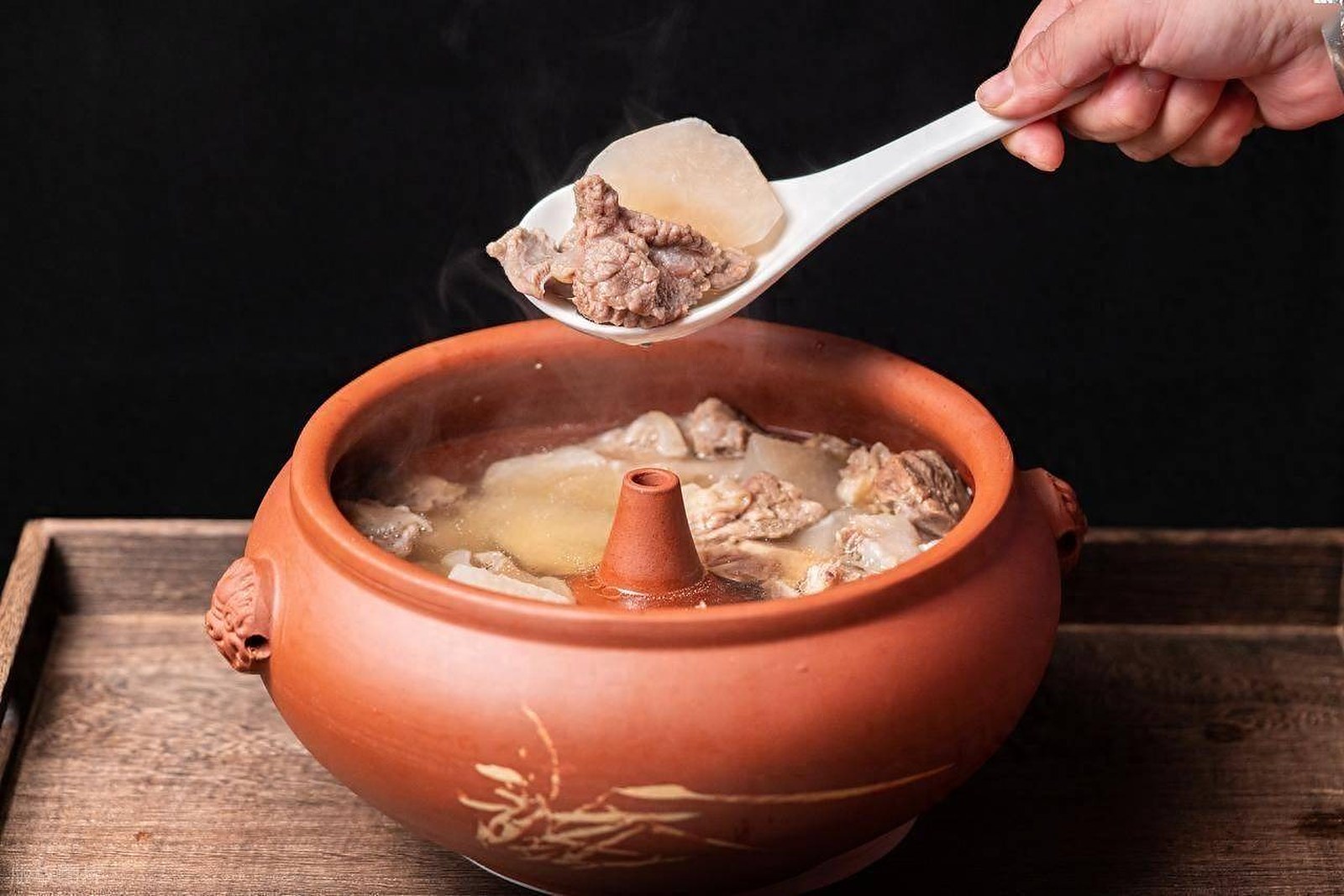
The honest grade is where and what you pay. The dish lives at 药膳 yàoshàn medicinal-food kitchens and ordinary 馆子 guǎnzǐ across 文山市 Wénshān Shì Wenshan City and the growing county towns – 砚山县 Yànshān Xiàn Yanshan and 丘北县 Qiūběi Xiàn Qiubei among them – usually as a small pot for two or three at roughly 60-150 yuan depending on the bird and how much root goes in (worth confirming – the price tracks genuine 土鸡 tǔjī free-range, root age, and whether the kitchen stews to order or pours from a stockpot). A steam-pot version, 三七汽锅鸡 sānqī qìguō jī, where the broth condenses drop by drop in a clay pot over steam, is the slower and finer read of the same pairing when a kitchen offers it. The honest warning is the shortcut: a broth with no bitterness at all is chicken soup wearing the name, so taste before you pay the medicinal premium (worth confirming the pot is stewed with real root, not powdered seasoning).
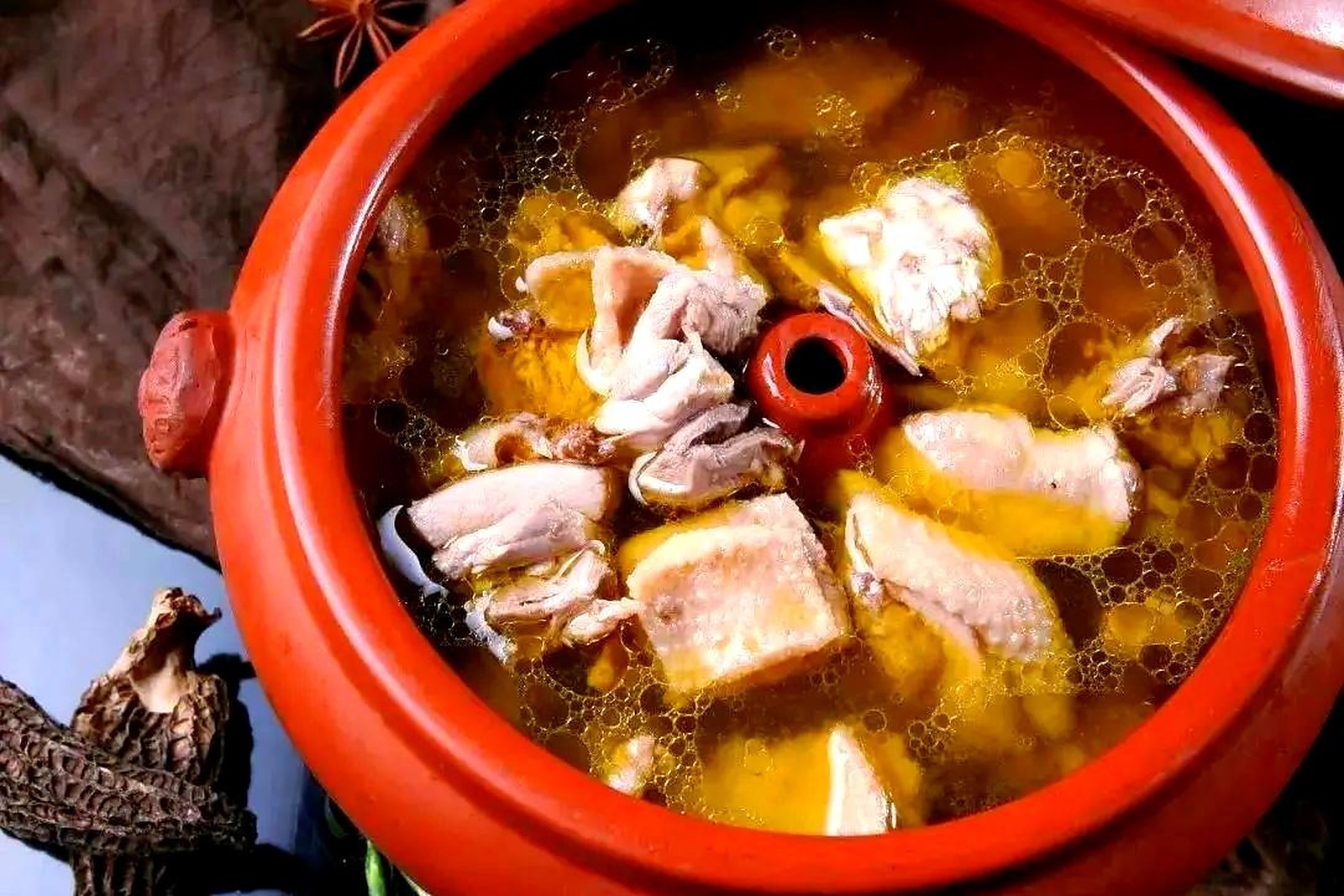
The wry truth is that 三七炖鸡 sānqī dùnjī is over-rated as a cure and under-rated as a soup: judged as medicine it collects either faith or eye-rolling, and both miss the point – it is a very good, quietly bitter chicken broth from a prefecture that genuinely grows the root, and the honest grade is to eat it as dinner first and hear the health talk as half lore, half marketing (worth confirming; anyone on blood-thinning medication should think before finishing a whole pot, because notoginseng is a real drug, not a flavour). The season is clear: this is a 冬 dōng winter pot, when the bitter-sweet warmth lands hardest and the new root reaches the market; a summer table ordering it as one dish among ten has misread the weather. The honest test is the finish – clean bitterness, earthy depth, a sweet return, and meat that peels off the bone; a greasy, salty, fully sweet pot is seasoning doing the root’s job.
The self-deprecating footnote: a food writer will recite the tonifying lore to a table that stopped listening, wince publicly at the first earthy spoonful, defend the bitterness as terroir, and then buy half a kilo of root at the herb market on the way out as if it were souvenir tea – which is the honest grade: 三七炖鸡 sānqī dùnjī is a dish you order for your health and finish for the taste, and the writer who mocked the pharmacy street is the one carrying root home.
Words and Names
三七炖鸡 Sānqī Dùnjī sanqi stewed chicken · 三七 Sānqī notoginseng (also called 田七 tiánqī) · 药膳 Yàoshàn medicinal food · 三七花 Sānqī Huā notoginseng flower · 回甘 Huígān returning sweetness after bitterness · 文山壮族苗族自治州 Wénshān Zhuàngzú Miáozú Zìzhìzhōu Wenshan Zhuang and Miao Autonomous Prefecture
What the Locals Know
- The bitterness is the tell: a real 三七 sānqī broth runs 微苦回甘 wēikǔ huígān faintly bitter then sweet – a fully sweet herbal pot is seasoning, not root (worth confirming the details).
- Hear the health talk half: the tonifying claims are menu lore – eat it first as a good bitter chicken soup, and anyone on blood-thinning medication should ask before finishing a pot (worth confirming the details).
- Winter is the honest season: save the pot for 冬 dōng, and if a kitchen offers the 三七汽锅鸡 sānqī qìguō jī steam-pot version, that slower condensation is the finer read of the same root.
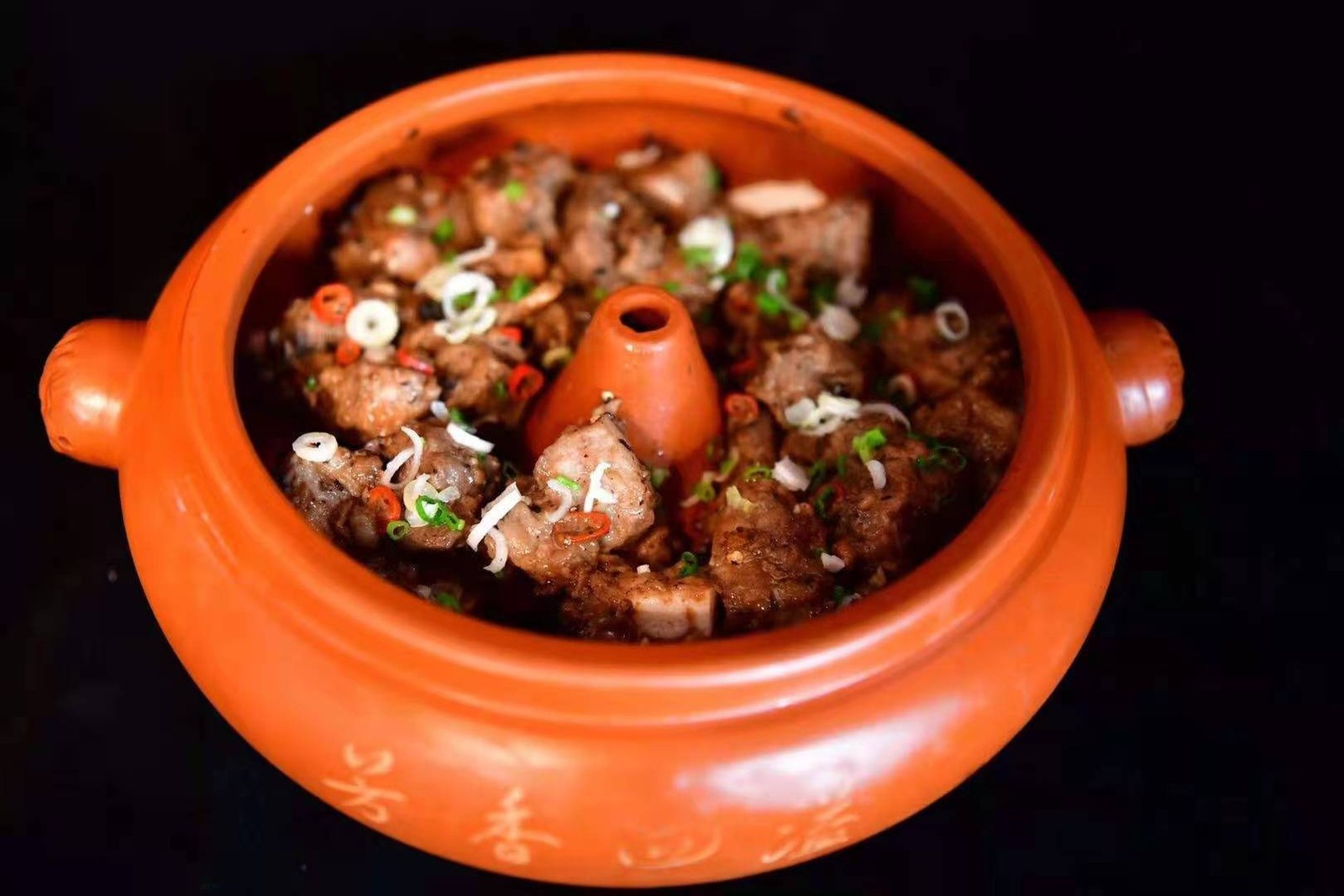
flowcloud would say that the 三七炖鸡 sānqī dùnjī is 文山州 wénshān zhōu’s 药膳 yàoshàn broth – 土鸡 tǔjī stewed slow with 三七 sānqī root, powder or flower until the 汤 tāng runs faintly bitter, faintly earthy and 回甘 huígān sweet – and that the honest move is to drink it as a winter chicken soup first, take the health talk as half lore, and judge the pot by its clean bitterness, because the root is the crop and the claims are extra. All checked October 2026.
Where to find it: 文山市 Wénshān Shì and the county towns’ 药膳 yàoshàn kitchens and 馆子 guǎnzǐ – a small pot about 60-150 yuan (worth confirming the details); order ahead, drink it in winter, and verify the bitterness is the root and not a costume. Sanqi stewed chicken is the notoginseng broth of the Wenshan highlands, dinner before doctrine. All checked October 2026.