
野生菌火锅 Yěshēngjùn Huǒguō Wild Mushroom Hotpot is the summer prize – a hotpot of 鸡枞 jīcōng termite mushroom, 松茸 sōngróng matsutake, 牛肝菌 niúgānjùn boletus and 干巴菌 gānbājùn dried-scented mushroom in a 土鸡 tǔjī free-range chicken or ham broth, the rain-fed feast from June to October. The pot is the reason Yunnan’s forest matters to the table, and what a visitor actually eats is the umami: each mushroom its own character, the 干巴菌 gānbājùn with a beef-like scent the sources call uniquely Yunnan. The honest shape is that this is a season, not a soup, and the month is the whole point.
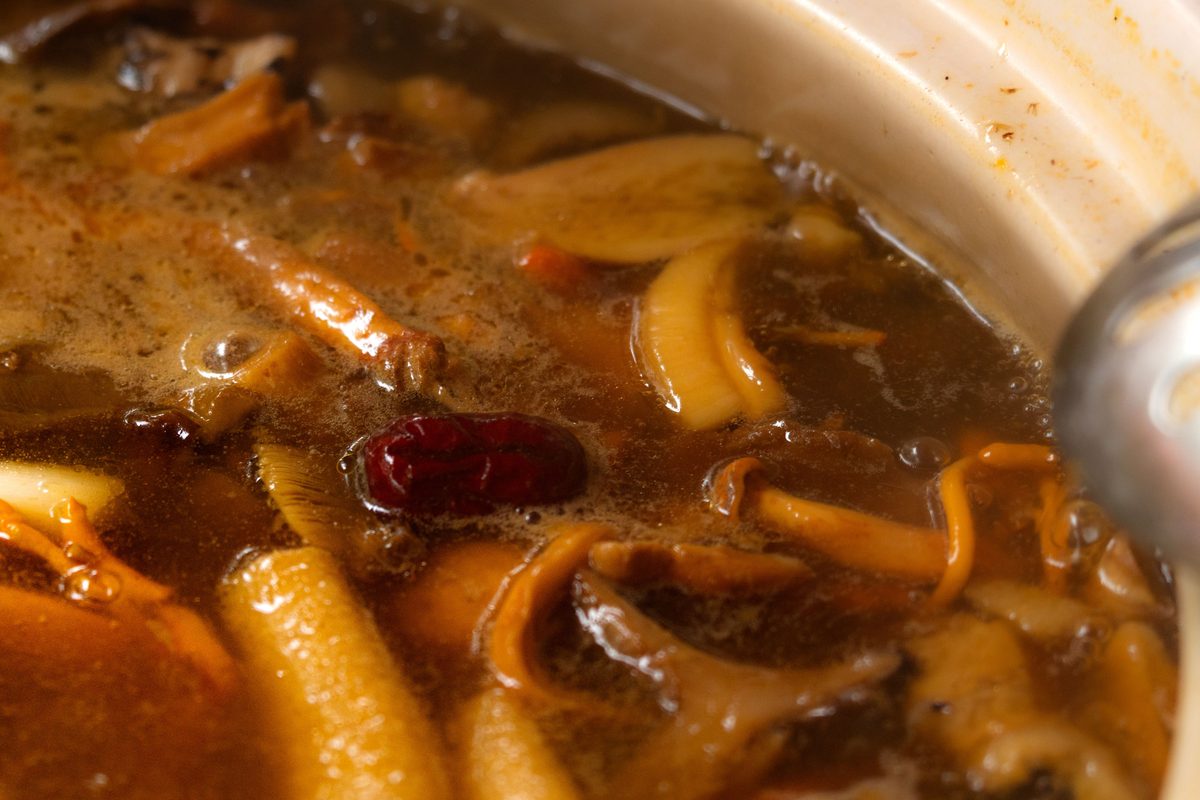
What the eater actually waits for is the boil, and the boil is the safety rule. The mushrooms go into the broth and cook some 20 minutes until the server confirms they are done, a check the guides state as non-negotiable because wild fungi must be fully cooked, and the 干巴菌 gānbājùn dried-scented and the 牛肝菌 niúgānjùn boletus are the named risks if rushed. The broth is 土鸡 tǔjī chicken or 宣威火腿 Xuānwēi huǒtuǐ Xuanwei ham, and the pot is the shared centre the table gathers around, a range the sources cite as 80 to 150 yuan a head in season. No source publishes a free pot, so treat the seasonal bowl as the tariff for the proper boil.
The season is the second thing to know, and it is stated plainly. The feast runs June to October with the rain, a window the guides cite as the city’s limit rather than a suggestion, and the 菌彩 Jùncǎi Juncai and 菌缘 Jùnyuán Jinyuan houses are the names the sources name for the proper pot. The comparison with any farmed mushroom is exact: the wild pot is the season, and only the rain differs. The useful caveat is to eat only at a proper restaurant and wait for the server’s “done”, because the forest is the risk and the boil is the rule.
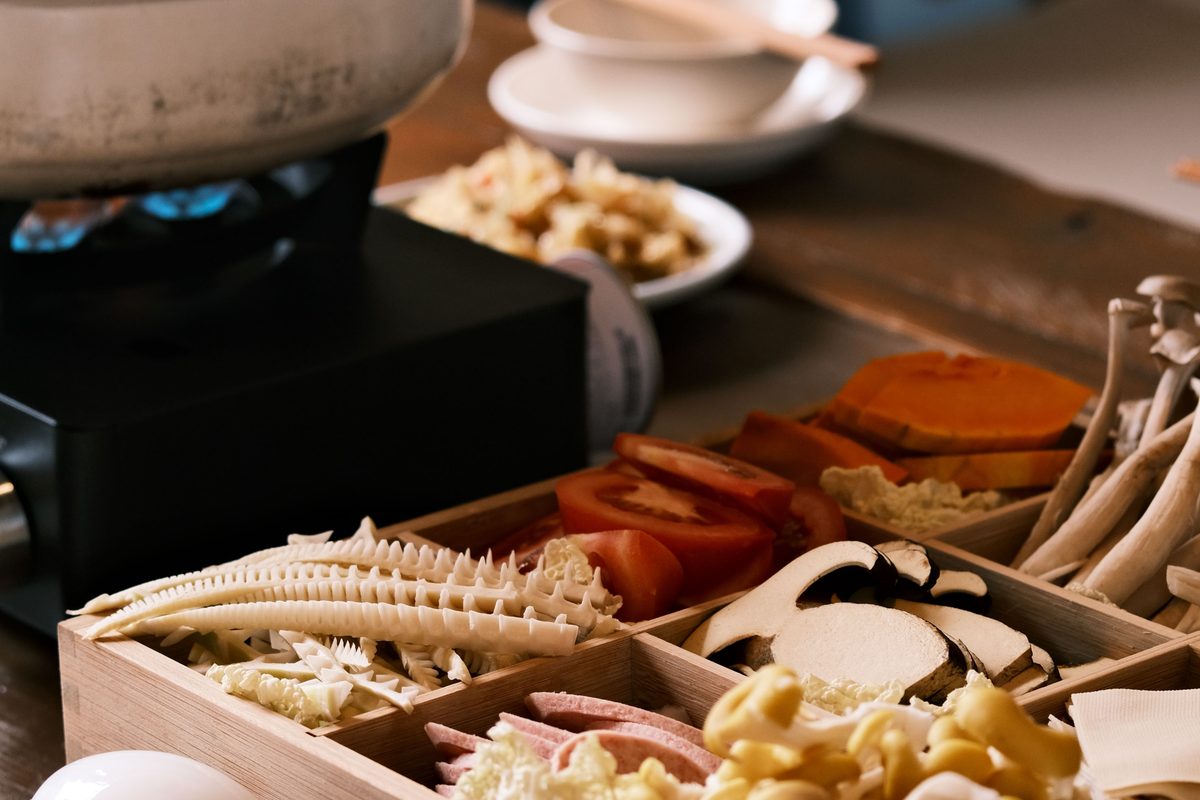
Getting it right is the part a visitor must plan, and the house is the identifier. The hotpot is a Kunming constant in the rainy months at houses 菌彩 Jùncǎi Juncai and 菌缘 Jùnyuán Jinyuan the guides name, and a first timer is told to take the chicken-broth pot and wait the full 20 minutes. The pot is served June to October, so the only limit is the month and the restaurant, and the 鸡枞 jīcōng termite mushroom is the thing to taste, not just the broth. The honest form is that the pot is the city’s season, and the house is the address worth naming.
What the record does not give is a year-round pot, and that absence is the mushroom’s model rather than a gap. The 80-to-150-yuan seasonal bowl is the standing charge, with no published free taste and no off-season surcharge named, so the practical answer is to come in the rain and wait for the boil. The broth is the forest the rain brings, and the mushroom is the reason the pot is more than soup, which is the honest shape of the article: a rainy-season feast that is a safety rule inside.
Words and Names
野生菌火锅 Yěshēngjùn Huǒguō Wild Mushroom Hotpot, the summer prize – a hotpot of 鸡枞 jīcōng termite mushroom, 松茸 sōngróng matsutake, 牛肝菌 niúgānjùn boletus and 干巴菌 gānbājùn dried-scented mushroom in a 土鸡 tǔjī free-range chicken or 宣威火腿 Xuānwēi huǒtuǐ Xuanwei ham broth, the rain-fed feast from June to October. The mushrooms cook some 20 minutes until the server confirms done – a non-negotiable safety rule for wild fungi – and the 干巴菌 gānbājùn carries a beef-like scent the sources call uniquely Yunnan; the pot runs 80–150 yuan a head in season at houses 菌彩 Jùncǎi Juncai and 菌缘 Jùnyuán Jinyuan. No source publishes a free pot, so the seasonal bowl is the tariff.
What the Locals Know
The local knowledge about the mushroom pot is about the boil and the house, and it is the same check a Kunming regular makes whatever restaurant the pot sits in. The mushrooms must cook the full 20 minutes and the server must say done, which is the sign the wild fungi are safe and the umami is out, and a pot rushed off the heat is the risk the guides warn against. The second check is the house: a proper restaurant, not a stall, because the 干巴菌 gānbājùn and 牛肝菌 niúgānjùn are the named risks if undercooked. The trade also knows the pot is a season not a soup, which is why 菌彩 Jùncǎi and 菌缘 Jùnyuán are named here as the addresses, and a first timer should take the chicken broth and wait the full boil, not chase the off-season pot that the rain does not allow.
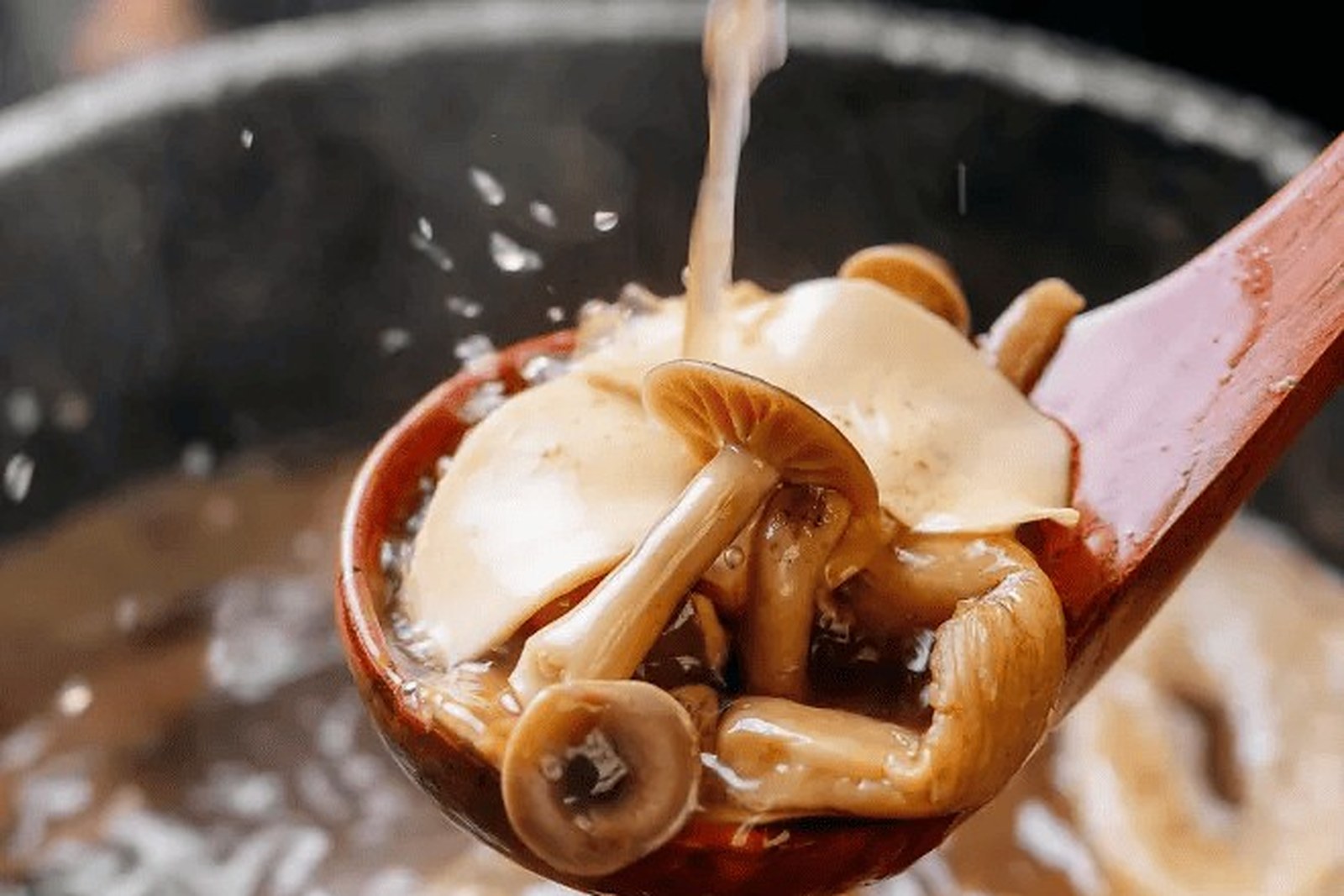
flowcloud would say that Wild Mushroom Hotpot is Yunnan’s summer prize – a June-to-October pot of termite mushroom, matsutake, boletus and dried-scented mushroom in chicken or Xuanwei-ham broth, each its own umami, the dried-scented with a beef-like scent – and that the correct way to treat it is as a season not a soup, eating only at a proper house like 菌彩 or 菌缘 and waiting the full 20-minute boil the server confirms, because the forest is the risk and the mushroom is the reason the pot is more than soup. All checked October 2026.
Where to find it: the wild mushroom hotpot is a Kunming constant only in the rainy months June–October, at houses 菌彩 Jùncǎi Juncai and 菌缘 Jùnyuán Jinyuan, a pot of 鸡枞 jīcōng termite mushroom, 松茸 sōngróng matsutake, 牛肝菌 niúgānjùn boletus and 干巴菌 gānbājùn dried-scented mushroom in 土鸡 tǔjī chicken or 宣威火腿 Xuānwēi huǒtuǐ Xuanwei-ham broth, 80–150 yuan a head, cooking 20 minutes until the server confirms done – and no source publishes a free or an off-season pot, so treat the rainy-season bowl at a proper house as the address rather than any stall that rushes the boil.