
Start with the correction, because it is the one that matters and the one people get wrong. Banan’s river is the Yangtze. Its other river is the Wubu. Banan is not in the Wujiang basin, the Wujiang runs past Fuling and Wulong, and there is no registered Wujiang-fish brand, no geographical indication and no heritage item for anything called Banan Wujiang fish anywhere in the district’s record. If a menu offers it to you under a Banan name, the name belongs to the shop and not to the district. What Banan does farm is a pair of named ecological-fishery products: 瘦身鱼 Shòu Shēn Yú slim-farmed fish, and 罗氏沼虾 the freshwater prawn Macrobrachium rosenbergii. One of the main farms is the 龙马谷 Longma Valley base in 二圣镇 Èrshèng Zhèn Ersheng Town.
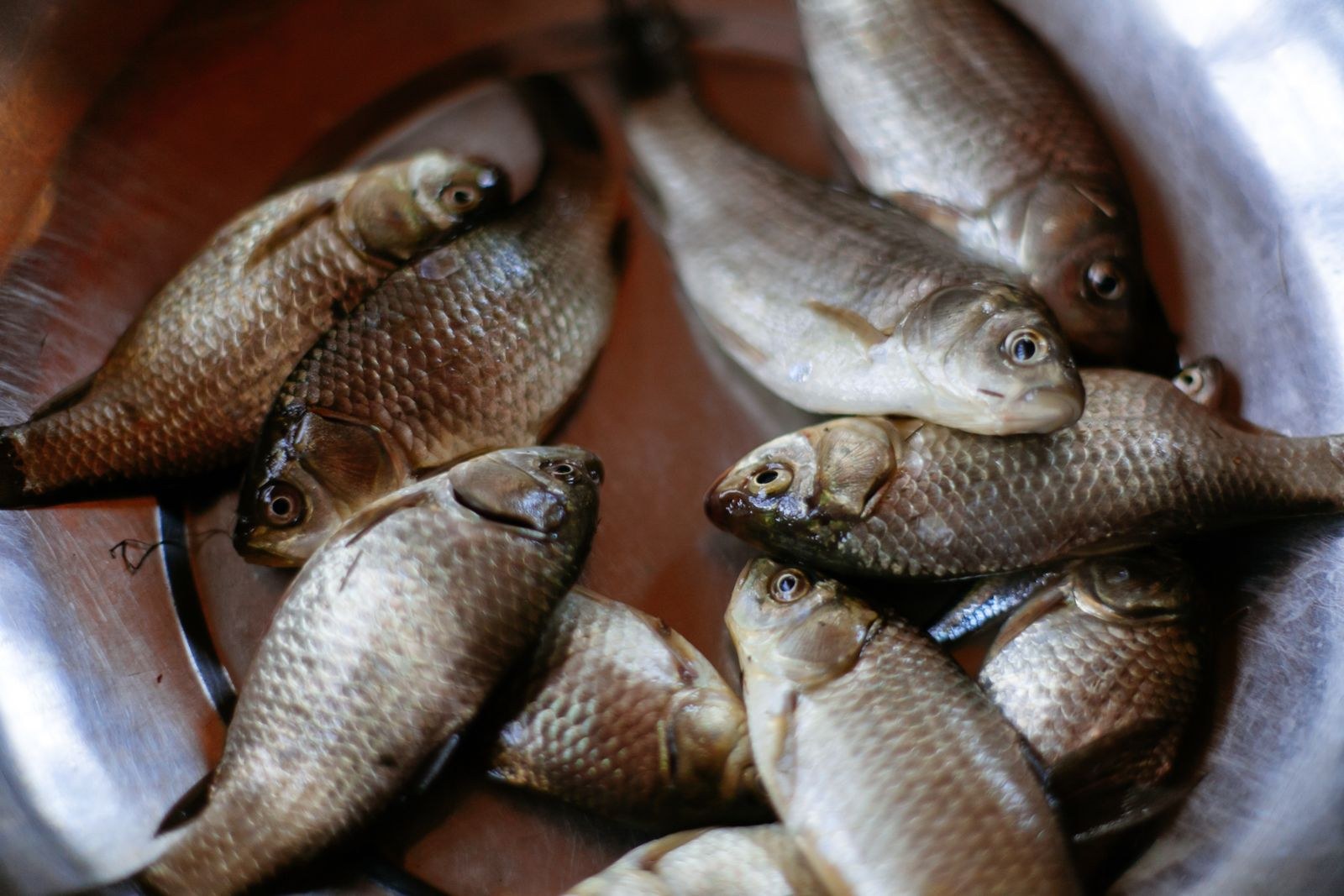
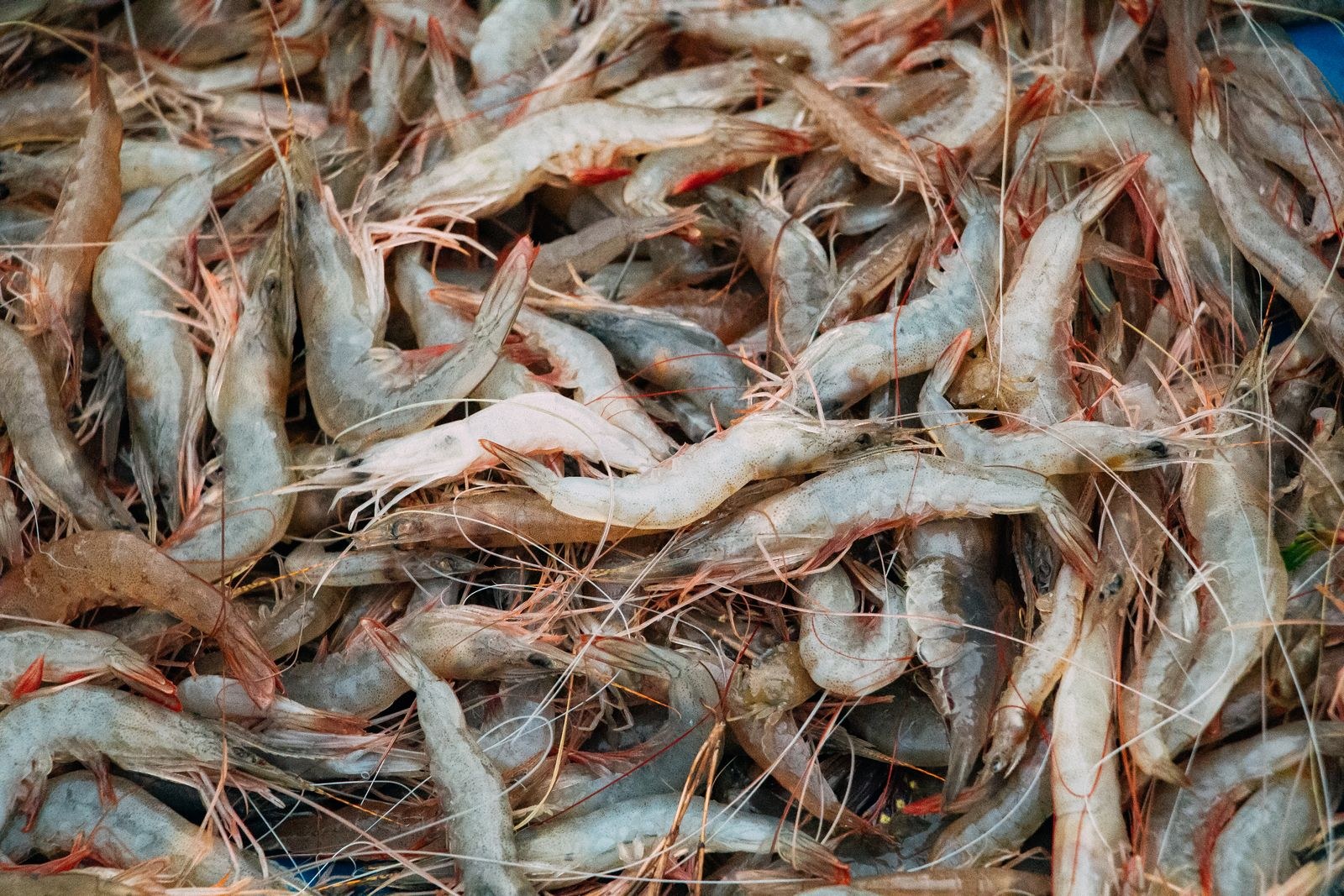
Slim-farmed describes a method rather than a species, and that is the whole content of the name. It means the fish are grown without fast weight being forced onto them, which sounds like a slogan until you look at what the alternative does: a fish pushed hard grows a skeleton and a feed bill rather than meat, and the flesh thins out. This is the same logic as the black pig in the same district’s upland farms – a slower animal makes a better one. The prawn is a different proposition, appearing in Banan’s output as one of the two named ecological-fishery products rather than as a speciality of any one town. Neither of the two is a river-catch story. This is farmed freshwater in a district with about 60 km of Yangtze shoreline and 98 reservoirs, which is a very different kind of water from the one a catch would have come from.
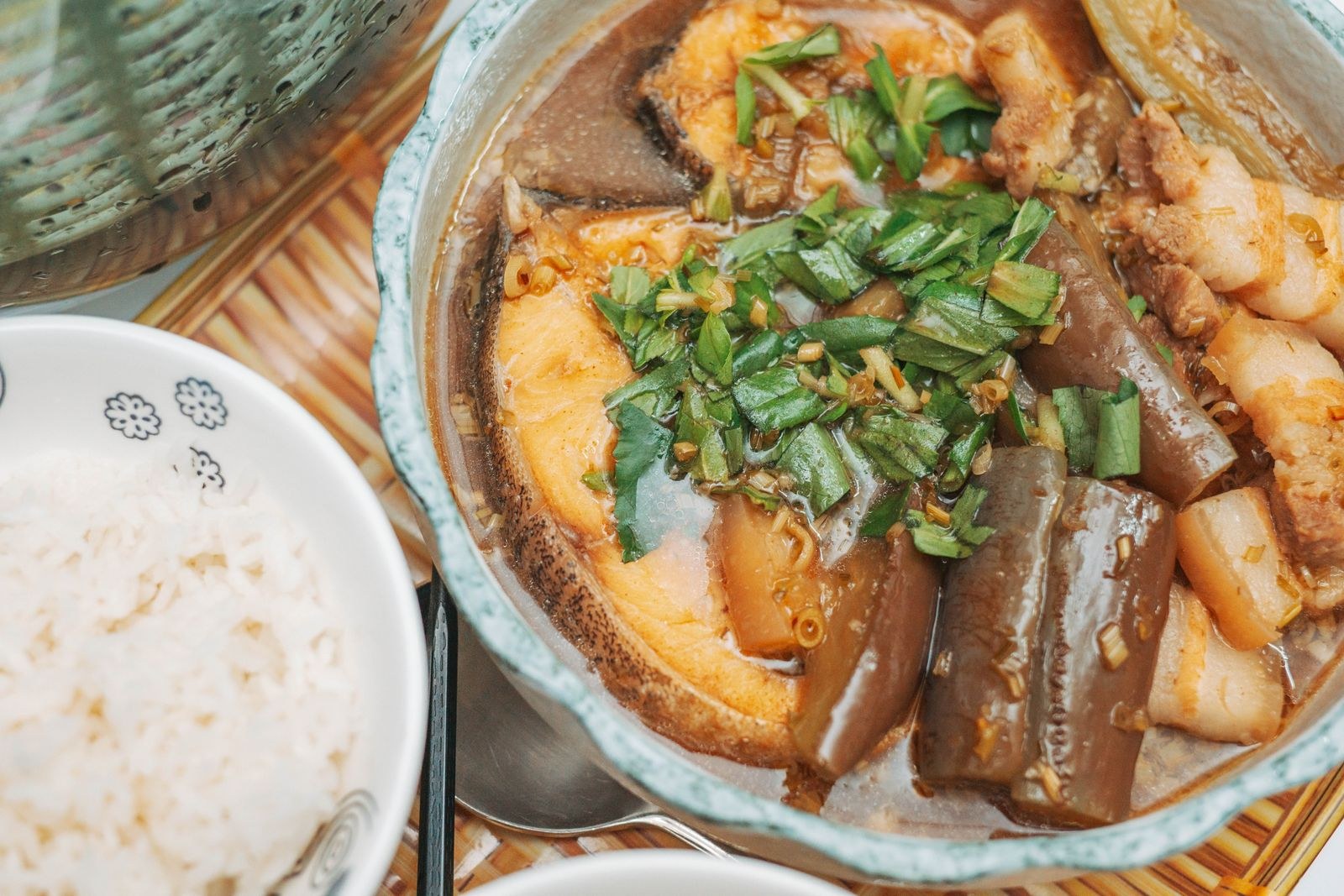
The cooking follows the farming, and the district’s own fish dish on the city list is the proof. Banan put nine dishes into the 渝味360碗 Yùwèi 360 Wǎn “360 bowls of Chongqing flavour” list, chosen from 1,025 dishes submitted by the city’s forty-one districts and counties. The fish among the nine is 六合酸菜鱼 Liùhé Suāncàiyú, Liuhe’s pickled-mustard-greens and pea fish, and it is listed beside 万州酸菜鱼 Wanzhou’s pickled-mustard fish and 涪陵乌江鱼 Fúlíng Wūjiāng Yú Fuling’s Wujiang fish – both of them other districts’ names, which is exactly the distinction this page is drawing. The Banan method is what the district’s agricultural record describes: composite fish built on 豌豆 wàndòu peas, 泡椒 pàojiāo pickled chilli and 酸菜 suāncài pickled mustard greens, rather than on one dominant spice. Three flavouring agents in one pot is a farm’s logic.
There is one place in Banan where a river runs past the fish and the district talks about it, and it is not the Wujiang. 五布河 Wǔbù Hé the Wubu comes down through 东温泉镇 Dōngquánwēn Zhèn Dongwenquan Town, and the 4A Dongwenquan scenic area sits on it, 31.47 square kilometres and forty kilometres from the main city, carrying a karst hot cave that holds 43 degrees through every season. That is a hot spring on a river rather than a fishery, and the reason to mention it here is geographic: it is the inland river of this district, and it is what people mean when they say the Wubu. What it does not do is supply the city’s Wujiang fish.
Words and Names
瘦身鱼 Shòu Shēn Yú slim-farmed fish and 罗氏沼虾 Macrobrachium rosenbergii, the two ecological-fishery core products of 巴南区 Bānán Qū Banan District; the 龙马谷 Lóngmǎgǔ Longma Valley base in 二圣镇 Ersheng Town. 五布河 Wǔbù Hé the Wubu, Banan’s inland river, on which the 4A 东温泉 Dongwenquan scenic area sits: 31.47 km², 40 km from the main city, hot cave at 43 degrees year-round. The Yangtze is Banan’s main river, with about 60 km of shoreline and 98 reservoirs in the district; Banan is not in the Wujiang basin. 六合酸菜鱼 Liùhé Suāncàiyú Liuhe’s pickled-mustard-greens and pea fish, one of nine Banan dishes on the 渝味360碗 Yùwèi 360 Wǎn list of 360 bowls of Chongqing flavour, built on 豌豆 peas, 泡椒 pickled chilli and 酸菜 pickled mustard greens.
What the Locals Know
Four things decide whether a fish is worth buying here, and the first is that the answer is a question. Ask what it was fed. A slim-farmed fish is one that was not pushed, and the person selling it can tell you whether that is true of the batch in front of you or only of the batch in the poster, which is the difference between a method and a label. Second, the smell, which must be clean rather than heavy; a fish fed hard carries a thicker, duller smell and a duller colour. Third, the flesh, judged by how it firms under a finger and how the flake separates when you break a piece off the bone. Fourth is what to do with it, and that is where the district’s cooking answer comes in: the composite pot of peas, pickled chilli and pickled mustard greens, all three from the same district’s fields, is not an elaborate recipe but a way of using what is in the larder. On the prawn the honest statement is that it is bought rather than sought, and nobody here claims it as a town speciality.
flowcloud would say that Banan’s river is the Yangtze and its inland river is the Wubu – Banan is not in the Wujiang basin, the Wujiang runs past Fuling and Wulong, and no registered Wujiang-fish brand, geographical indication or heritage item exists for Banan, so that name belongs to the shop and not to the district. What the district does farm is two named ecological-fishery products, 瘦身鱼 slim-farmed fish and 罗氏沼虾 Macrobrachium rosenbergii, with the 龙马谷 Longma Valley base in Ersheng among the main farms. Its cooking follows the farming: composite fish built on peas, pickled chilli and pickled mustard greens rather than one dominant spice, which is why 六合酸菜鱼 Liuhe’s pickled-mustard and pea fish is among the nine Banan dishes on the 渝味360碗 list, listed beside Wanzhou’s and Fuling’s fish rather than confused with them. The Wubu itself is a hot-spring river at Dongwenquan, not a fishery. All checked October 2026.
Where to find it: the fish and prawn counters of 巴南 Bānán Banan District, and the farms behind them – the Longma Valley base in Ersheng among them – with the morning fish markets the better bet. This is a farmed-freshwater trade, so the useful question on arrival is what the fish were fed, and the useful comparison on the plate is a composite pot of peas, pickled chilli and pickled mustard greens. The Yangtze shoreline runs about 60 km through the district and is not where this fish comes from; the Wubu is a hot-spring river and not a fishery either. The farms are not on any published visitor list. No prices are quoted.