
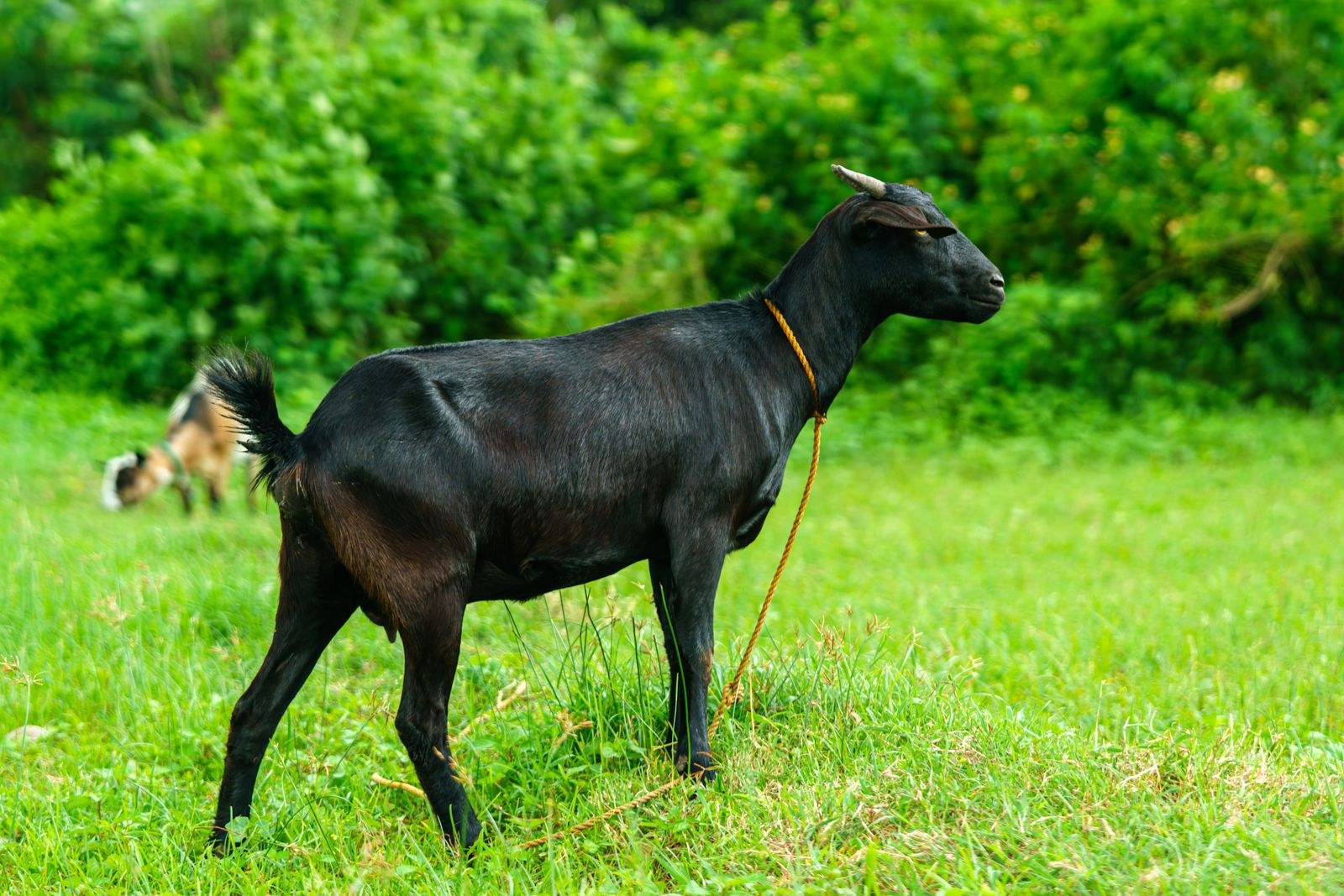
乌烈乳羊 Wūliè rǔyáng, the Wulie milk lamb, is the county dish of 乌烈镇 Wūliè Zhèn, a town of coastal plain in 昌江黎族自治县 Chāngjiāng Lí Zú Zìzhì Xiàn – and the first thing to say is that the name keeps its mystery: official reports never settle whether 乳羊, milk lamb, means a lamb still on the mother’s milk or simply the young of the local black goat, so the dish is carried here as the local signature it is, with no breed science invented. What the reports do give is the country it grows on: near the sea and the river, shrub and herb ground, a coastal air belt with a natural salinity that suits sheep, which like salt, and more than 2,400 hours of sun a year. Free-ranged on natural pasture, the meat comes out fine-grained, ungamy and lean. From that one animal the town’s kitchens have grown more than eighty preparations.
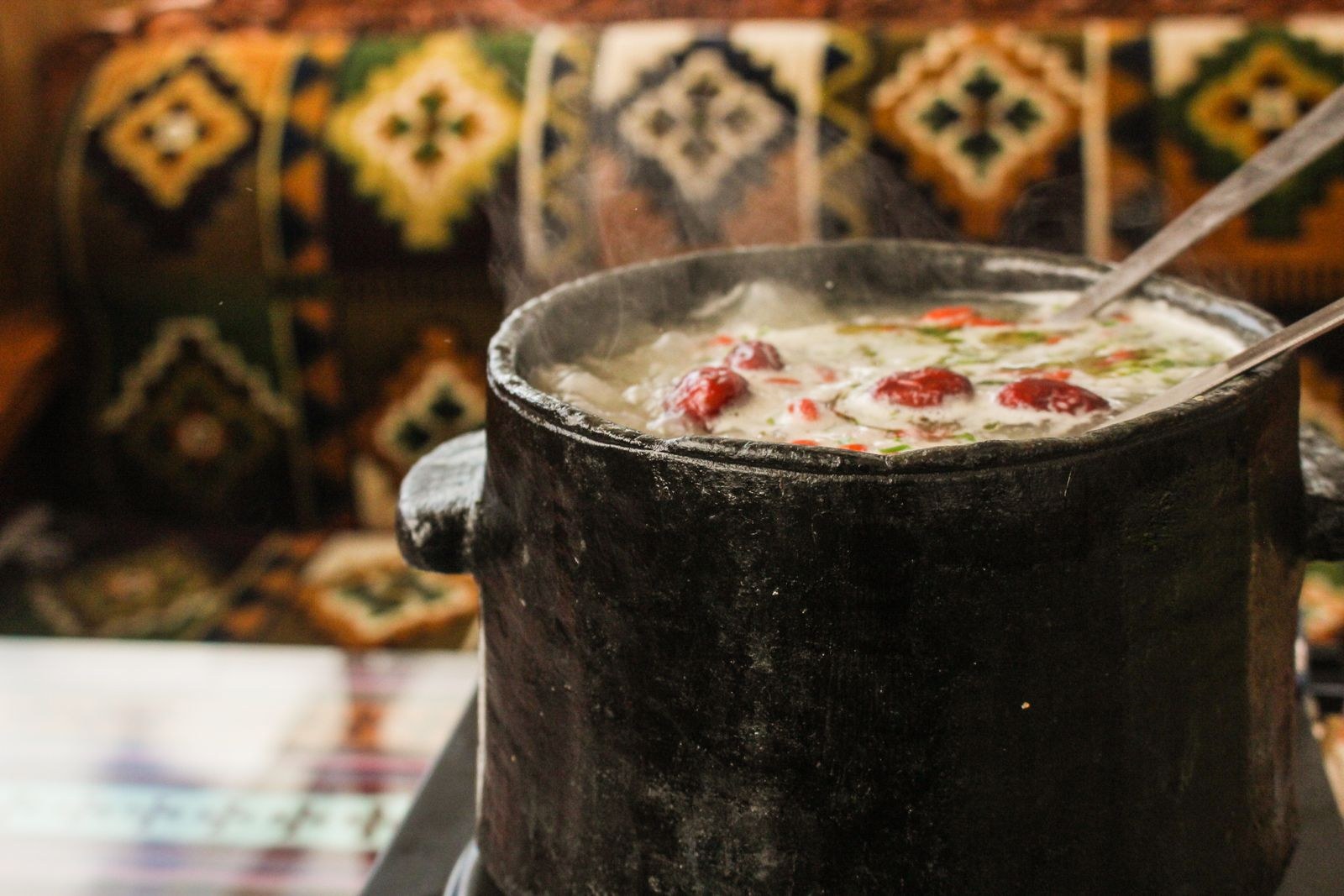
The core of the eighty is 白切 báiqiè, plain-boiled and sliced. The work starts at slaughter: cold-water washing and soaking, the hide brushed with wood-fire ash, scalded in hot water, then scraped clean with a sharp blade; the meat boils through, is cut, and lands on the table with dips of garlic, 沙姜 shājiāng, oyster sauce and ginger. 乌烈’s restaurateurs put it plainly – one, named only as Ms 林, said in July 2025 that eight of ten diners order the plain cut. Around it the family branches: a hotpot, 打边炉 dǎ biānlú, on a papaya broth with goji berries and ginger over lamb cut at the table; 韭菜炒羊血, chives fried with lamb’s blood; and lamb’s-blood fried rice.
Behind the dish was, until recently, a hundred years of habit and little else. In 2024 the county sold 24,000 Wulie sheep, spread across more than 400 households at under 60 a household; slaughter ran on temporary crews, processing was nearly blank, Spring Festival demand ran 一羊难求, one lamb hard to find, and the sheep that did leave mostly left as untraceable middleman trade. The county’s answer is a full-chain breeding operation: the 乌烈 black-goat breeding farm’s second phase was completing in July 2025, with manager 符高波 Fú Gāobō holding nearly 200 animals in the pens and 144 more waiting in quarantine, aiming for 1,000 breeding stock by the end of the year, each with its own health file.
The companion project at 乌烈村 is the visible part: more than 80,000 square metres holding eight sheep sheds plus a ewe house with its birthing room, a ram house and mating station, a quarantine shed, and vet, training and harmless-disposal rooms. The sheds are two-storey – sheep upstairs out of the damp, manure collected below – with 2.2-metre ceilings that let the ammonia rise and out. Training changed the numbers too: after the county animal-husbandry courses, lamb survival went from under 60 per cent to over 85, and scaled rearing is expected to add about 20 per cent of income a head.
The market story is what a name is worth. Middlemen – 羊中介 yáng zhōngjiè – bought at the farm gate and resold outside the county with no control, and the case national radio reported is exact: a diner in 海口 Hǎikǒu paid 168 yuan in a restaurant for lamb sold as Wulie that was not. The government’s answer is the 昌廪食 Chānglǐnshí public brand, with Wulie lamb one of five leading industries – the other four not itemised in any source this record could find – and a traceability line from pen to table. A companion meat plant puts slaughter, butchering and cold chain in one flow, and genuine Wulie lamb, the county says, now reaches a Haikou table within four hours.
Words and Names
乌烈乳羊 Wūliè rǔyáng is the dish, with 乳羊 rǔyáng, milk lamb, left undefined by every official source; 乌烈羊 Wūliè yáng is the wider county name. 白切 báiqiè is the plain-boiled-and-sliced form everything starts from; 干煸 gānbiān is the dry-fried branch and 香煎 xiāngjiān the pan-seared one; 打边炉 dǎ biānlú is the table hotpot; 沙姜 shājiāng is the sand ginger in the dip. 羊中介 yáng zhōngjiè is the lamb middleman, and 昌廪食 Chānglǐnshí the public brand – the name carries 廪, the granary of an official store, the government’s own metaphor for a county larder.
What the Locals Know
The dish’s honour is new and local. In August 2026 the 昌江乌烈羊烹饪技艺, the Wulie lamb cooking technique, entered the county’s seventh intangible-heritage batch under traditional craft, one of twelve items that took the county’s list to nearly thirty. The definition question stays open and should: the reports pair 乳羊 with the black-goat breeding farm in the same breath without saying whether the lamb is a breed or an age, and a writer who picks one quietly is inventing. The honest form is the one used here: Wulie milk lamb, definition unpublished.
乌烈镇 is more than sheep. It is one of the county’s mango big towns – the demonstration orchard of 梁明章 Liáng Míngzhāng belongs to the mango story of this county – and one of its main grain and vegetable districts; the two trades feed each other, sheep manure going back onto the orchard ground as fertiliser, which is why the lamb and the mango share a town. The eighty preparations keep branching – beyond the plain cut, the dry-fried and pan-seared branches lead the restaurant list – and Spring Festival demand still outruns supply, which is the one date a visitor should plan around.
For the table: start with the plain-cut lamb and its four dips, take the papaya-broth hotpot second, and finish with the blood dishes if the kitchen has them that day. The scarce season is real – the town’s own Spring Festival phrase is one lamb hard to find, and the four-hour cold chain that now feeds 海口 exists because demand ran ahead of supply for a century. No per-斤 retail price for the genuine article has been published; the record carries the 168-yuan counterfeit story and no price for the real one, so ask at the counter and treat the answer as the day’s.
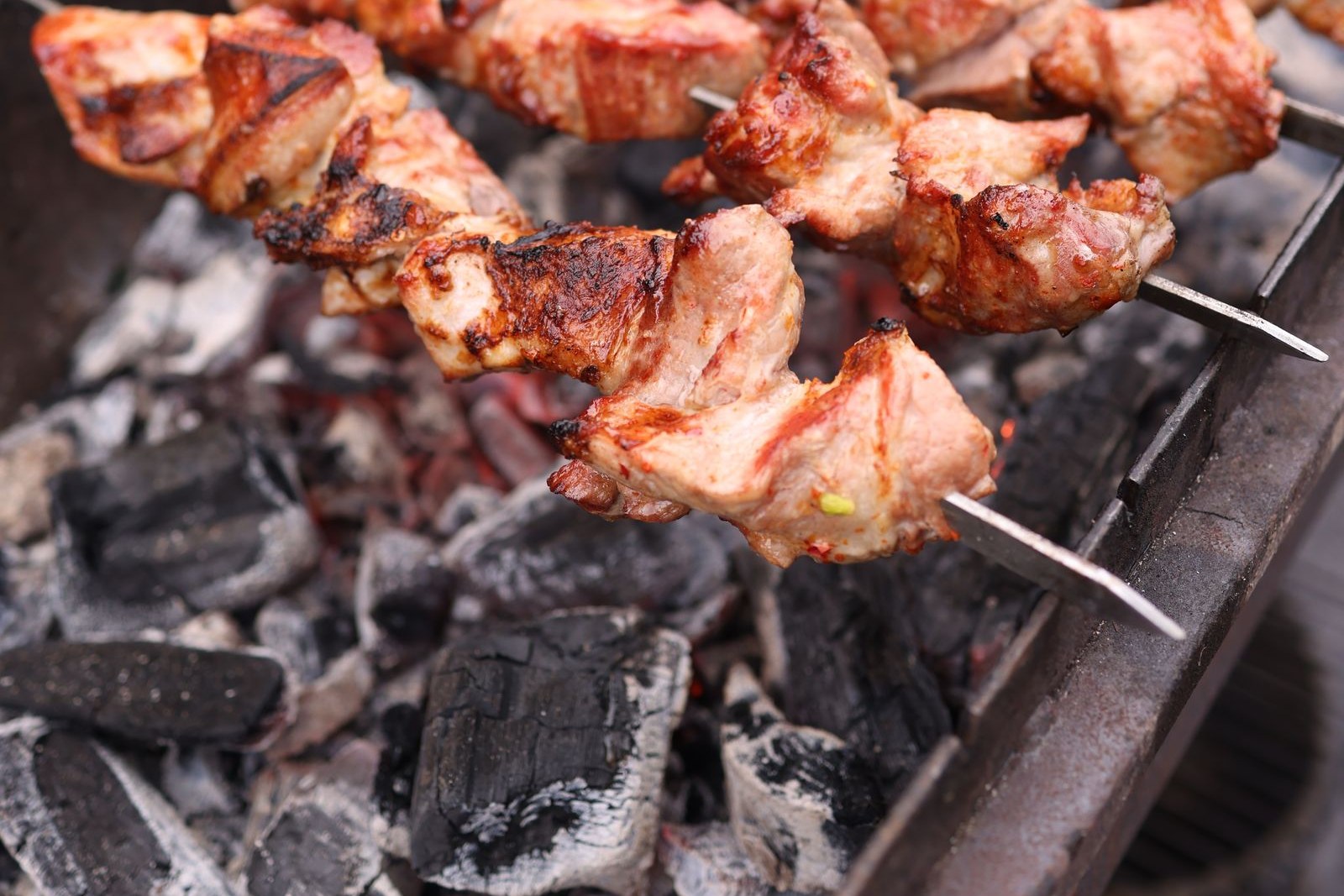
flowcloud would say that 乌烈乳羊 is eighty ways of refusing to hurry – a free-range lamb off salt-air pasture, boiled plain first and dressed up after, and a county still building the chain that keeps the name on the plate true.
Where to find it: the lamb restaurants of 乌烈镇 Wūliè Zhèn, where eight diners in ten order the plain cut; the county seat 石碌镇 Shílù Zhèn, whose kitchens serve the same eighty preparations to visitors passing through to 棋子湾 Qízi Wān and 霸王岭 Bàwáng Lǐng; the breeding farm and the 乌烈村 pen project, where the chain behind the dish can be seen working; and the 海口 Hǎikǒu tables now reached within four hours by the cold chain. Order the 白切乳羊 first and the papaya hotpot second, and expect the town to run short around Spring Festival.