
Yǐn yán: Hóng shāo yī gēn, luǎn shí wàn sī; huǒ guō bàn jiǎng, shēng yì rán shāo. — One sweet potato, ten thousand threads of starch; with the hotpot’s base it burns bright.
Wulong sweet potato starch noodles (武隆苕粉, Wǔlóng Sháofěn) are the wide, grey-brown, slightly chewy noodles that every Chongqing hotpot table orders last — the item that goes into the pot when everyone has stopped eating meat and the room has settled into the second hour. 苕 (sháo) is the local word for the sweet potato; the noodle is pure sweet-potato starch and water, pressed and hung to dry in the mountain townships where the tuber grows heavy and sweet. Wulong’s version is a district brand in its own right: the cool highland nights and the autumn harvest give the starch a firmness that shows up in the bite.
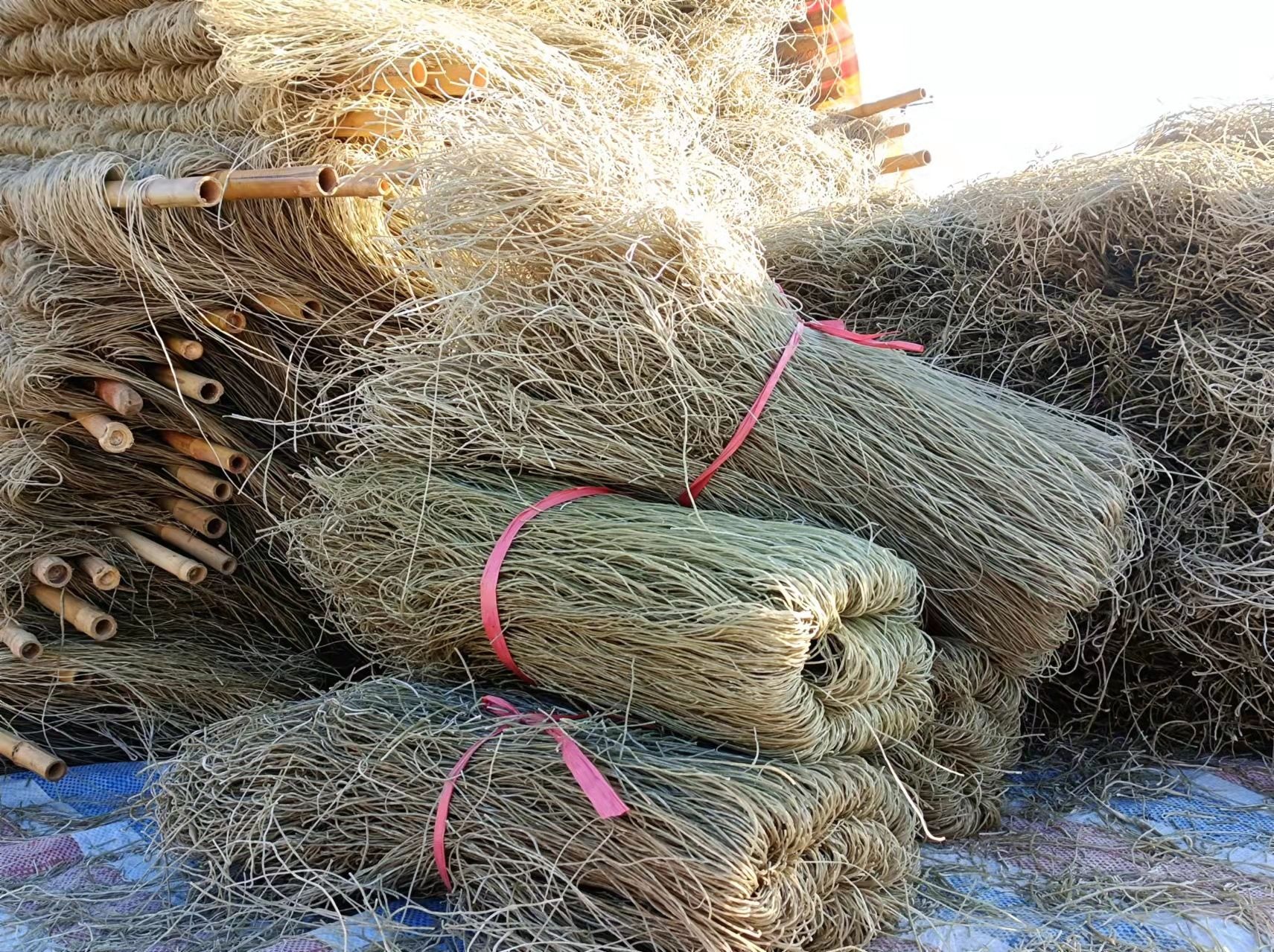
The noodle goes in late and comes out early — three minutes in the rolling pot, no more, or it loses the snap that is the entire point. Dry noodles need no pre-soak beyond a rinse. In Wulong itself the noodles appear away from the hotpot too: blanched and dressed with chilli oil and vinegar as a cold plate in summer. The good dry product is slightly translucent, evenly grey, and snaps rather than bends.
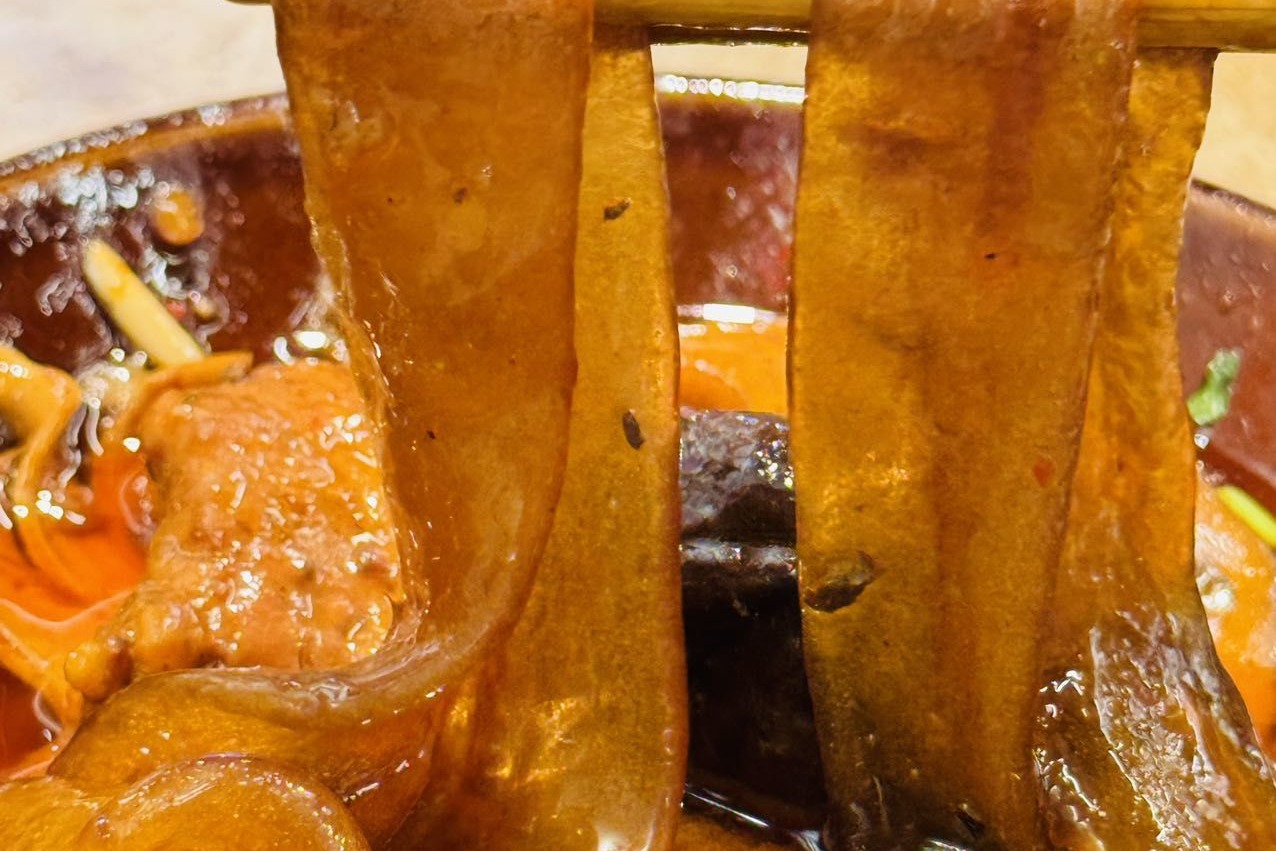
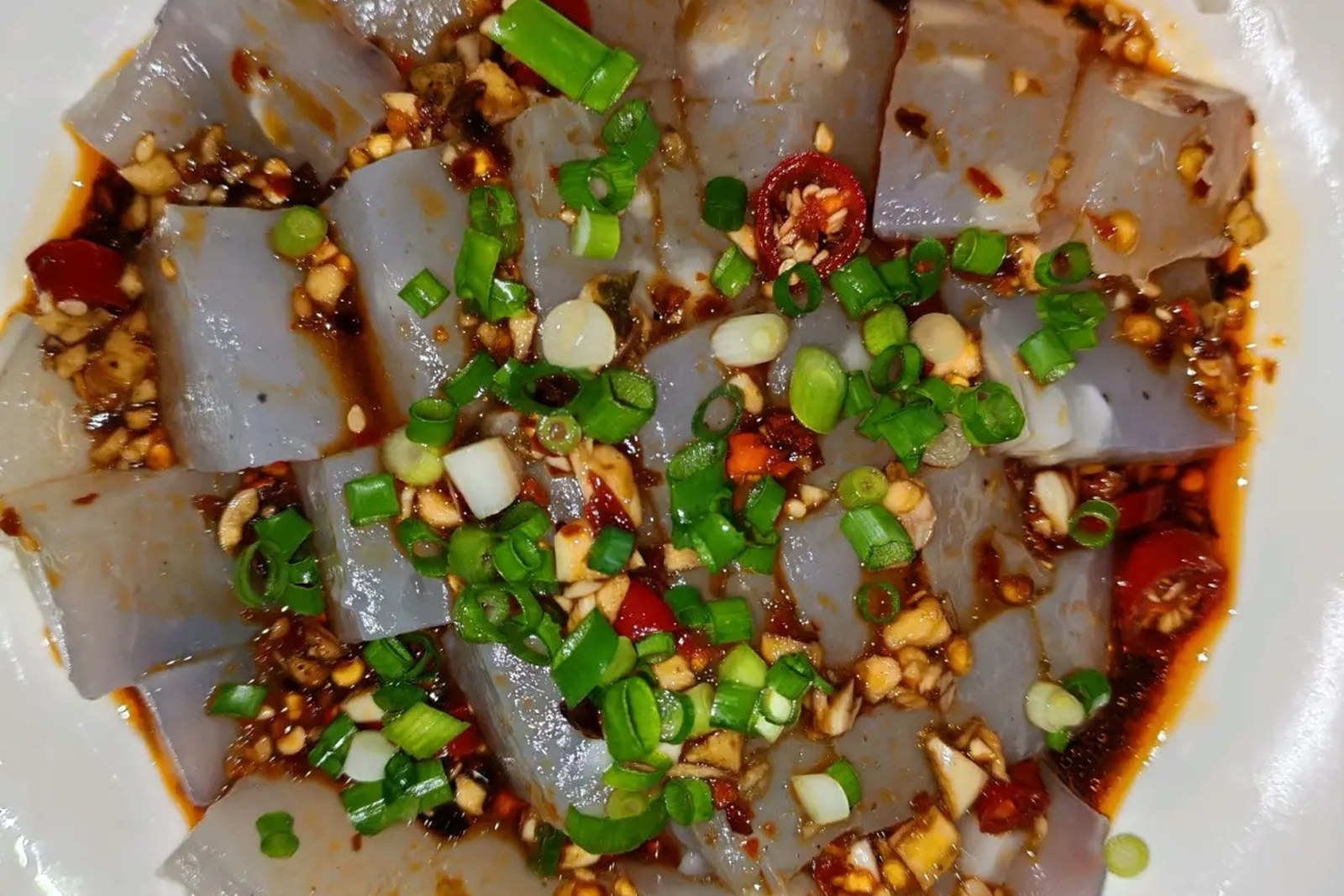
flowcloud would say that the hotpot orders meat for the first hour and noodles for the second — and that Wulong’s starch noodles are the only thing on the table that improves as the broth gets worse.
Where to find it: the last order at every Chongqing hotpot table — and in Wulong itself, a summer cold plate dressed with chilli oil and vinegar. All checked October 2026.
Words and Names
苕粉 sháofěn — sweet potato starch noodles · 红苕 hóngsháo — sweet potato, literally “red yam” in local speech · 火锅 huǒguō — the Chongqing hotpot, the noodle’s natural habitat · 红薯淀粉 hóngshǔ diànfěn — sweet potato starch, the noodle’s only structural ingredient · 武隆 Wǔlóng — the district whose highland tuber supply underwrites the brand